Why Material Matters for Your Everyday Keychain
Your keychain is handled dozens of times a day. It gets dropped, jostled against keys and coins, and clipped to bags or belt loops. The material it's made from determines how long it lasts, how it feels in your hand, and whether it adds noticeable weight to your pocket. This comparison uses the Tokyo-to Tag keychain as a real example to help you decide between metal and acrylic options.
What the Tokyo-to Tag Listing Confirms
-
Tokyo-to Tag: The Tokyo-to Tag is a 3” keychain designed by Pixel Eyebat. Its compact size makes it easy to carry, but the material determines how it holds up over time.
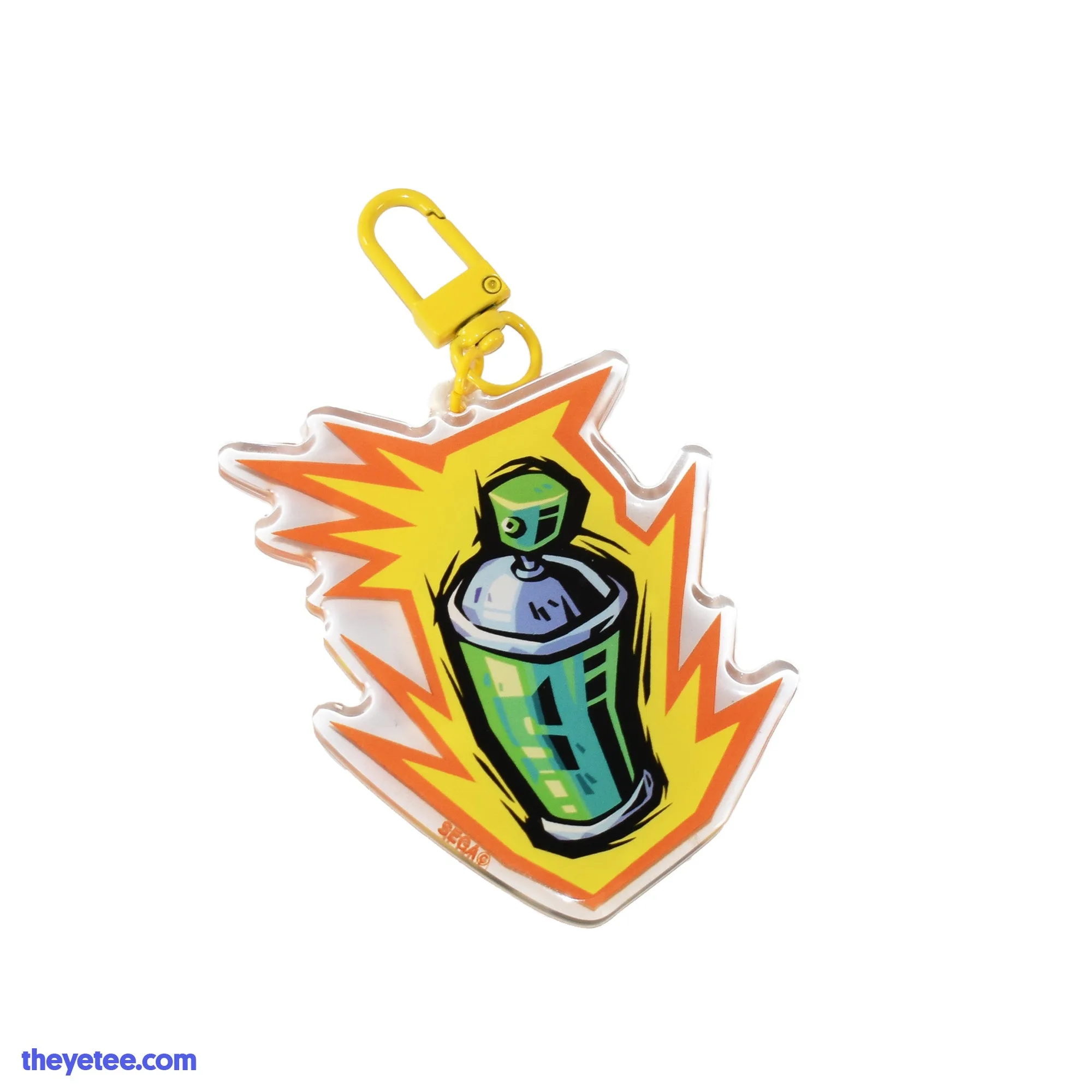
Tokyo-to Tag
-
Tokyo-to Tag: It ships with care from Yetee HQ in Aurora, Illinois, and has limited availability for US and Canada customers. If you're outside this region, you'll need to look for an alternative keychain that fits your material preference.
Metal vs Acrylic: Key Differences at a Glance
- Durability: Metal keychains resist cracking and can withstand repeated drops without breaking. Acrylic keychains are more prone to chipping or cracking if dropped on hard surfaces, though they hold up well against normal daily wear.
- Weight: Metal keychains are noticeably heavier, which can add bulk to a pocket or bag. Acrylic keychains are lightweight and less likely to weigh down your keyring.
- Wear Resistance: Metal keychains may develop scratches or tarnish over time, depending on the finish. Acrylic keychains can show scuffs but generally retain their color and shape longer if not subjected to heavy impact.
- Feel and Grip: Metal feels cool and solid, with a smooth or textured surface. Acrylic feels warmer and slightly softer to the touch, often with a polished finish that's pleasant to hold.
How the Tokyo-to Tag Fits into This Comparison
The Tokyo-to Tag keychain is described as a 3” design, but the listing does not specify whether it is made of metal or acrylic. This means you cannot rely on the product page alone to confirm the material. However, the decision between metal and acrylic is still relevant: if you prefer a lightweight, low-profile keychain, an acrylic design like the Tokyo-to Tag (if acrylic) would be a good fit. If you need something that can survive rough handling, a metal keychain may be more reliable. Without explicit material details, the safest approach is to contact the seller or check additional product images that might reveal the finish and weight.
Choosing Based on Your Daily Routine
Think about where your keychain spends most of its time. If it lives in a pocket or a small clutch, weight and bulk matter more. Acrylic wins here. If it gets clipped to a backpack or tossed into a gym bag, durability and scratch resistance become priorities. Metal is the better choice for that scenario. The Tokyo-to Tag's compact 3” size is versatile enough for either use, but the material will ultimately decide how well it performs.
What the Listing Doesn't Tell You
The Tokyo-to Tag listing confirms its dimensions, designer, and shipping limitations, but it does not include material composition, hardware type (split ring vs lobster clasp), or care instructions. This is common for many keychain listings. When material information is absent, you can look for similar products from the same brand or designer to infer the likely material. For example, Pixel Eyebat's other keychain designs may provide clues. If you need a guaranteed metal or acrylic keychain, consider filtering by material in the store's search or reading customer reviews that mention the feel and weight.