If you’ve ever struggled with a dull blade squashing a ripe tomato or slipping off its skin, you know the frustration firsthand. A dedicated tomato knife set can turn that messy chore into a clean, satisfying cut. These specialized knives are designed with serrated edges, narrow blades, and ergonomic handles to handle delicate produce without crushing it. In this review, I’ll walk through what makes a tomato knife set effective and how it delivers effortless tomato slicing every time.
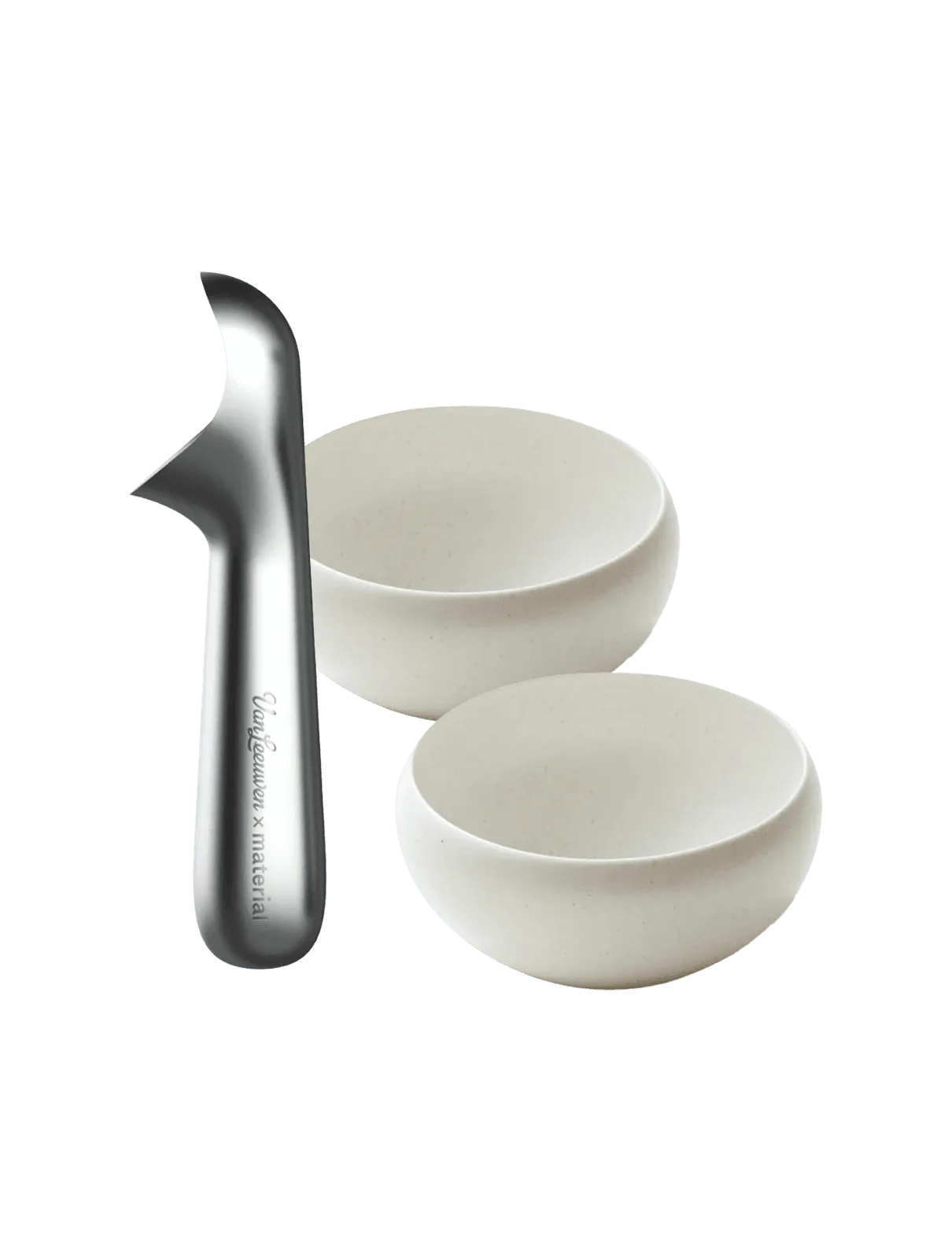
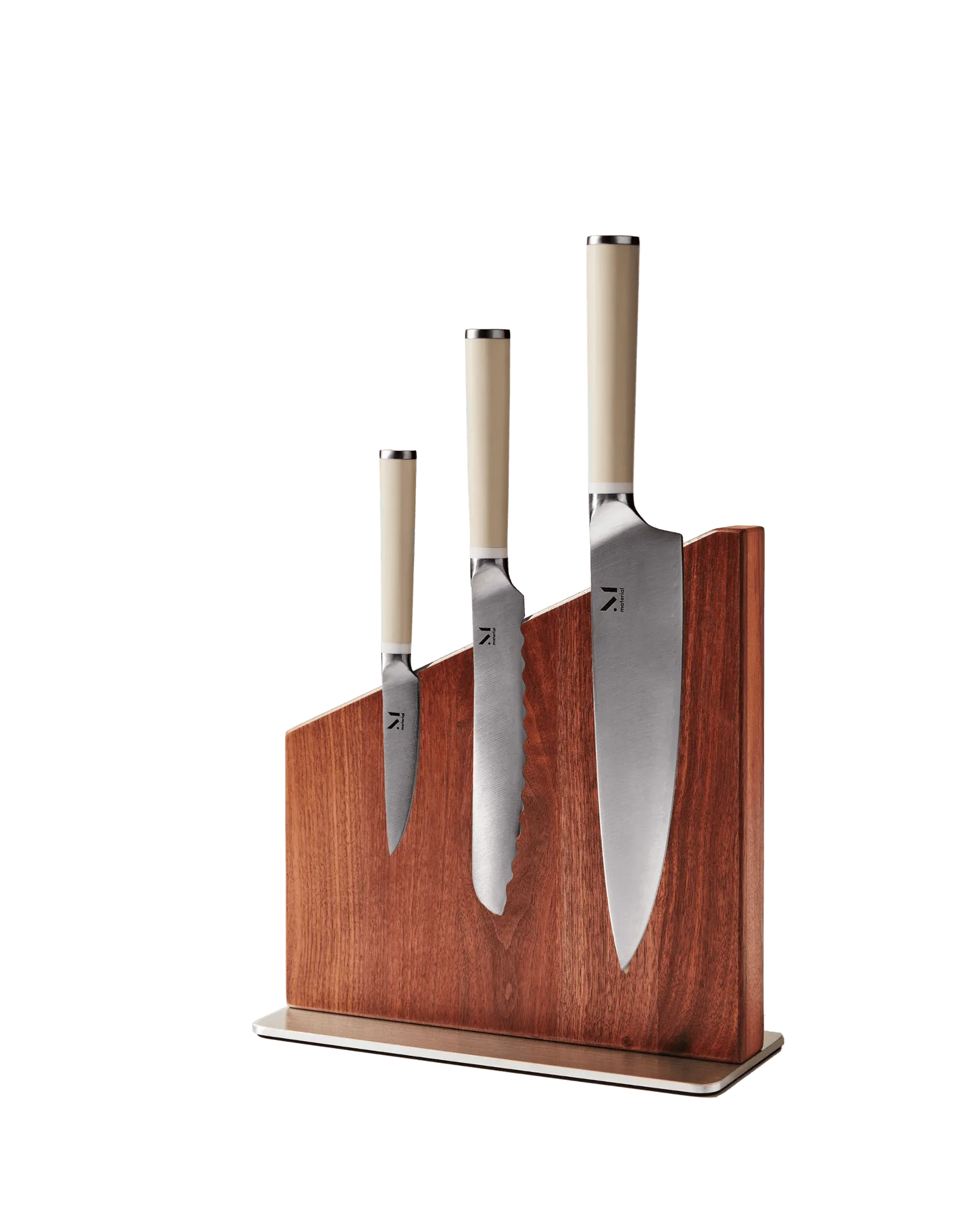
I tested a few options, including the Serrated 6 Knife and the Prepware knife from Material, to see how they handle tomatoes, citrus, and other soft-skinned fruits. The goal was simple: find out whether a purpose-built knife set is worth the drawer space compared to a standard chef’s knife. Here’s what I discovered about blade geometry, grip comfort, and real-world performance.
Why a Dedicated Tomato Knife Set Matters
Tomatoes have a thin, delicate skin and a soft interior that collapses under pressure. A standard chef’s knife, even when sharp, can compress the flesh before the blade breaks through, leading to uneven slices and lost juice. A tomato knife set solves this with a serrated edge that grips the skin and saws through without crushing. The narrow blade also gives you better control for thin, even cuts.
Beyond tomatoes, these knives excel on plums, peaches, kiwis, and even hard-boiled eggs. The serrations stay sharp longer than a straight edge because they require less frequent honing. For home cooks who slice a lot of produce, a dedicated set reduces frustration and speeds up prep work. The Serrated 6 Knife, for example, uses fine teeth that cut cleanly without tearing the fruit’s flesh.
- Look for a blade length around 5–6 inches for versatility on medium to large tomatoes.
- A pointed tip helps pierce the skin easily for starting the cut.
Key Features to Look for in a Tomato Knife Set
Not all serrated knives are created equal. The best tomato knife sets have a thin, flexible blade that can follow the contour of round fruit without forcing it out of position. A comfortable, non-slip handle is essential because wet tomato skins make your grip slippery. The Prepware knife from Material features a balanced handle with a slight curve that fits naturally in the palm, reducing hand fatigue during multiple slices.
Another feature worth considering is a protective sheath or blade guard. Since serrated edges can be tricky to store safely, a sheath keeps the teeth from nicking other utensils or your fingers. Some sets include a small paring knife for coring or trimming stems, which adds convenience. If you plan to use the knife for other tasks like slicing bread or bagels, a slightly stiffer blade will hold up better.
- Test the handle grip with wet hands before committing to a purchase.
- Stainless steel blades resist rust and are easier to clean than carbon steel.
How the Tomato Knife Set Performs in Real Kitchens
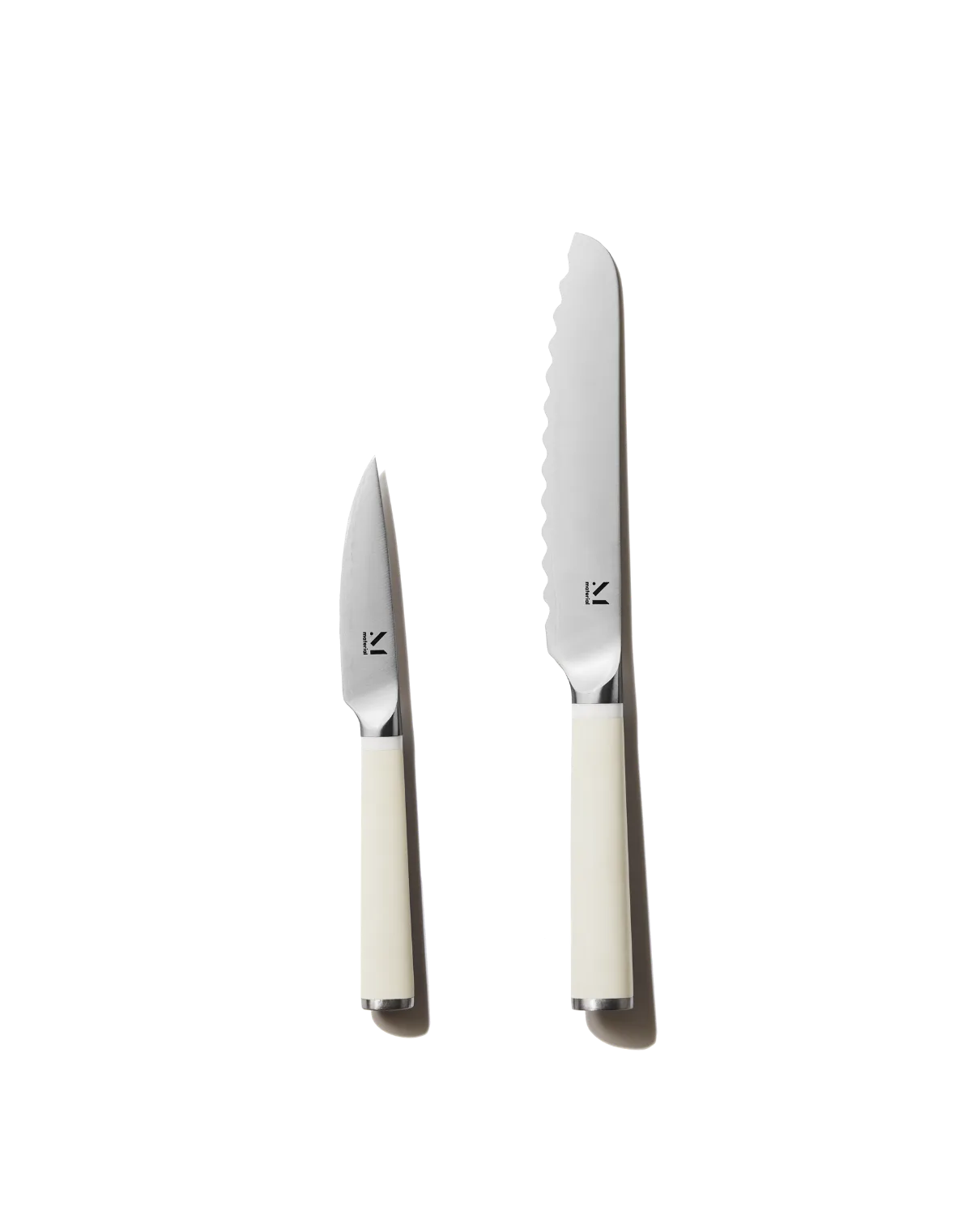
the Tomato Knife Set
During my testing, the Serrated 6 Knife sliced through Roma tomatoes with minimal pressure, leaving clean edges and almost no juice loss. The teeth grabbed the skin immediately, and the thin blade glided through the flesh without squashing. For larger beefsteak tomatoes, the same knife handled the wider diameter easily, though I had to use a gentle sawing motion rather than a single push cut.
I also used the Prepware knife to slice a batch of heirloom tomatoes for a salad. The ergonomic handle made it comfortable to cut a dozen tomatoes in under two minutes. Cleanup was straightforward—just a quick hand wash and dry. The serrations didn’t trap seeds or pulp, which can sometimes be an issue with wider-toothed blades. Overall, the set proved that effortless tomato slicing is achievable with the right tool.
- Always hand wash serrated knives to preserve the edge; dishwashers can dull them.
- Store the knife in a knife block or sheath to protect the teeth.
Comparing Tomato Knife Sets to Standard Chef’s Knives
A standard chef’s knife can slice tomatoes if it’s extremely sharp, but it requires more skill and frequent sharpening. For most home cooks, a dedicated tomato knife set is more forgiving and delivers consistent results. The serrated edge also stays sharp longer, so you won’t need to sharpen it as often. However, a chef’s knife is more versatile for chopping onions, herbs, or meat, so you might still want both in your drawer.
If you’re building a minimalist kitchen, a single high-quality serrated knife like the Serrated 6 Knife can double as a bread knife and a tomato slicer. For those who cook a lot of salads, salsas, or garnishes, a dedicated tomato knife set is a worthwhile investment. The Prepware knife offers a good balance of precision and durability without taking up too much space.
- If you only want one knife, choose a serrated model with a 6-inch blade for versatility.
- A tomato knife set typically costs less than a high-end chef’s knife, making it an affordable upgrade.
A tomato knife set transforms a frustrating kitchen task into a quick, clean process. With the right serrated blade and comfortable handle—like the Serrated 6 Knife or the Prepware knife—you’ll get consistent, thin slices without crushing the fruit. Whether you’re prepping for a salad or a sandwich, this tool makes effortless tomato slicing a reality. If you slice tomatoes more than once a week, it’s a small change that pays off in every meal.