When it comes to oral hygiene, most of us have a daily routine that includes brushing our teeth. But do you also use mouthwash? And if you do, are you using it correctly? The debate between toothpaste and mouthwash is common, but the truth is they serve different purposes. This guide will help you understand the role of each, how to use them together, and how to build a natural oral care routine that works for you.
Whether you're new to natural oral care or looking to optimize your current routine, understanding the difference between toothpaste and mouthwash is key. We'll break down the benefits, the order of use, and common mistakes to avoid, so you can make an informed choice for your dental health.
The Role of Toothpaste in Your Oral Care Routine
Toothpaste is the cornerstone of any oral care routine. Its primary job is to physically remove plaque and food debris from the surfaces of your teeth. Most toothpastes contain mild abrasives that help scrub away stains, as well as fluoride or other active ingredients to strengthen enamel and prevent decay. For those using natural toothpaste, ingredients like baking soda, coconut oil, and essential oils provide similar benefits without synthetic additives.
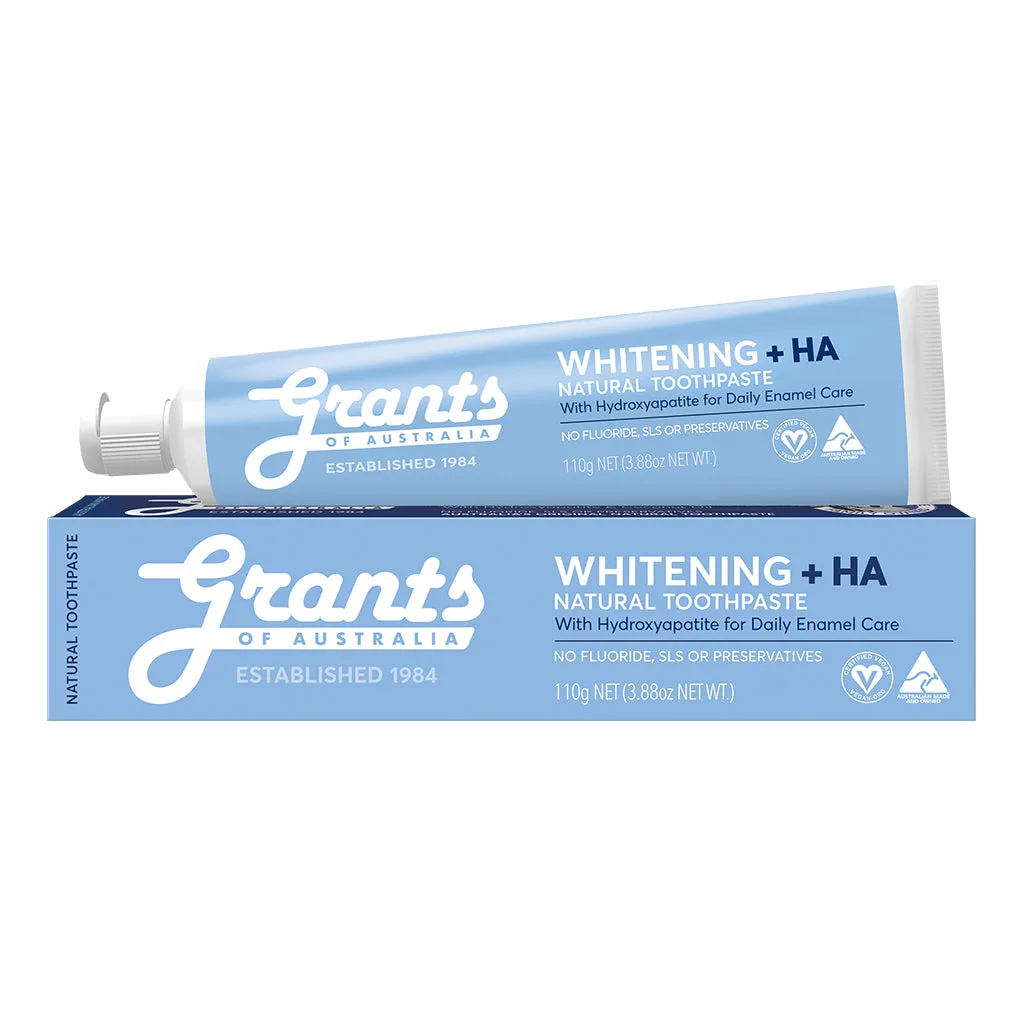
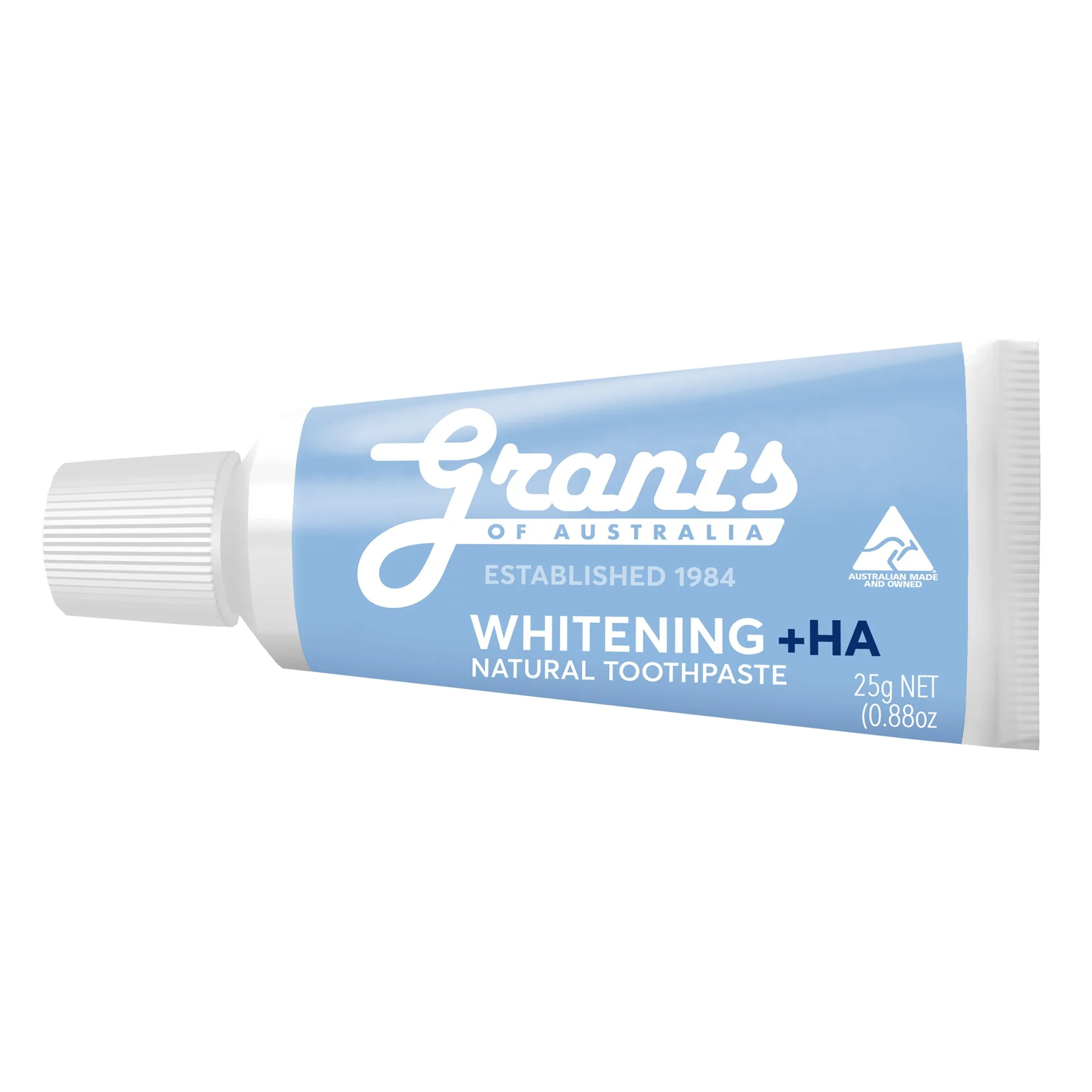
When you brush with toothpaste, you're not just cleaning your teeth; you're also delivering important active ingredients to your gums and tongue. For example, our Complete Care Natural Toothpaste combines a gentle formula with ingredients that support overall oral health, making it a great choice for daily brushing. If you're looking to whiten your teeth, a product like https://grantsofaustralias.com/products/whitening-ha-natural-toothpaste-332130Whitening +HA Natural Toothpaste can help remove surface stains while being gentle on enamel.
- Toothpaste is essential for mechanical cleaning and delivering active ingredients.
- Choose a natural toothpaste that fits your needs, such as sensitivity, whitening, or family-friendly options.
The Role of Mouthwash in Your Oral Care Routine
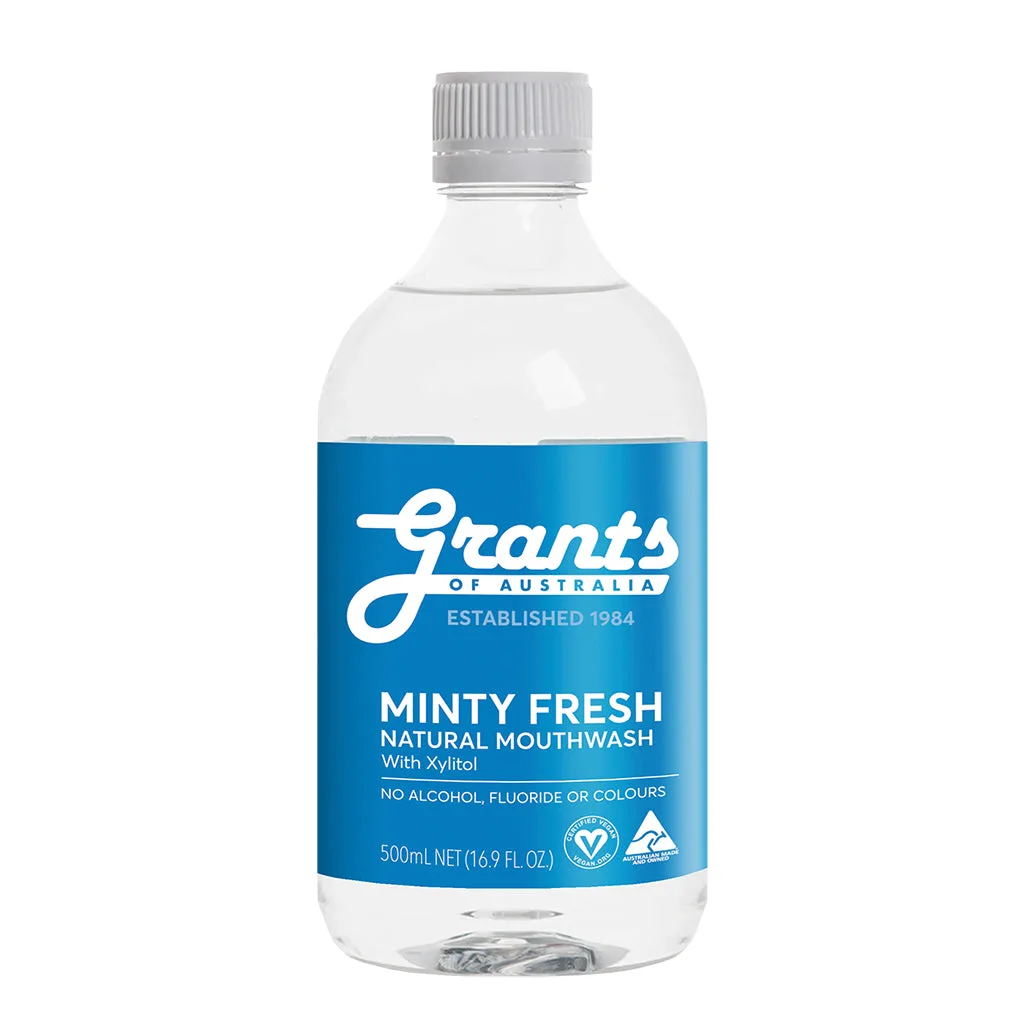
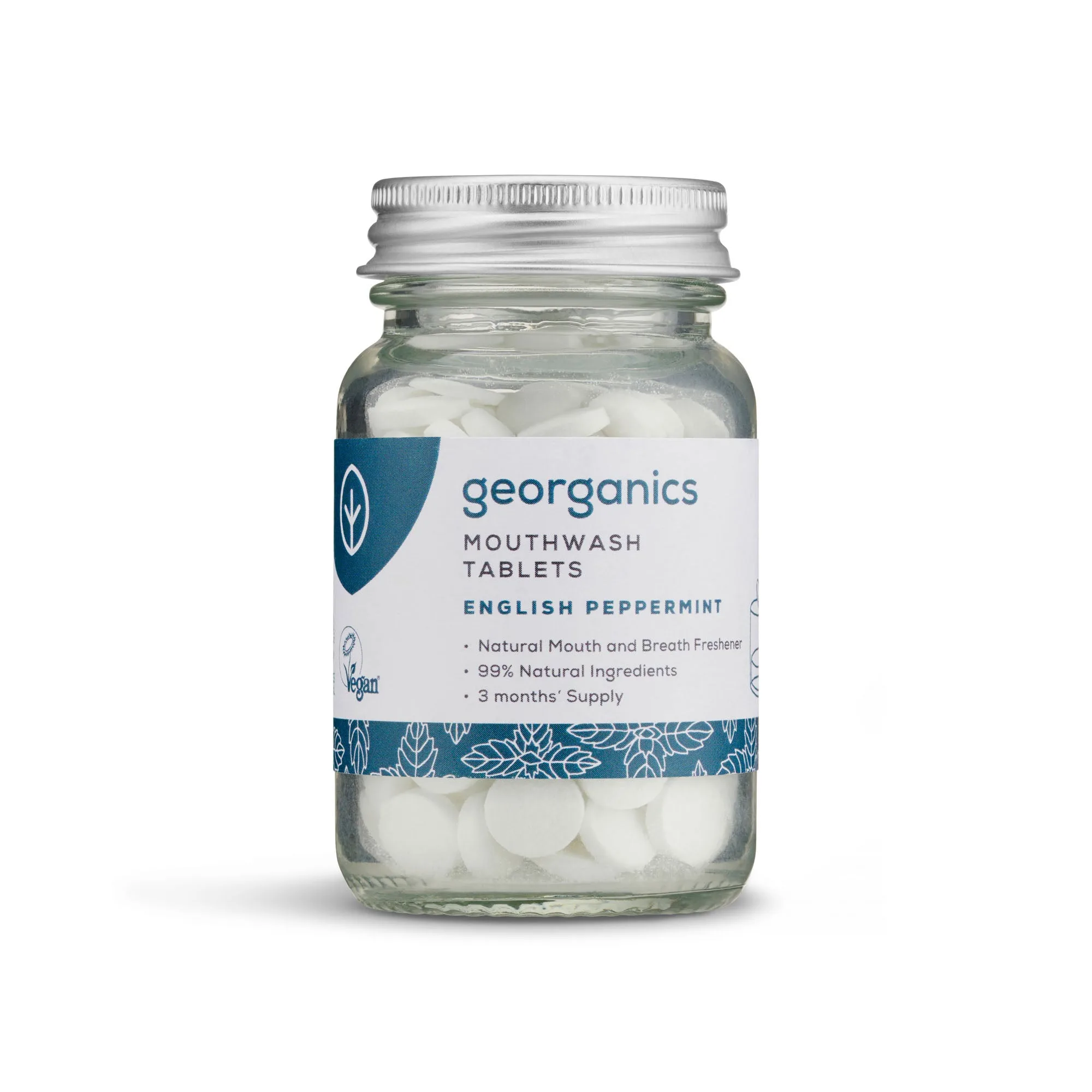
Mouthwash is a liquid oral care product that you swish around your mouth and spit out. Its main purposes are to freshen breath, reduce bacteria, and reach areas that brushing might miss, such as between teeth and along the gumline. Mouthwash can be an excellent addition to your routine, especially if you have trouble flossing or want extra protection against plaque and gingivitis.
However, mouthwash is not a substitute for brushing or flossing. It should be used as a supplement, not a replacement. When choosing a mouthwash, look for natural options that avoid alcohol and artificial dyes. Many natural mouthwashes use ingredients like tea tree oil, aloe vera, and essential oils to kill bacteria and soothe gums.
- Mouthwash reaches areas that brushing may miss and helps freshen breath.
- Natural mouthwashes avoid alcohol and synthetic ingredients, making them gentler on your mouth.
Toothpaste vs Mouthwash: Which Should You Use?
The short answer is: both, but for different reasons. Toothpaste is non-negotiable for daily brushing, while mouthwash is an optional but beneficial addition. If you have specific concerns like bad breath, gum disease, or a dry mouth, mouthwash can be particularly helpful. On the other hand, if you have a simple, effective brushing routine and no major oral health issues, you might not need mouthwash at all.
The order matters too: should you use mouthwash before or after brushing? Most dentists recommend brushing first, then using mouthwash. This allows the toothpaste's active ingredients to stay on your teeth longer, while the mouthwash can then rinse away any remaining debris and bacteria. However, if you prefer to use mouthwash before brushing, that's fine as long as you're not rinsing immediately after brushing, which can wash away the fluoride from your toothpaste.
- Toothpaste is essential; mouthwash is optional but beneficial.
- Brush first, then rinse with mouthwash for best results.
- Avoid rinsing with water right after brushing to let the toothpaste work.
Building a Natural Oral Care Routine
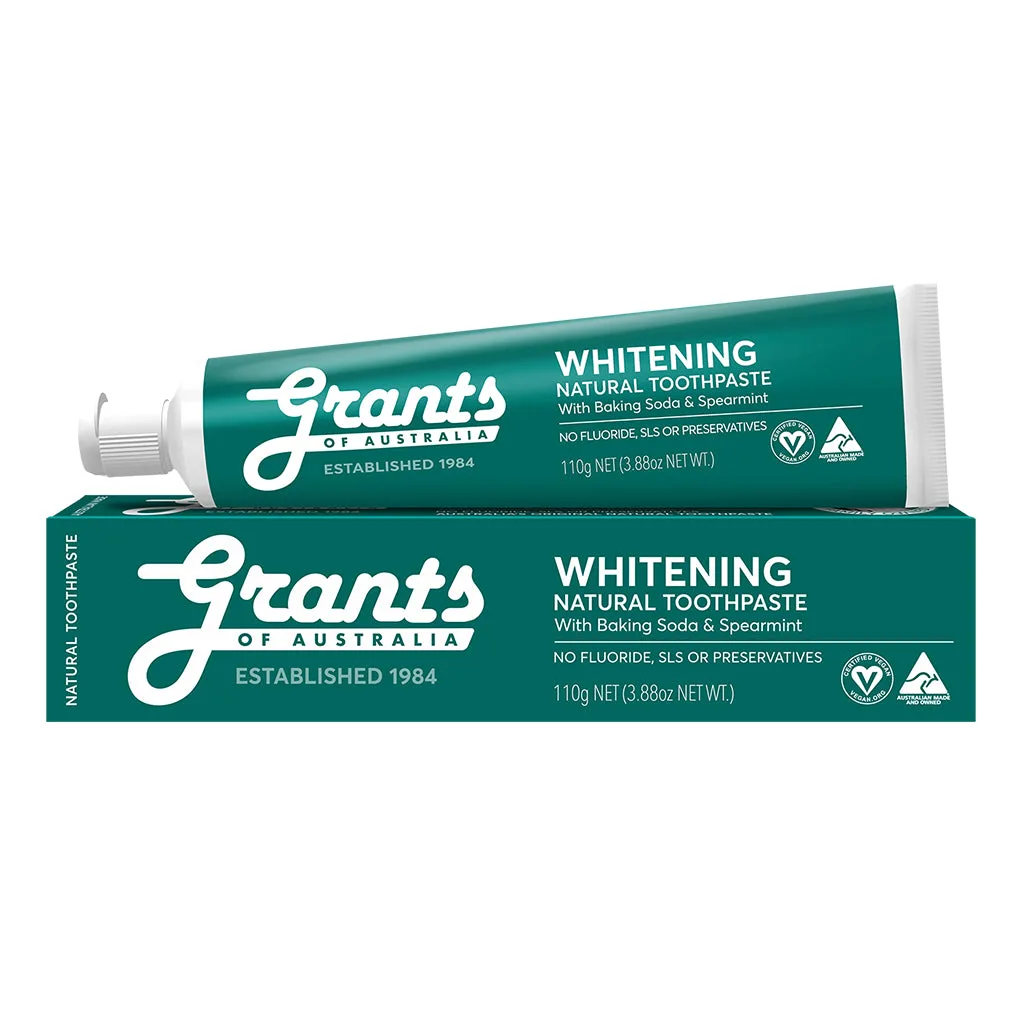
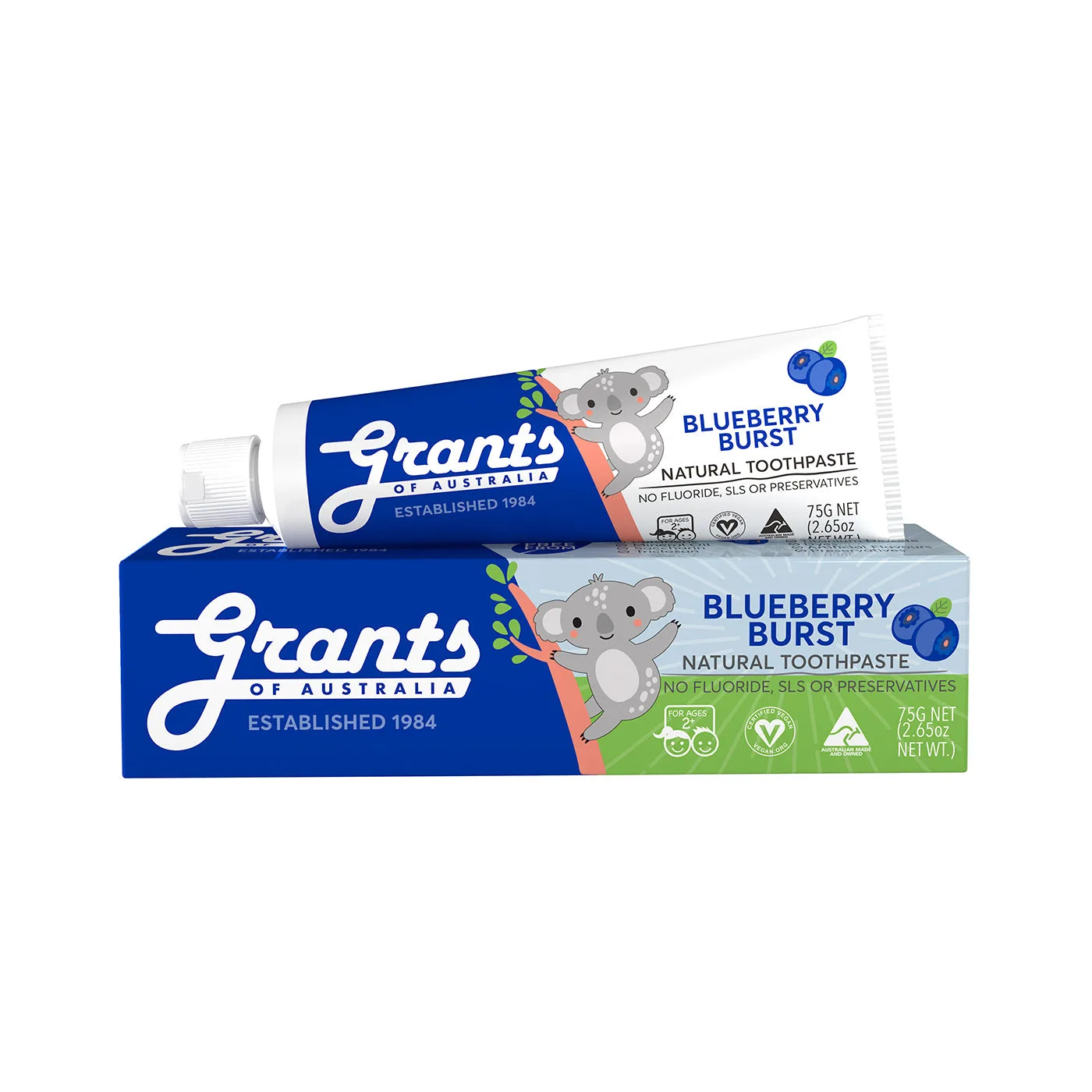
If you're looking to switch to natural oral care, you might be wondering how to incorporate both toothpaste and mouthwash. The great news is that many natural brands, including Grants of Australia, offer products that work well together. Start by choosing a natural toothpaste that suits your needs. For example, our Whitening Spearmint Natural Toothpaste is a popular choice for those who want a fresh, minty taste with whitening benefits. If you have kids, consider a gentle option like Blueberry Burst Kids Natural Toothpaste to make brushing fun.
For mouthwash, look for natural formulas that are alcohol-free and contain soothing ingredients. You can also create a simple DIY mouthwash with water, baking soda, and a drop of peppermint oil. But remember, mouthwash is not a replacement for brushing. Always brush twice a day and floss regularly, and use mouthwash as an extra step for fresh breath and extra cleanliness.
- Choose a natural toothpaste that addresses your specific needs.
- Incorporate an alcohol-free natural mouthwash for extra freshness.
- Stick to a consistent routine: brush, floss, and rinse.
Common Mistakes to Avoid
One common mistake is using mouthwash immediately after brushing, which can wash away the beneficial ingredients from your toothpaste. Another is relying solely on mouthwash instead of brushing or flossing. Mouthwash cannot remove plaque effectively on its own; it only helps kill bacteria and freshen breath. Additionally, some people use mouthwash as a substitute for flossing, but flossing is crucial for cleaning between teeth where a brush can't reach.
When using natural toothpaste, remember that it may not foam as much as conventional toothpaste because it lacks synthetic foaming agents. This is normal and doesn't mean it's not working. Be patient and give your mouth time to adjust to the new taste and texture. If you're switching from a strong mint toothpaste to a milder flavor, like our Mild Mint Natural Toothpaste, you might notice a difference initially, but most people adapt within a week.
- Don't rinse with water right after brushing; wait at least 30 minutes or use mouthwash instead.
- Don't skip flossing—mouthwash can't replace it.
- Natural toothpaste may foam less; that's okay.
Ultimately, the choice between toothpaste and mouthwash isn't either/or—it's about using both effectively in your routine. Start with a great natural toothpaste, add a mouthwash if you need extra freshness or protection, and always remember to floss. For a complete natural oral care experience, explore our range of Australian-made toothpastes, like the Complete Care Natural Toothpaste, and find the perfect fit for your smile.