Heading into the great outdoors for the first time is an exhilarating experience, but packing the right gear can feel overwhelming. As a beginner, you want items that are durable, functional, and easy to use—without breaking the bank. At Barebones, we believe that every adventure deserves beautiful, essential tools that last for seasons to come.
This guide walks you through the top 10 camping gear items every beginner should consider. From cooking over an open flame to keeping your campsite lit after dark, these picks will help you camp comfortably and confidently. Let’s dive in.
1. A Reliable Fire Pit or Grill
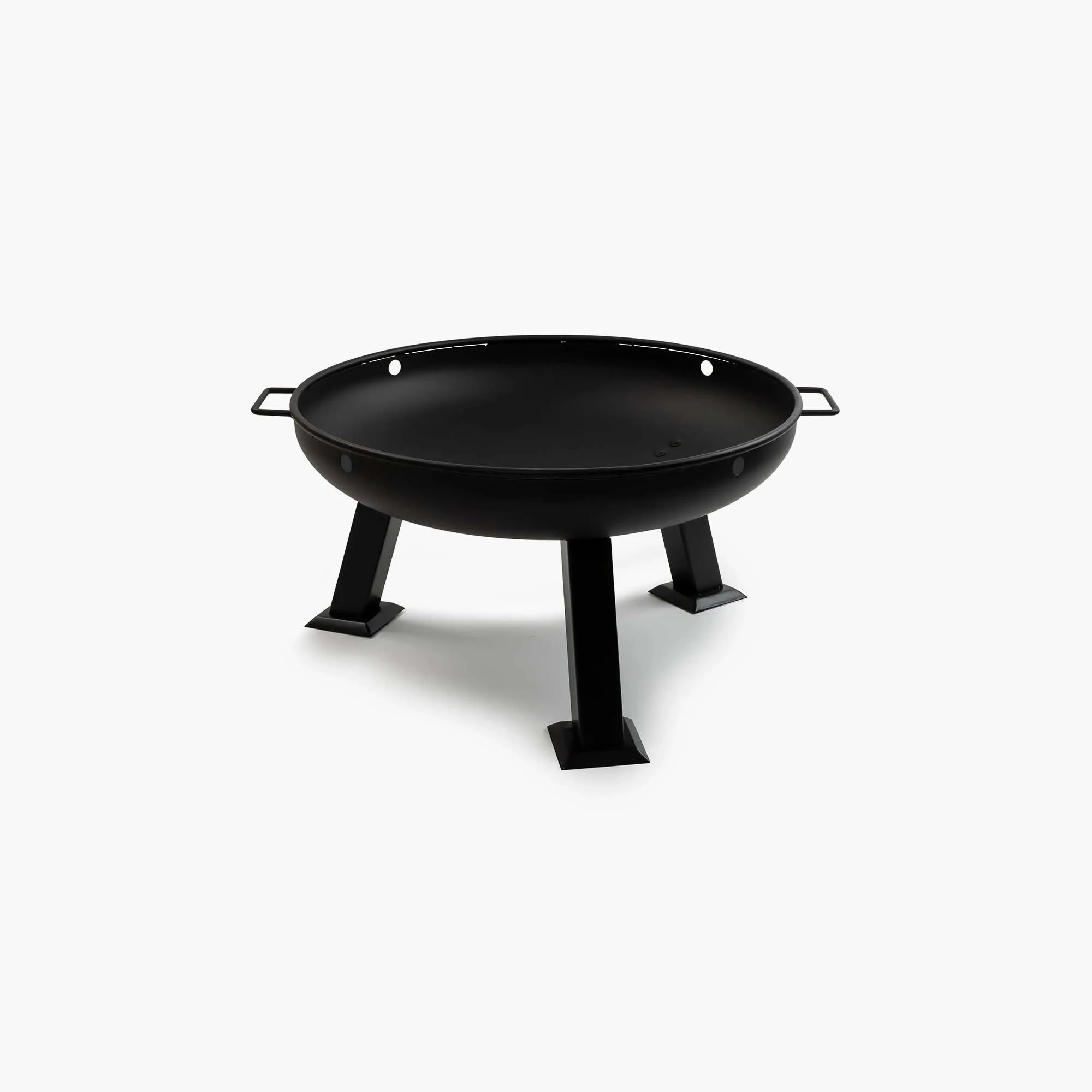
Fire Pit
Cooking and warmth are at the heart of any camping trip. A portable fire pit or grill gives you the flexibility to prepare meals and gather around a flame. The Cowboy Fire Pit Grill Side Table is a fantastic choice for beginners—it offers a sturdy surface for food prep and doubles as a side table for your cooking setup. Its compact design makes it easy to transport, and the durable steel construction ensures it withstands high heat and outdoor elements.
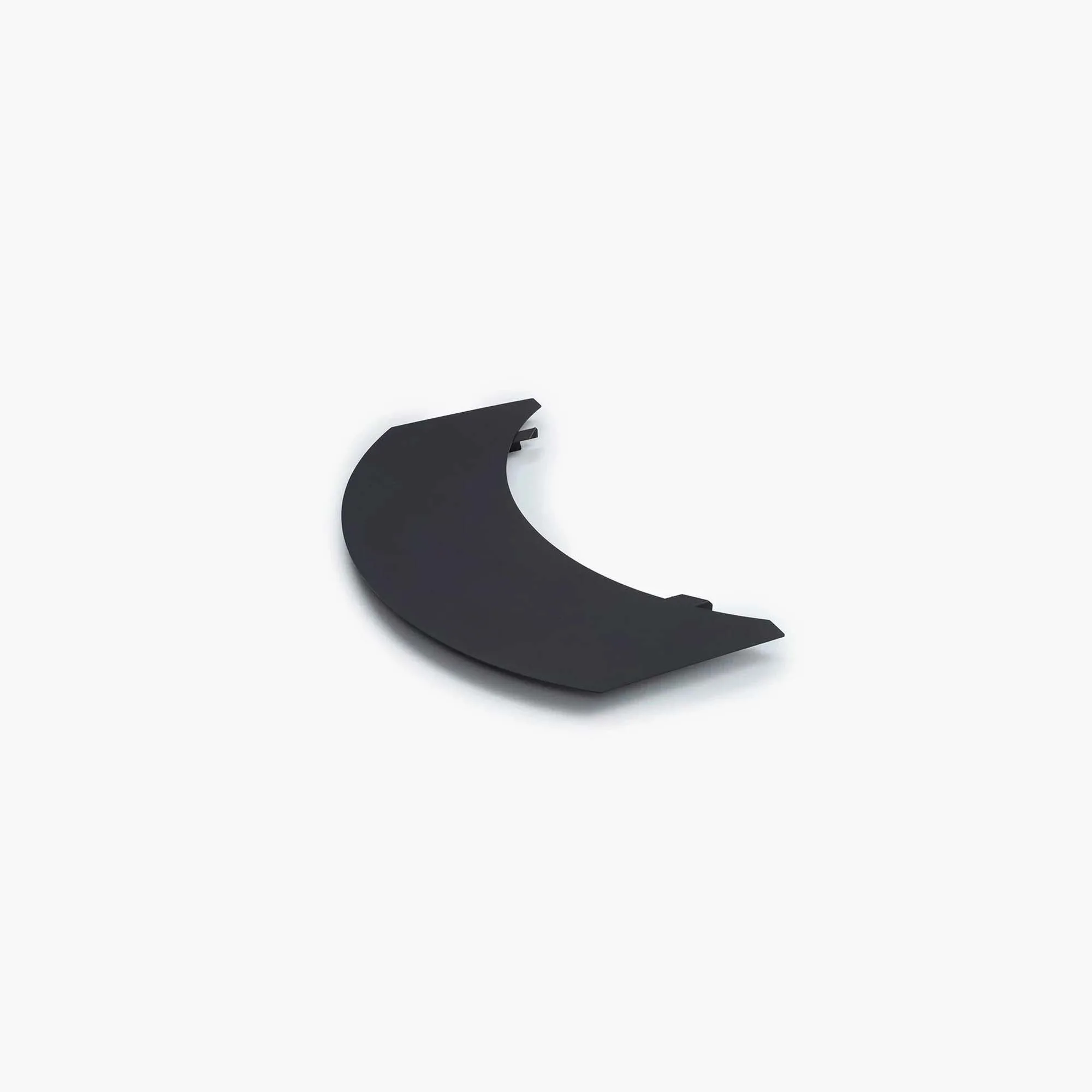
Cowboy Fire Pit Grill Side Table
If you prefer grilling, consider the Cowboy Grill Charcoal Tray. This accessory simplifies charcoal management and cleanup, letting you focus on cooking perfect burgers or veggies. Both items are built to last and add a rustic charm to your campsite.
- Look for fire pits with integrated side tables for extra workspace.
- Choose a grill that fits your cooking style—charcoal trays are great for beginners.
2. Essential Cookware and Dining Set
No camping trip is complete without the ability to cook and eat comfortably. A cast iron skillet is a versatile workhorse—perfect for frying eggs, searing meat, or baking over coals. The Cast Iron Skillet Griddle is an excellent option because it provides a large, flat cooking surface that works on campfires, grills, or stoves. It’s pre-seasoned and ready to use right out of the box.
For serving, a lightweight and durable dining set is key. The Rolled Enamelware Side Bowl Set is ideal for portioning sides, soups, or snacks. Enamelware is chip-resistant, easy to clean, and adds a vintage aesthetic to your table. Pair it with a Flatware Set for a complete dining experience that feels like home.
- Pack a cast iron skillet for heat retention and even cooking.
- Enamelware bowls are lightweight and stackable—perfect for backpacking.
3. Lighting for Nighttime Comfort
After sunset, reliable lighting transforms your campsite from dark and disorienting to cozy and functional. A lantern is a must-have for any camper. The Flameless Candle offers a safe, realistic flame effect without the risk of open fire. It’s perfect for inside your tent or on a picnic table, providing ambient light that won’t blow out in the wind. Battery-operated and long-lasting, it’s a beginner-friendly option.
For more robust illumination, consider a rechargeable LED lantern that can light up your entire cooking area. Look for models with adjustable brightness and a durable, water-resistant design. Good lighting also helps you avoid tripping over tent stakes or gear at night.
- Use flameless candles inside tents for safe, ambient lighting.
- Bring a headlamp as a backup for hands-free tasks like setting up camp.
4. Cutting and Food Prep Tools
Preparing ingredients at camp requires a sharp, reliable knife. The No. 7 Nakiri Knife is a Japanese-style vegetable knife that excels at slicing, dicing, and chopping. Its straight blade makes quick work of onions, peppers, and herbs—essential for campfire stir-fries or salads. The ergonomic handle provides a secure grip even when wet.
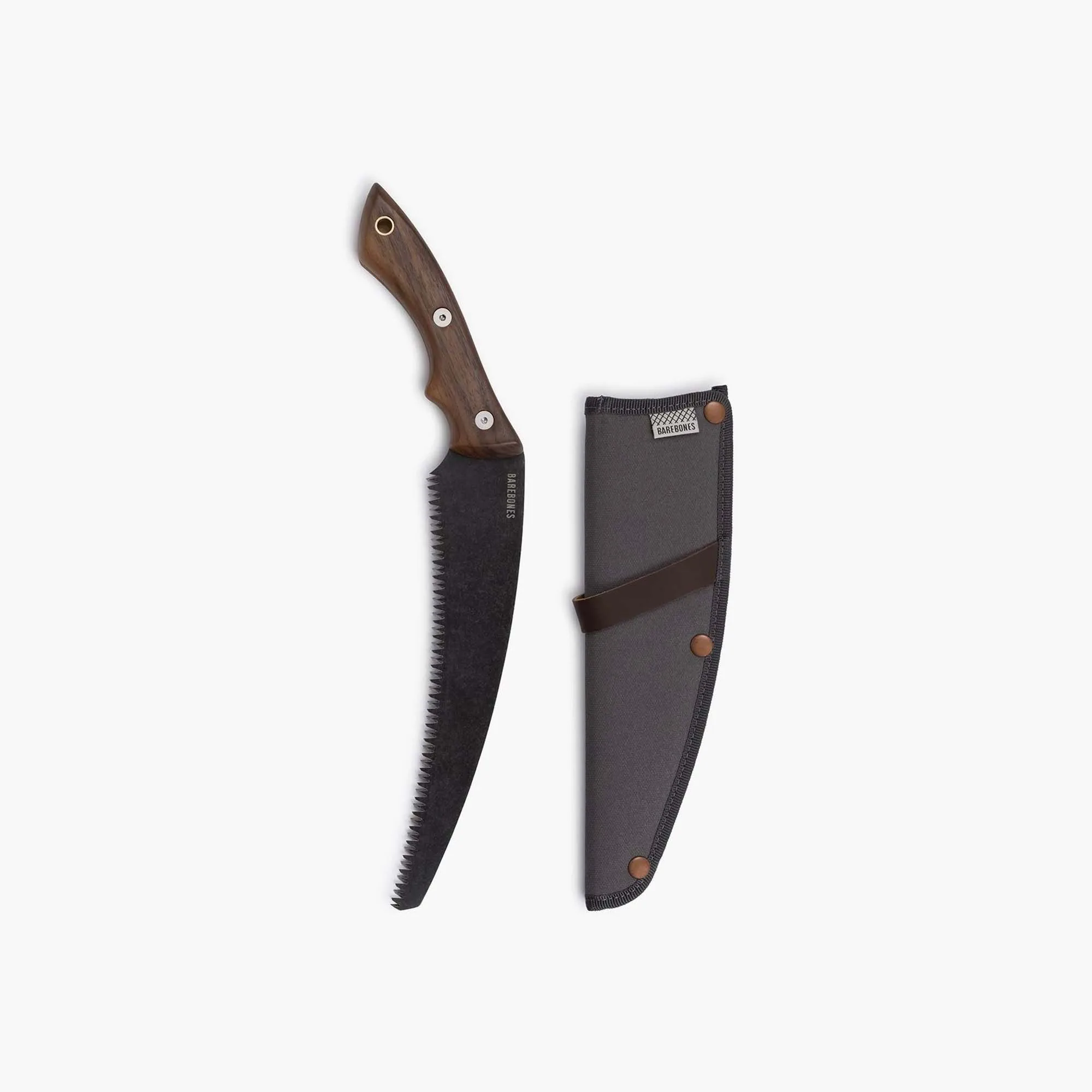
For outdoor maintenance, a quality saw is invaluable. The Timber Saw is designed for cutting branches and small logs, making it easier to gather firewood or clear a campsite. Its folding design ensures safe storage, and the hardened steel blade stays sharp through repeated use.
- A Nakiri knife is ideal for vegetable-heavy camp meals.
- A folding saw helps you process firewood safely and efficiently.
5. Storage and Organization
Keeping your gear organized is crucial for a stress-free camping trip. Durable tote bags and protective cases help you transport and store items without damage. Consider a spacious canvas tote for clothing, a cooler bag for perishables, and a small pouch for toiletries and first aid. Look for bags with reinforced stitching and water-resistant coatings.
For smaller tools and accessories, a zippered pouch or roll-up organizer keeps things tidy. This prevents you from losing matches, utensils, or repair kits. Investing in good storage now saves you time and frustration at the campsite.
- Use separate bags for cooking gear, clothing, and food to stay organized.
- Label your bags with tags or markers to avoid confusion in low light.
6. Comfort and Seating
After a day of hiking or setting up camp, you’ll want a comfortable place to sit. A lightweight camping chair with a cup holder and footrest can make all the difference. Look for chairs that pack down small but offer sturdy support. Some models even recline for napping under the stars.
If you prefer a more minimalist setup, a camp stool or hammock works well. Hammocks are especially great for relaxing between trees and can double as a lightweight sleeping option in warm weather. Don’t forget a ground tarp or mat to keep your seating area dry and clean.
- Test your chair for stability before your trip—unstable chairs can be dangerous.
- A hammock is a space-saving alternative to a full camping chair.
7. Fire Starting and Maintenance Tools
Starting a campfire can be tricky for beginners. Invest in reliable fire starters—waterproof matches, a ferro rod, or a butane lighter are all good options. Also pack a small fire starter block or cotton balls soaked in petroleum jelly to catch sparks easily. Practice building a teepee or log cabin fire structure before you head out.
For maintaining your fire, a pair of heat-resistant gloves and a long-handled poker are essential. The Artisan Pruning & Trimming Shears can double as a tool for cutting small kindling or trimming branches around your fire pit. These shears are built with hardened steel blades and comfortable grips, making them a versatile addition to your kit.
- Always carry at least two fire-starting methods as backup.
- Use pruning shears to safely cut small branches for kindling.
8. Hydration and Water Storage
Staying hydrated is non-negotiable. Carry a reusable water bottle or hydration bladder with a capacity of at least one liter per person per day. For longer trips, a portable water filter or purification tablets allow you to safely drink from streams or lakes. Collapsible water containers are great for storing extra water at your campsite.
A wide-mouth bottle is easier to clean and fill. Insulated bottles keep water cool in hot weather and prevent freezing in cold conditions. Remember to mark your bottle so you don’t accidentally share germs with others.
- Bring at least two liters of water per person per day.
- Use a water filter if you plan to rely on natural water sources.
9. First Aid and Safety Kit
Accidents happen, even on well-planned trips. A compact first aid kit should include bandages, antiseptic wipes, tweezers, pain relievers, blister pads, and any personal medications. Also pack a multi-tool, a whistle, and a small fire extinguisher or fire blanket for emergencies.
Consider taking a basic wilderness first aid course before your first trip. Knowing how to treat cuts, sprains, and burns can make a huge difference. Store your kit in a waterproof bag and keep it easily accessible—not buried at the bottom of your pack.
- Check your first aid kit before each trip and replace expired items.
- Learn how to use every item in your kit—don’t just pack it.
10. Navigation and Communication
Getting lost is a real risk, especially in unfamiliar terrain. Always carry a map of the area and a compass, and know how to use them. A GPS device or smartphone with offline maps is a helpful backup, but don’t rely solely on electronics—batteries die and signals fail.
A portable power bank can keep your phone charged for emergencies. For remote trips, consider a satellite messenger or personal locator beacon. These devices allow you to send SOS signals even where cell service doesn’t exist. Practice using your navigation tools before you need them.
- Download offline maps of your campsite area before you leave.
- Tell someone your itinerary and expected return time.
Building your camping gear collection doesn’t have to be complicated. Start with these ten essentials, and you’ll be well-prepared for a safe, comfortable, and memorable outdoor adventure. For durable, beautifully designed tools that elevate every trip, explore the Cowboy Fire Pit Grill Side Table—a versatile piece that combines cooking, prep space, and warmth in one compact package. Happy camping!