Skincare is full of advice, but not all of it is accurate. From old wives' tales to viral trends, many myths can lead to wasted money or even skin damage. Dermatologists have seen it all, and they're here to set the record straight. In this article, we debunk the top 10 skincare myths with science-backed facts, helping you build a routine that truly works.
Whether you're dealing with acne, dryness, or signs of aging, understanding what's real and what's not is the first step to healthier skin. We'll also highlight effective products like the Liposomal Retinol Moisturizer and the Ultimate Brightening Peeling Gel that align with dermatologist recommendations.
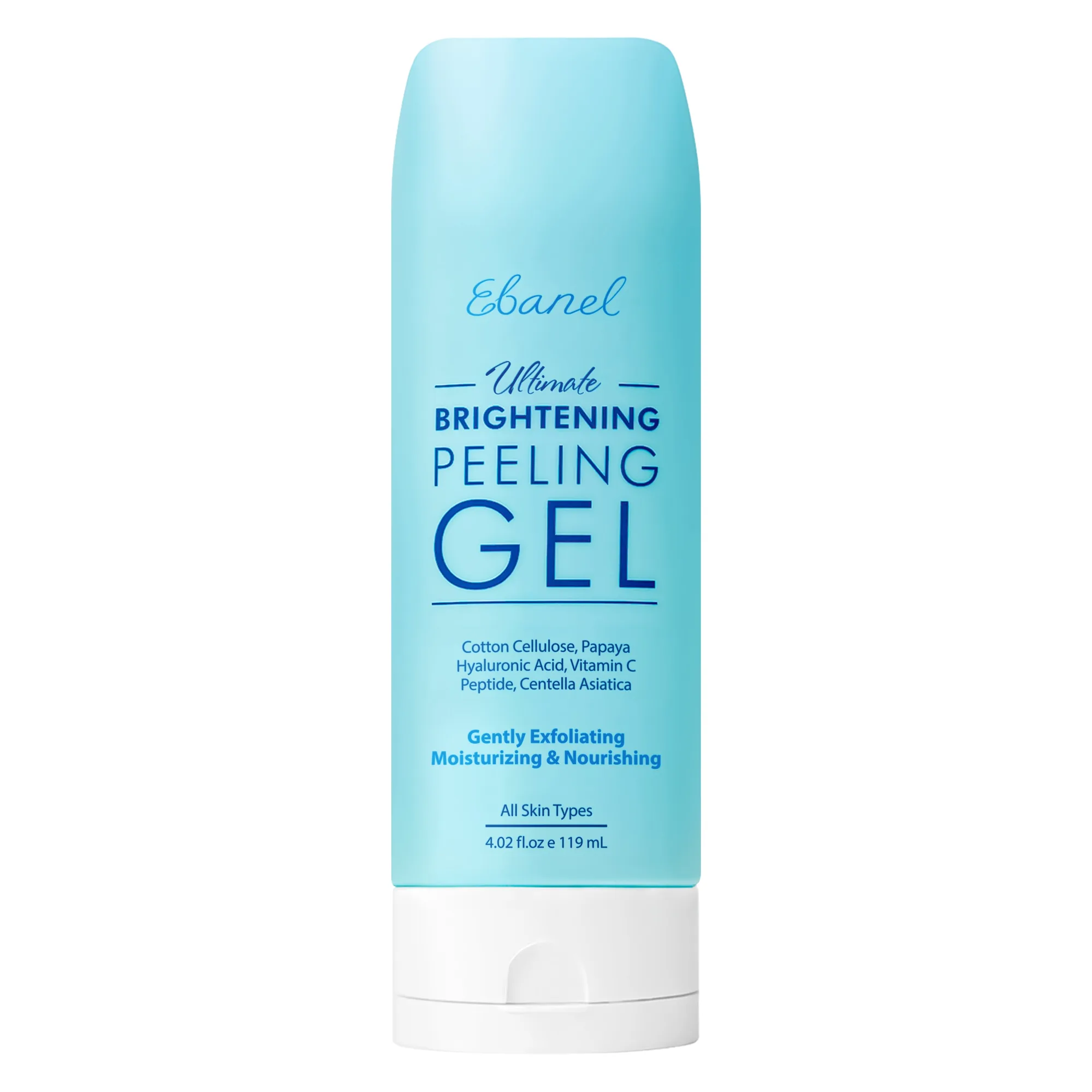
Ultimate Brightening Peeling Gel
Myth 1: Oily Skin Doesn't Need Moisturizer
Many people with oily skin skip moisturizer, thinking it will make their skin greasier. Dermatologists explain that this is a mistake. When you strip your skin of moisture, it can overproduce oil to compensate, leading to more breakouts. A lightweight, non-comedogenic moisturizer helps balance oil production and keeps the skin barrier healthy.
Look for ingredients like hyaluronic acid or glycerin that hydrate without clogging pores. For those with oily or combination skin, a gel-based moisturizer is often ideal. Consistent hydration can actually reduce oiliness over time.
- Choose oil-free, non-comedogenic moisturizers to avoid clogging pores.
- Hydrating the skin helps regulate oil production, not increase it.
Myth 2: You Don't Need Sunscreen on Cloudy Days
UV rays penetrate clouds and even windows, so sunscreen is essential every day, regardless of weather. Up to 80% of UV rays can reach your skin on overcast days. Dermatologists recommend a broad-spectrum SPF of at least 30, applied daily as the last step in your morning routine.
Sunscreen prevents premature aging, dark spots, and skin cancer. It also enhances the effectiveness of other products like retinol and vitamin C serums. Make it a non-negotiable habit, even when indoors near windows.
- Apply sunscreen every morning, even if you stay indoors.
- Reapply every two hours when outdoors or after sweating.
Myth 3: Expensive Products Are Always Better
Price doesn't always reflect quality. Many affordable skincare products contain the same active ingredients as luxury brands. Dermatologists advise focusing on ingredients and formulation rather than the price tag. For example, retinol is effective at various price points as long as it's properly stabilized.
The Liposomal Retinol Moisturizer offers advanced delivery technology at an accessible price, making it a smart choice for anti-aging. Always check the ingredient list and look for clinical studies rather than marketing hype.
- Read ingredient labels to identify key actives like retinol, vitamin C, or niacinamide.
- Affordable products can be just as effective as high-end ones.
Myth 4: Popping Pimples Makes Them Heal Faster
Popping a pimple can push bacteria deeper into the skin, causing more inflammation, scarring, and even infection. Dermatologists strongly advise against it. Instead, use targeted treatments like salicylic acid or benzoyl peroxide to reduce swelling and kill bacteria.
For stubborn breakouts, consider a professional extraction or a spot treatment. Patience is key—most pimples heal within a few days without intervention. If you're prone to acne, a consistent routine with gentle exfoliation can prevent future breakouts.
- Apply a warm compress to reduce inflammation without popping.
- Use acne patches or spot treatments to speed healing safely.
Myth 5: Natural Ingredients Are Always Safe
Natural doesn't automatically mean safe. Poison ivy is natural, but you wouldn't put it on your skin. Some natural ingredients can cause allergic reactions, irritation, or photosensitivity. Dermatologists recommend patch testing any new product, natural or synthetic, before full use.
Synthetic ingredients are often more stable and rigorously tested for safety. The key is to choose products with proven efficacy and minimal irritants. Always research ingredients and consult a dermatologist if you have sensitive skin.
- Patch test new products on a small area of skin for 24-48 hours.
- Look for products with clinical testing and dermatologist approval.
Myth 6: Exfoliating Every Day Is Good for Your Skin
Over-exfoliating can damage the skin barrier, leading to redness, dryness, and increased sensitivity. Dermatologists recommend exfoliating 1-3 times per week, depending on your skin type and the product's strength. Gentle exfoliants like the Ultimate Brightening Peeling Gel remove dead skin cells without harsh scrubbing.
Listen to your skin—if it feels tight or irritated, reduce frequency. Chemical exfoliants like AHAs and BHAs are often gentler than physical scrubs. A balanced routine includes hydration and barrier repair after exfoliation.
- Start with once a week and increase gradually if tolerated.
- Avoid combining multiple exfoliating products in one routine.
Myth 7: You Can Shrink Your Pores Permanently
Pores don't have muscles, so they can't open or close. However, you can minimize their appearance by keeping them clear of debris and oil. Dermatologists recommend using salicylic acid or retinoids to unclog pores and improve skin texture. Consistent use of these ingredients can make pores look smaller over time.
Treatments like niacinamide and clay masks also help refine pore size. Remember, genetics play a role, but a good routine can make a visible difference. Avoid pore strips that can stretch the skin.
- Use a gentle cleanser with salicylic acid to keep pores clear.
- Retinoids like retinol help improve skin cell turnover and pore appearance.
Myth 8: Anti-Aging Products Work Overnight
Skin regeneration takes time—usually 4 to 12 weeks to see noticeable results from anti-aging products. Ingredients like retinol and vitamin C work gradually to boost collagen and reduce fine lines. Patience and consistency are crucial. Dermatologists caution against products that promise instant results, as they may contain irritants or temporary fillers.
The Liposomal Retinol Moisturizer is formulated for gradual, effective results with minimal irritation. Stick with a routine for at least two months before evaluating its effectiveness.
- Give any new anti-aging product at least 8 weeks to show results.
- Combine with sunscreen to protect collagen and maximize benefits.
Myth 9: Drinking Water Directly Hydrates Your Skin
While staying hydrated is important for overall health, drinking water alone won't plump your skin. Skin hydration comes from topical moisturizers that lock in water and strengthen the barrier. Dermatologists emphasize that drinking water supports internal organs but doesn't replace the need for a good moisturizer.
Use humectants like hyaluronic acid and occlusives like shea butter to keep skin hydrated. A balanced diet with healthy fats also supports skin health. Don't skip your moisturizer even if you drink plenty of water.
- Apply moisturizer to damp skin to enhance absorption.
- Use a humidifier in dry environments to support skin hydration.
Myth 10: You Only Need to Wash Your Face Once a Day
Most dermatologists recommend washing your face twice daily—once in the morning to remove overnight buildup and once at night to remove makeup, sunscreen, and pollutants. Skipping the evening cleanse can lead to clogged pores and breakouts. Use a gentle cleanser suited to your skin type.
Double cleansing at night (oil-based then water-based) is especially effective for removing sunscreen and makeup. A clean canvas allows other products to penetrate better. Consistency in cleansing is key to a healthy complexion.
- Always remove makeup before bed to prevent irritation.
- Follow cleansing with a toner or essence to balance pH.
Armed with these dermatologist-backed facts, you can confidently refine your skincare routine and avoid common pitfalls. For a science-driven approach to anti-aging, try the Liposomal Retinol Moisturizer, which combines advanced delivery with gentle effectiveness. Explore our full range of dermatologist-approved products to build a routine that truly works for your skin.