Every parent wants their child to be safe in the car, but even the most careful caregivers can unknowingly make errors that compromise car seat safety. From incorrect installation to premature transitions, these mistakes are surprisingly common and can have serious consequences. Understanding the most frequent pitfalls is the first step toward protecting your little one.
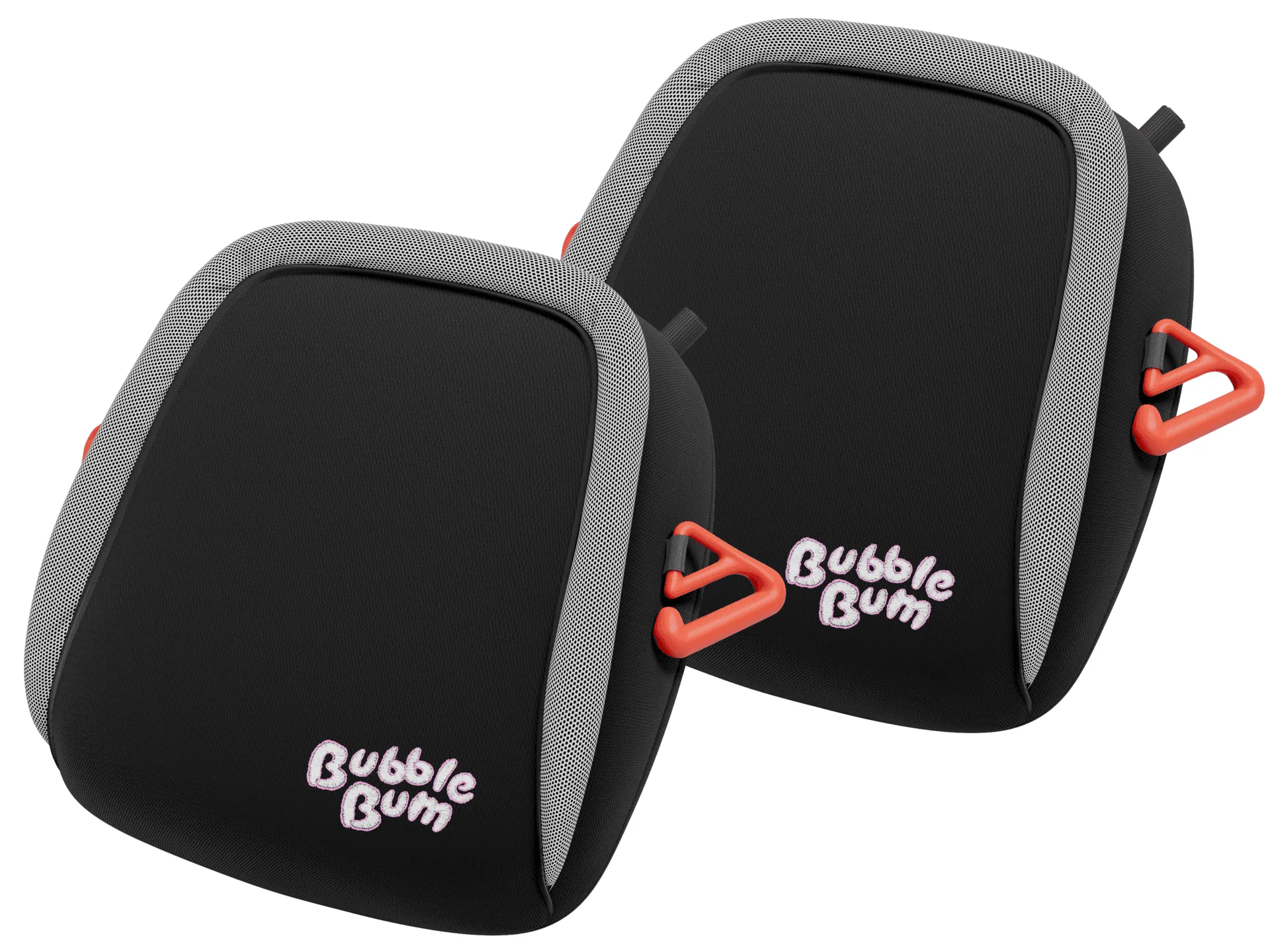
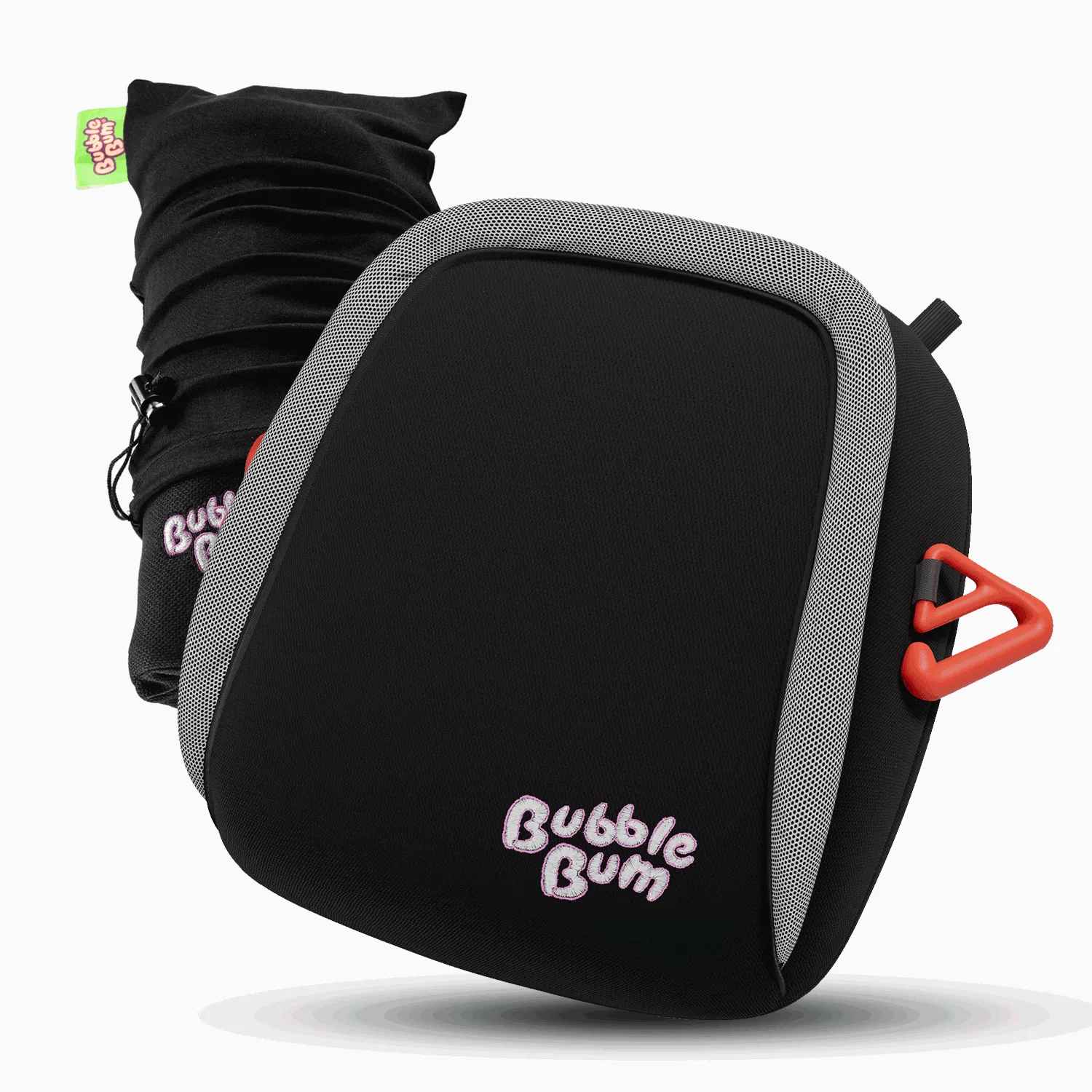
In this article, we break down the top five car seat safety mistakes parents make and provide clear, actionable advice on how to avoid them. Whether you’re using a traditional booster or a portable option like the BubbleBum Inflatable Travel Booster Seat for Kids (Ages 4–11) Portable Car Booster for Taxis, Rentals & Travel, these tips will help ensure your child rides safely every time.
Mistake #1: Incorrect Installation of the Car Seat
One of the most common car seat safety mistakes is improper installation. Studies show that nearly half of all car seats are installed incorrectly, leading to reduced protection in a crash. Common errors include not tightening the seat belt enough, using the wrong belt path, or failing to lock the seat belt. Even a small amount of movement—more than one inch side-to-side or front-to-back—can be dangerous.
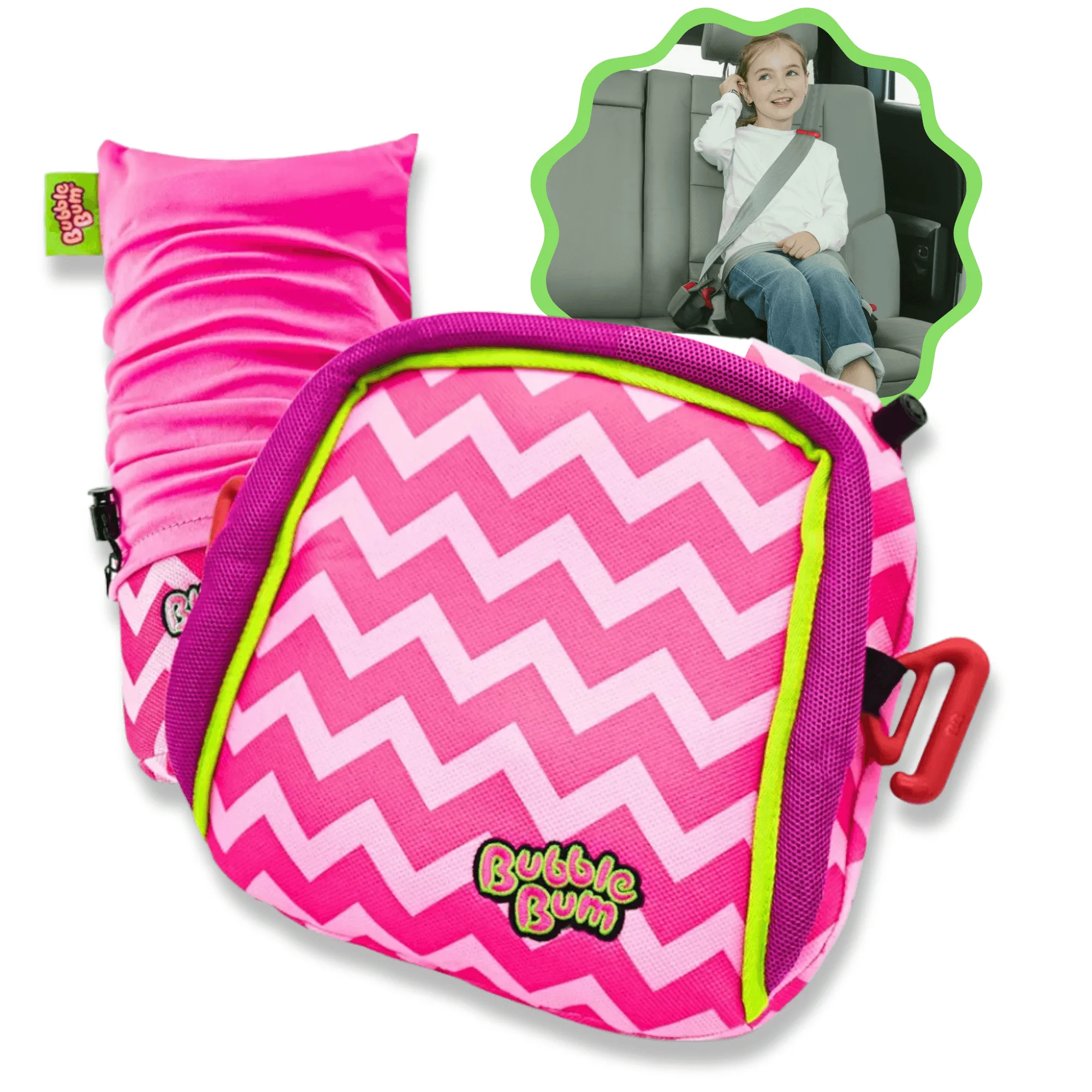
To avoid this, always read your car seat manual and your vehicle’s owner manual. Use the LATCH system if available, and check for a tight fit. For inflatable boosters like the BubbleBum Inflatable Car Booster Seat - Travel Booster Seat - Pink Style, ensure the seat is properly inflated and the vehicle seat belt fits snugly across your child’s lap and shoulder. Practice installing the seat at home before your first trip.
- Always check for less than one inch of movement at the belt path.
- Use a locking clip if your seat belt doesn’t lock automatically.
Mistake #2: Transitioning to the Next Stage Too Early
Many parents are eager to move their child from a rear-facing seat to a forward-facing one, or from a harnessed seat to a booster, but doing so too early is a major safety error. Rear-facing seats provide superior head, neck, and spine protection for toddlers, and booster seats require a minimum age and weight to work effectively. Rushing these transitions can put your child at greater risk.
The general rule is to keep your child rear-facing until at least age two, and in a harnessed seat until they exceed the weight or height limit. For booster seats, children should typically be at least four years old and weigh 40 pounds. When you do transition, choose a seat that fits your child’s size and your vehicle. The BubbleBum Inflatable Travel Booster Seat for Kids (Ages 4–11) is ideal for older children who are ready for a booster, especially for travel.
- Check your car seat’s height and weight limits before transitioning.
- Keep your child in the current stage as long as they fit comfortably.
Mistake #3: Loose Harness Straps or Twisted Belts
A harness that is too loose is one of the most dangerous car seat safety mistakes. If you can pinch the strap material at your child’s shoulder, the harness is too loose. Similarly, twisted or tangled straps can reduce the effectiveness of the restraint in a crash. Children often wiggle or push straps down, so regular checks are essential.
Tighten the harness so it lies flat against your child’s chest, with the chest clip at armpit level. For booster seats, ensure the vehicle seat belt lies flat across the lap and shoulder, never behind the back or under the arm. A quick check before every ride can prevent serious injury.
- Perform the pinch test: if you can pinch the strap, it’s too loose.
- Untwist any twisted straps before buckling your child in.
Mistake #4: Using Bulky Clothing or Aftermarket Accessories
Winter coats, snowsuits, and thick fleece jackets can compress in a crash, creating dangerous slack in the harness. Many parents also add aftermarket accessories like strap covers, head supports, or toys that are not crash-tested. These items interfere with the proper fit of the car seat and can reduce its effectiveness.
Instead, dress your child in thin, snug layers and place a blanket over the harness after buckling. Avoid any product not included with the car seat or approved by the manufacturer. For example, using a Memory Foam Travel Neck Pillow might seem comfortable, but it should never be placed between your child and the harness. Stick to safe, certified accessories.
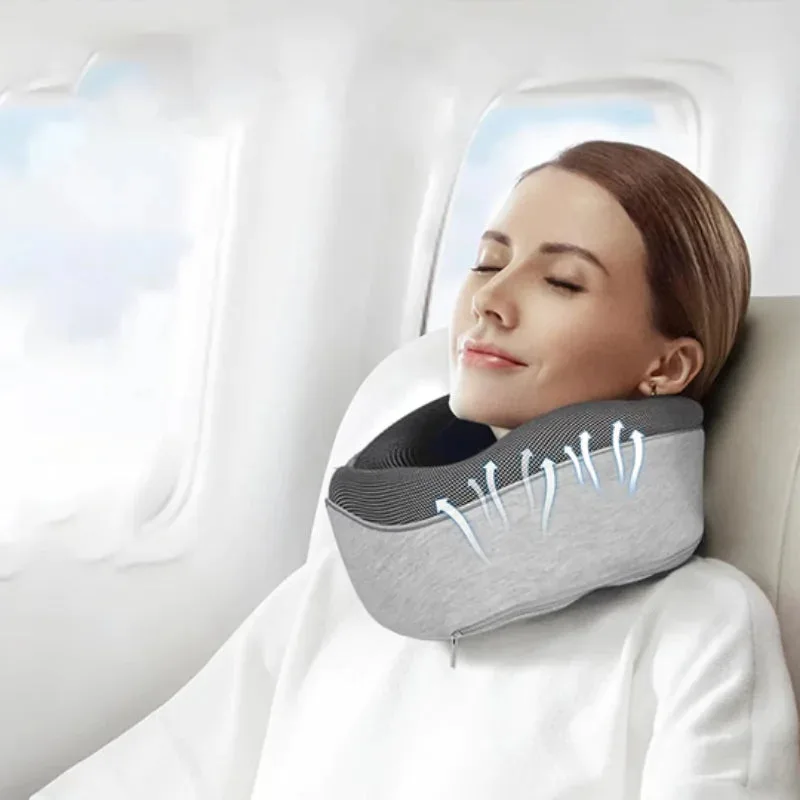
Memory Foam Travel Neck Pillow
- Dress your child in thin layers and add a blanket on top.
- Only use accessories that came with the car seat or are crash-tested.
Mistake #5: Forgetting to Adjust the Seat as Your Child Grows
Children grow quickly, and a car seat that fit perfectly a few months ago may no longer be safe. Common oversights include failing to raise the headrest, adjust the harness height, or move the booster seat to a different position. A seat that is too small or too large can compromise protection.
Check your child’s fit regularly. For booster seats, the lap belt should lie low across the hips (not the stomach), and the shoulder belt should cross the center of the shoulder. If your child’s ears reach the top of the booster’s back or headrest, it’s time for an upgrade. The BubbleBum Inflatable Car Booster Seat - Travel Car Seat - Pink is a great choice for growing kids, offering adjustability and portability.
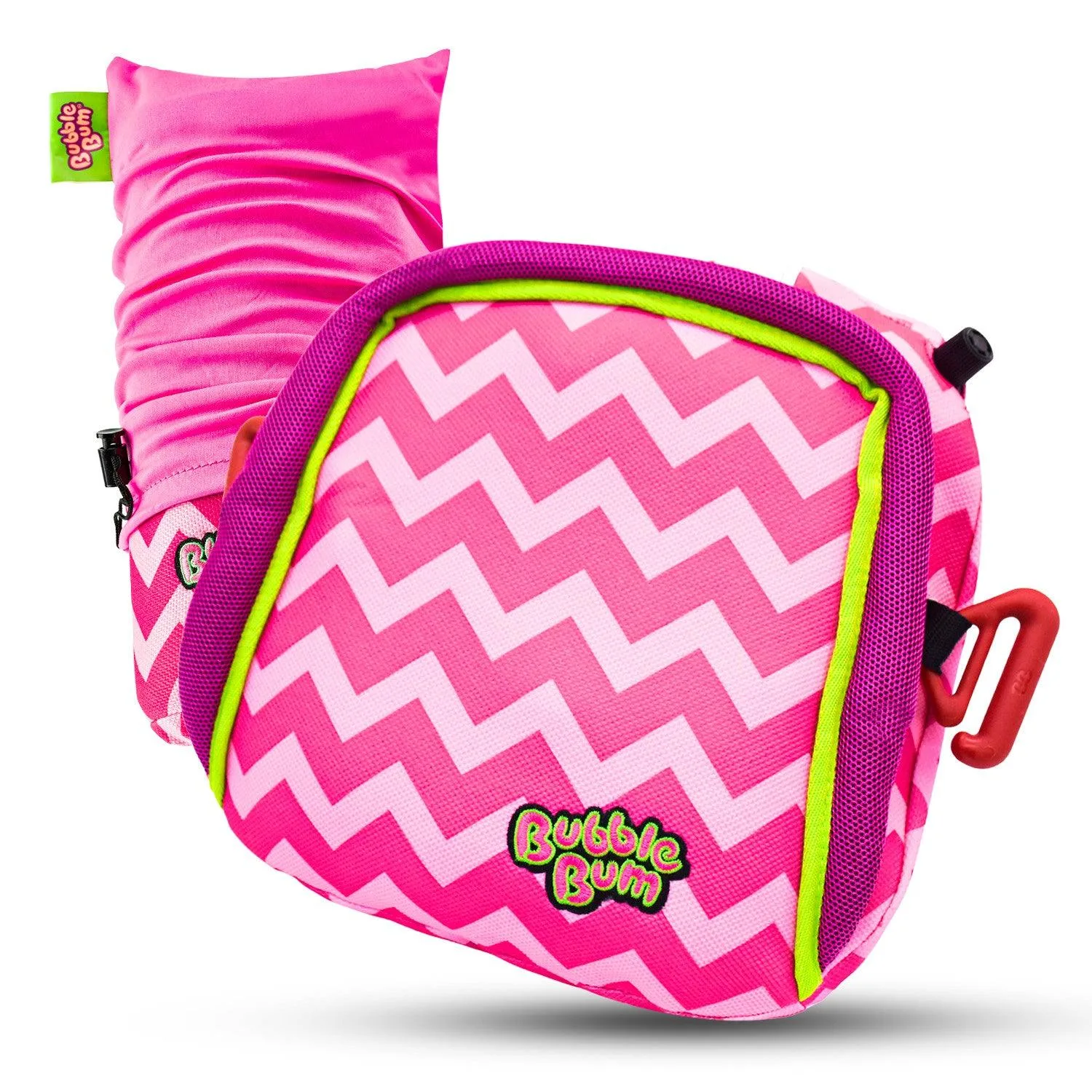
BubbleBum Inflatable Car Booster Seat - Travel Car Seat - Pink
- Adjust the harness height so straps are at or just below your child’s shoulders.
- Replace any car seat that has been in a moderate or severe crash.
Avoiding these common car seat safety mistakes can make a huge difference in your child’s protection on the road. By taking a few extra minutes to install correctly, transition at the right time, and check fit regularly, you’ll give your little one the safest ride possible. Explore the BubbleBum Inflatable Car Booster Seat - Travel Car Seat - Pink to find a reliable, portable booster that grows with your child and makes travel safer and easier.