Choosing the right dog leash is more than a matter of style—it's a key factor in your dog's safety, comfort, and control during walks. Small breeds and large breeds have very different needs when it comes to leash design, width, length, and material. A leash that works perfectly for a Chihuahua might be uncomfortable or even unsafe for a Great Dane, and vice versa.
In this guide, we break down the top five leash styles and explain which ones suit small dogs best and which are ideal for large breeds. We'll also share practical tips on leash size, material, and handling so you can make an informed choice for your furry friend. Whether you're looking for a lightweight everyday leash or a heavy-duty training tool, understanding breed-specific requirements will help you find the perfect match.
1. Standard Flat Leashes: Versatile but Not One-Size-Fits-All
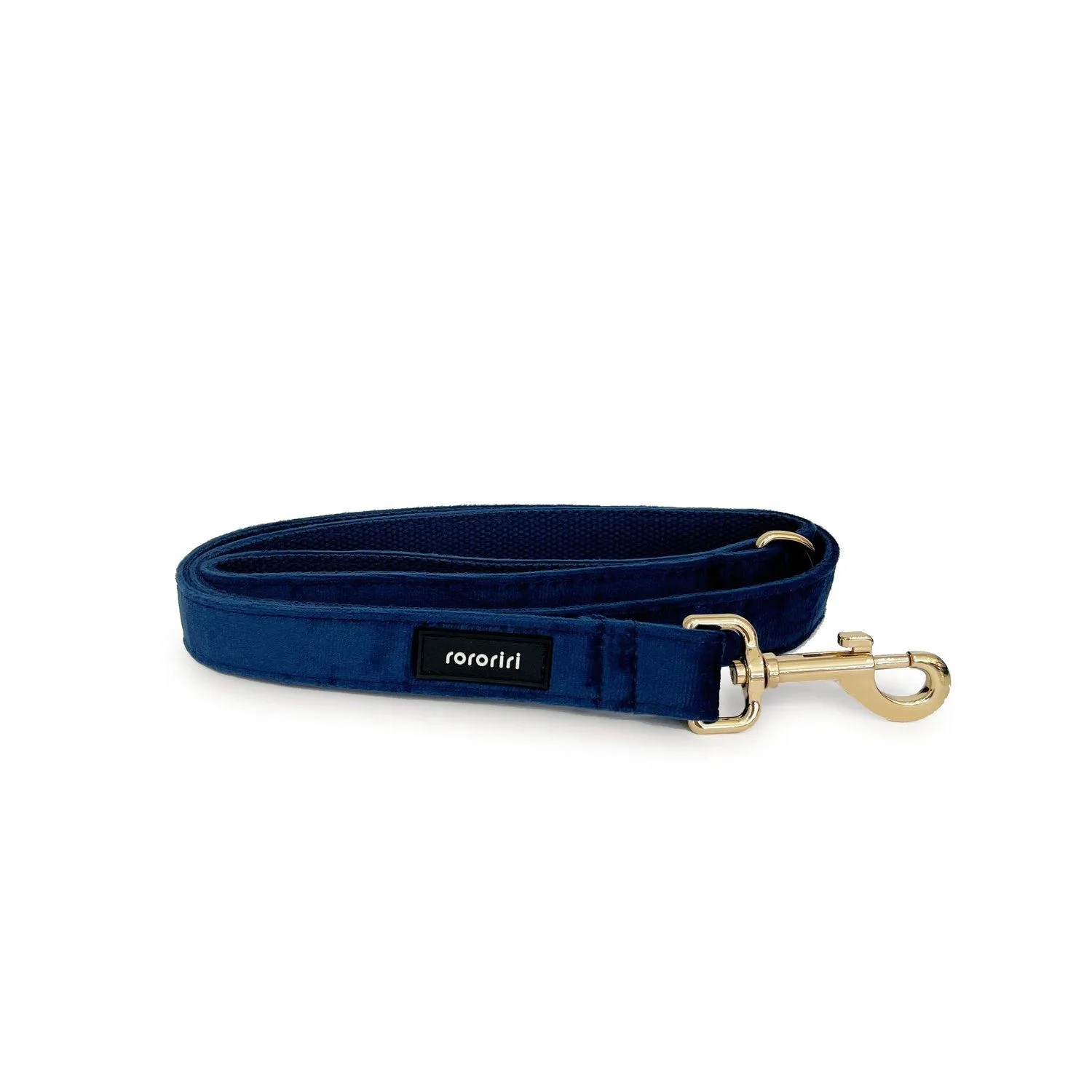
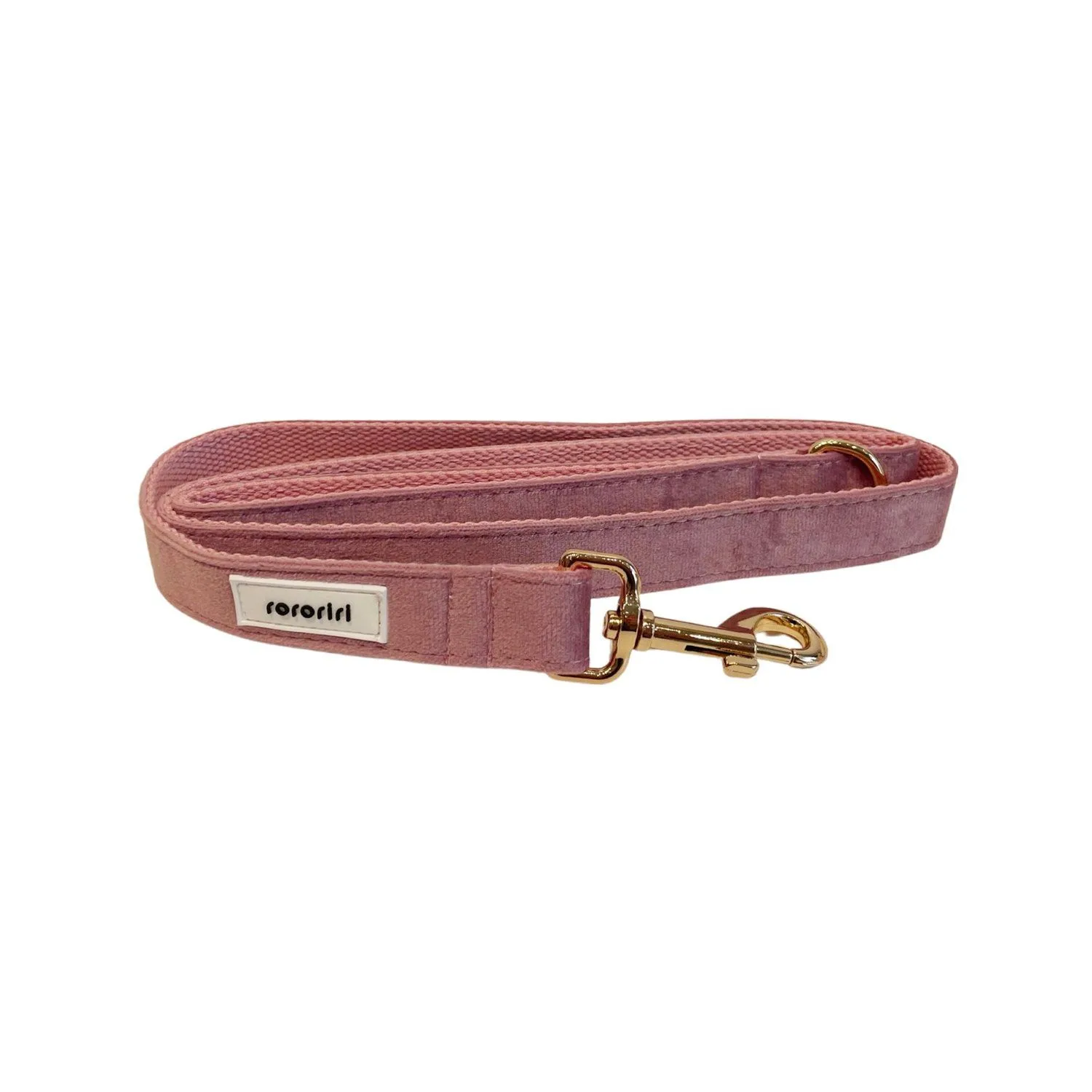
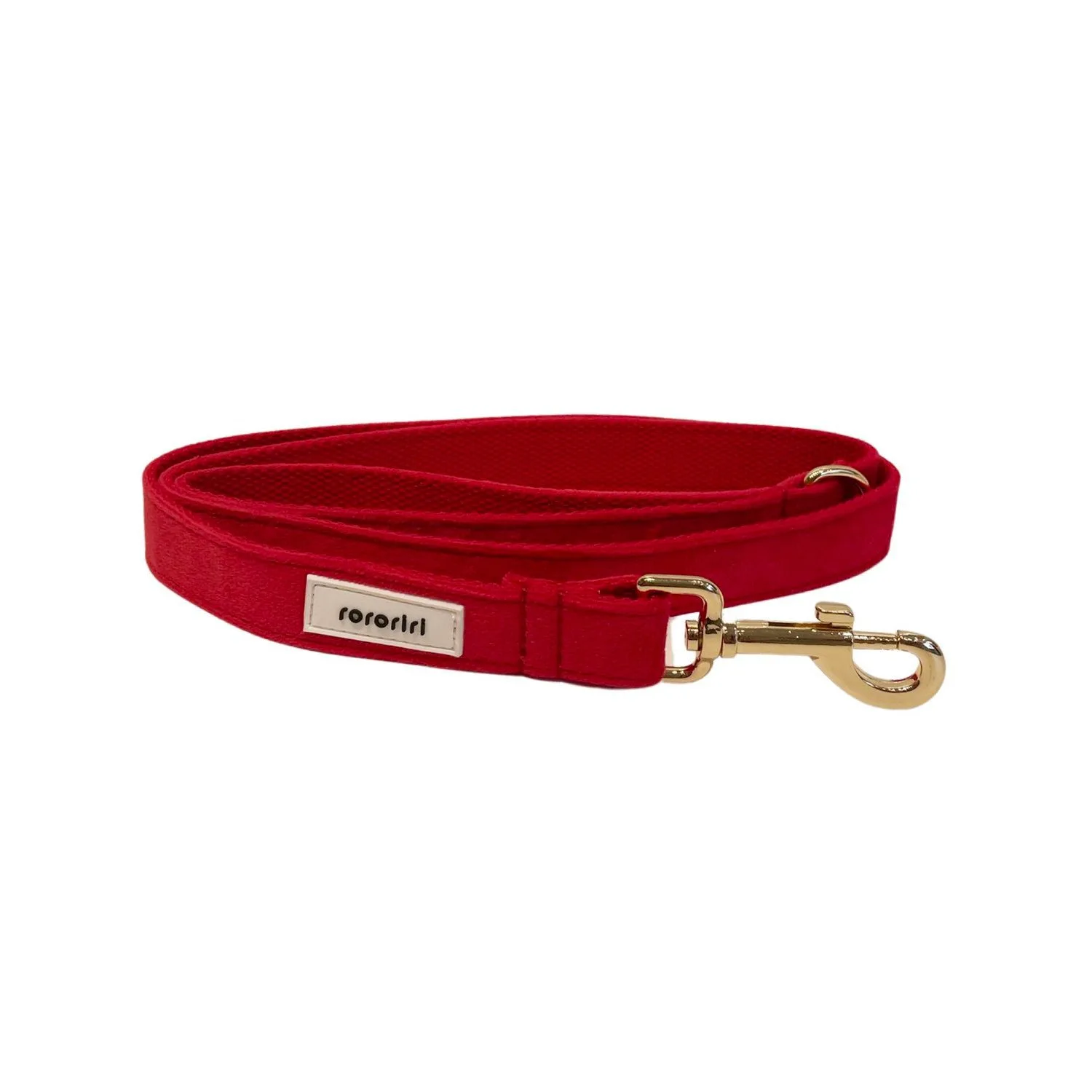
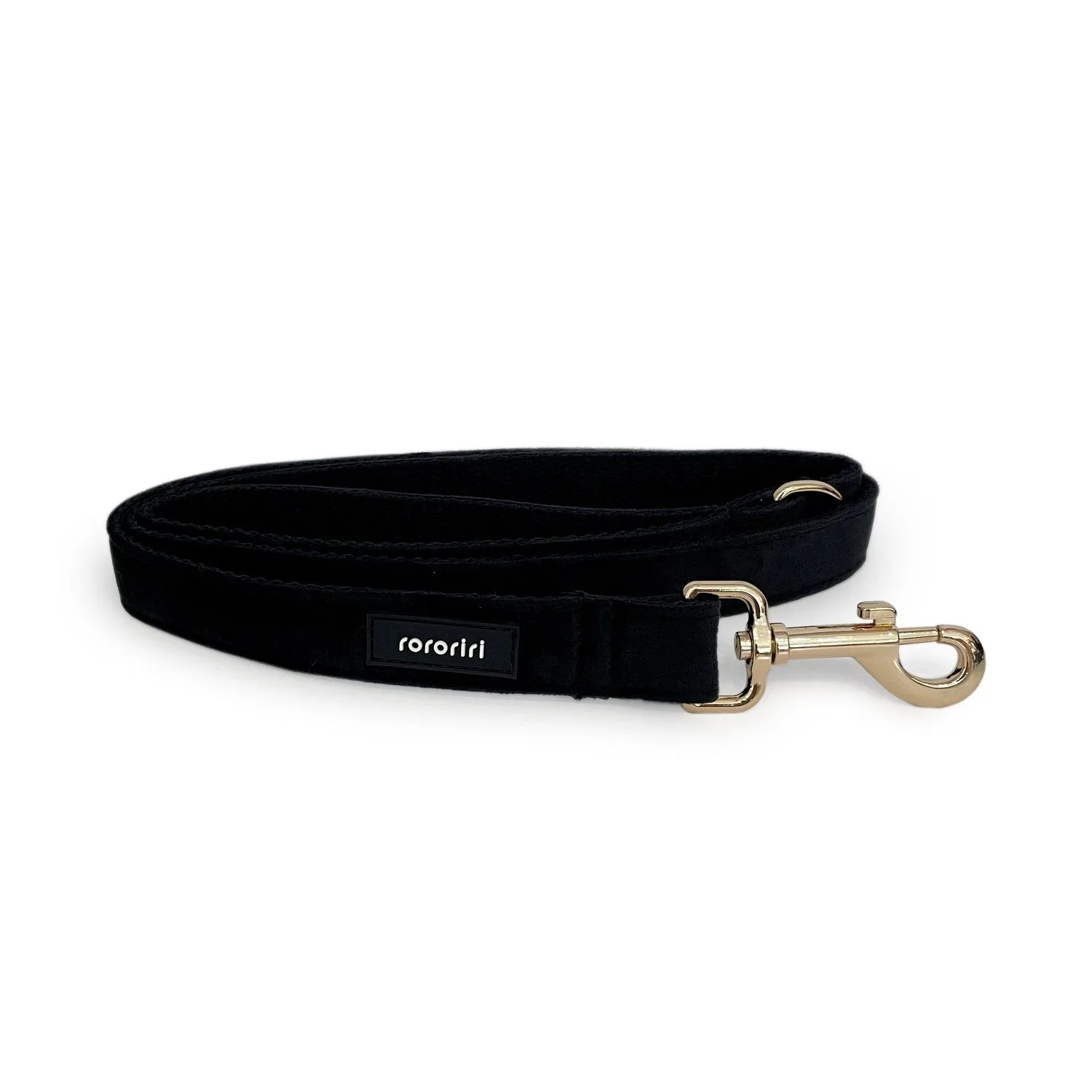
Standard flat leashes are the most common type, usually made from nylon, leather, or polyester. They come in widths ranging from 3/8 inch for tiny breeds to 1 inch or more for large dogs. For small breeds like Yorkies or Pomeranians, a narrow 3/8-inch leash is lightweight and easy to handle, preventing neck strain. For large breeds like Labradors or German Shepherds, a wider 1-inch leash distributes pulling force more evenly, offering better control and comfort for both dog and owner.
When choosing a flat leash, consider the clasp hardware. Small dogs often do well with lighter clips, while large breeds need sturdy, rust-resistant metal clasps. A flat leash is a great everyday choice, but you may want to pair it with a harness for small breeds to protect their delicate tracheas.
- Tip: For small breeds, choose a leash width of 3/8 to 1/2 inch. For large breeds, opt for 3/4 to 1 inch.
2. Retractable Leashes: Convenience vs. Control
Retractable leashes offer your dog more freedom to roam while still keeping them attached. They are popular for small breeds that enjoy sniffing and exploring in open areas. However, the thin cord on many retractable leashes can cause friction burns or tangles, and the locking mechanism may not hold up to the strength of a large, determined dog. For large breeds, retractable leashes are generally not recommended because they can encourage pulling and reduce your ability to maintain control in an emergency.
If you do use a retractable leash for a small breed, look for one with a wide tape (not a thin cord) and a reliable brake. Always supervise your dog closely, and never use a retractable leash in crowded or high-traffic areas. For large breeds, a fixed-length leash is a safer and more reliable choice.
- Tip: Reserve retractable leashes for small, well-trained dogs in low-risk environments.
3. Martingale Leashes: Safety for Escape Artists
Martingale leashes combine a flat leash with a limited-slip loop that tightens gently when your dog pulls, preventing them from backing out of their collar. This design is especially useful for small breeds with narrow heads, like Whippets or Italian Greyhounds, who can easily slip out of standard collars. For large breeds, martingale leashes provide extra security during training or walks in busy areas.
The martingale loop should be adjusted so it tightens only enough to prevent escape, not to choke. Many martingale leashes come with a secondary attachment point for a harness, adding an extra layer of safety. This style is a favorite among owners of both small and large breeds who want peace of mind without harsh corrections.
- Tip: Look for a martingale leash with a padded handle for large breeds to reduce hand fatigue.
4. Hands-Free Leashes: Perfect for Active Owners
Hands-free leashes are designed to be worn around your waist or across your body, leaving your hands free for jogging, hiking, or carrying items. They are excellent for small breeds that can keep up with a brisk pace, as well as for large breeds that need consistent guidance during runs. The length typically ranges from 4 to 6 feet, allowing your dog to move naturally without tangling.
For small breeds, choose a lightweight, adjustable hands-free leash with a comfortable belt. For large breeds, look for a heavy-duty version with a shock-absorbing bungee section to reduce pulling impact. Hands-free leashes are a fantastic option for owners who exercise with their dogs regularly, but they require a well-trained dog that won't suddenly bolt.
- Tip: Test the hands-free leash in a low-distraction area before using it on a busy trail.
5. Chain Leashes: Durable but Not for Every Dog
Chain leashes are extremely durable and resistant to chewing, making them a good choice for large breeds that tend to gnaw on their gear. They are often used in training for dogs that need a strong, unbreakable connection. However, chain leashes can be heavy and uncomfortable for small breeds, and they may cause chafing if not padded. For small dogs, a lightweight fabric leash is usually a better option.
If you have a large breed that is a heavy puller or a chewer, a chain leash with a vinyl coating can provide durability without irritating your hands. Always check the clasp strength and ensure it matches your dog's weight. Chain leashes are not recommended for puppies or small breeds due to their weight and lack of flexibility.
- Tip: Pair a chain leash with a padded handle for comfort during long walks with large breeds.
No matter your dog's size, the right leash can transform your walks from a struggle into a joy. For small breeds, prioritize lightweight materials and secure clasps, while large breeds need wider, stronger leashes with comfortable handles. Explore our collection of high-quality leashes designed for every breed, and find the perfect match for your furry companion today.