Laundry is a chore we all do, but it doesn't have to be a burden on the planet. From plastic packaging in detergents to microplastic fibers shed from synthetic clothes, conventional laundry routines can generate significant waste and pollution. The good news is that with a few mindful swaps and habits, you can transform your laundry into an eco-friendly, plastic-free process that's gentler on your clothes and the Earth.
In this guide, we'll walk you through five practical, easy-to-implement eco-friendly laundry practices. Whether you're new to sustainable living or looking to refine your routine, these tips will help you reduce your environmental footprint without sacrificing cleanliness or convenience. Plus, we'll highlight some reusable, plastic-free tools that make the switch even easier.
1. Switch to Plastic-Free Laundry Detergent and Softeners
One of the biggest sources of plastic waste in laundry comes from detergent bottles and fabric softener containers. Most conventional detergents come in single-use plastic jugs that end up in landfills or oceans. To make your laundry routine eco-friendly, opt for plastic-free alternatives like detergent sheets, powder in cardboard boxes, or concentrated liquid refills. These options drastically cut down on plastic packaging and often use plant-based, biodegradable ingredients that are safer for waterways.
Another simple swap is to replace liquid fabric softener with wool dryer balls. They soften clothes naturally, reduce static, and cut drying time, saving energy. You can also add a few drops of essential oil to the balls for a light, natural scent. By choosing plastic-free detergent and natural softeners, you eliminate hundreds of plastic bottles from your household waste each year.
- Look for detergents packaged in cardboard, glass, or compostable materials.
- Use wool dryer balls instead of disposable dryer sheets or liquid softeners.
- Make your own detergent with soap, washing soda, and borax to avoid packaging entirely.
2. Wash in Cold Water and Full Loads
Heating water accounts for about 90% of the energy used in a typical wash cycle. Switching to cold water washing is one of the most impactful green laundry tips you can adopt. Modern detergents are formulated to work effectively in cold water, so your clothes will still come out clean. Cold water also helps preserve fabric colors and prevents shrinkage, extending the life of your garments.
Additionally, always run full loads rather than small, frequent washes. This maximizes the efficiency of each cycle, saving water and energy. If you need to wash a small load, use the appropriate water level setting. Combining cold water washes with full loads can cut your laundry energy use by up to 75%, making it a cornerstone of sustainable laundry.
- Most detergents work just as well in cold water—check the label.
- Use a front-loading machine for better water and energy efficiency.
- If you must use warm water, reserve it for heavily soiled items only.
3. Capture Microplastics with a Guppyfriend Bag or Filter
Synthetic fabrics like polyester, nylon, and acrylic shed tiny plastic fibers called microplastics every time they are washed. These fibers flow into waterways, harming marine life and eventually entering our food chain. To combat this, use a Guppyfriend washing bag or a washing machine microplastic filter. These tools capture fibers before they reach the drain, allowing you to dispose of them properly.
Another effective approach is to wash synthetic garments less frequently and air dry them instead of using a dryer, which can cause additional fiber breakage. When you do wash synthetics, a gentle cycle and cold water reduce shedding. By adding this simple step to your routine, you directly reduce plastic pollution at the source.
- Place synthetic clothes inside a Guppyfriend bag for every wash.
- Install a Lint LUV-R or similar filter on your washing machine's discharge hose.
- Wash synthetics on a gentle, cold cycle to minimize fiber shedding.
4. Air Dry Whenever Possible
Tumble dryers are energy hogs, consuming large amounts of electricity and contributing to your home's carbon footprint. Air drying your laundry is one of the simplest and most effective eco-friendly laundry practices. It uses zero energy, extends the life of your clothes by reducing heat damage, and naturally freshens fabrics. Plus, it's free.
If you have outdoor space, a clothesline or drying rack is ideal. Indoors, a collapsible drying rack works well in a laundry room or bathroom. For items that need a bit of fluffing, you can use a dryer on the air-only or low-heat setting for just a few minutes. To speed up drying, spin your clothes on the highest spin cycle before hanging. Air drying also reduces static and wrinkles, so you may even skip ironing.
- Hang clothes on a line or rack immediately after the wash cycle ends.
- Use a dehumidifier or fan in the room to speed up drying in humid climates.
- For delicates, lay them flat on a mesh drying rack to maintain shape.
5. Choose Reusable, Plastic-Free Laundry Tools and Accessories
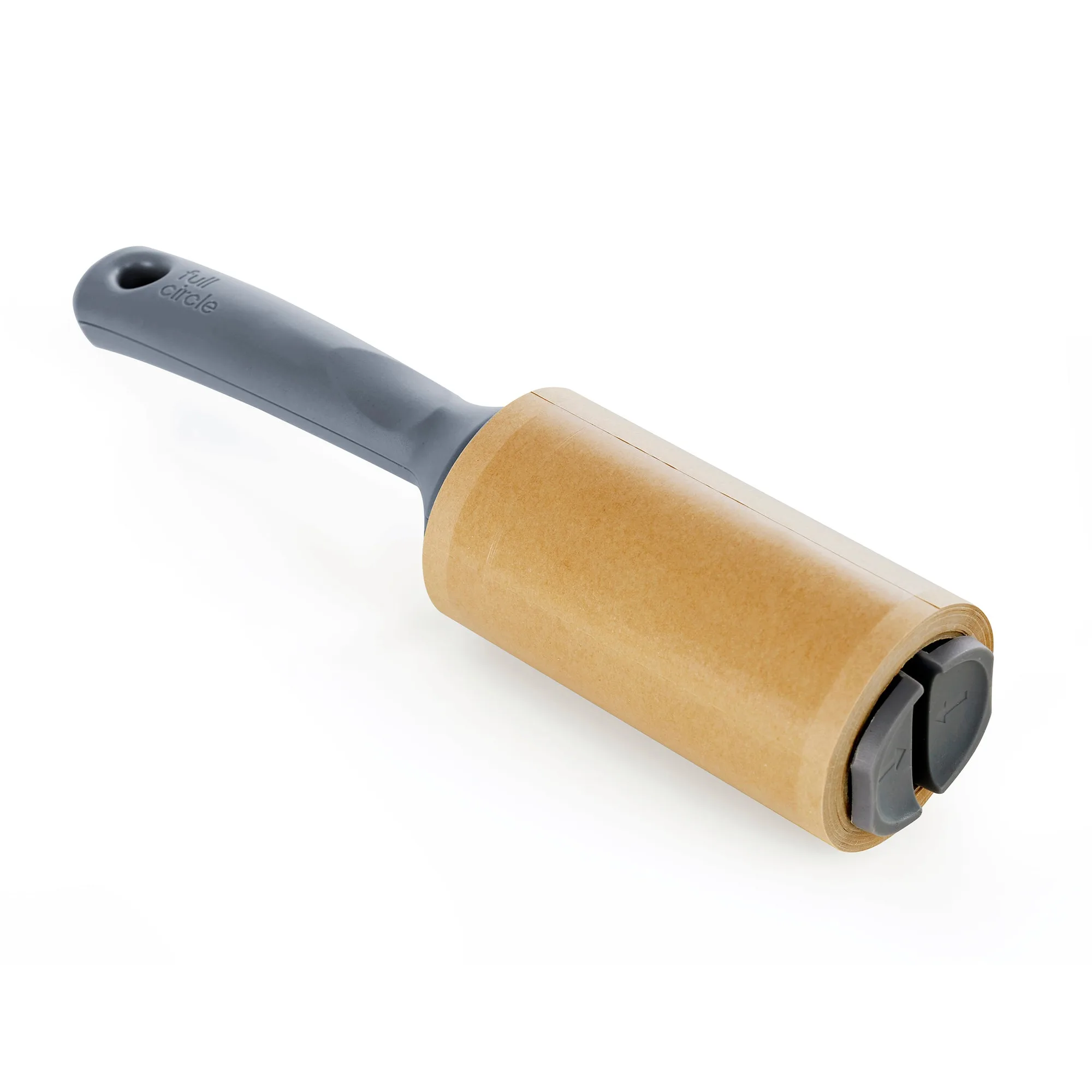
From lint rollers to stain removers, many laundry accessories are single-use plastic items. Switching to reusable, plastic-free alternatives is a key part of sustainable laundry. For example, a refillable lint roller with unbleached paper sheets eliminates disposable plastic rollers. Similarly, a reusable mesh laundry bag set can replace plastic garment bags for delicates and reduce microplastic shedding.
You can also use a natural bristle brush to remove lint and pills from fabrics instead of plastic shavers. For stain removal, try a bar soap or a paste made from baking soda and water rather than plastic bottles of stain spray. By choosing durable, reusable tools, you not only cut waste but also save money in the long run.
- Invest in a refillable lint roller with compostable paper refills.
- Use cotton or hemp laundry bags instead of plastic mesh bags.
- Replace plastic clothespins with stainless steel or wooden ones.
Transitioning to eco-friendly laundry practices doesn't require a complete overhaul overnight. Start with one or two changes, like washing in cold water or switching to plastic-free detergent, and build from there. Each small step reduces your household's plastic waste, energy consumption, and contribution to microplastic pollution. For a simple, impactful upgrade, consider adding a refillable lint roller with unbleached paper sheets to your routine—it's a small swap that makes a big difference in cutting out single-use plastic.