Changing your dog's diet is an exciting step toward better health, but it can also be a minefield of potential mistakes. Whether you're transitioning from kibble to raw, switching proteins, or addressing food sensitivities, a poorly managed switch can lead to digestive upset, refusal to eat, or even long-term nutrient imbalances. Many well-meaning pet owners rush the process, only to find their dog struggling with vomiting, diarrhea, or loss of appetite.
To help you navigate this transition smoothly, we've identified the five most common mistakes dog owners make when switching food—and how to avoid them. By following these tips, you'll set your pup up for a happy, healthy new diet without the stress.
Mistake #1: Switching Too Quickly
The number one error is going cold turkey from old food to new food. Dogs have sensitive digestive systems that need time to adjust to new protein sources, fat levels, and fiber content. A sudden change can overwhelm the gut microbiome, leading to diarrhea, vomiting, or gas. Even if your dog seems eager to eat the new food, their stomach may not be ready.
Instead, follow a gradual transition over 7–10 days. Start with 25% new food mixed with 75% old food for two days, then 50/50 for two days, then 75/25 for two days, and finally 100% new food. For dogs with particularly sensitive stomachs, extend the transition to two weeks. This slow approach allows digestive enzymes and gut bacteria to adapt without shock.
- Tip: If your dog has a history of digestive issues, consider adding a probiotic supplement during the transition to support gut health.
Mistake #2: Ignoring Digestive Upset During the Transition
Even with a gradual switch, some dogs may experience mild digestive upset. The mistake is ignoring these signs or pushing through them without adjusting the plan. Loose stools, excessive gas, or a decrease in appetite are signals that the transition may be too fast or that the new food doesn't agree with your dog.
If you notice these symptoms, slow down the transition—go back to a higher ratio of old food for a few days before progressing again. You can also try adding a small amount of plain pumpkin puree (not pie filling) to soothe the digestive tract. In most cases, minor issues resolve within a day or two. However, if vomiting or diarrhea persists for more than 48 hours, consult your veterinarian.
- Tip: Keep a log of your dog's stool consistency and energy levels during the transition to catch problems early.
Mistake #3: Choosing the Wrong Formula for Your Dog's Needs
Not all dog foods are created equal, and picking a formula that doesn't match your dog's age, size, activity level, or health needs can backfire. For example, a high-protein, high-fat diet meant for active working dogs may cause weight gain in a sedentary senior. Similarly, a puppy formula lacks the calcium-phosphorus balance needed for large-breed adults.
Take time to read the guaranteed analysis and ingredient list. If your dog has a sensitive stomach or skin issues, look for limited-ingredient diets or formulas with novel proteins. For puppies, choose a complete and balanced puppy food. And if you're considering a raw or gently cooked diet, ensure it meets AAFCO nutritional standards. Products like the Goodbowl Grass-Fed Beef Freshly Crafted Recipe offer high-quality, human-grade ingredients that are gently cooked to preserve nutrients, making them an excellent choice for dogs with delicate systems.
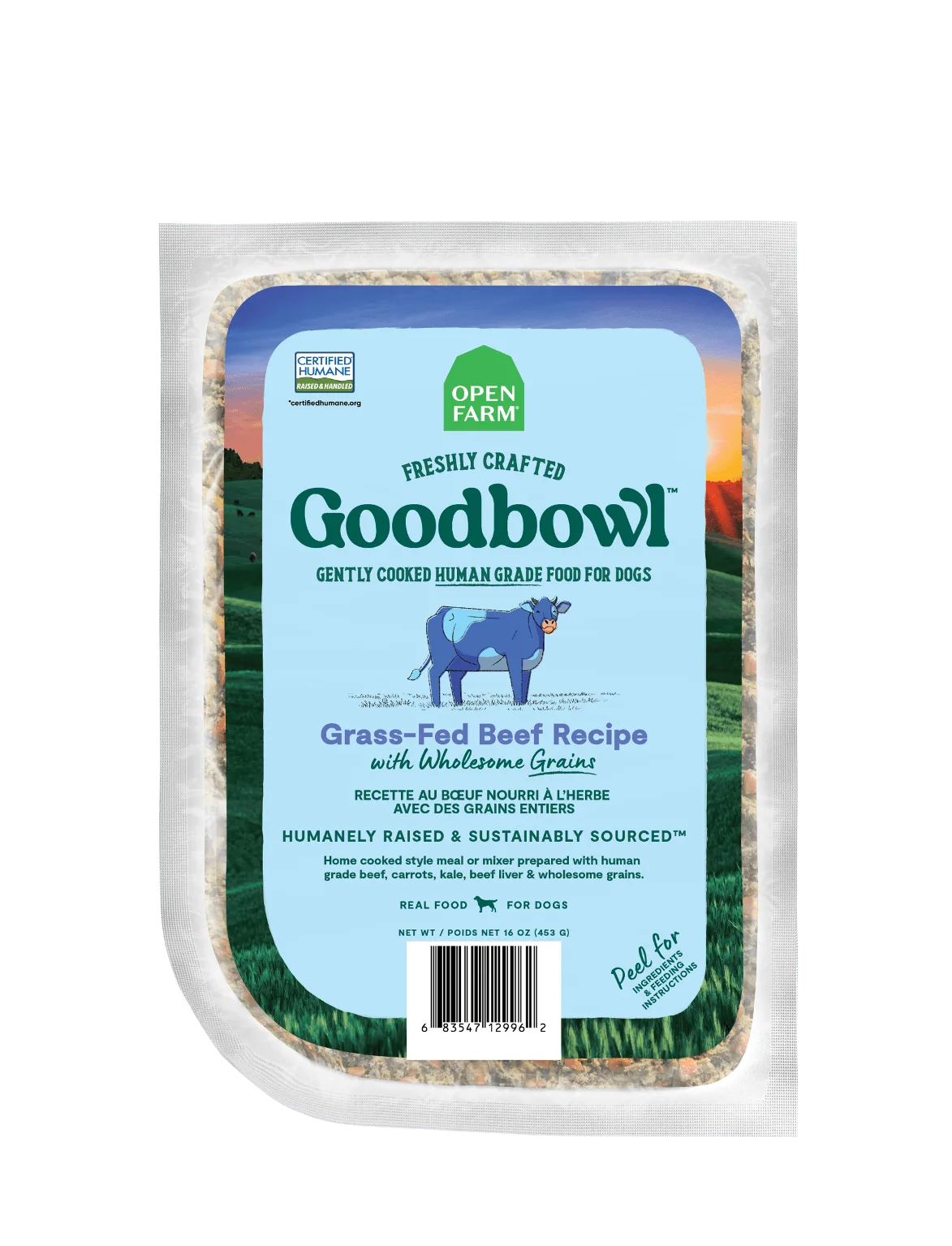
Goodbowl Grass-Fed Beef Freshly Crafted Recipe
- Tip: Consult your veterinarian before making a major diet change, especially if your dog has a medical condition.
Mistake #4: Not Considering Protein Source Rotation
Many owners stick with one protein source (like chicken) for years, then switch to a completely different protein (like salmon) without any intermediate steps. This can be a shock to the system, as different proteins have different amino acid profiles and digestibility rates. Additionally, some dogs develop allergies or sensitivities to a single protein over time.
A better approach is to rotate between two or three protein sources over the long term. This not only provides a broader nutrient profile but also reduces the risk of developing food sensitivities. For example, you might feed a salmon-based diet for a few weeks, then switch to a beef or lamb formula. When you do switch between proteins, still follow a gradual transition. The Icelandic Cod & Herring Wet Food for Dogs is a great option for adding a novel fish protein to your dog's rotation, especially if they've been eating mostly poultry or red meat.
- Tip: Rotating proteins every 2–3 months can keep mealtime exciting and nutritionally diverse.
Mistake #5: Overlooking Hydration and Meal Timing During the Switch
When changing diets, some dogs may eat less initially, leading to reduced water intake from food (especially if switching from wet to dry). Dehydration can worsen digestive upset and make the transition harder. Additionally, changing meal times or feeding routines can add stress that compounds the dietary change.
Ensure fresh, clean water is always available. If your dog is reluctant to eat the new food, try mixing in a small amount of warm water or low-sodium broth to enhance aroma and palatability. Avoid free-feeding during the transition; stick to scheduled meals so you can monitor how much your dog is eating. If you're adding supplements, introduce them one at a time to isolate any reactions. The Calming Health Supplement Chews for Dogs can help reduce anxiety during the transition, making mealtime less stressful for both of you.
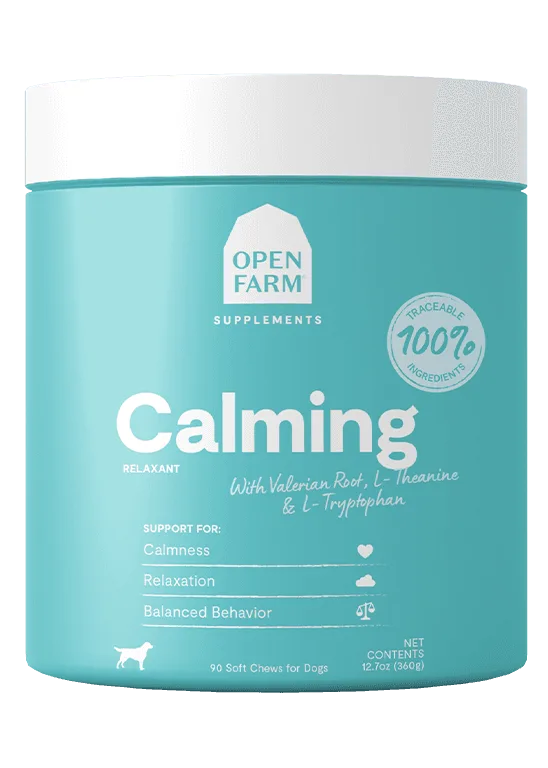
Calming Health Supplement Chews for Dogs
- Tip: If your dog skips a meal, don't panic—offer the same mix at the next scheduled feeding. Consistency is key.
Switching your dog's diet doesn't have to be a stressful ordeal. By avoiding these five common mistakes—rushing the transition, ignoring digestive signs, choosing the wrong formula, neglecting protein rotation, and overlooking hydration—you can ensure a smooth, healthy change for your furry friend. Remember, patience and observation are your best tools. For a high-quality, gently cooked option that's easy on sensitive stomachs, consider the Goodbowl Grass-Fed Beef Freshly Crafted Recipe. Your dog will thank you with wagging tails and a shiny coat.