When you're out on the trail, your body needs fuel that's lightweight, portable, and packed with sustained energy. Protein snacks for hiking are essential to keep your muscles working and your blood sugar stable during long ascents and descents. Unlike sugary granola bars that give you a quick spike and crash, the best hiking protein bars combine complex carbs, healthy fats, and quality protein to keep you going mile after mile.
Flapjacks and protein bars are particularly well-suited for hiking because they're dense in calories and nutrients, won't melt or crumble easily, and can be eaten on the move. In this guide, we'll break down the top five types of protein snacks for hiking, with a focus on why flapjacks and bars—like those from TRIBE—are the ideal choice for your next adventure.
1. Oat-Based Flapjacks: Slow-Release Energy for Long Days
Flapjacks are a hiker's best friend. Made primarily from oats, they provide slow-digesting carbohydrates that release energy steadily over several hours. This is crucial for sustained energy hiking, where you need to avoid the dreaded bonk. Unlike many commercial granola bars loaded with refined sugars, oat-based flapjacks offer a more balanced energy profile. The TRIBE x Wildfarmed Flapjack Bars, for example, are made with regeneratively farmed oats, which not only taste great but also support soil health—a bonus for eco-conscious hikers.
A single flapjack can pack 15–20 grams of protein, depending on the recipe, along with fiber and healthy fats from nuts or seeds. They're sturdy enough to survive being squished in a pack and don't require refrigeration. For a quick trail snack, a flapjack for hiking is hard to beat. You can also pair it with a handful of dried fruit for an extra carb boost on steep sections.
- Look for flapjacks with at least 10g protein and under 10g sugar for optimal energy balance.
2. Protein Bars with Natural Ingredients: Clean Fuel Without the Jitters
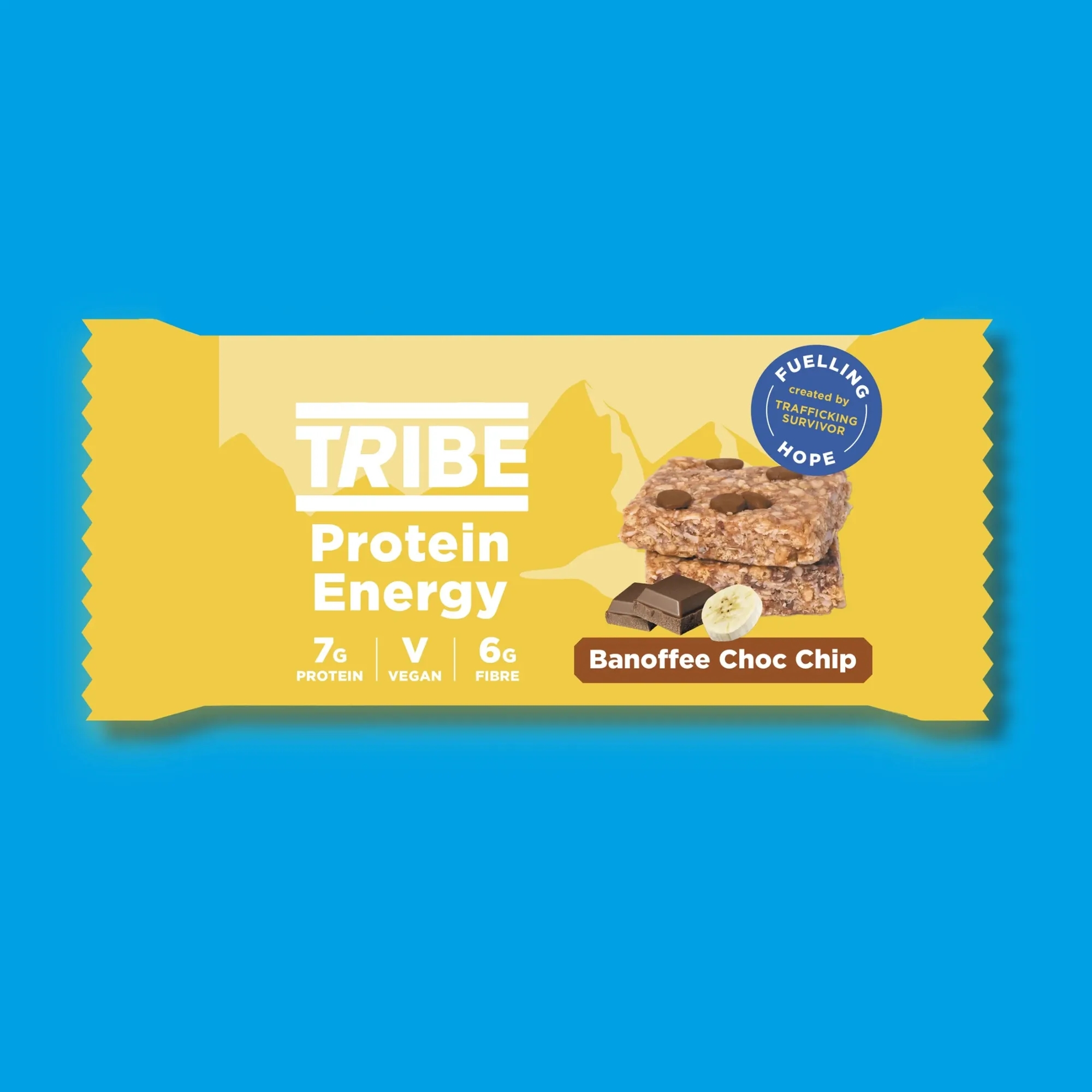
Not all protein bars are created equal. The best hiking protein bars use whole food ingredients like dates, nuts, seeds, and natural protein sources such as whey or pea protein. Avoid bars with long lists of artificial sweeteners, preservatives, or hydrogenated oils—they can cause digestive discomfort on the trail. TRIBE bars, like the TRIBE 12 x 50g Protein Energy Bars, are formulated with natural ingredients and provide a good mix of protein and carbs without the junk.
Protein bars are convenient because they're individually wrapped, easy to open with cold hands, and don't create much waste if you pack out the wrapper. They're also more portable than a bulky sandwich. For a mid-hike snack, a bar with around 200–250 calories and 10–15g protein is ideal. It gives you enough energy to tackle the next peak without weighing you down.
- Choose bars with at least 5g fiber to aid digestion and prolong fullness.
3. Protein Shakes: Quick Recovery at Camp or on the Summit
While bars and flapjacks are great for eating on the move, a protein shake can be a lifesaver after a tough climb or at the end of the day. A sachet of protein powder—like the Salted Caramel Protein Shake (Sachet)—weighs almost nothing and only needs water to mix. Just shake it in a bottle and you have a recovery drink that delivers fast-absorbing protein to repair muscles.
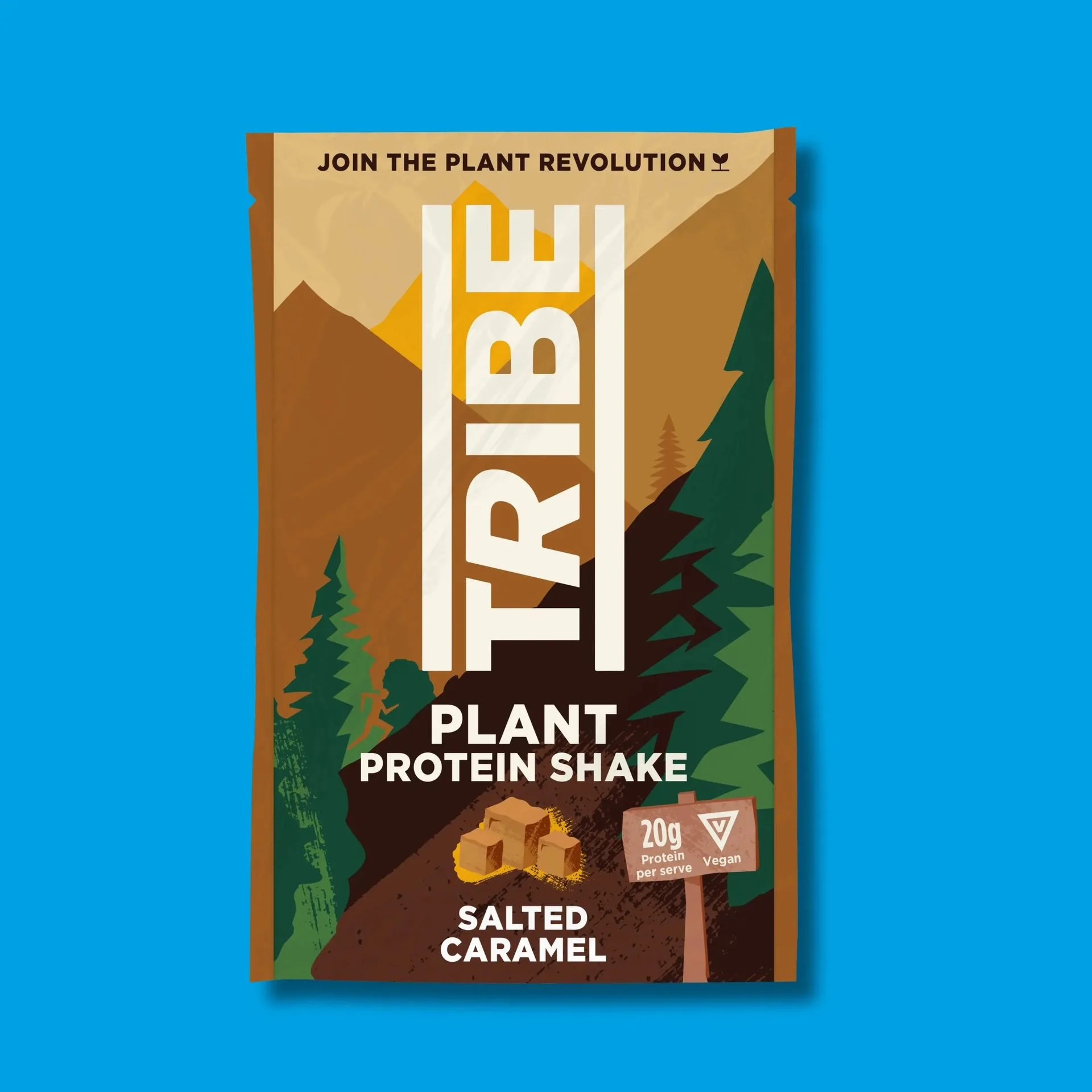
Salted Caramel Protein Shake (Sachet)
Protein shakes are also useful if you've lost your appetite after a long hike but still need nutrients. They're easier to digest than solid food when you're tired. For best results, use cold water and shake vigorously. You can even add the powder to your oatmeal or coffee in the morning for an extra protein boost.
- Pack a couple of single-serve sachets—they're lighter than carrying a whole tub.
4. High-Protein Flapjacks with Added Focus Nutrients
For hikes that require mental focus—like navigating tricky terrain or planning your route—consider a flapjack with added nootropics. The Perkbox - Protein + Focus 12 x 60g Bars combine high protein with Lion's Mane mushroom and nine focus nutrients. These can help maintain concentration and reduce mental fatigue on long days.
While the science on nootropics is still emerging, many hikers report feeling more alert and less foggy after consuming Lion's Mane. These bars are also calorie-dense (around 250–300 kcal per bar), making them a solid choice for full-day hikes where you need both physical and mental energy. They're a smart addition to your hiking snack arsenal if you're tackling technical trails or multi-day treks.
- Use focus-enhancing bars on the most demanding sections of your hike for maximum benefit.
5. Trail Mix Style Bars: Crunchy, Satisfying, and Nutrient-Dense
Sometimes you crave something crunchy on the trail. Trail mix style bars—like those with nuts, seeds, and dried fruit—offer a satisfying texture and a broad spectrum of nutrients. The Choc Peanut Triple Decker (Single) is a great example: it layers chocolate, peanut, and a crispy base for a treat that feels indulgent but still provides protein and healthy fats.
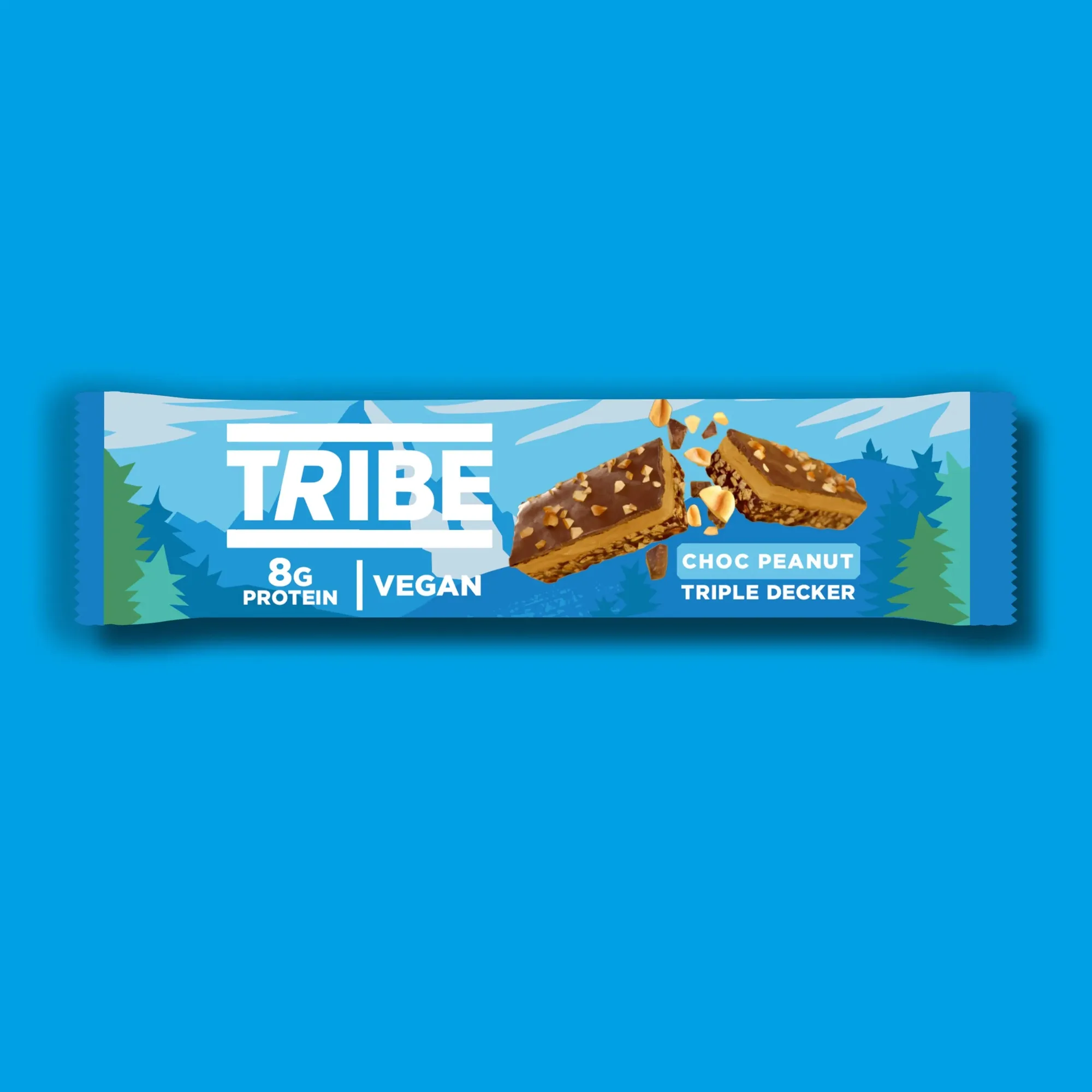
Choc Peanut Triple Decker (Single)
These bars are especially good for shorter hikes or as a dessert after a meal. They tend to be higher in calories, which is exactly what you need when you're burning thousands of calories a day. Just be mindful of sugar content—aim for bars with less than 15g sugar to avoid energy crashes. Pair with water to stay hydrated.
- If you're hiking in hot weather, choose bars without chocolate coating to avoid melting.
Packing the right protein snacks for hiking can make or break your trail experience. Flapjacks and bars offer the perfect balance of portability, nutrition, and sustained energy. Whether you opt for a classic oat flapjack, a natural protein bar, or a recovery shake, choose options with clean ingredients that support your body without the crash. Next time you hit the trail, stash a couple of TRIBE bars or flapjacks in your pack—you'll thank yourself at mile 10.