Quick answer
For most people, a personal alarm keychain offers the best balance of safety, legality, and ease of use. If you prefer a non-lethal physical deterrent, a kubotan keychain is a compact option. For maximum deterrence, consider a stun alarm that combines a 150,000-volt shock with a 130-decibel alarm.
What to look for in EDC safety tools
When choosing everyday carry self-defense tools, focus on three things: size, ease of access, and legal restrictions. A tool that stays in your bag is useless in a sudden situation. Keychain-mounted options like personal alarms or kubotans are always within reach. Also check local laws—some areas restrict stun devices or knives, while personal alarms are generally legal everywhere.
Sound output matters for alarms: 130 decibels is loud enough to disorient an attacker and alert bystanders. For physical tools, look for a secure grip and a design that doesn't require complex moves under stress. A simple pull-pin alarm or a serrated-edge kubotan can be used with minimal training.
Comparing the top 5 self-defense tools for everyday carry
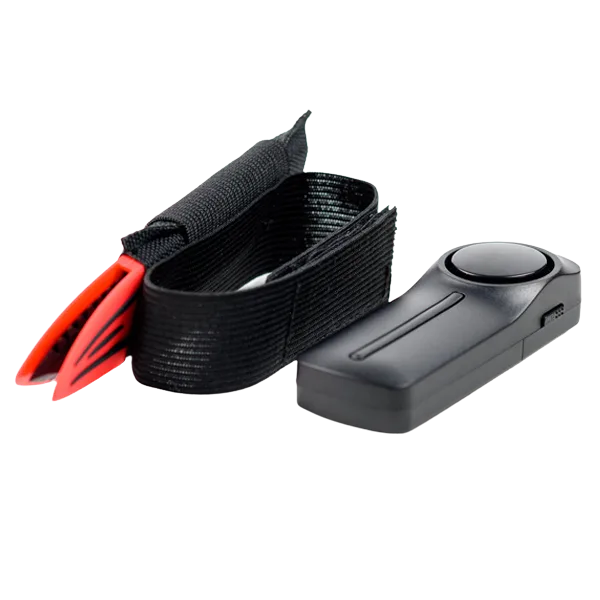
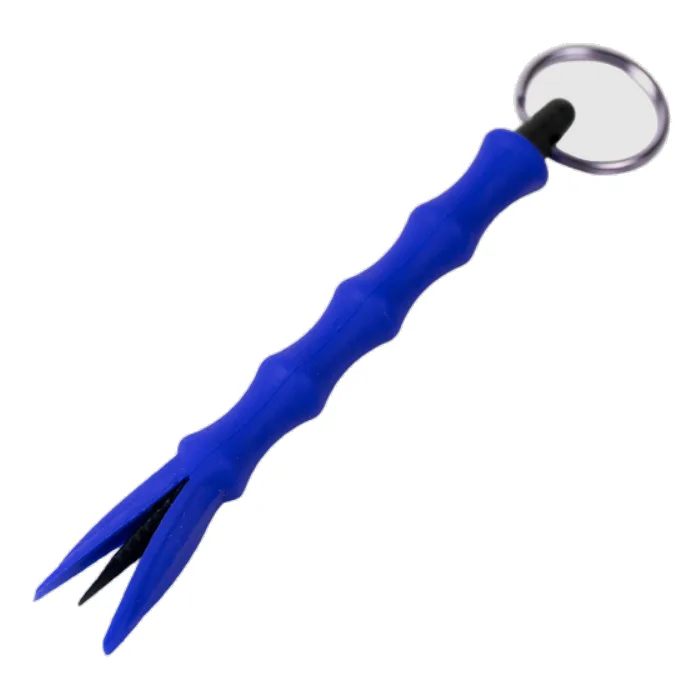
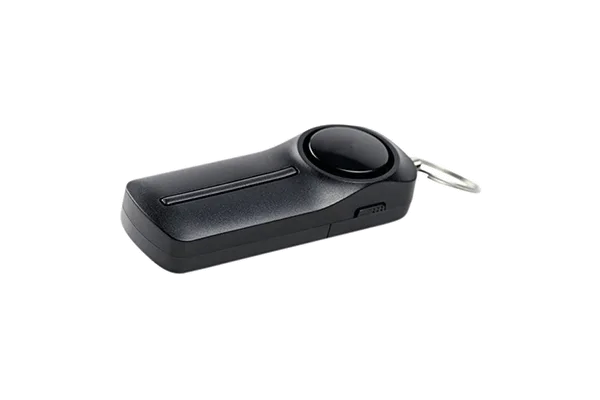
The Go Guarded Stunner combines a 150,000-volt stun and a 130-decibel alarm in one unit, plus a flashlight and strobe. It's practical for both deterring an attack and escaping a hands-on assault. The Personal Safety Self Defense Alarm Keychain is simpler—just pull the pin for a loud alarm, push it back to silence. It also has a side-button LED light and includes two AAA batteries. For a physical option, the Kubotan Keychain is a heavy-duty plastic serrated-edge tool with a rubber overlay that exposes the blade when flexed. The Go Guarded Hand-Held with Alarm pairs a knife with a 130-decibel alarm for double protection. Each tool fits a different comfort level and legal context.
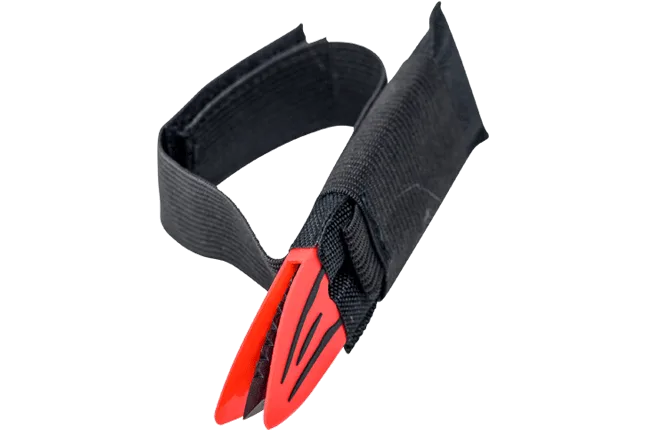
Go Guarded Hand-Held
How to choose your everyday carry self-defense tool
- Legality first: Check local laws before buying. Personal alarms are almost always legal. Stun devices and knives have restrictions in many places. A kubotan may be classified as a weapon in some jurisdictions. If in doubt, choose a personal alarm keychain.
- Ease of use under stress: Simple actions like pulling a pin or pressing a button are easier to remember than complex moves. Alarms require no aim or strength. Physical tools need practice to use effectively. For minimal training, pick an alarm.
- Versatility vs. simplicity: Multi-function tools like the Stunner offer stun, alarm, and light in one, but they are larger and may not fit on a small keychain. A dedicated alarm or kubotan is more compact. Prioritize what you'll actually carry every day.
Key product facts
- Personal Safety Self Defense Alarm Keychain: Super loud 130-decibel personal alarm with LED light. Simply pull the pin to activate the alarm, push the pin back in to silence it. The alarm has a side button for LED light. 2 AAA batteries included. This is the simplest, most legal EDC safety tool—no aiming or strength required. The LED light adds utility for dark paths, and the included batteries mean it's ready out of the box.
- Kubotan - Self-Defense Kubaton Keychain: Go Guarded KUBATON is a heavy-duty plastic serrated-edge weapon with a rubber overlay that automatically flexes out of the way to expose the blade. Add it to your keychain for easy access and no-hassle protection. The kubotan keychain offers a physical deterrent without electronics. The serrated edge can be used for self-defense, but it requires some training and awareness of local knife laws.
- Go Guarded Stunner - Self Defense Stun Alarm: Go Guarded STUNNER provides double the protection – a painful 150,000-volt STUN and a super loud 130 decibel ALARM! Also functions as a flashlight and a strobe light. This all-in-one tool covers deterrence (alarm), defense (stun), and visibility (flashlight/strobe). It's more versatile but heavier and may be restricted in some areas.
- GO GUARDED HAND-HELD WITH ALARM: The Go Guarded Hand-Held self-defense knife provides double the protection with a super loud alarm (130 decibels) and a Go Guarded knife. Combines a knife and alarm for those who want both options. The knife adds a serious physical component, but it requires more training and carries legal risks.
Which tool fits your situation?
Best for
- People who want a legal, simple, and loud deterrent that works at a distance
- Those who prefer a physical tool with a low profile on a keychain
Not for
- Anyone in a jurisdiction where stun devices or knives are restricted—choose a personal alarm instead