Water is essential for life, but it can also carry hidden dangers. Whether you're hiking in the backcountry, preparing for an emergency, or simply filling a glass at home, the quality of your water matters more than you might think. Understanding the most common water contaminants—and knowing how to filter them effectively—is key to staying safe. In this article, we explore the top 5 contaminants you should filter out and examine how LifeStraw filtration capability handles each one, from bacteria in water to chemical pollutants.
1. Bacteria in Water: The Silent Threat
Pathogenic bacteria like E. coli, Salmonella, and Campylobacter are among the most common causes of waterborne illness. Even a few colony-forming units can lead to severe gastrointestinal distress, especially for vulnerable populations. Surface water sources—streams, lakes, and rivers—are particularly prone to bacterial contamination from animal waste or human activity.
LifeStraw filters use advanced hollow fiber membrane technology with pore sizes as small as 0.2 microns. This is fine enough to physically strain out 99.9999% of bacteria, including E. coli and Salmonella. For field use, the LifeStraw Peak Series Collapsible Squeeze 1L Bottle with Filter integrates this technology directly into a reusable bottle, making it effortless to drink from almost any freshwater source. The membrane's surface area and pleated design ensure a high flow rate while still trapping bacteria.
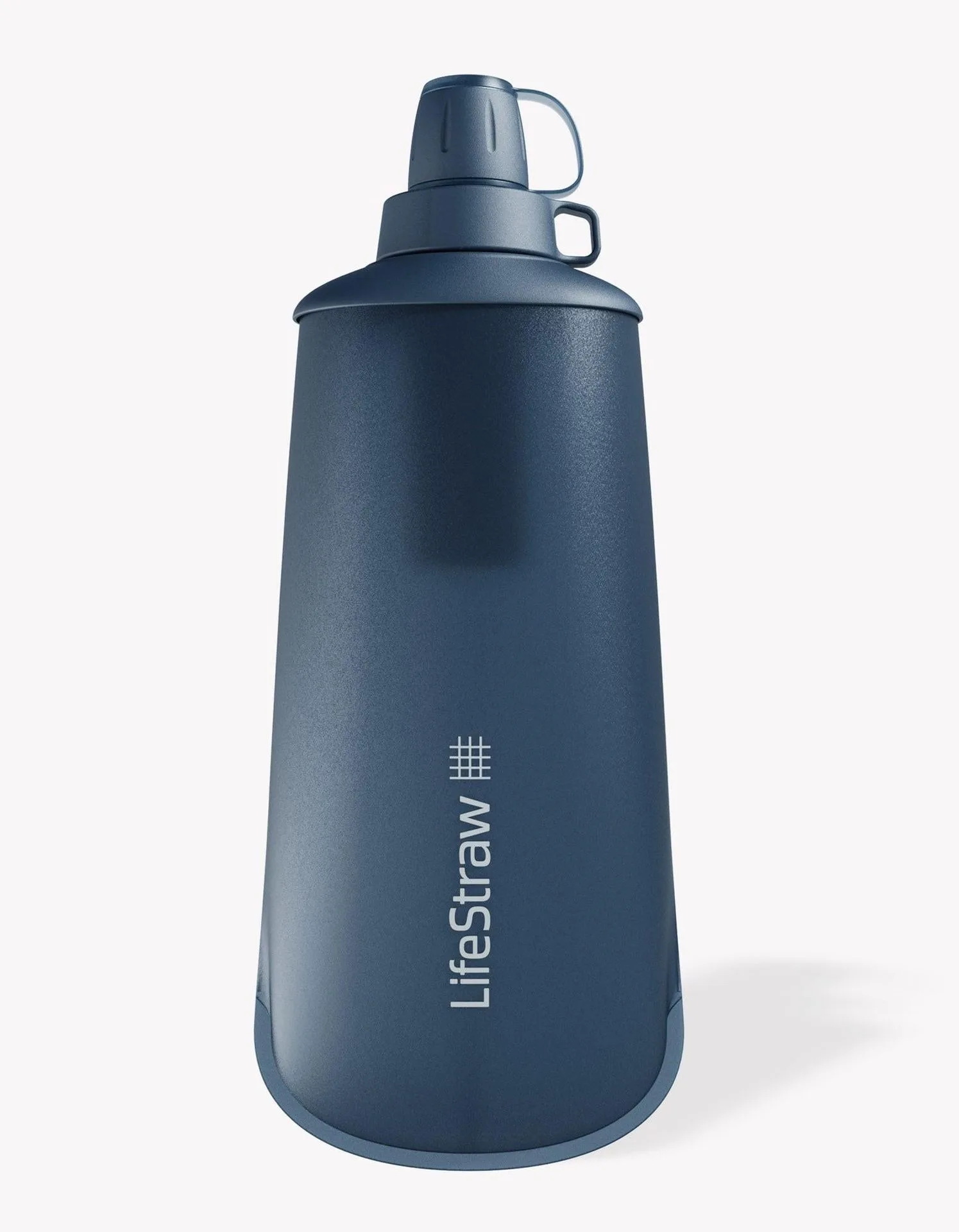
LifeStraw Peak Series Collapsible Squeeze 1L Bottle with Filter
2. Protozoa Removal: Cryptosporidium and Giardia
Protozoan parasites like Giardia lamblia and Cryptosporidium parvum are larger than bacteria (typically 1–15 microns) but are notoriously resilient. They can survive in chlorinated water and are frequently found in wilderness streams. Ingesting just a few cysts can cause prolonged diarrheal illness. Protozoa removal is a critical feature for any portable water filter.
LifeStraw's 0.2-micron filtration effectively captures these parasites, achieving a 99.99% reduction rate. Because the cysts are physically blocked, there's no risk of chemical resistance. For bulk emergency situations, the Disaster Master: LifeStraw Personal 25-pack provides individual straws that each deliver the same level of protozoa removal, making it ideal for disaster relief or community distribution. The straw design draws water directly through the filter, eliminating the need for separate containers.
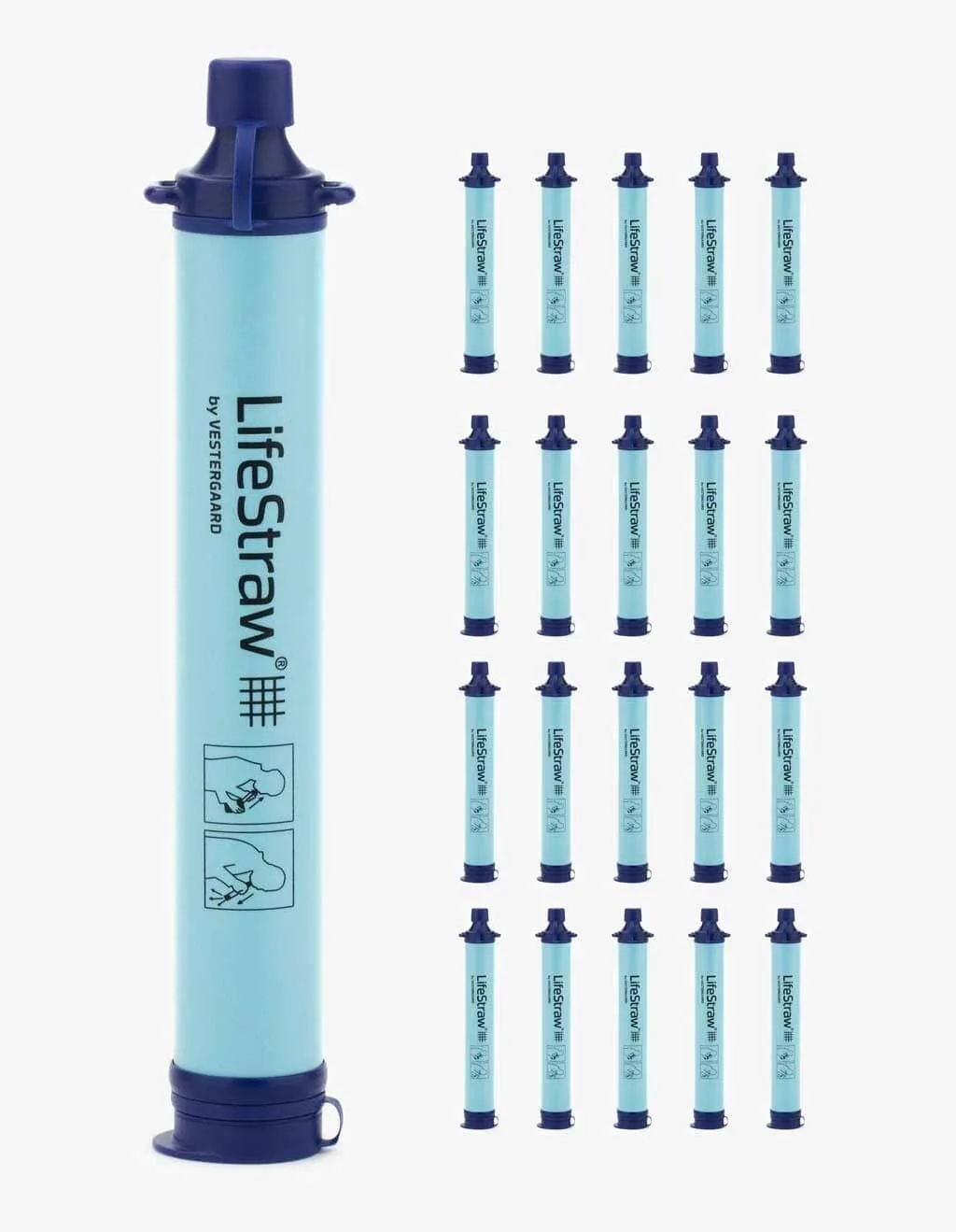
Disaster Master: LifeStraw Personal 25-pack
3. Sediment, Sand, and Silt: Physical Particles
While not always pathogenic, sediment and suspended particles can make water unpleasant, reduce flow rates, and interfere with other filtration stages. In rivers after rain or in wells near construction sites, turbidity levels can spike. Removing these larger particles is often the first step in any multi-stage filtration system.
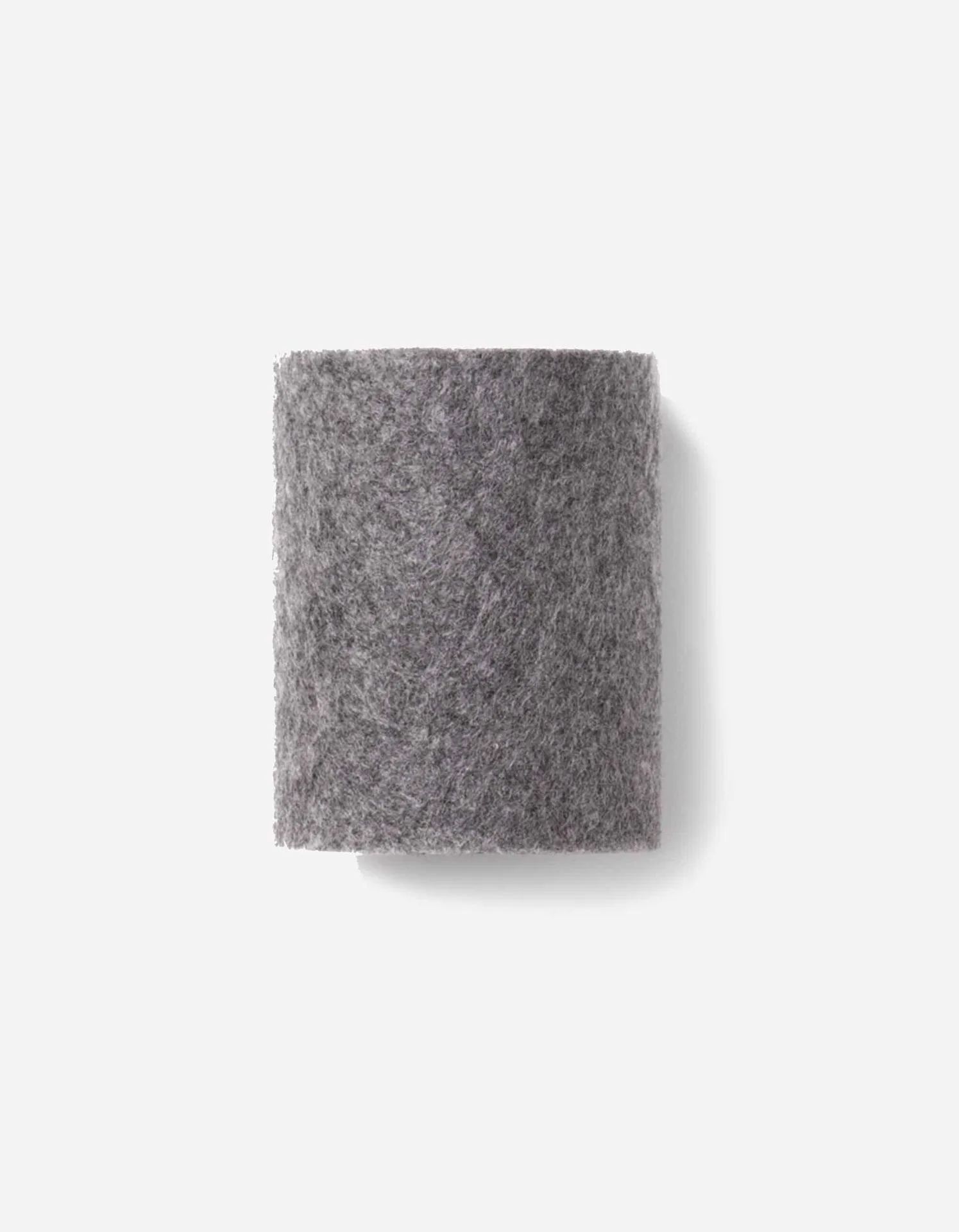
LifeStraw's hollow fiber design acts as a depth filter, trapping sediment as small as 0.2 microns. However, the real advantage lies in the pre-filter stage of some products. For instance, the LifeStraw Go Series Stainless Steel | Silicone base 24 oz includes a replaceable filter that captures sediment before the water enters the membrane. The silicone base also provides a comfortable grip, while the stainless steel body keeps water cool. For home use, the LifeStraw Home Replacement Filters use a combination of mechanical filtration and activated carbon to reduce sediment, chlorine taste, and odor from tap water.
4. Chlorine, Taste, and Odor: Chemical Contaminants
Municipal water treatment plants often add chlorine or chloramines to disinfect water, but these chemicals can leave an unpleasant taste and smell. Long-term exposure to disinfection byproducts (DBPs) has also been linked to health concerns. Additionally, volatile organic compounds (VOCs) and pesticides can seep into groundwater from agricultural runoff.
LifeStraw's gravity and home systems incorporate activated carbon cartridges to adsorb chlorine, VOCs, and other chemicals that affect taste. The LifeStraw Home Replacement Filters combine a carbon block with micro-filtration to reduce chlorine by up to 97%, along with sediment and cysts. This dual-action approach ensures that the water not only is safe but also tastes crisp and clean—an important factor for daily hydration. Unlike many pitcher filters, LifeStraw's carbon block has a higher surface area, prolonging filter life.
5. Microplastics: Emerging Concern
Microplastics—tiny plastic particles under 5mm—have been found in tap water, bottled water, and even remote glacial lakes. They can absorb toxins and may pose health risks over time. While most portable filters are not specifically marketed for microplastic removal, the effective pore size of a 0.2-micron membrane is small enough to capture the majority of these particles.
LifeStraw's microfiltration membranes have been tested by independent labs and shown to reduce microplastics by over 99.9% in water. The same technology that blocks bacteria and protozoa naturally entraps microplastic fragments. For everyday use, the LifeStraw Go Series Stainless Steel 24 oz provides a durable, reusable bottle that filters out microplastics, bacteria, and protozoa in one pass. This makes it a superior alternative to single-use plastic bottles, which can themselves shed microplastics during use. By choosing a LifeStraw product, you are also reducing your own plastic footprint.
How LifeStraw Filtration Technology Works
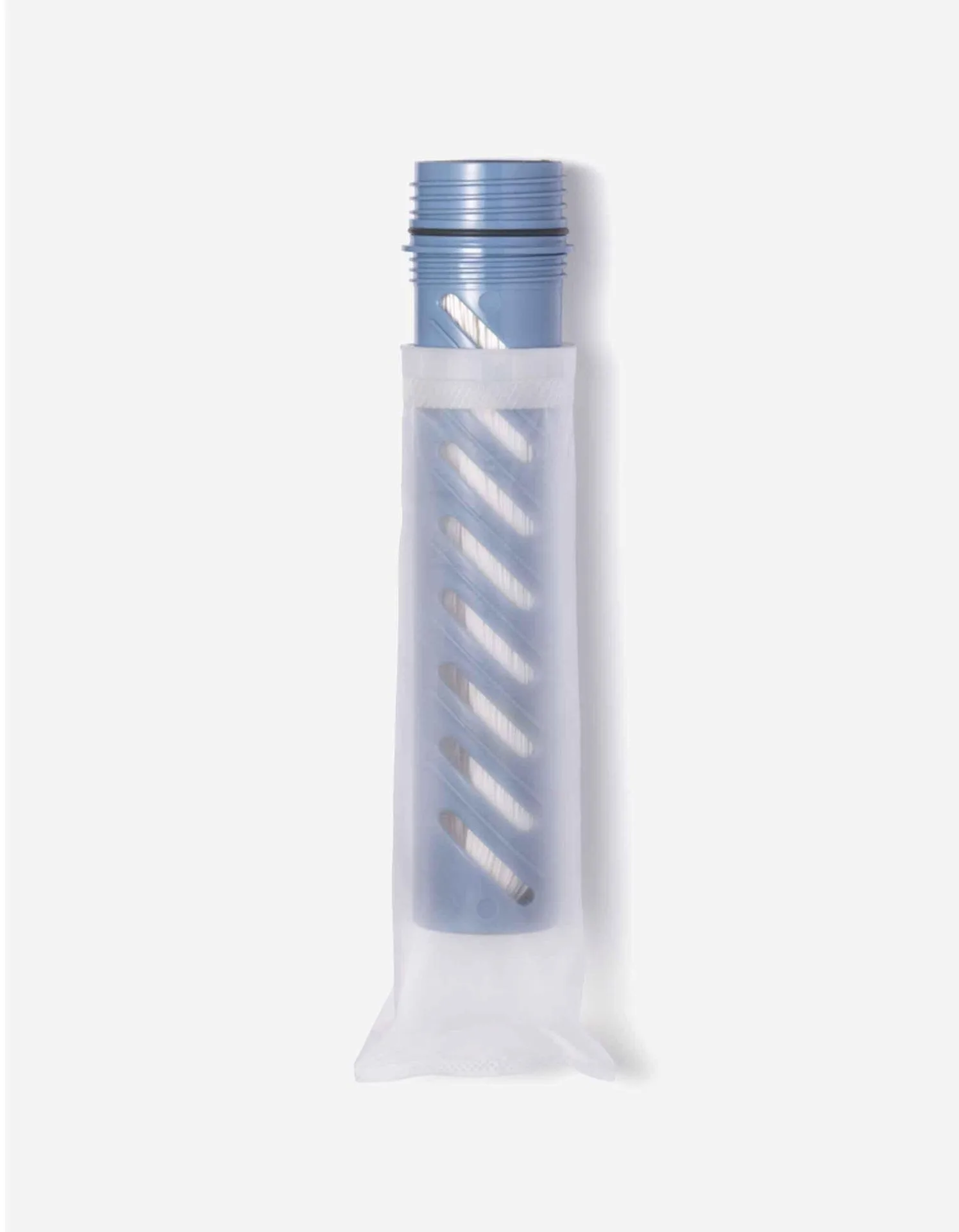
All LifeStraw portable filters rely on hollow fiber membrane technology. Thousands of tiny tubes (hollow fibers) are bundled together; water passes through the walls of these fibers while contaminants larger than 0.2 microns are trapped on the outside. The fibers are made from a specialized polymer that resists clogging and can be backflushed or cleaned to extend useful life. This is the core of LifeStraw filtration capability.
For home systems like the LifeStraw Home series, the technology expands to include activated carbon and ion exchange resins for chemical reduction. The result is a multi-barrier approach that addresses both biological and chemical water contaminants without requiring electricity or batteries. That makes LifeStraw a reliable option for both outdoor adventures and household preparedness.
Comparing LifeStraw to Other Filtration Methods
Not all water filters are created equal. Boiling water kills bacteria and protozoa but does not remove sediment, chemicals, or microplastics. Chemical treatments (iodine or chlorine tablets) are lightweight but leave an aftertaste and do not remove protozoan cysts effectively. UV purifiers require batteries and clear water to work properly.
LifeStraw's physical filtration method provides immediate, chemical-free purification without altering the mineral content of the water. Independent testing by NSF International and other bodies confirms that LifeStraw products meet or exceed EPA Guide Standards for removal of bacteria, protozoa, and turbidity. The bacteria in water reduction rate of 99.9999% offers peace of mind whether you are camping or facing a boil-water advisory.
Practical Tips for Maintaining Your LifeStraw Filter
To ensure optimal protozoa removal and long-term performance, follow these guidelines:
- Backflush regularly: For squeeze bottles and straws, blow water back through the filter to dislodge trapped particles.
- Store dry: After each use, shake out excess water and allow the filter to air-dry completely. This prevents mold and bacteria growth on the exterior.
- Replace filters as recommended: Each LifeStraw product has a specified lifespan (e.g., 1,000 liters for most personal filters). Track usage to avoid overuse.
- Use in clear water first: If the source is very muddy, pre-filter through a cloth or let sediment settle before using the LifeStraw.
Final Thoughts: Prioritize Water Safety
Whether you are an avid hiker, a prepper, or simply a health-conscious homeowner, understanding the top water contaminants is the first step toward protecting yourself and your family. LifeStraw's proven technology offers a reliable, portable, and easy-to-use solution that covers bacteria, protozoa, sediment, microplastics, and even chlorine taste. From the compact straw to the full-home system, there is a LifeStraw for every scenario.
Ready to upgrade your water safety? Explore the LifeStraw Go Series Stainless Steel | Silicone base 24 oz for a stylish, reusable bottle that filters on the go. With its durable construction and advanced filtration, it's an everyday companion for clean, great-tasting water.