Quick Verdict
If you need precise, repeatable cuts on delicate materials, the TopCutter is the better choice. For general‑purpose cutting and larger projects, a standard utility knife offers more flexibility and lower cost.
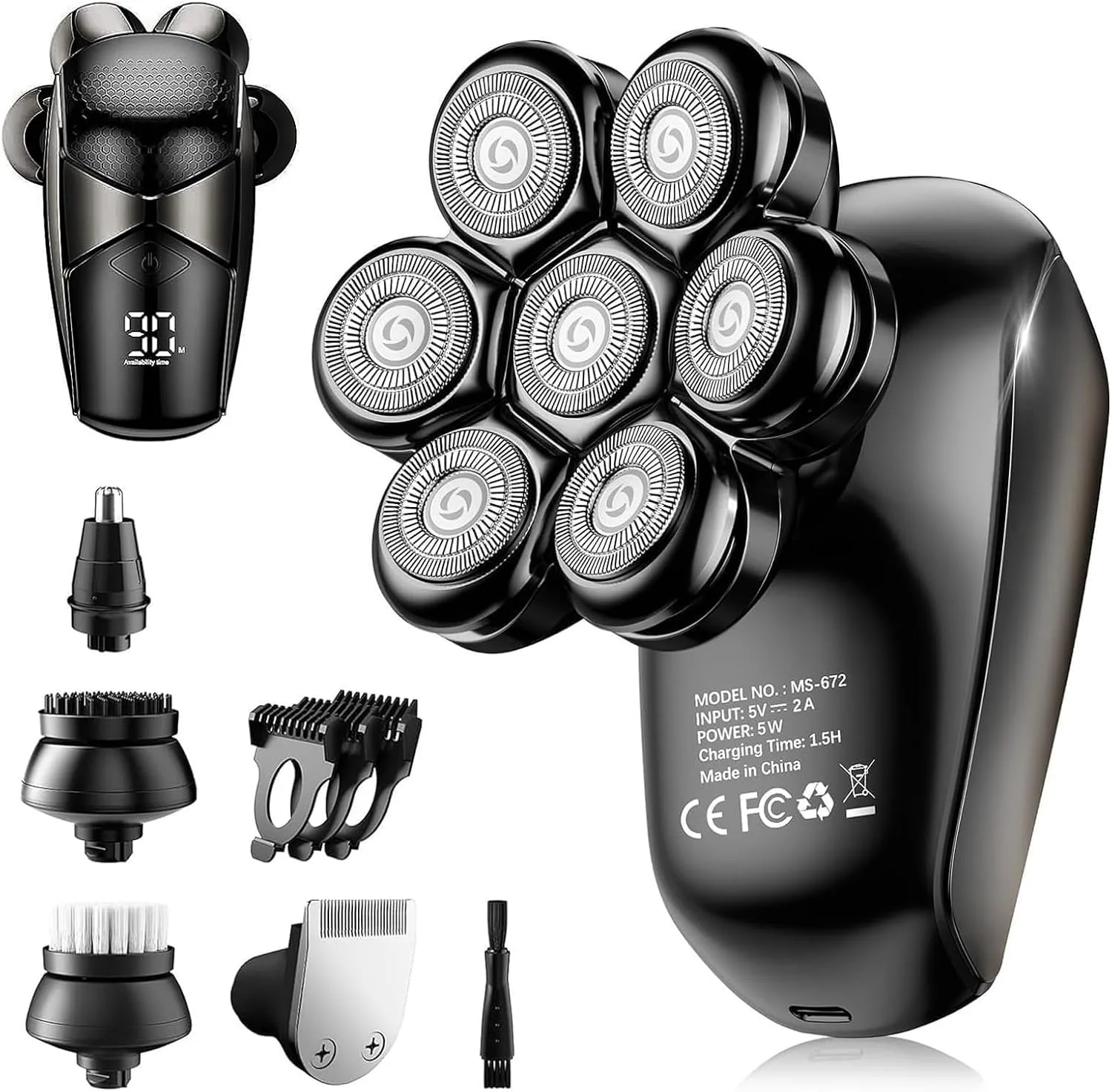
TopCutter
Choosing the right cutting tool can save time, reduce waste, and keep you safe. This comparison looks at two popular options for home projects: the TopCutter and the traditional utility knife.
Because the store does not provide detailed specifications for these tools, the analysis focuses on common attributes such as blade design, safety mechanisms, and overall cost, while acknowledging the limits of available data.
Blade Design and Replaceability
TopCutter blades are typically thin, precision‑ground steel that snap out and snap in, allowing for very fine cuts on thin materials like vinyl or laminates. Utility knives usually use a thicker, replaceable snap‑off blade that can handle thicker substrates but may leave a rougher edge.
The trade‑off is between precision and versatility: TopCutter excels at delicate, detailed work, whereas a utility knife provides the heft needed for thicker cardboard, drywall, or carpet.
- If you frequently switch between materials, keep a small stock of both blade types on hand.
Safety Features
Both tools include a retractable blade lock, but the TopCutter often incorporates a spring‑loaded safety that keeps the blade retracted when not in use. Standard utility knives rely on a simple sliding lock, which can be less secure if the lock is worn.
Safety is especially important for users with limited hand strength; the TopCutter’s spring mechanism reduces the force needed to engage and disengage the blade.
- Always store the tool with the blade fully retracted and out of reach of children.
Cost and Availability
Utility knives are widely available and inexpensive, often sold in multi‑packs for under $10. TopCutter systems tend to be sold as a kit with a handle and a set of specialty blades, typically costing $20‑$30 for the starter set.
If budget is a primary concern, the utility knife wins on price and replacement‑blade cost. For users who value precision and are willing to invest a bit more, the TopCutter offers long‑term performance benefits.
- Consider buying a bulk pack of utility‑knife blades if you anticipate high usage.
Key Trade‑offs to Consider
- Blade Precision vs. Versatility: TopCutter delivers finer cuts; utility knives handle thicker materials. Match the tool to the material thickness you work with most.
- Safety Mechanism Complexity: TopCutter’s spring‑loaded lock reduces accidental exposure; utility knives rely on a basic slide lock. Choose TopCutter if you need extra safety for frequent blade changes.
- Initial Cost vs. Ongoing Expense: Utility knives are cheaper upfront; TopCutter kits cost more but may last longer with specialized blades. Factor in how often you’ll replace blades when budgeting.
Related Products from Osmo
- Osmo HushWave: Catalog price: USD 89.00 (catalog comparison price USD 178.00) Shows a 50% discount, indicating strong value for shoppers looking for budget‑friendly audio solutions.
- 6x Osmo Natural Shilajit Gummies: Osmo Shilajit Gummies: Your Daily Dose of Energy and Wellness. These gummies combine a pleasant taste with the powerful benefits of Shilajit, offering a convenient way to support natural energy and overall wellness. Provides a tasty, easy‑to‑take supplement for daily vitality, appealing to users who prefer gummies over traditional capsules.
Which Tool Is Right for You?
Best For
- DIY hobbyists needing precise, repeatable cuts on delicate surfaces
- Home renovators who prefer a versatile, low‑cost cutter for general tasks
Not Ideal For
- Users requiring heavy‑duty demolition or cutting thick lumber
- Those who need industrial‑grade blades with extreme durability
Both the TopCutter and the standard utility knife have clear strengths. Pick the TopCutter for precision work and enhanced safety, or go with a utility knife for broader versatility and lower cost. Your project’s material and budget will guide the best choice.