When muscle pain strikes after a workout, a long day at work, or a chronic condition, the first decision is often between a topical cream and a pill. Both options promise relief, but they work very differently in the body. Understanding the pros and cons of topical pain relief versus oral medications can help you choose the most effective and safest path for your specific pain.
Topical analgesics, such as creams, gels, and roll-ons, are applied directly to the skin over the painful area. They deliver active ingredients locally without passing through the digestive system. Oral medications, including NSAIDs like ibuprofen and acetaminophen, are swallowed and absorbed systemically. This fundamental difference affects onset time, side effect profile, and overall effectiveness for different types of pain.
How Topical Analgesics Work for Muscle Pain
Topical pain relief creams contain ingredients that penetrate the skin and target pain receptors in the underlying tissues. Common active ingredients include menthol, camphor, lidocaine, and NSAIDs like diclofenac. When applied, these substances create a cooling or warming sensation that distracts the brain from pain signals, or they directly block pain transmission at the nerve endings. Because the medication stays mostly local, systemic absorption is minimal, which reduces the risk of side effects affecting the stomach, liver, or kidneys.
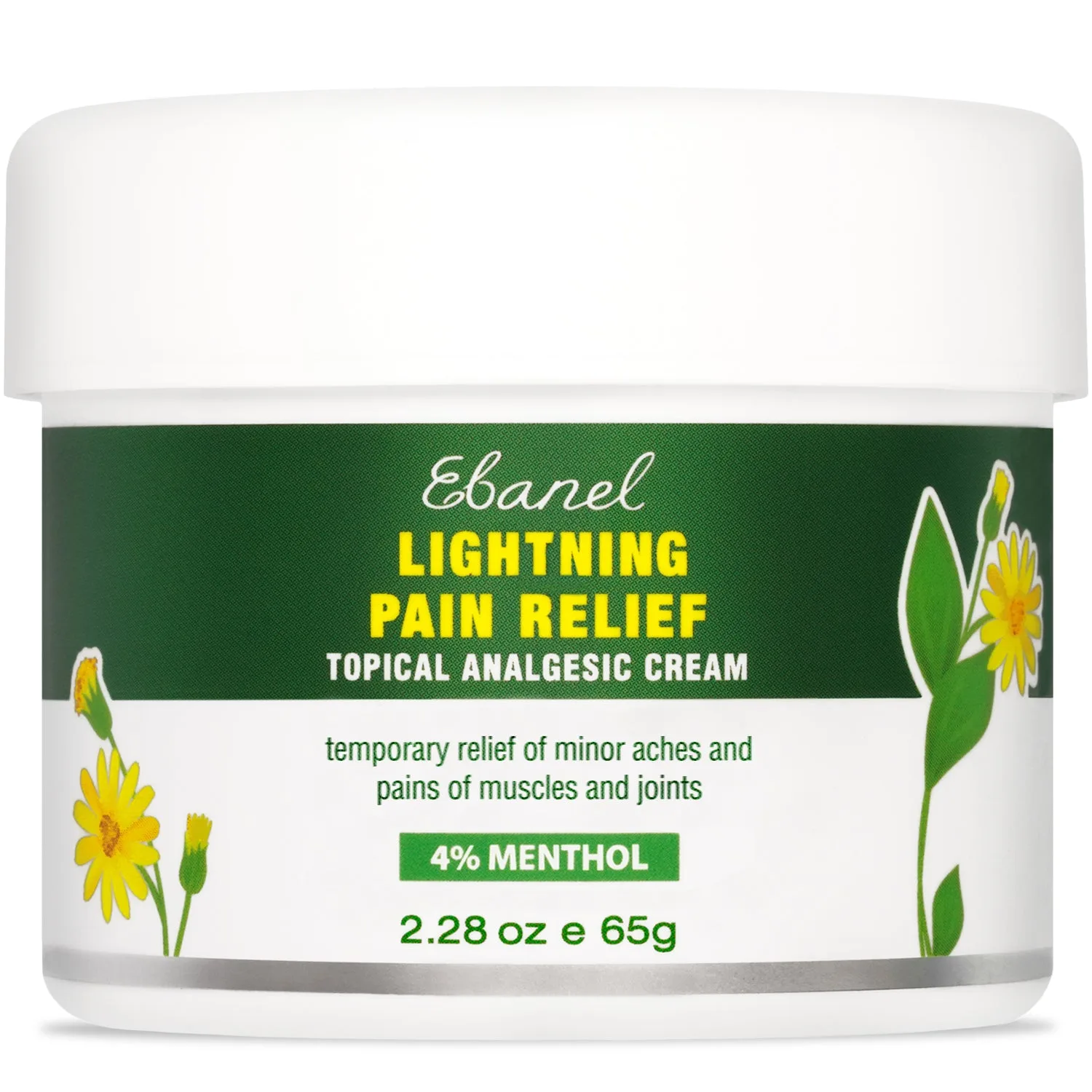
For muscle pain, topical creams are particularly effective for localized issues such as a pulled hamstring, sore shoulders, or arthritic knees. They offer rapid relief within minutes and can be reapplied as needed without worrying about drug interactions with other oral medications. Products like https://cozyglamai.shop/products/lightning-pain-relief-topical-analgesic-cream-roll-on-126464Lightning Pain Relief Topical Analgesic Cream Roll-On provide convenient, mess-free application for on-the-go relief.
- Localized action: targets only the painful area, not the whole body.
- Fast onset: relief often begins within 5–15 minutes of application.
- Minimal side effects: no gastrointestinal upset or liver strain.
- Easy to use: no need to swallow pills or measure doses.
How Oral Pain Medications Work Systemically
Oral pain relievers are absorbed through the digestive tract and enter the bloodstream, traveling throughout the body. They work by reducing inflammation and blocking pain signals at a central level. NSAIDs like ibuprofen and naproxen inhibit enzymes (COX-1 and COX-2) that produce prostaglandins, chemicals responsible for pain and inflammation. Acetaminophen, on the other hand, works primarily in the brain to reduce pain perception.
Systemic medications are ideal for widespread pain, such as full-body muscle aches from the flu or chronic conditions like fibromyalgia. However, their systemic nature also brings risks: long-term use can lead to stomach ulcers, kidney damage, and increased blood pressure. They also require careful dosing to avoid overdose, especially with acetaminophen. For many people, the convenience of a pill is outweighed by these potential downsides.
- Whole-body effect: treats pain in multiple areas simultaneously.
- Slower onset: typically 30–60 minutes to feel full relief.
- Higher risk of side effects: gastrointestinal, renal, and hepatic issues.
- Requires careful dosing: risk of overdose or interactions with other drugs.
Comparing Effectiveness: When to Choose Each
The choice between topical and oral pain relief often depends on the type and location of pain. For acute, localized muscle pain—such as a sprained ankle, tennis elbow, or lower back strain—topical creams can be just as effective as oral NSAIDs, with fewer side effects. A 2021 meta-analysis found that topical diclofenac was comparable to oral ibuprofen for knee osteoarthritis pain, but with significantly fewer gastrointestinal complaints.
For chronic, widespread pain or pain that is deep and hard to reach (like hip arthritis), oral medications may be more effective because they reach the bloodstream and affect the entire joint. However, many patients benefit from combining both approaches: using a topical cream for breakthrough pain and an oral medication for baseline control. Always consult a healthcare provider before starting any new pain regimen, especially if you have underlying health conditions.
- Localized pain → topical cream is often first-line.
- Widespread or deep pain → oral medication may be needed.
- Combination therapy can be effective but requires medical guidance.
- Topical options like Lightning Pain Relief Topical Analgesic Cream are safe for most adults.
Safety and Side Effects: Topical vs. Oral
One of the biggest advantages of topical pain relief is its safety profile. Because the medication is absorbed through the skin and not the digestive tract, it avoids common oral side effects like stomach upset, nausea, and ulcers. Topical NSAIDs are also safer for people on blood thinners or those with kidney disease. However, skin irritation, redness, or allergic reactions can occur at the application site. It's important to apply only to intact skin and avoid contact with eyes or mucous membranes.
Oral pain relievers, while effective, carry significant risks with long-term use. NSAIDs can cause gastrointestinal bleeding, kidney impairment, and cardiovascular events, especially in older adults or those with pre-existing conditions. Acetaminophen overdose is a leading cause of liver failure. For these reasons, many healthcare professionals recommend starting with topical options for localized pain before moving to oral medications. Products like Lightning Pain Relief Topical Analgesic Cream offer a safe, effective first step.
- Topical: low systemic absorption, minimal organ stress, possible skin irritation.
- Oral: effective for systemic pain but higher risk of serious side effects.
- Topical is preferred for short-term, localized pain in most guidelines.
- Always follow label instructions and consult a doctor for chronic pain.
Whether you're dealing with post-workout soreness, arthritis flare-ups, or a muscle strain, topical pain relief offers a targeted, low-risk option that often outperforms oral medications for localized pain. For a convenient and effective solution, consider the Lightning Pain Relief Topical Analgesic Cream Roll-On, which provides fast-acting relief without the systemic side effects of pills. Always pair any pain management strategy with rest, hydration, and professional medical advice for the best outcomes.