Quick answer
Most tortoise kit nail art mistakes come from three things: too much blooming gel, layers that are not fully dry before the next color, and skipping the base coat. Fix the layer order and give each step time to settle. If you are using a kit like the Tortoise Kit, work in thin passes and let the jelly gels self-level before adding cat-eye or blooming gel.
Why tortoiseshell nails turn muddy instead of layered
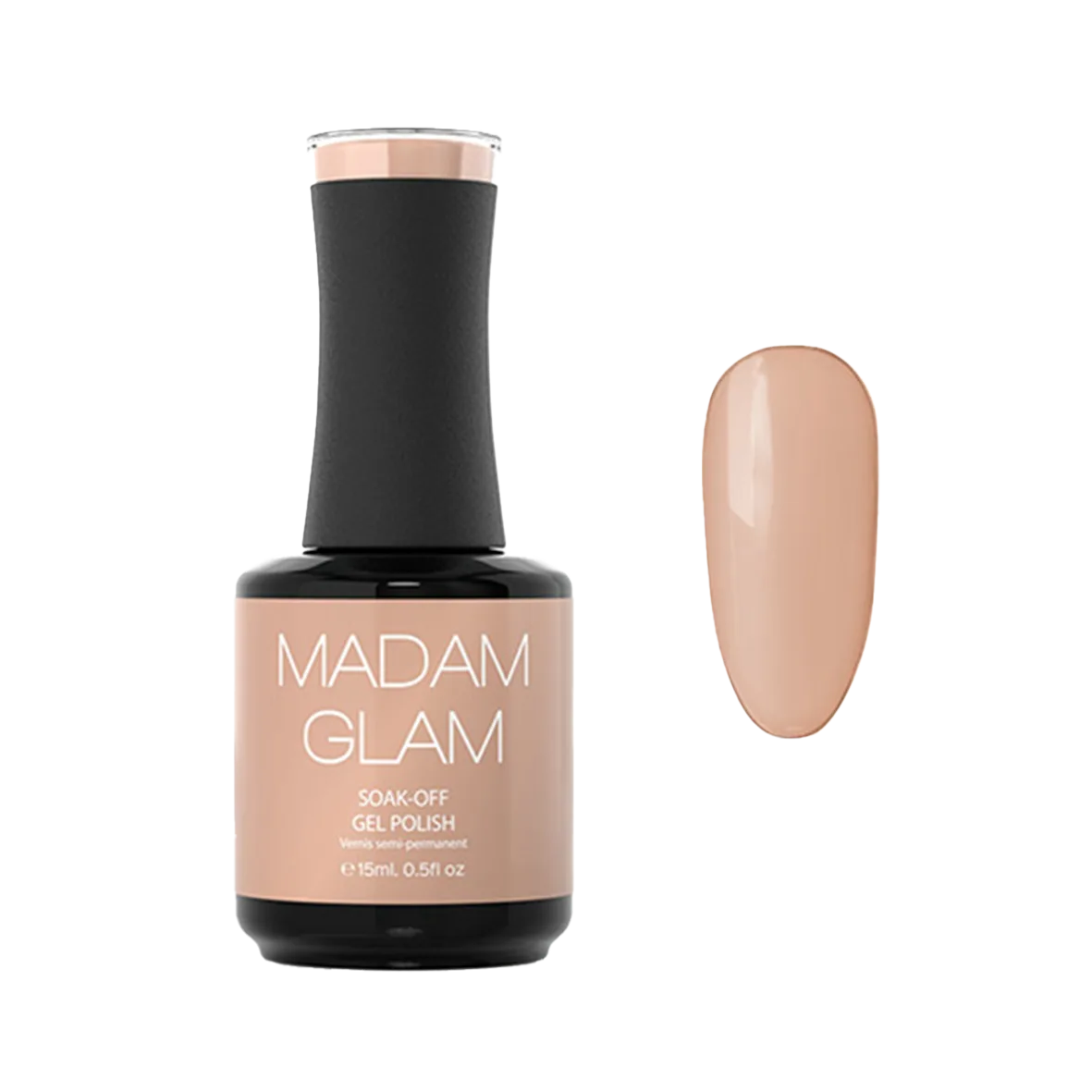
Tortoiseshell works because light passes through translucent layers. When those layers blend too much, the design reads as a brown smear rather than distinct amber, honey, and dark spots. The usual cause is applying blooming gel too thickly or dragging it with the brush after the jelly gel has already started to set. Blooming gel is designed to spread on its own; if you brush it after it begins to bloom, you break the effect and create streaks. Apply it in one thin, floating pass and let it sit undisturbed. If you are working with the Tortoise Kit, remember it contains two jelly gels plus a cat-eye jelly and a blooming gel, so you have enough products to practice thin layering without running out.
bloom
Patchy spots and uneven color
Patchiness usually means the gel was not cured evenly or the base coat was too thick. A thick base coat cures unevenly and creates soft spots where the next layer grabs and pulls. Keep base coat thin, cure fully, and make sure your lamp is strong enough for the gel you are using. If you are using the Nail Tutorial - At-Home Gel Kit, it includes a KALI lamp and a base coat, so you can check that your lamp and base coat are matched. If patchiness appears only in the center of the nail, your application was likely too heavy in the middle; try floating the color from cuticle to tip in one stroke rather than dabbing.
Cat-eye effect that disappears
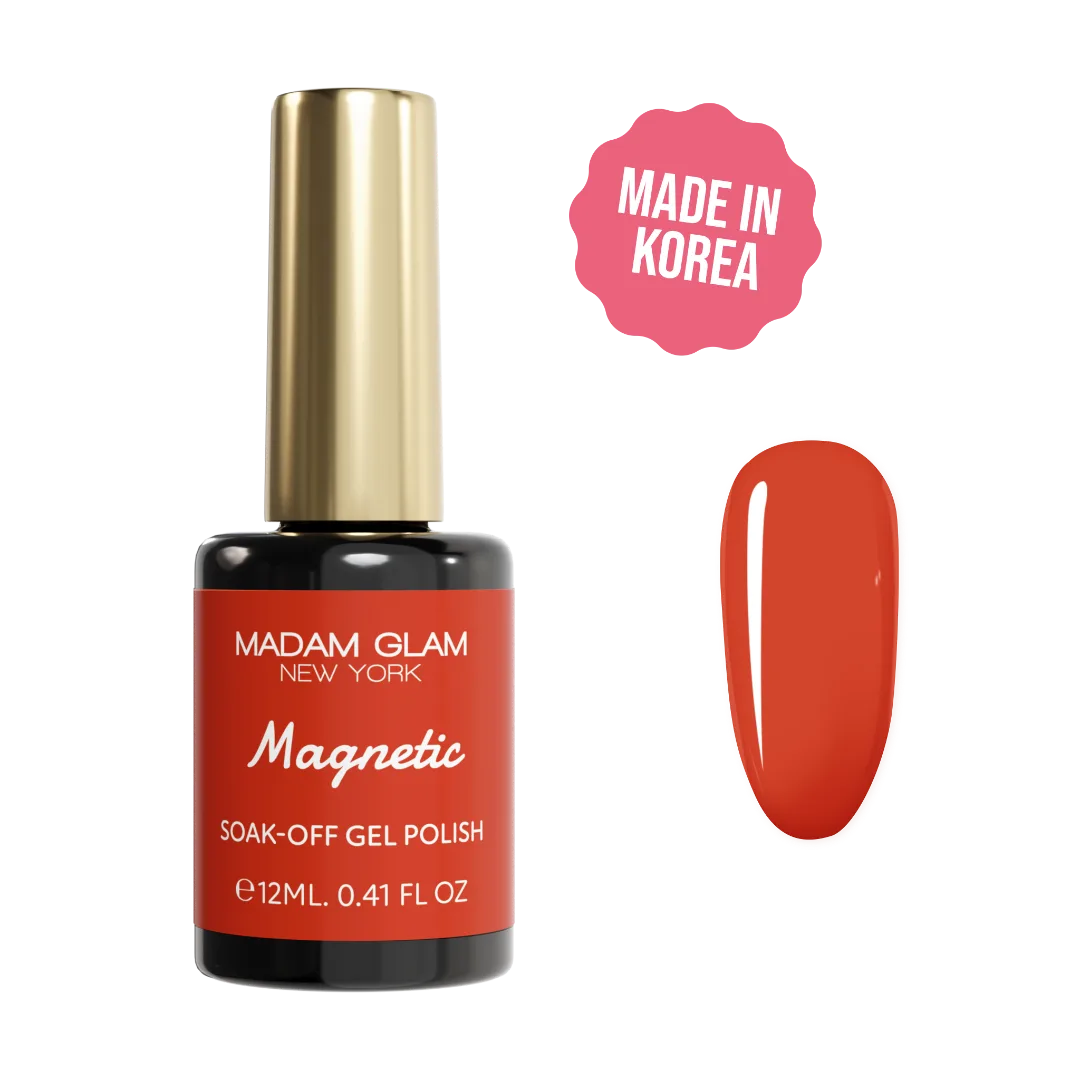
Cat-eye jelly gels need a magnetic field to pull the shimmer into a line. If the line fades, you either moved the magnet too far away or waited too long before curing. Hold the magnet close, about 1–2 mm from the surface, for 5–10 seconds, then cure immediately. Do not apply top coat before curing the cat-eye layer, or the shimmer will scatter. The Tortoise Kit includes a cat-eye jelly gel, so practice the magnet technique on a swatch before doing a full set.
magnetic
When to stop and try a different approach
If you have corrected your layer thickness, curing times, and blooming gel technique and the design still looks muddy, the problem may be the color pairing. Tortoiseshell relies on contrast: a dark jelly, a warm amber, and a nearly clear layer. If your jellies are too similar in tone, the effect will always look flat. At that point, switch to a different design or add a nail art ink for sharper details. The Coral Nail Art Ink is an air-dry formula that dries in about 60 seconds and is not a soak-off gel, so it can add fine lines or spots without disturbing the gel layers underneath. Use it only after the gel is fully cured and wiped.
Troubleshooting guide: symptom, cause, fix
- Muddy, blended design: Blooming gel applied too thick or brushed after it started to spread. Apply one thin floating pass and do not touch it. If it still blends, reduce the amount of blooming gel and increase the cure time between layers. If three attempts still blend, switch to a simpler two-tone tortoise look.
- Patchy or uneven color: Base coat too thick or lamp not curing evenly. Apply base coat thin, cure fully, and check that your lamp matches the gel manufacturer's recommendation. If patchiness continues, try a different base coat or lamp. Stop if the base coat still feels tacky after curing; do not apply color over uncured gel.
- Cat-eye line fades: Magnet held too far away or cured too late. Hold the magnet 1–2 mm from the surface for 5–10 seconds and cure immediately. Do not apply top coat before curing the cat-eye layer. If the line still fades, the cat-eye gel may be too old or the magnet too weak; replace the gel or magnet.
- Design looks flat, not layered: Jelly tones lack contrast. Use one dark, one warm amber, and one nearly clear layer. If your kit does not have enough contrast, add a nail art ink for fine details after curing. If contrast is still poor, the kit's color range may not suit tortoiseshell; consider a different design.
Products that help with tortoise kit troubleshooting
- Tortoise Kit: Bundle includes 2 Jelly Gels, 1 Cat-Eye Jelly Gel, 1 Art Blooming Gel, and 2 tools, 15 ml each. Having two jelly tones plus a blooming gel lets you build depth without mixing custom colors, and the included tools reduce the chance of using the wrong brush for blooming gel.
- Nail Tutorial - At-Home Gel Kit: At-Home Gel Kit includes 1 Base Coat, Apple Martini and Touches of Silver, 1 Nail File, 1 Pair of UV Protection Gloves, and a KALI Lamp. A matched base coat and lamp remove two common causes of patchy curing, and the gloves protect your hands during repeated practice sessions.