Quick Answer
Choose a travel backpack when you will carry the load for hours, walk between transit stops, or need both shoulders free. Choose a carry on tote bag when your trip is short, your route is mostly door-to-door, and you want fast access to documents and small items. If you are unsure, pack a tote as your personal item bag and wear a backpack as your main carry-on.
How the Two Bags Carry Differently
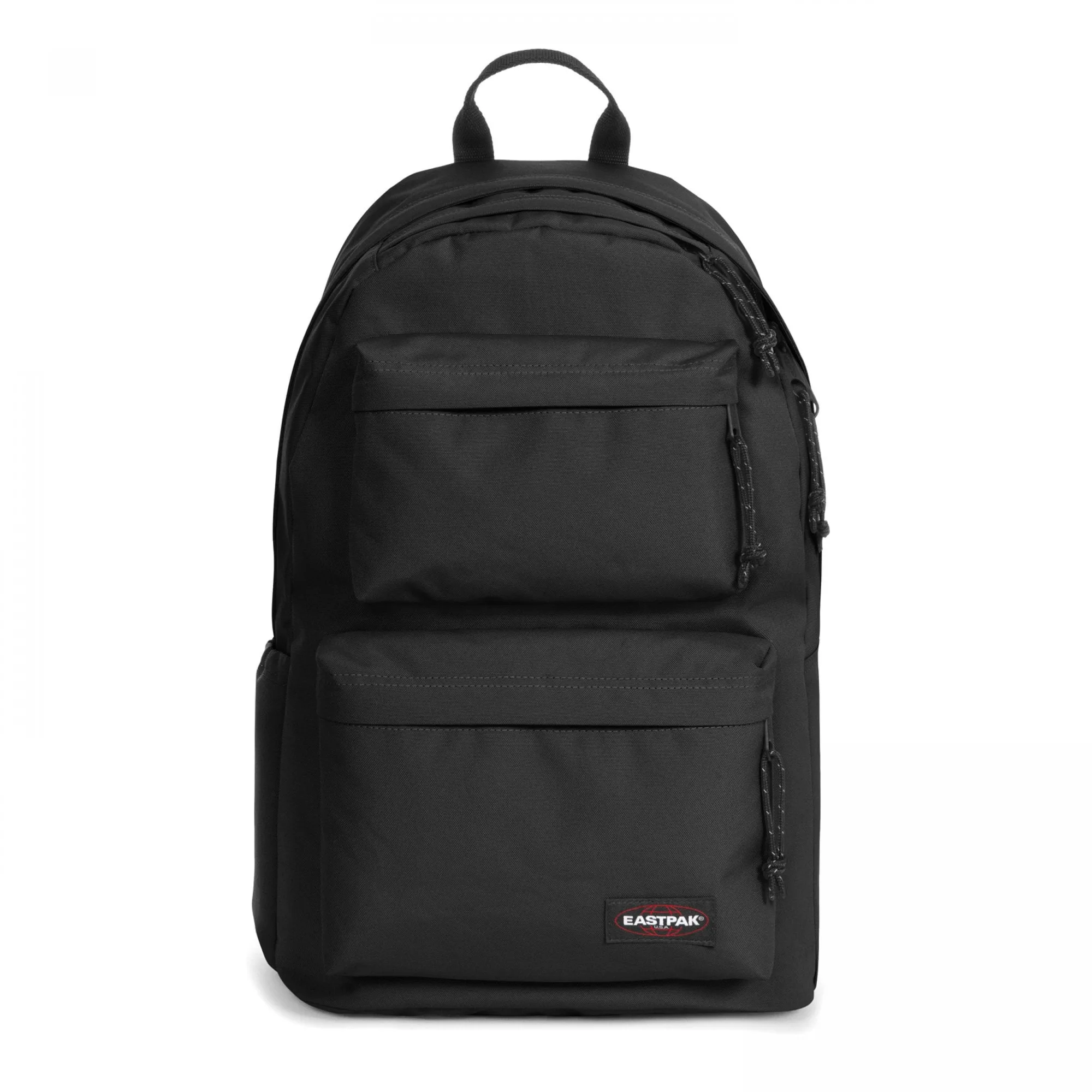
A travel backpack comparison usually focuses on capacity, but the real difference is where the weight sits. A backpack puts the load on both shoulders and your hips, which keeps your hands free for tickets, a phone, or a coffee. A tote hangs from one shoulder or your hand, so the same weight feels heavier after a long walk through a station or airport.
That single-shoulder load is not automatically bad. For a short flight, a train ride, or a car trip, a tote is easier to slide under a seat or drop beside you. The trade-off is simple: backpacks win on distance and comfort, totes win on speed and access.
Access and Organization on the Move
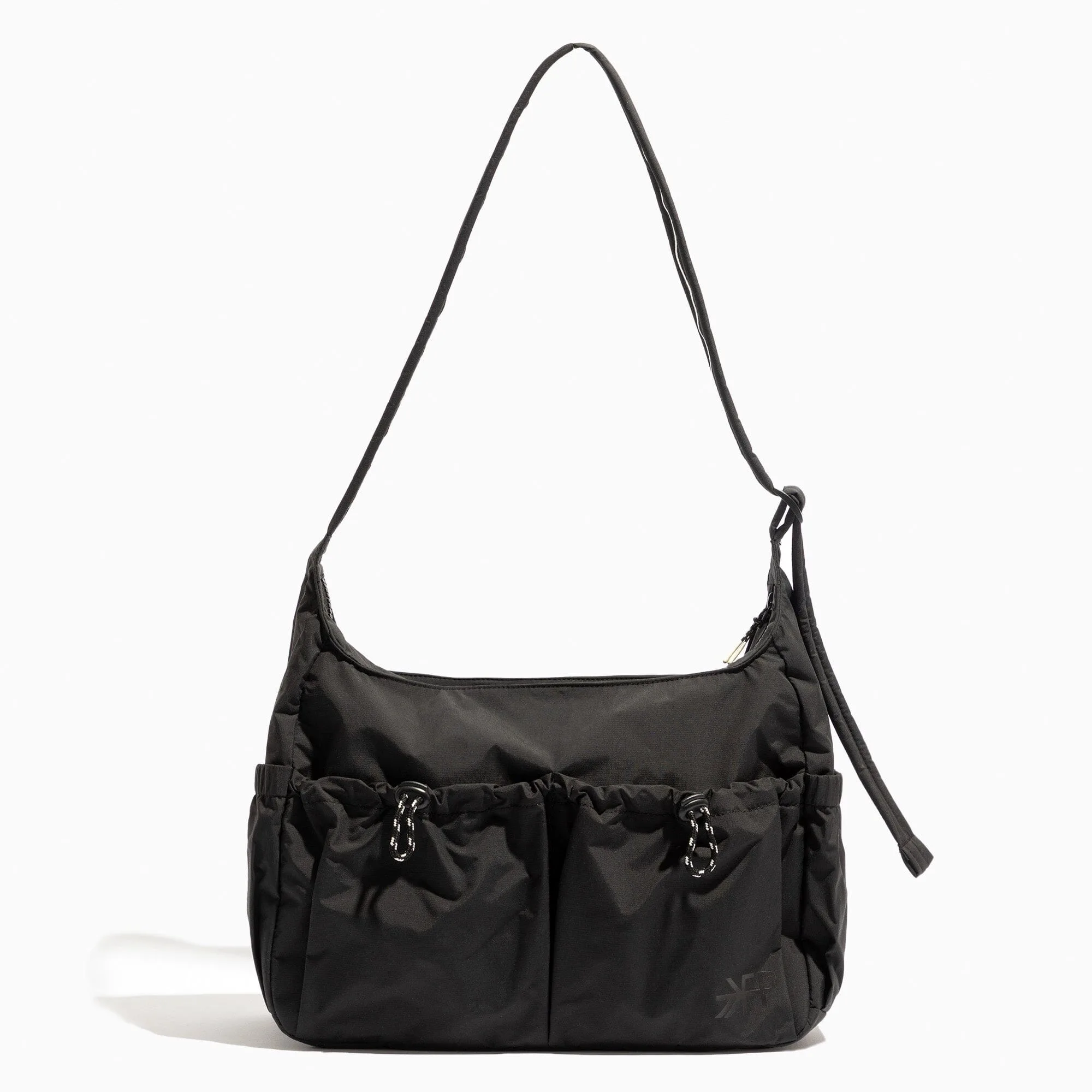
Totes typically open wide across the top, so you can reach a passport, wallet, or charger without taking the bag off your shoulder. Backpacks often need to come off your back and be unzipped before you can find anything, which is awkward in a crowded aisle.
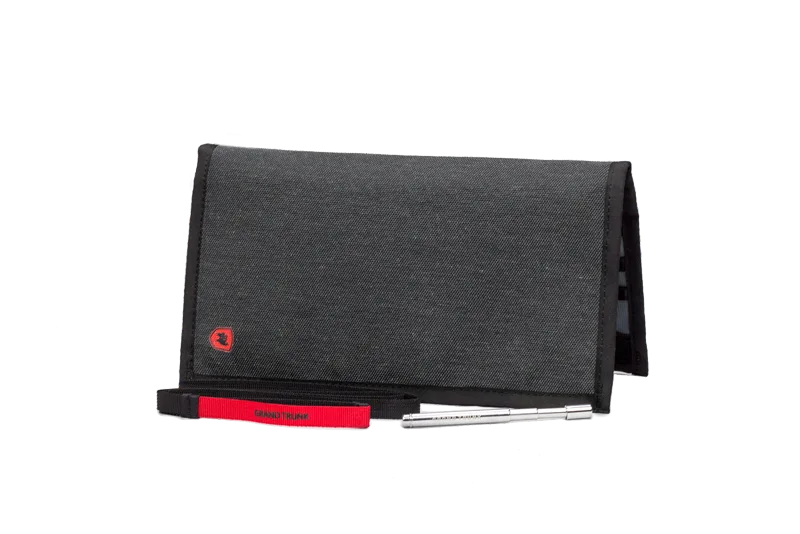
Small organizers change this balance more than the bag shape does. A dedicated document holder keeps passports, cards, and tickets in one place, so you are not digging through either bag at the gate. If you carry several documents as a trip leader, that organization matters more than whether the bag has one strap or two.
Packing Style and What Fits
Totes are usually a single open compartment, which rewards pouches and packing cubes but punishes loose items. Backpacks often add side pockets, compression, and laptop sleeves, which suit structured packing and electronics.
For travel bag packing, decide first whether you are packing for a weekend or a week. A tote works well when you pack flat and light. A backpack works better when you need to carry bulky layers, a laptop, or gear that has to stay organized. Whichever you pick, keep the bag you will open most often as your personal item bag and the one you will open least as your overhead carry-on.
Trade-Offs at a Glance
- Carry comfort: A backpack distributes weight across both shoulders and hips; a tote loads one shoulder or hand. Pick the backpack if you will stand or walk with the bag for more than about 20 minutes at a time.
- Access speed: A tote opens wide and stays reachable on your shoulder; a backpack usually has to come off your back to open fully. Pick the tote if you will open the bag repeatedly for documents, a wallet, or a phone.
- Packing structure: Totes reward pouches and cubes in one open compartment; backpacks often add pockets, compression, and laptop sleeves. Pick the backpack if your packing list includes a laptop or bulky layers that need to stay organized.
Small Gear That Makes Either Bag Work
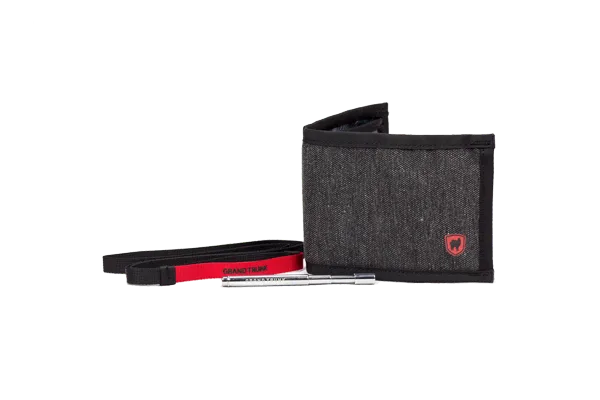
- Bi-Fold Wallet: Slim design with a lanyard so you can wear the wallet under your clothing when adventuring off the beaten path. In a tote, a loose wallet is the first thing to disappear in a crowd; wearing it under clothing removes that risk without adding bulk.
- Passport Holder & Organizer: Designed for trip leaders carrying multiple documents such as tickets, passport, credit cards, travelers' checks, and IDs. If you carry more than one passport or a stack of tickets, this keeps them together so a tote's open top does not turn into a search every time you reach in.
Which Should You Carry?
Best for
- Short trips where you go door-to-door and rarely carry the bag for long
- Travelers who need fast access to a passport, wallet, or tickets
- Anyone using a tote as a personal item bag alongside a larger carry-on
Not for
- Long walks between transit stops or multi-hour carries
- Trips where you need both hands free for most of the day
- Packing a laptop plus bulky layers in a single open compartment