Severe bleeding is one of the most critical emergencies you can encounter. Whether from an accident, injury, or disaster, knowing how to control bleeding can mean the difference between life and death. Among the most effective tools for stopping severe bleeding is the tourniquet, a device designed to apply pressure to a limb to halt blood flow. In this article, we explore the role of tourniquets, how they work, and the guidelines for their use in emergency situations.
Tourniquets have evolved significantly over the years, and modern designs like the CAT (Combat Application Tourniquet) have proven highly effective in both military and civilian settings. Understanding when and how to use a tourniquet is essential for anyone who wants to be prepared for emergencies, whether at home, in the workplace, or during outdoor adventures.
What Is a Tourniquet and How Does It Work?
A tourniquet is a constricting device used to control venous and arterial circulation to a limb. It works by applying circumferential pressure to the extremity, compressing the blood vessels and stopping blood flow to the area beyond the device. This is particularly crucial in cases of severe arterial bleeding, where blood loss can be rapid and life-threatening.
Modern tourniquets, such as the CAT, are designed for quick application and effective pressure. They typically feature a windlass system that allows for precise tightening, and a securing mechanism to keep the device in place once applied. The effectiveness of a tourniquet depends on proper application, including correct placement and sufficient tightness to stop bleeding.
- Tourniquets are for limb injuries only—they should not be used on the head, neck, or torso.
- Place the tourniquet 2-3 inches above the bleeding site, avoiding joints.
- Tighten until bleeding stops, and note the time of application.
When Should You Use a Tourniquet?
Tourniquets are reserved for severe, life-threatening bleeding that cannot be controlled by direct pressure. Examples include major limb injuries, traumatic amputations, or wounds with pulsatile bleeding. In these situations, a tourniquet is the fastest and most effective method to prevent exsanguination.
It's important to recognize that tourniquet use is not without risks, such as tissue damage or nerve injury, but in a life-threatening scenario, the benefits far outweigh the risks. The American College of Surgeons and other medical organizations endorse early tourniquet use in severe bleeding cases, especially in mass casualty incidents or when immediate medical care is not available.
- Use a tourniquet only if bleeding is severe and direct pressure fails.
- In mass casualty events, apply a tourniquet before treating less severe injuries.
- Once applied, do not remove the tourniquet unless by medical professionals.
Tourniquet Guidelines and Best Practices
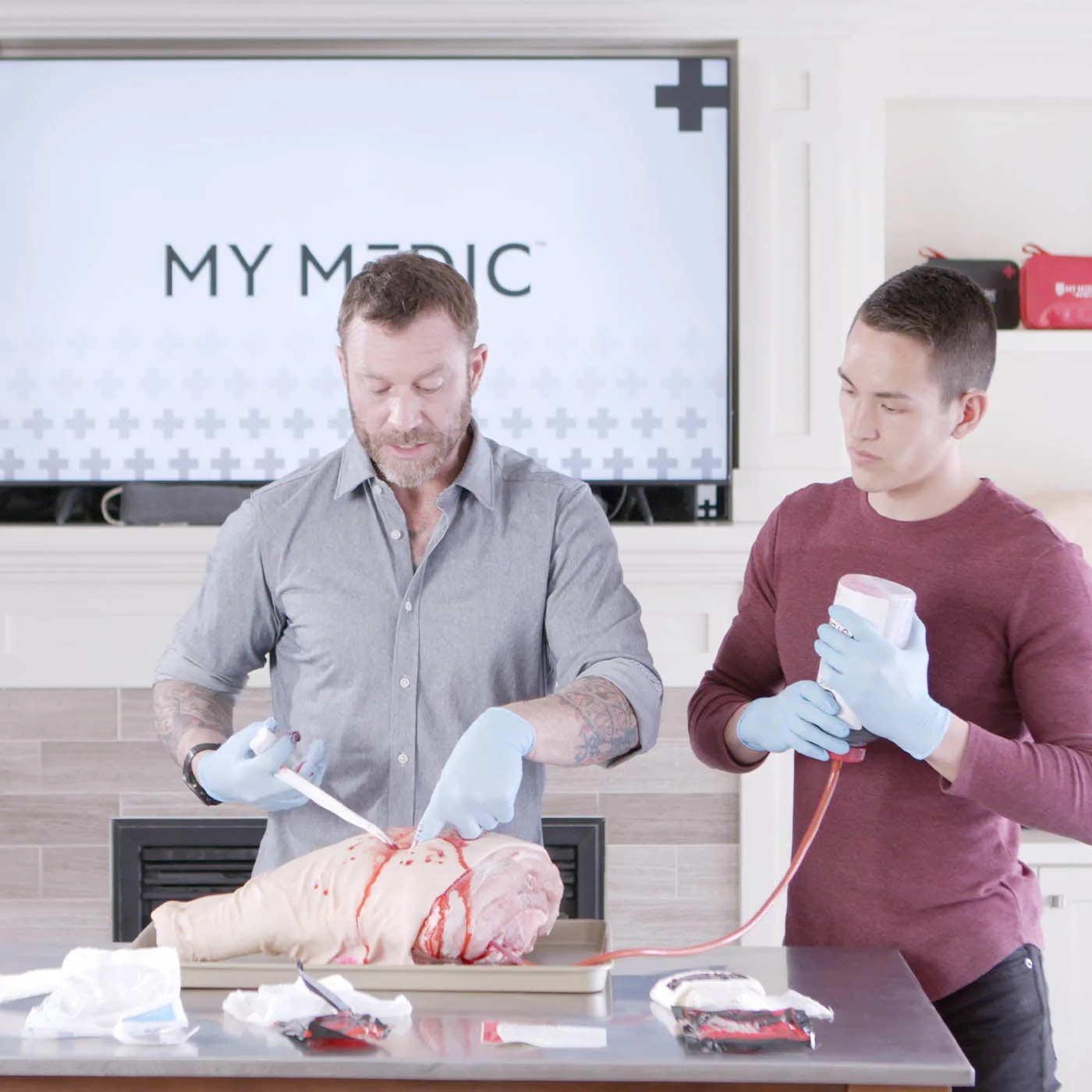
Proper training is essential for effective tourniquet use. Many first aid courses now include hands-on practice with tourniquets, and it's recommended that individuals refresh their skills regularly. Key guidelines include applying the tourniquet as quickly as possible, ensuring it is tight enough to stop bleeding, and documenting the time of application.
When using a tourniquet, it's also important to have a backup plan. If the first tourniquet fails to stop bleeding, a second one may be placed proximal to the first. Additionally, tourniquets should be left in place until the patient receives advanced medical care, as premature removal can cause rebleeding and complications.
- Practice applying a tourniquet on yourself and others to build muscle memory.
- Keep a tourniquet in your first aid kit, car, and workplace for quick access.
- Label the tourniquet with the time of application if possible.
Tourniquet Training and Preparedness
While tourniquets are straightforward to use, training significantly improves outcomes. Many organizations offer courses on bleeding control, including the American Red Cross and Stop the Bleed. These courses teach not only tourniquet application but also wound packing and other techniques for severe bleeding control.
In addition to training, having the right equipment is crucial. A high-quality tourniquet, such as the CAT, should be part of every first aid kit. It's also wise to carry a backup, as a single tourniquet may not be sufficient in a mass casualty event. For those looking to customize their kit, options like the My Medic Sidekick Bag allow you to include a tourniquet and other essential tools tailored to your needs.
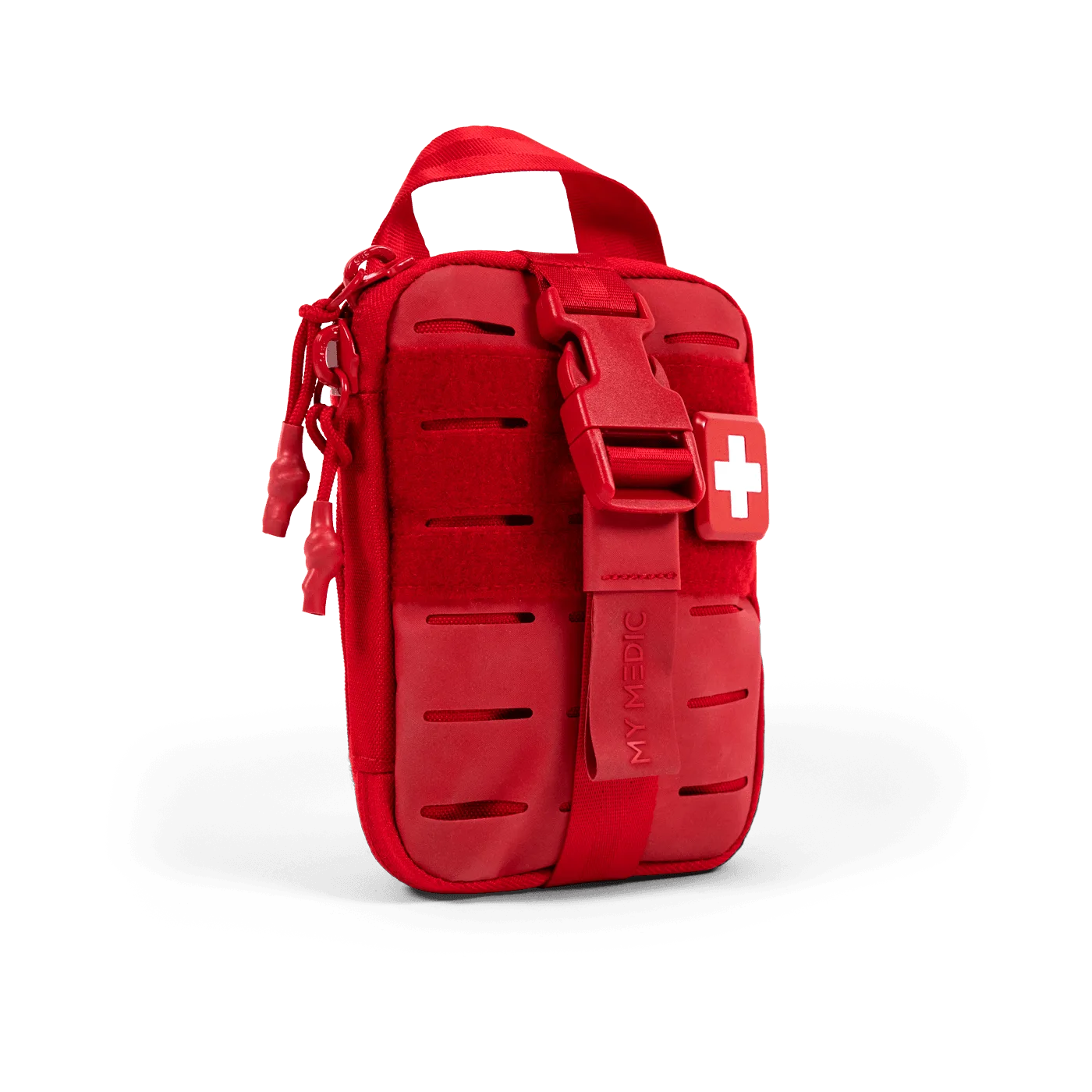
Sidekick
- Take a Stop the Bleed course to learn hands-on techniques.
- Regularly check your tourniquet for damage or wear.
- Include a tourniquet in every first aid kit, including those for your vehicle and home.
Tourniquets are indispensable tools for controlling severe bleeding and saving lives. By understanding their role, following guidelines, and receiving proper training, you can be prepared to act confidently in an emergency. Ensure your first aid kit is equipped with a reliable tourniquet and consider adding one from our selection, such as the Leatherman Skeletool RX, which includes integrated tools for emergency situations. Explore our range of first aid supplies to enhance your preparedness today.