Tourniquets have become a hot topic in civilian first aid, especially with the rise of active shooter preparedness and outdoor adventures. Yet, many people still believe outdated myths that can cost lives. In this article, we'll separate fact from fiction, explore the latest guidelines, and show you how to use a tourniquet effectively.
Whether you're a hiker, a parent, or an everyday commuter, knowing the truth about tourniquets could make the difference in a life-threatening emergency. Let's dive into the most common misconceptions and the real facts you need to know.
Myth #1: Tourniquets Are Only for Military or Medical Professionals
One of the most pervasive myths is that tourniquets are too complex for civilians to use. In reality, modern tourniquets are designed for simplicity and speed. The U.S. military's widespread use of tourniquets in Iraq and Afghanistan proved that even minimally trained soldiers can apply them effectively, saving countless lives.
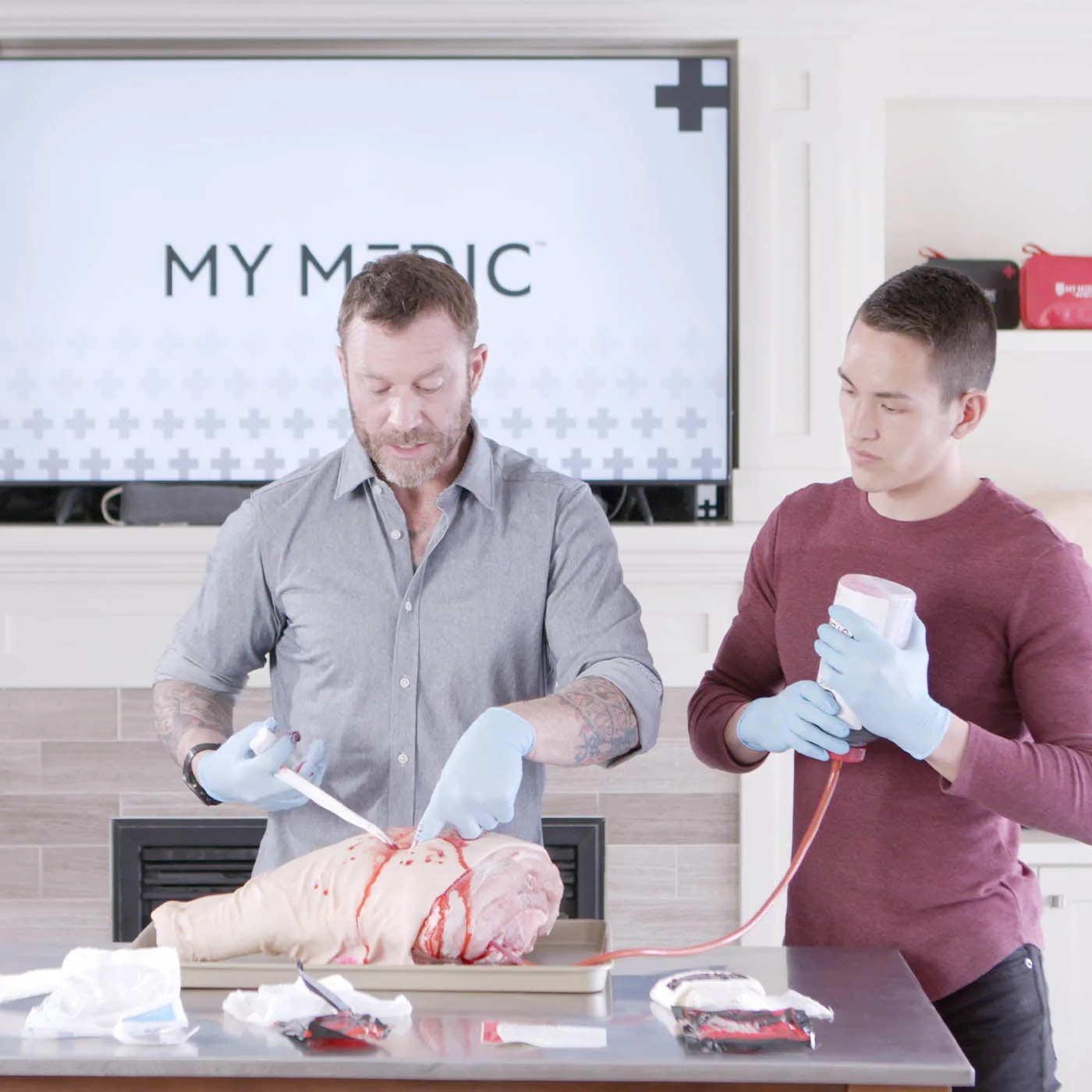
Today, civilian first aid organizations, including the American Red Cross and Stop the Bleed, actively encourage laypeople to carry and use tourniquets. With proper training—which can be as short as 15 minutes—anyone can apply a tourniquet correctly. The key is to practice before an emergency, so you're ready when it counts.
- Take a Stop the Bleed course or watch online tutorials to build confidence.
- Keep a tourniquet in your car, home, and everyday carry bag.
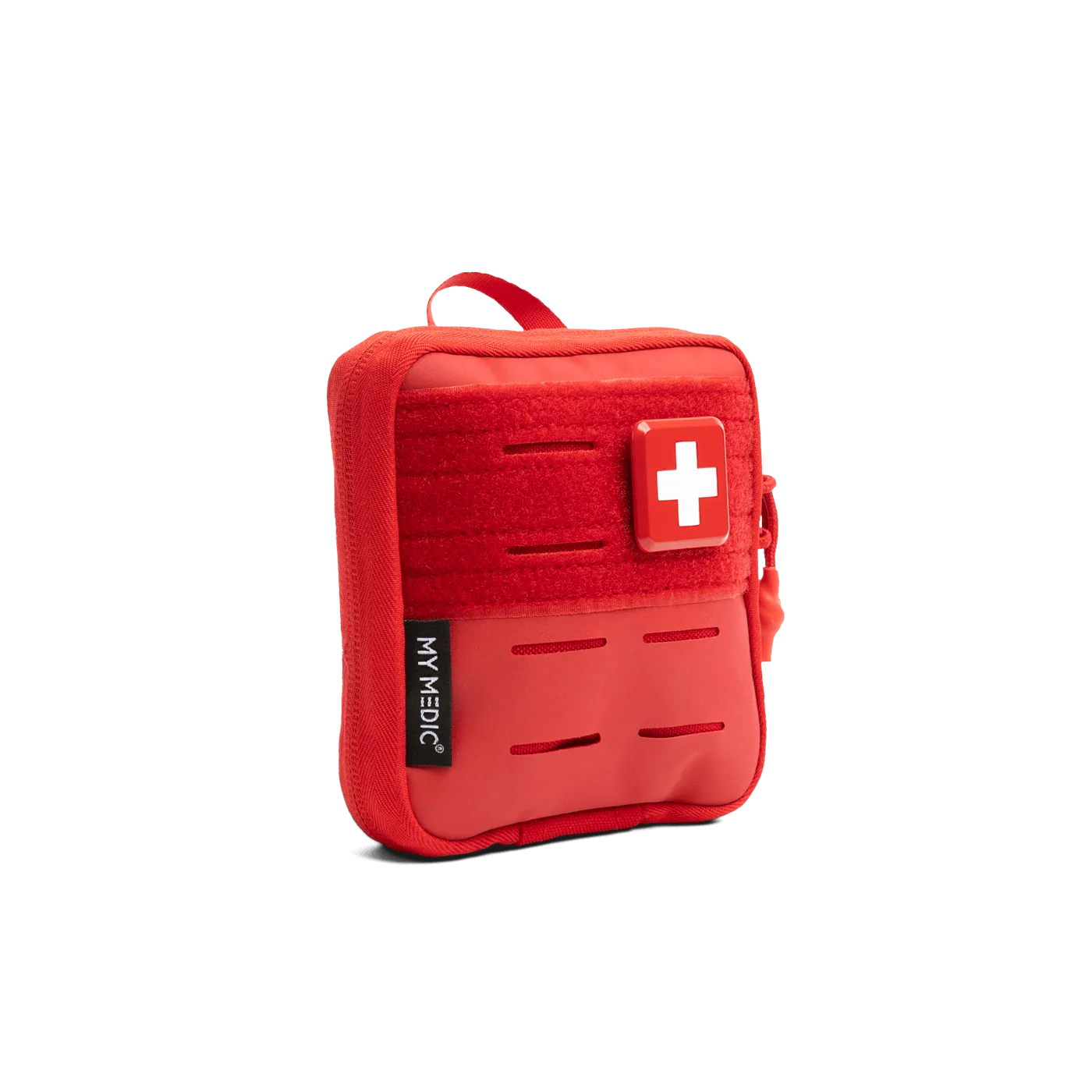
everyday carry
Myth #2: Tourniquets Always Lead to Amputation
Many people fear that applying a tourniquet will inevitably result in losing the limb. This fear stems from outdated medical practices and a lack of understanding about modern tourniquet use. In reality, the risk of amputation from a properly applied tourniquet is extremely low, especially when the tourniquet is used for less than two hours.
The decision to apply a tourniquet is a life-over-limb trade-off. If a limb is severely bleeding and you can't control it with direct pressure, a tourniquet is the only way to prevent the person from bleeding to death. Medical professionals can often save the limb even after a tourniquet has been applied, as long as the patient reaches a hospital quickly.
- Remember: You can die from blood loss in minutes, but a limb can often be saved with prompt medical care.
- Never remove a tourniquet once applied—leave it to medical professionals.
Myth #3: You Should Only Use a Tourniquet as a Last Resort
There's a common misconception that tourniquets should be used only after all other methods have failed. While direct pressure is the first step, tourniquets should be applied immediately if bleeding is severe and pressure isn't controlling it. Waiting too long can lead to irreversible damage or death.
The 'Stop the Bleed' campaign emphasizes that tourniquets are a critical tool for severe bleeding, not a last resort. In fact, the faster a tourniquet is applied, the better the outcome. If you can't control bleeding with direct pressure within a few minutes, don't hesitate—apply a tourniquet.
- Apply a tourniquet 2-3 inches above the bleeding site, never over a joint.
- Tighten until bleeding stops—this may be painful but is necessary.
Myth #4: Homemade Tourniquets Are Just as Effective
Some people believe that a belt, rope, or piece of cloth can work as a tourniquet in an emergency. While improvisation is better than nothing, homemade tourniquets are often ineffective and can cause more harm than good. They may not be wide enough to distribute pressure, leading to tissue damage, or they may loosen over time.
Commercial tourniquets, like the CAT (Combat Application Tourniquet) or similar models, are engineered to provide consistent, effective pressure. They have a windlass mechanism that allows for precise tightening and secure locking. Investing in a quality tourniquet is a small price for potentially saving a life.
- Consider adding a commercial tourniquet to your first aid kit—it's a life-saving investment.
- If you must improvise, use a wide piece of fabric and a stick for a windlass, and secure it tightly.
Myth #5: Tourniquets Are Only for Extreme Situations Like Mass Shootings
While tourniquets are essential in mass casualty events, they are just as important in everyday accidents. Car crashes, industrial accidents, and severe cuts from tools or broken glass can cause life-threatening bleeding. Tourniquets are a vital part of any well-stocked first aid kit, whether at home, in the car, or on the trail.
Outdoor enthusiasts, in particular, should carry a tourniquet. A fall while hiking or a chainsaw accident can quickly turn into a life-threatening emergency. Having a tourniquet and knowing how to use it can mean the difference between life and death, even in remote locations.
- Add a tourniquet to your hiking backpack, car emergency kit, and home first aid supplies.
- Practice applying a tourniquet on yourself and others to build muscle memory.
The Facts: What You Need to Know About Tourniquet Use
Now that we've debunked the myths, let's focus on the facts. Tourniquets are safe, effective, and easy to use when applied correctly. The key is to act quickly, place the tourniquet properly, and seek medical help immediately.
According to the American College of Surgeons, tourniquets should be used for severe bleeding that cannot be controlled by direct pressure. They should be applied 2-3 inches above the wound, never over a joint, and tightened until bleeding stops. Once applied, do not remove the tourniquet—even if the bleeding appears to stop. Only medical professionals should remove it.
- Always carry a tourniquet in your first aid kit, such as the MyFAK Mini, which includes essential trauma supplies.
- Consider adding a Tool MOD to your kit for quick access to essential tools in an emergency.
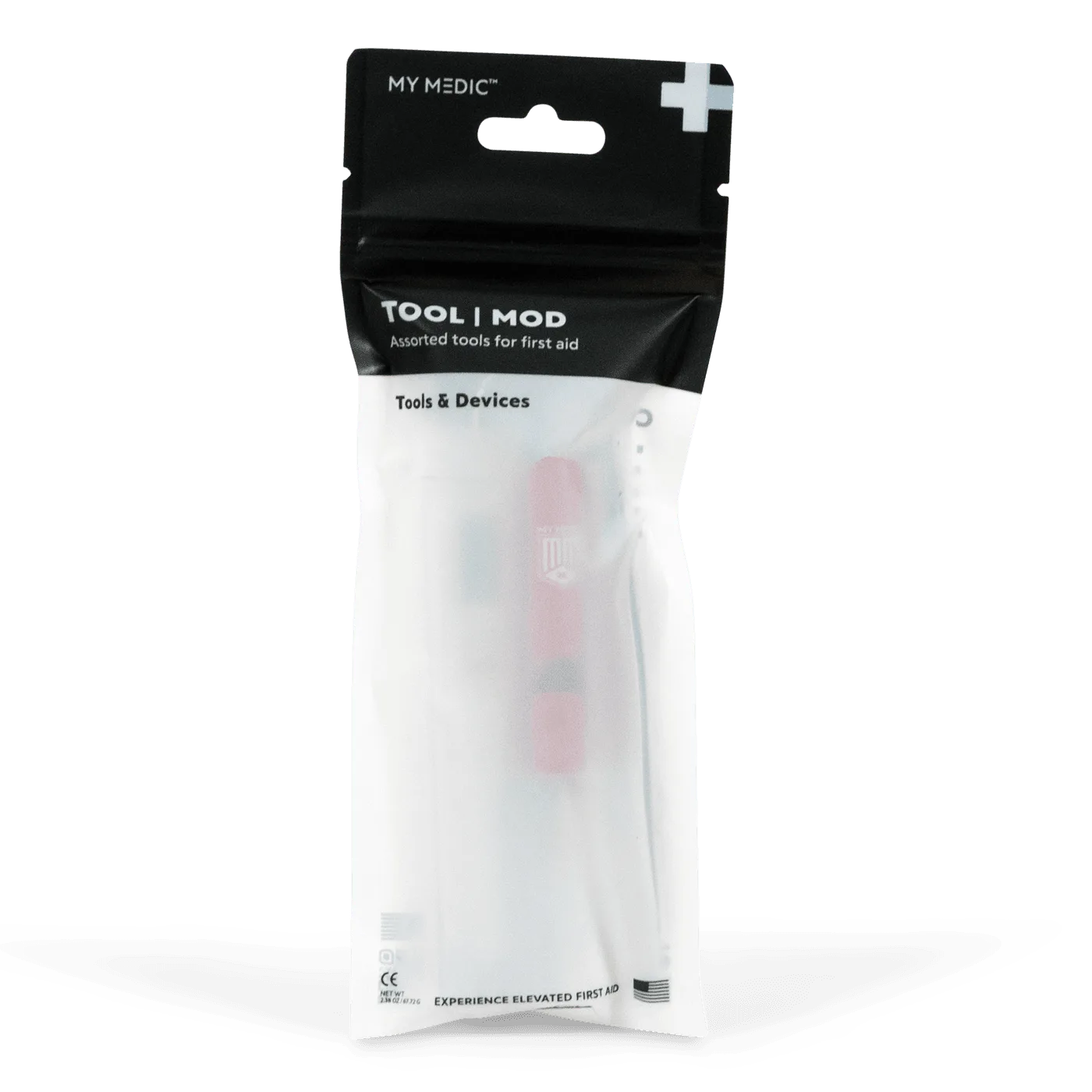
Tool MOD
Tourniquet Safety and Guidelines for Civilians
Tourniquet safety starts with proper training. Take a certified first aid course that includes tourniquet application, or participate in a Stop the Bleed class. These courses teach you how to recognize severe bleeding, apply a tourniquet, and care for the patient until help arrives.
It's also important to choose a tourniquet that meets the latest guidelines. Look for models that are approved by the Committee on Tactical Combat Casualty Care (CoTCCC), such as the CAT tourniquet. These are widely used by military and civilian professionals and have been proven to be effective in real-world scenarios.
- Check your tourniquet regularly for wear and tear, and replace it if damaged.
- Store your tourniquet in an easily accessible spot, not buried at the bottom of a bag.
Building a Bleeding Control Kit: What to Include
A well-prepared first aid kit should include a tourniquet, hemostatic dressings, and pressure bandages. These items work together to control severe bleeding. For example, the OLAES Modular Bandages are versatile and can be used for pressure dressings, while a tourniquet is essential for life-threatening limb bleeds.
You can also build a custom kit using modular components like the Mini Sprain and Fracture MOD to address specific injuries. The key is to have the right tools and the knowledge to use them effectively.
- Include a tourniquet, hemostatic gauze, and pressure bandages in your bleeding control kit.
- Consider adding a Wound Closure Kit for minor cuts that don't require a tourniquet.
Tourniquets are a life-saving tool that every civilian should understand and carry. By dispelling the myths and learning the facts, you can be prepared to act confidently in an emergency. Remember, the goal is to stop severe bleeding and get the victim to professional care as soon as possible. Equip yourself with the right knowledge and the right gear—like a quality tourniquet and a well-stocked first aid kit—and you could save a life.