Quick answer
For cold runs, layer the Trail Isolator Jacket 2.0 women's over a moisture-wicking base layer and a breathable mid layer, and adjust ventilation as your body warms up.
Why layering matters for cold runs
Running in cold weather creates a unique challenge: you start cold, but your body heats up quickly. The Trail Isolator Jacket 2.0 is designed for year-round use, but how you layer underneath determines whether you stay comfortable or overheat.
The jacket's packable design means you can easily stow it if the weather changes or you need to shed a layer mid-run.
Understanding the jacket's insulation
The Trail Isolator Jacket 2.0 is an insulated jacket, but it's also lightweight and packable. This means it provides warmth without bulk, but it's not a heavy winter parka. In very cold conditions, you'll need to add layers underneath.
Its reinforced shell and multiple pockets make it practical for dog sports, but the insulation level is moderate, so adjust your base and mid layers accordingly.
How to layer for cold runs
- Start with a moisture-wicking base layer: Choose a synthetic or merino base layer that pulls sweat away from your skin. Avoid cotton, which stays wet and makes you cold. A long-sleeve base layer is ideal for most cold runs. Check the fabric: if it's cotton, swap it for a wicking material.
- Add a breathable mid layer for insulation: On very cold days, add a fleece or lightweight hoodie over your base layer. This traps heat without adding bulk. For milder cold, skip this layer to avoid overheating. If you start sweating within the first 10 minutes, remove the mid layer.
- Put on the Trail Isolator Jacket 2.0 as your outer shell: Zip up the jacket over your layers. The insulation provides warmth, while the shell protects against wind and light precipitation. Ensure the jacket isn't too tight; you need room for air to circulate. Check mobility: you should be able to move your arms freely for canicross.
- Manage ventilation as you warm up: Use the jacket's zippers to dump heat. Open the main zipper partially or use pit zips if available. This prevents overheating while keeping your core warm. If you feel sweaty, open a zipper before you start sweating.
- Adjust layers for the second half of your run: As your body cools down after the run, add layers back or put on a dry base layer. The jacket's packable design makes it easy to carry an extra layer. Always have a dry layer ready for after the run to avoid getting chilled.
Product facts
-
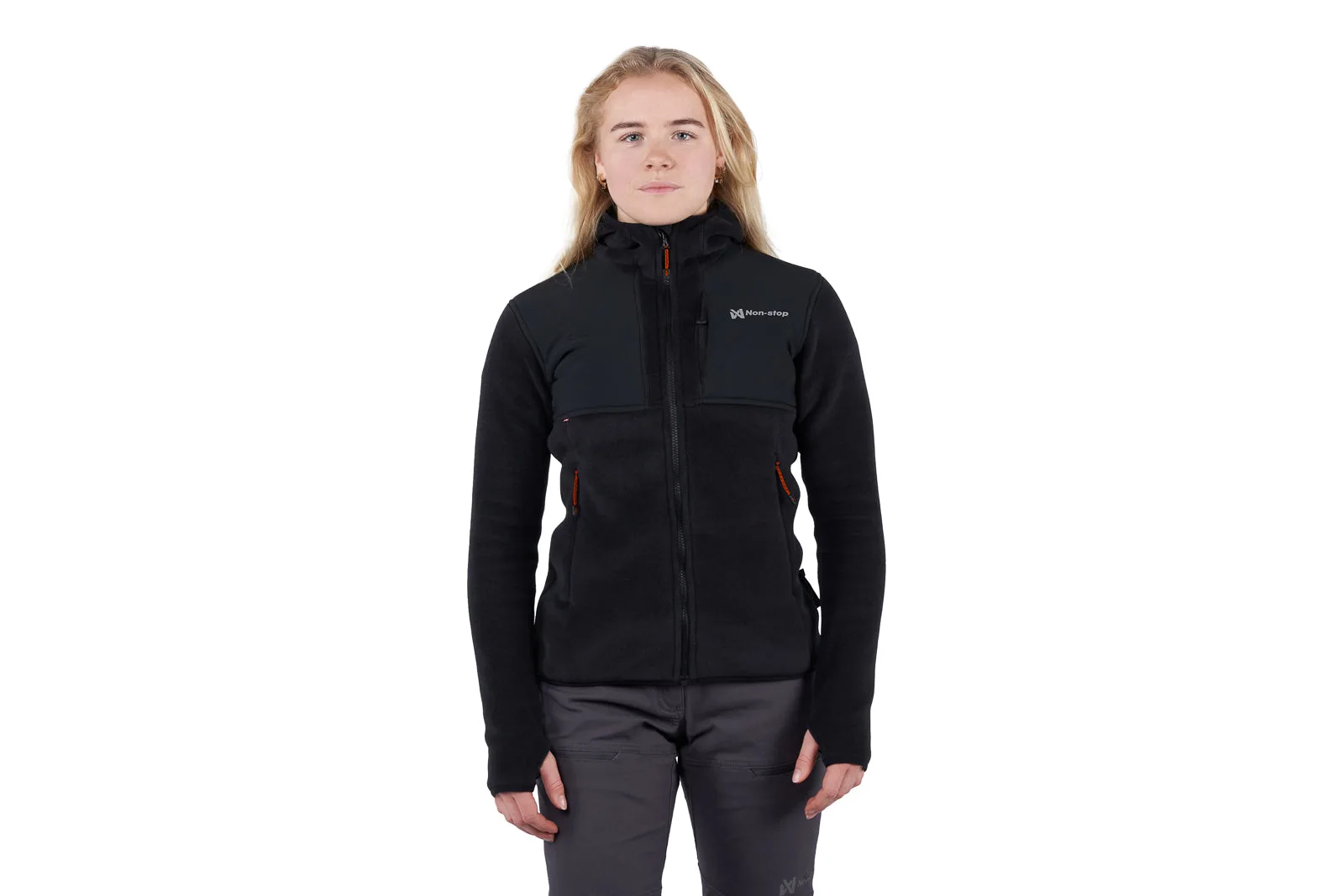
Trail isolator jacket 2.0 women's: The Trail Isolator Jacket 2.0 is lightweight and packable, with a reinforced shell and multiple pockets. You can easily carry it in a pack or stash it when you warm up, and the reinforced shell stands up to trail conditions.
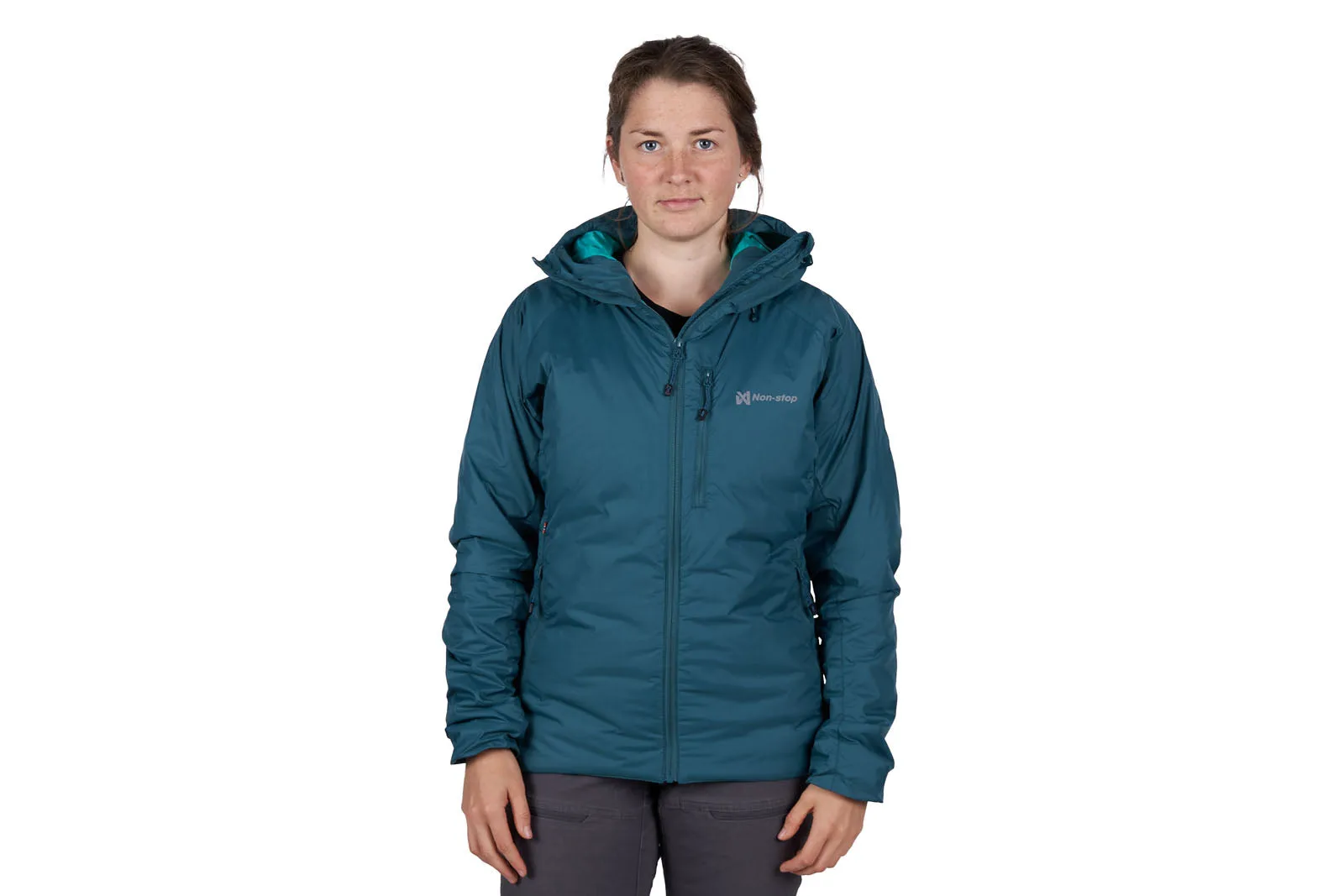
Trail isolator jacket 2.0 women's