Walking your dog should be a relaxing bonding experience, not a tug-of-war. Yet many dog owners struggle with pulling, lunging, and constant tension on the leash. The good news is that with the right equipment and consistent training, you can teach your dog to walk politely on a loose leash.
A no-pull harness is a game-changer. Unlike traditional collars that can strain your dog's neck, a no-pull harness distributes pressure evenly across the chest and shoulders, making it comfortable for your dog and easier for you to guide them. In this guide, we'll walk through proven steps to train your dog to walk on a loose leash using a no-pull harness.
Why a No-Pull Harness Helps with Loose Leash Training
A no-pull harness is designed to discourage pulling by redirecting your dog's forward momentum. When your dog pulls, the harness gently applies pressure to the chest (or front clip) which turns them slightly, making it less rewarding to pull. This gives you more control without causing pain or discomfort.
For effective training, choose a harness that fits well and is comfortable. For example, the FORMFIT® Mesh Harness is a popular choice because it's lightweight, breathable, and features a front clip that helps with loose leash training. It's also easy to adjust, ensuring a snug fit that prevents chafing.
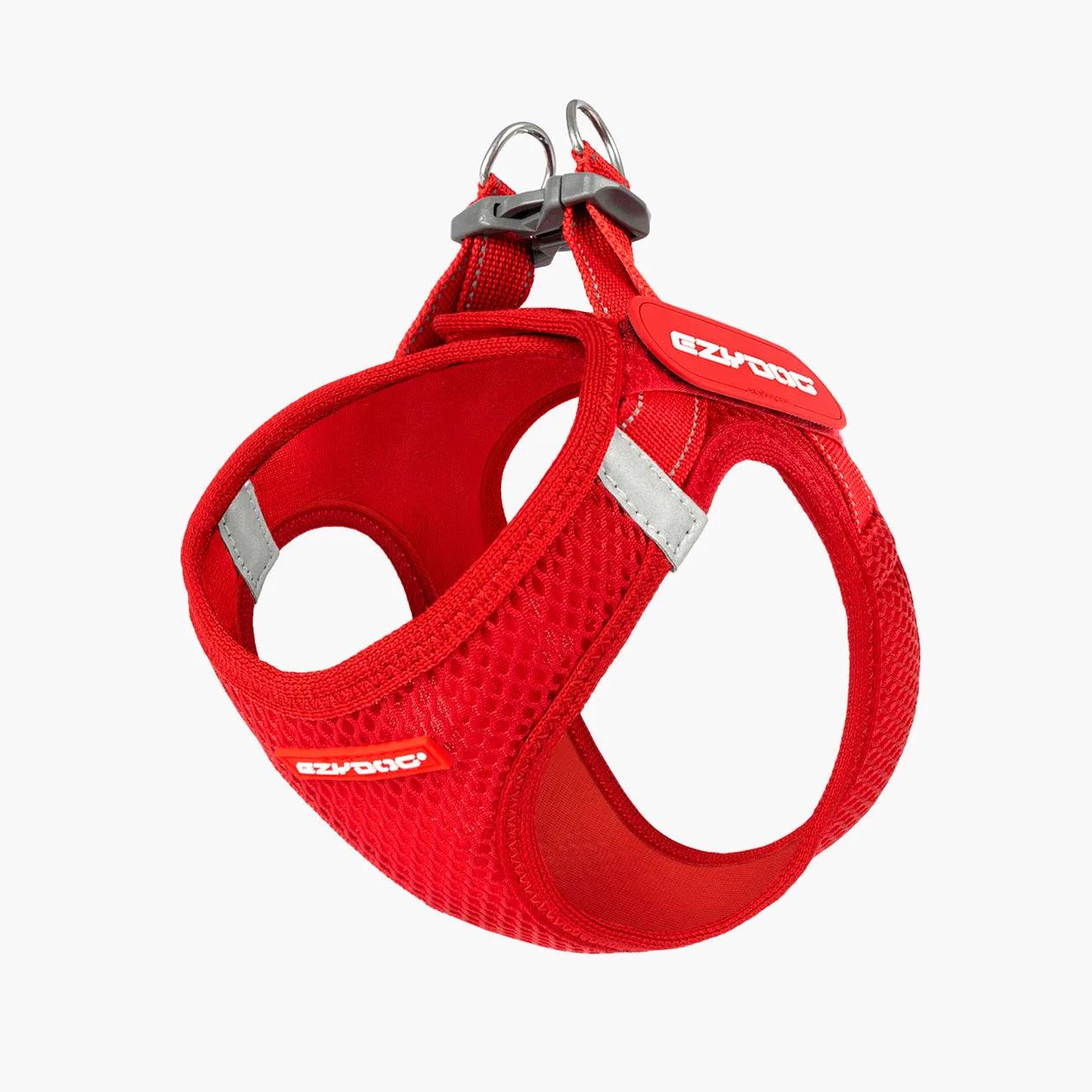
FORMFIT® Mesh Harness
Remember, a harness is a tool, not a magic solution. It works best when combined with positive reinforcement and consistent training techniques.
- Look for a harness with a front clip to reduce pulling.
- Ensure the harness fits snugly but allows full range of motion.
- Introduce the harness gradually with treats and praise.
Step-by-Step Loose Leash Training: From Setup to Success
Start training in a low-distraction environment like your living room or backyard. Attach a standard leash to the front clip of the harness. Hold the leash loosely, with enough slack that your dog can walk without tension. The goal is to keep the leash hanging in a 'J' shape.
Begin walking slowly. The moment your dog pulls ahead and the leash tightens, stop immediately. Wait for your dog to look back or step toward you. When they do, praise them and reward with a treat. Then continue walking. This teaches your dog that pulling stops the walk, while a loose leash keeps it moving.
Repeat this consistently. Over time, your dog will learn that staying by your side is more rewarding than pulling. Practice in different environments, gradually increasing distractions. Remember to keep sessions short (5-10 minutes) to maintain your dog's focus.
- Use high-value treats like small pieces of chicken or cheese.
- Change direction frequently to keep your dog engaged.
- Practice in short bursts to avoid frustration.
Common Mistakes to Avoid During Training
One common mistake is yanking or jerking the leash when your dog pulls. This can cause fear or anxiety, making training counterproductive. Instead, use the stop-and-wait method or simply change direction to redirect your dog's attention.
Another mistake is being inconsistent. If you allow pulling sometimes and correct it other times, your dog will be confused. Consistency is key. Also, avoid using a retractable leash, as it encourages pulling and makes it harder to communicate with your dog.
Finally, don't expect overnight results. Loose leash training takes time and patience. Celebrate small victories and keep training sessions positive.
- Never punish your dog for pulling; instead, redirect and reward.
- Use a fixed-length leash (6 feet) for training.
- Practice daily, even if it's just a few minutes.
Advanced Tips: Building Focus and Enjoying Walks
Once your dog understands the basics, you can add distractions gradually. Practice in a quiet park, then busier areas. Use the 'look at me' command to regain focus when your dog gets distracted. Reward your dog for checking in with you during the walk.
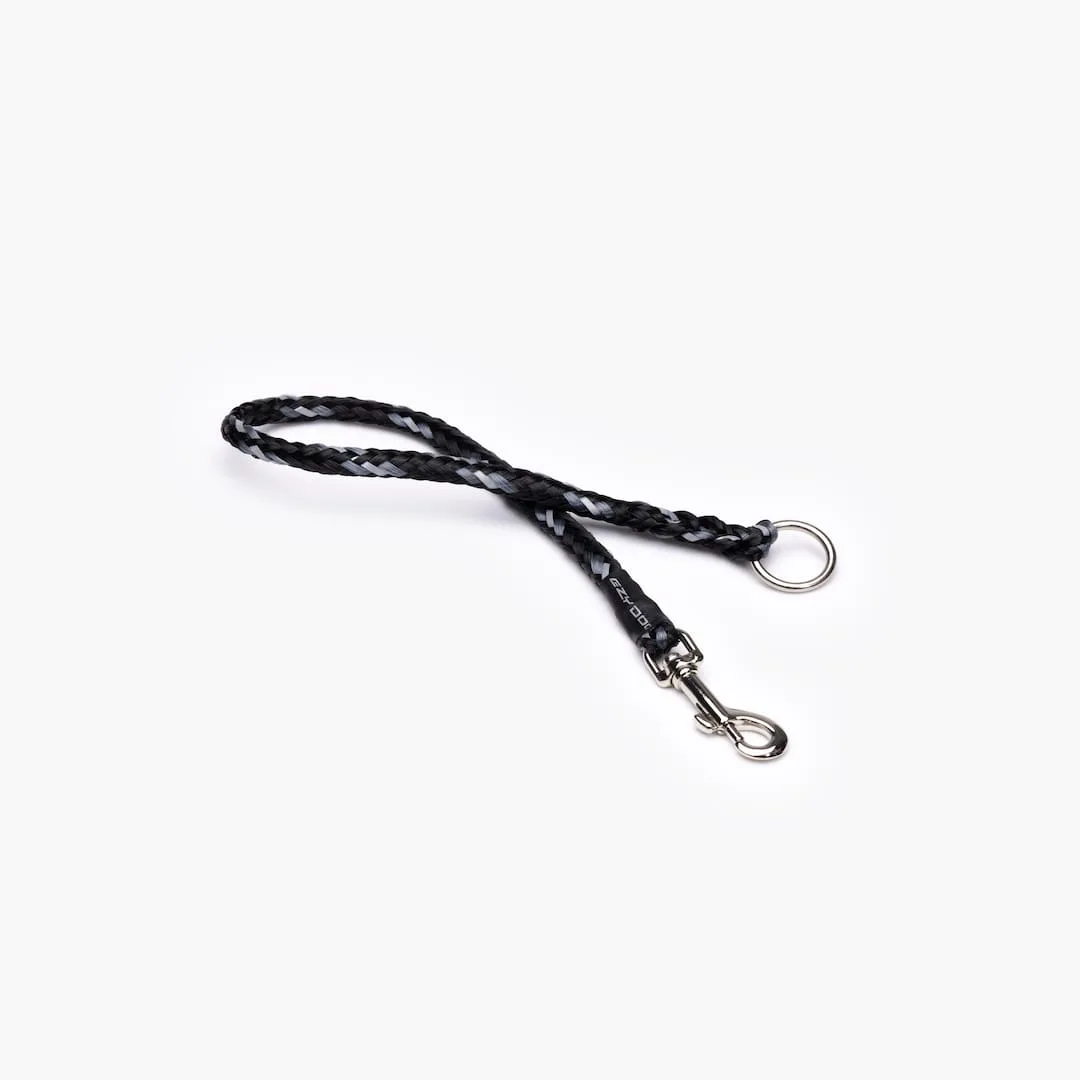
Consider using a hands-free leash or a coupler system if you have multiple dogs. The Zero ShockTM Couplers are great for walking two dogs together without tangling, and they help maintain loose leash manners for both dogs.
Remember to make walks fun. Incorporate short play breaks or sniffing time as rewards for good behavior. This keeps your dog engaged and reinforces that walking calmly leads to enjoyable experiences.
- Use a cue like 'watch me' to redirect attention.
- Allow sniffing breaks as a reward for loose leash walking.
- Gradually increase walk duration as your dog improves.
Training your dog to walk on a loose leash is a rewarding journey that strengthens your bond and makes every walk a pleasure. With a quality no-pull harness like the FORMFIT® Mesh Harness, you have the right tool to support your training efforts. Remember to be patient, consistent, and positive. Start today, and soon you'll both enjoy peaceful, stress-free walks together.