Dressing your dog in a bow tie can be a charming way to express their personality, but not every pup is immediately comfortable with accessories around their neck. Whether you're preparing for a special event or just want to add a touch of flair to daily walks, training your dog to accept a bow tie is a gentle process that builds trust and positive associations.
Using positive reinforcement techniques, you can help your dog feel relaxed and even happy wearing a bow tie. This guide will walk you through each step, from introducing the accessory to rewarding calm behavior, ensuring a stress-free experience for both of you.
Why Positive Reinforcement Works for Dog Accessories Training
Positive reinforcement is a training method that rewards desired behaviors, making your dog more likely to repeat them. When it comes to wearing a bow tie, this approach helps your dog associate the accessory with treats, praise, and play, rather than fear or discomfort. Unlike force-based methods, positive reinforcement builds confidence and strengthens your bond.
Dogs are sensitive to new sensations around their neck, especially if they are not used to collars or harnesses. By breaking down the training into small, manageable steps and rewarding each success, you teach your dog that the bow tie is a source of good things. This method is especially effective for puppies, rescue dogs, or any pet that may be nervous about new objects.
- Use high-value treats like small pieces of chicken or cheese.
- Keep training sessions short (2–5 minutes) to maintain focus.
- Always end on a positive note, even if progress is slow.
Step 1: Introduce the Bow Tie as a Neutral Object
Before placing the bow tie on your dog, let them investigate it at their own pace. Place the bow tie on the floor or a table and allow your dog to sniff it. Reward any calm or curious behavior with a treat and verbal praise. Repeat this for a few sessions until your dog shows no hesitation around the accessory.
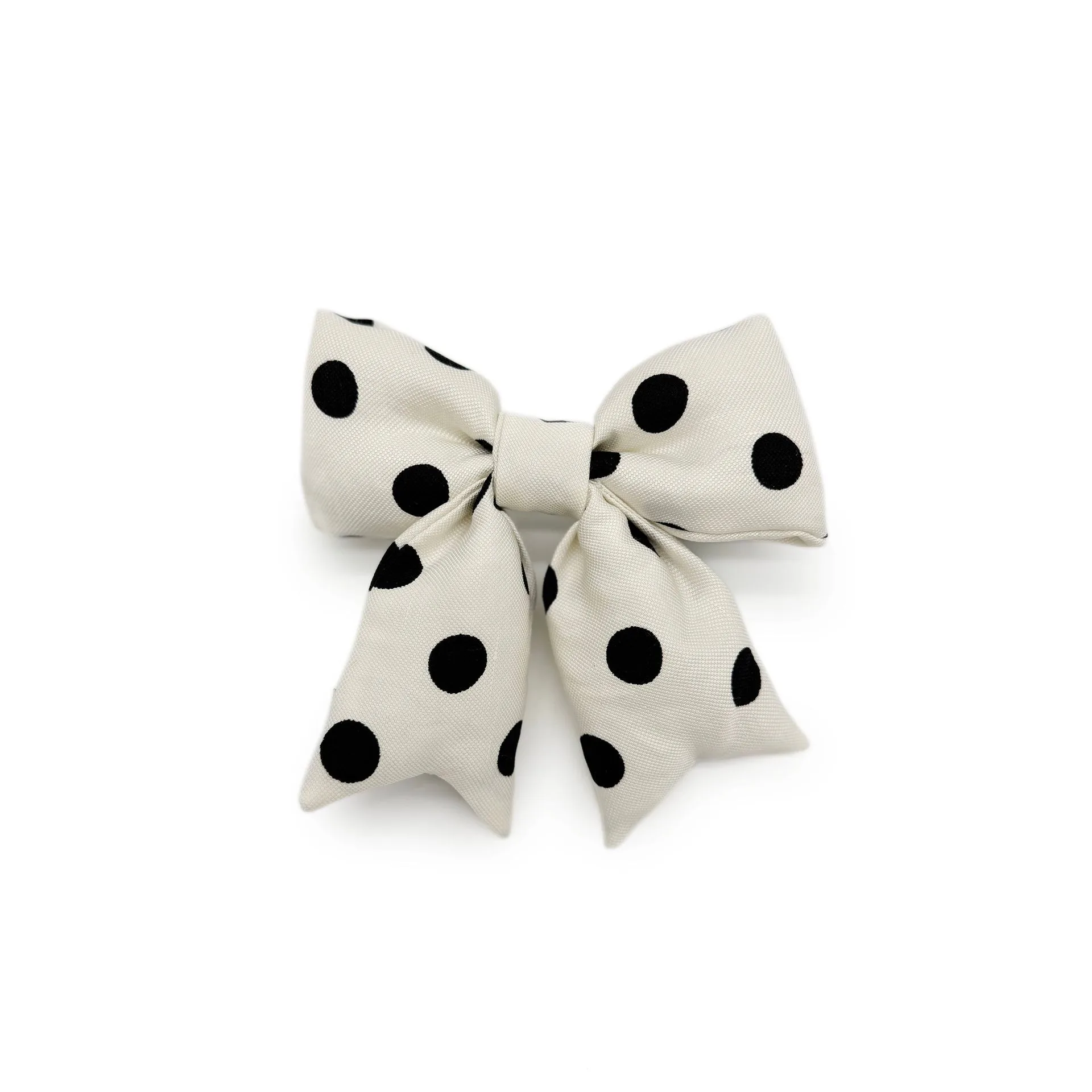
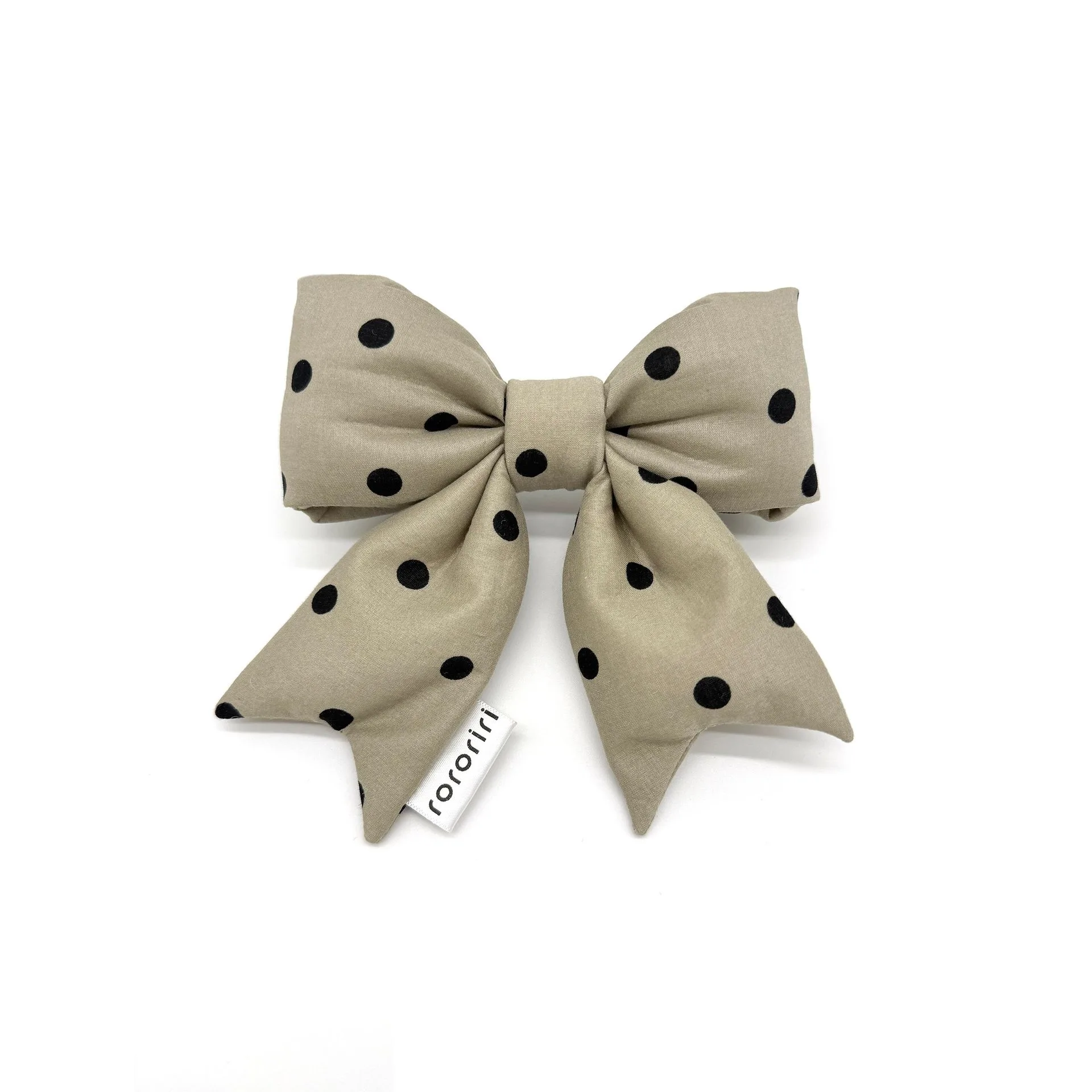
You can also hold the bow tie near your dog's neck without attaching it. If they remain relaxed, give a treat. The goal is to desensitize your dog to the sight and smell of the bow tie, so it becomes just another everyday item. For extra comfort, choose a lightweight option like the https://pawpledge.shop/products/polka-dot-dog-bow-72476Polka Dot Dog Bow, which is soft and easy to handle.
Step 2: Associate the Bow Tie with Positive Experiences
Once your dog is comfortable with the bow tie nearby, start pairing it with activities they love. For example, place the bow tie on the floor during mealtime or while you play a favorite game. This creates a positive emotional connection. You can also gently touch the bow tie to your dog's neck for a split second, then immediately reward them.
Gradually increase the duration of contact. If your dog remains calm while the bow tie rests on their neck for a few seconds, offer a treat and enthusiastic praise. Repeat this step over several days, always letting your dog set the pace. Patience is key—rushing can cause setbacks.
- Practice in a quiet room with minimal distractions.
- Use a calm, happy tone of voice to reassure your dog.
- If your dog shows stress (yawning, lip licking), take a step back.
Step 3: Fasten the Bow Tie Briefly and Reward
When your dog is ready, gently fasten the bow tie around their neck for just a few seconds. Make sure it is not too tight—you should be able to fit two fingers between the band and your dog's neck. Immediately offer a treat and engage in a fun activity, like a quick game of fetch or a short walk.
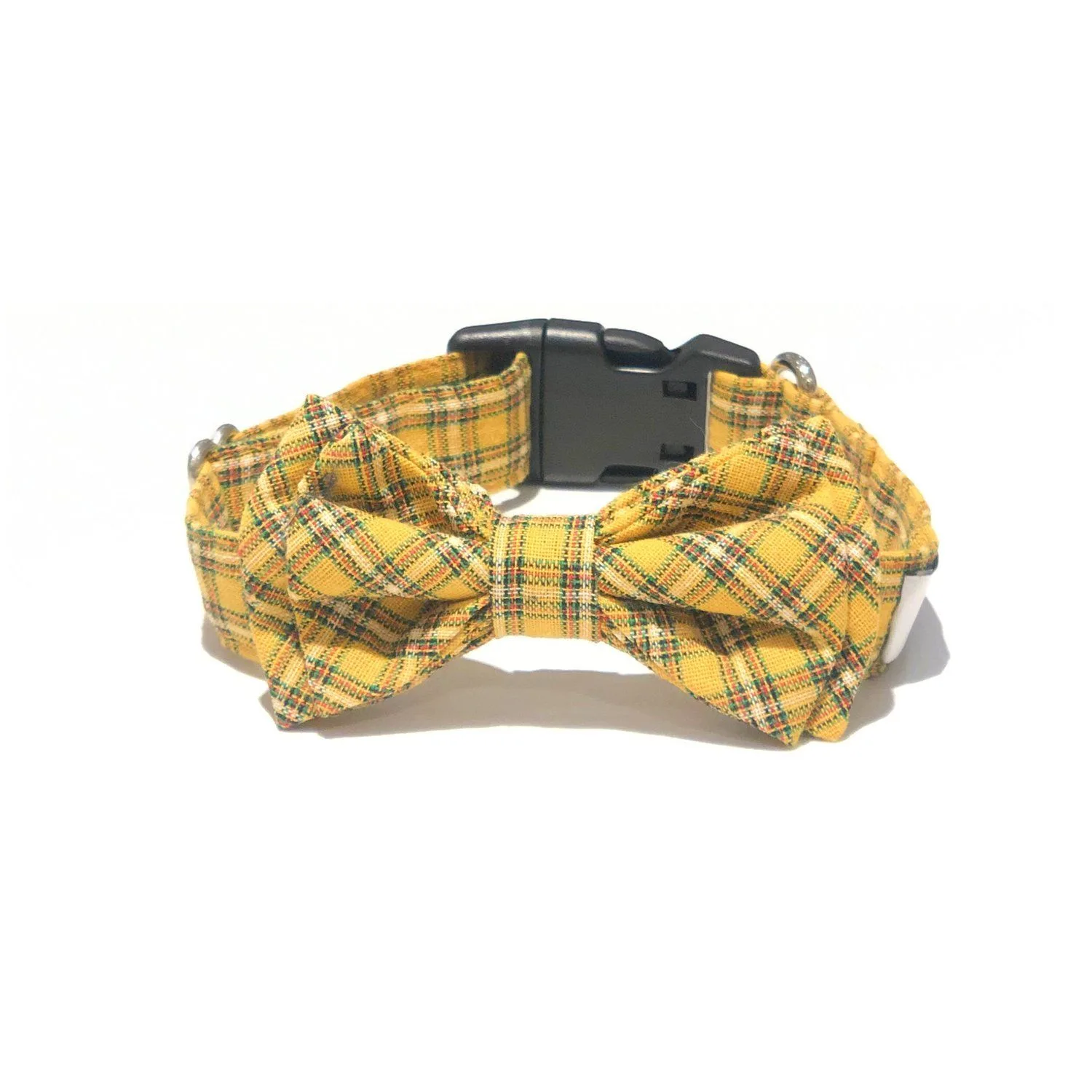
Slowly increase the wearing time over multiple sessions. Start with 5 seconds, then 10, then 30, and so on. Always reward calm behavior. If your dog tries to paw at the bow tie, distract them with a toy or command. The Bow Tie Edward is a great choice for training because its adjustable strap ensures a comfortable fit for most sizes.
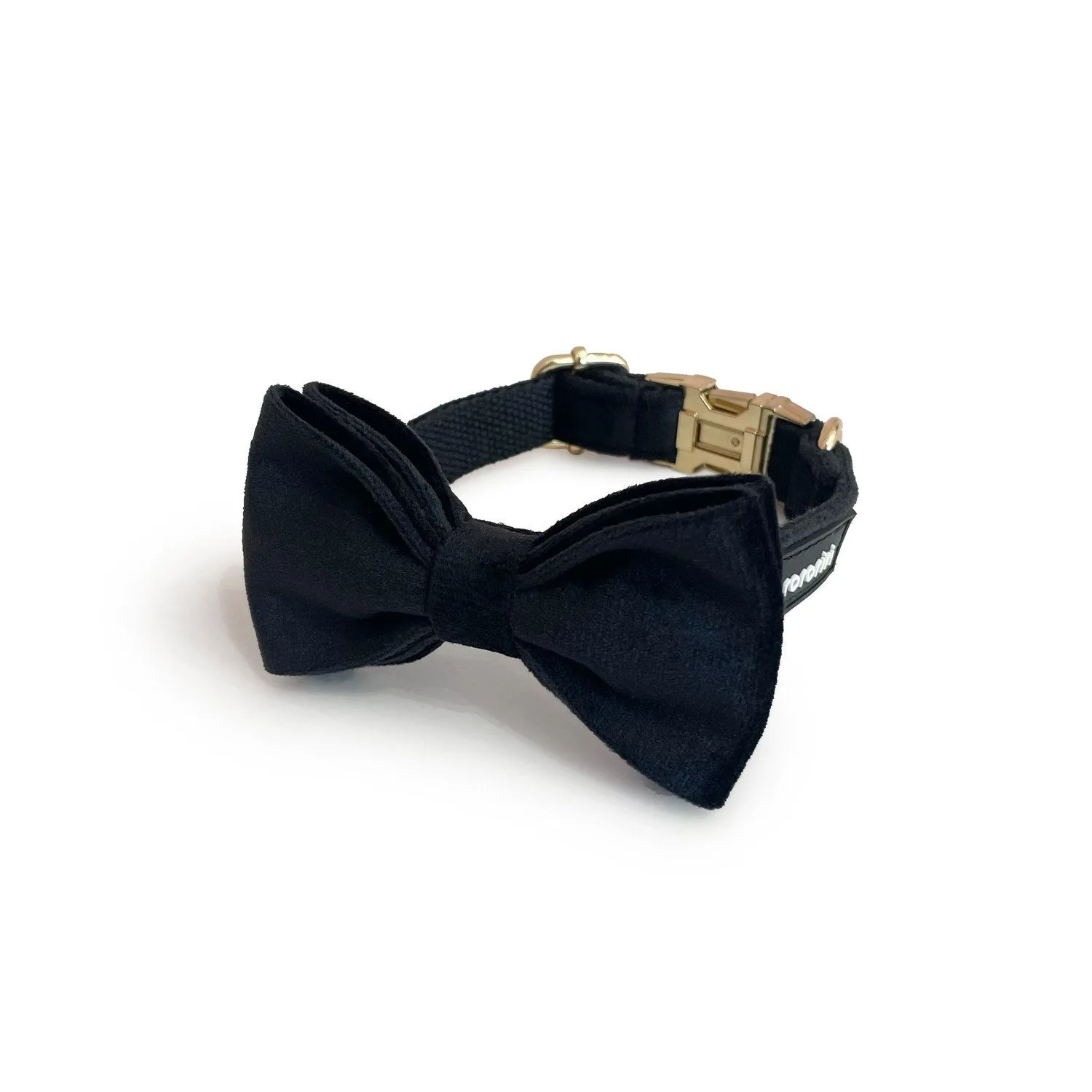
Bow Tie Edward
Step 4: Practice in Different Environments
Once your dog is comfortable wearing the bow tie at home, start practicing in new settings. Try wearing it during a short walk around the block or while visiting a friend's yard. New environments can be distracting, so keep sessions short and reward generously. This helps your dog generalize the positive association.
If your dog remains relaxed, you can gradually increase the duration and complexity of situations. For example, wear the bow tie during a trip to a pet-friendly store or a playdate. Always monitor your dog's body language and remove the accessory if they show signs of stress. Consistency and patience will pay off.
- Bring high-value treats to reinforce calm behavior outdoors.
- Avoid busy or loud places until your dog is fully comfortable.
- Practice in calm outdoor spots like a quiet park or your backyard.
Common Mistakes to Avoid During Bow Tie Training
One common mistake is forcing the bow tie on your dog before they are ready. This can create fear and make future training harder. Always let your dog guide the process. Another mistake is using a bow tie that is too heavy or tight, which can cause discomfort. Choose a lightweight, adjustable design.
Skipping desensitization steps is also a pitfall. Rushing from introduction to full wear often leads to stress. Finally, avoid using punishment or negative reinforcement—it damages trust and can make your dog associate the bow tie with bad experiences. Stick to positive methods for the best results.
Tips for Choosing the Best Bow Tie for Training
When selecting a bow tie for training, prioritize comfort and adjustability. Look for soft fabrics like cotton or polyester blends that won't irritate your dog's skin. An adjustable strap is essential to ensure a snug but gentle fit. Avoid bow ties with sharp edges or heavy embellishments that could cause chafing.
A bow tie that attaches to a collar or harness can be easier to introduce than a standalone band. This allows your dog to get used to the accessory without an extra strap around their neck. The Polka Dot Dog Bow is a popular choice for training because of its lightweight design and easy attachment.
Training your dog to wear a bow tie is a rewarding journey that strengthens your bond and adds a touch of style to your pup's wardrobe. With patience, positive reinforcement, and the right accessory, your dog can learn to feel confident and comfortable. Start your training today with a comfortable, adjustable option like the Polka Dot Dog Bow, and enjoy the adorable results.