Quick answer
Choose a transfer shovel for moving loose material like soil, mulch, or compost, and a standard round-point shovel for digging into hard ground or prying up roots.
Blade shape determines the job
A transfer shovel has a wide, flat, and slightly cupped blade that scoops and holds loose material efficiently, much like a large dustpan. Its shape minimizes spillage when you carry soil or mulch from a pile to a planting hole. A standard round-point shovel, in contrast, has a pointed blade that penetrates compacted soil, sod, or gravel, making it ideal for initial digging and prying.
The Radius Garden PRO Stainless Shovel exemplifies the round-point design with a larger-than-average blade and a slight cup that helps when working in sand or loose fill. This shape gives you the leverage to break ground while still offering some carrying capacity.
Handle length and material trade-offs
A transfer shovel often comes with a long fiberglass handle, as seen in the Transfer Shovel Fiberglass Long Handle. Fiberglass offers superior strength and resilience for heavy-duty tasks and resists weathering better than wood. The long handle reduces back strain by letting you stand upright while moving material, but it can feel less maneuverable in tight spaces.
Standard shovels are available in various handle lengths, but a long handle on a round-point shovel provides extra leverage for digging. The trade-off is that a longer handle adds weight and can make the shovel feel unbalanced for precision work. If you frequently switch between digging and transferring, consider the primary use to decide handle length.
Transfer shovel vs standard shovel: trade-offs
- Blade shape: Transfer shovel: wide, flat blade holds loose material without spilling. Standard shovel: pointed blade digs into hard soil and pries up roots. Use a transfer shovel for moving; use a standard shovel for digging.
- Handle material: Transfer shovel: often fiberglass for strength and weather resistance. Standard shovel: often wood or fiberglass; fiberglass offers more durability but can be heavier. Fiberglass handles suit heavy-duty use but add weight.
- Weight and balance: Transfer shovel: lighter overall, balanced for carrying. Standard shovel: heavier, balanced for leverage when prying. A lighter transfer shovel reduces fatigue during repetitive moving tasks.
Product facts
-
Transfer Shovel Fiberglass Long Handle: The Transfer Shovel Fiberglass Long Handle has a 230mm Dual Layer PVC grip for comfort and durability. This grip reduces hand fatigue when you repeatedly scoop and carry heavy loads, such as moving mulch across a garden bed.
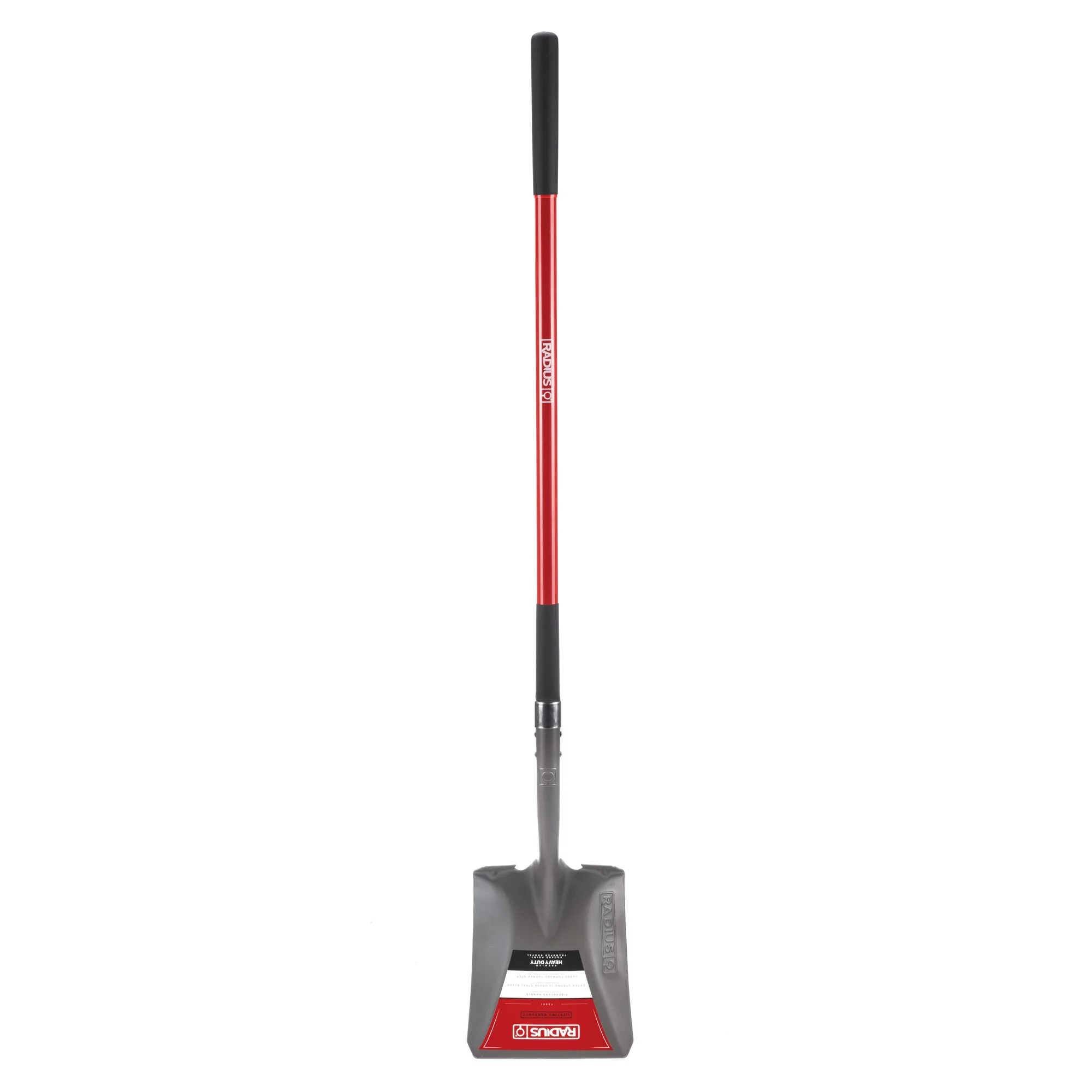
Transfer Shovel Fiberglass Long Handle
-
PRO Stainless Shovel: The PRO Stainless Shovel has a larger blade than most round-point shovels and a slightly cupped shape, useful for working in sand. The larger blade and slight cup let you move more material per scoop compared to a standard pointed shovel, but the pointed tip still digs into compacted soil effectively.
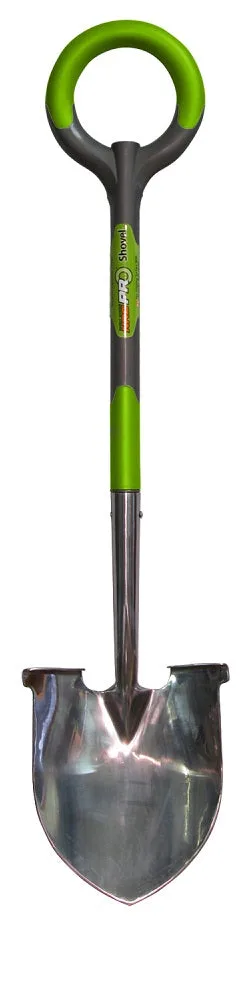
PRO Stainless Shovel
Which shovel fits your task?
Best for
- Moving soil, mulch, or compost from a pile to a planting area
- Gardeners who need a lightweight tool for repetitive scooping and carrying
Not for
- Digging into hard, compacted clay or breaking new ground
- Prying out large roots or rocks where a pointed tip is essential