Transitioning from bottle to cup is a major milestone in your baby's development. It marks the beginning of independent drinking and is an important step toward weaning off the bottle. However, many parents find this phase challenging—babies can be resistant, messy, or simply unsure how to use a cup. The key to a smooth transition is choosing the right baby cup and introducing it at the right time and in the right way.
In this guide, we'll walk you through when and how to start the transition, what features to look for in a toddler cup, and how to make the process stress-free for both you and your little one. We'll also highlight some of the best products from PandaEar that can support this journey, including the versatile Feeding Set and the practical https://terracradle.shop/products/suction-bowl-3-pack-120804https://terracradle.shop/products/suction-bowl-3-pack-120805https://terracradle.shop/products/suction-bowl-3-pack-120806Suction Bowl (3 Pack) that make mealtime easier.
When to Start the Transition from Bottle to Cup
Most pediatricians recommend starting the transition from bottle to cup around 6 to 9 months of age. At this stage, babies are typically sitting up with support, showing interest in what you're eating or drinking, and beginning to develop hand-eye coordination. Starting early gives your baby time to practice before the bottle becomes a strong habit. Waiting too long—beyond 12 to 18 months—can make the transition harder, as toddlers may become more attached to the bottle.
Look for signs of readiness: your baby can hold objects and bring them to their mouth, they show curiosity about cups, and they are able to swallow liquids that are not from a nipple. If your baby is still struggling with these skills, wait a few weeks and try again. The goal is to introduce the cup as a positive, low-pressure experience.
- Start between 6-9 months for best results
- Look for signs like sitting up and reaching for cups
- Avoid waiting past 18 months to prevent bottle dependency
Choosing the Best Baby Cup for a Smooth Transition
The right baby cup can make all the difference. For beginners, look for a cup that is easy to hold, lightweight, and has a soft spout or straw to mimic the familiar feel of a bottle. Many parents start with a sippy cup that has a spill-proof valve, but it's important to choose one that encourages proper drinking mechanics—sipping from a straw or open cup is better for oral development than using a hard spout.
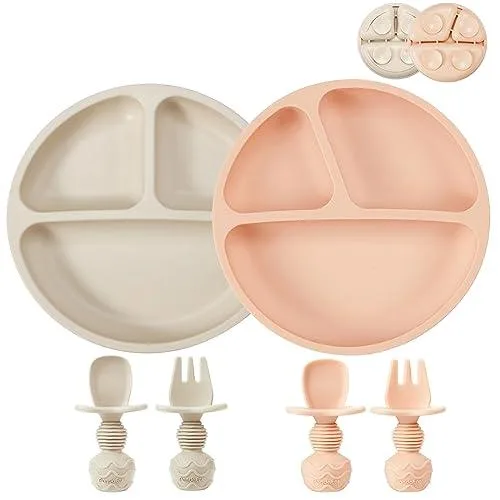
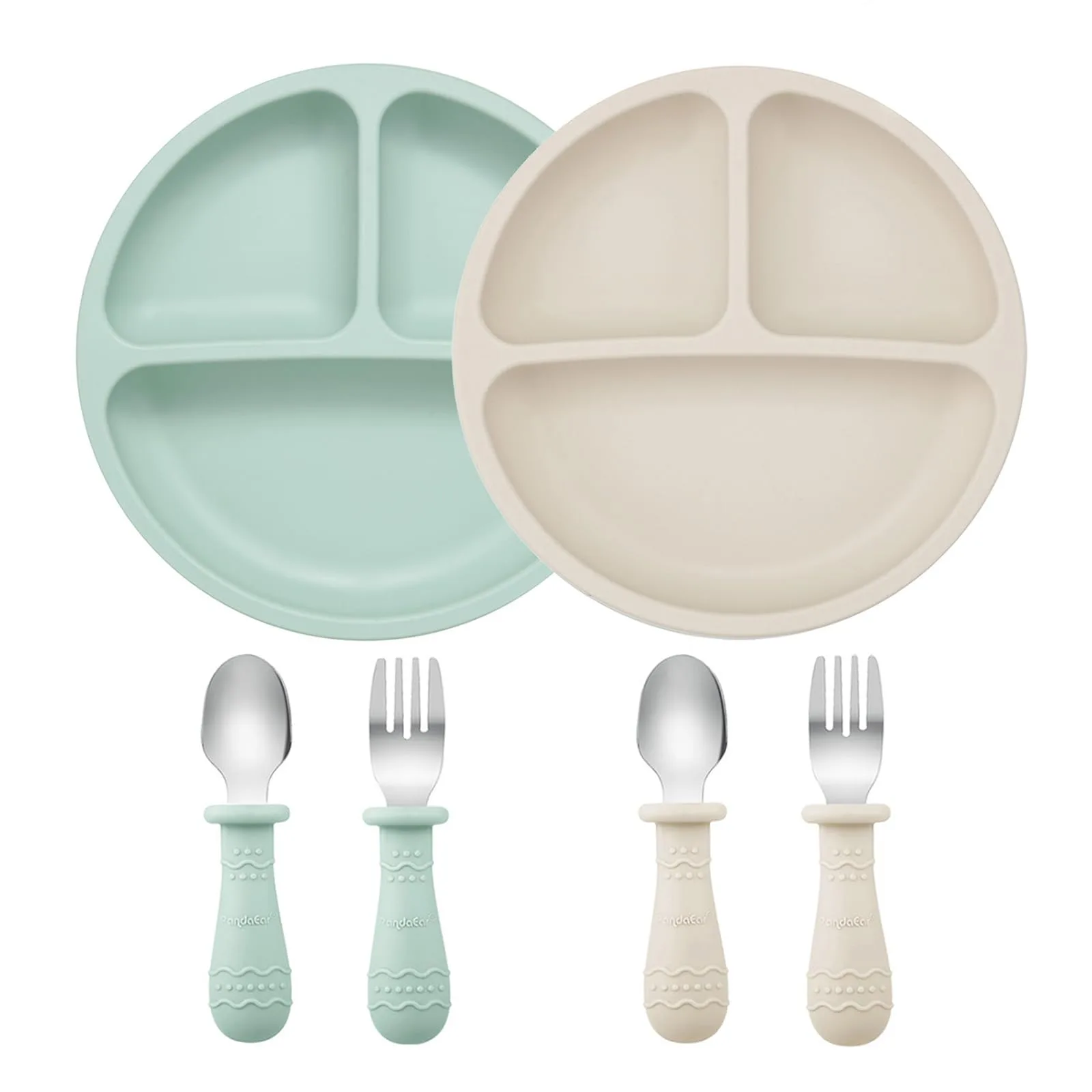
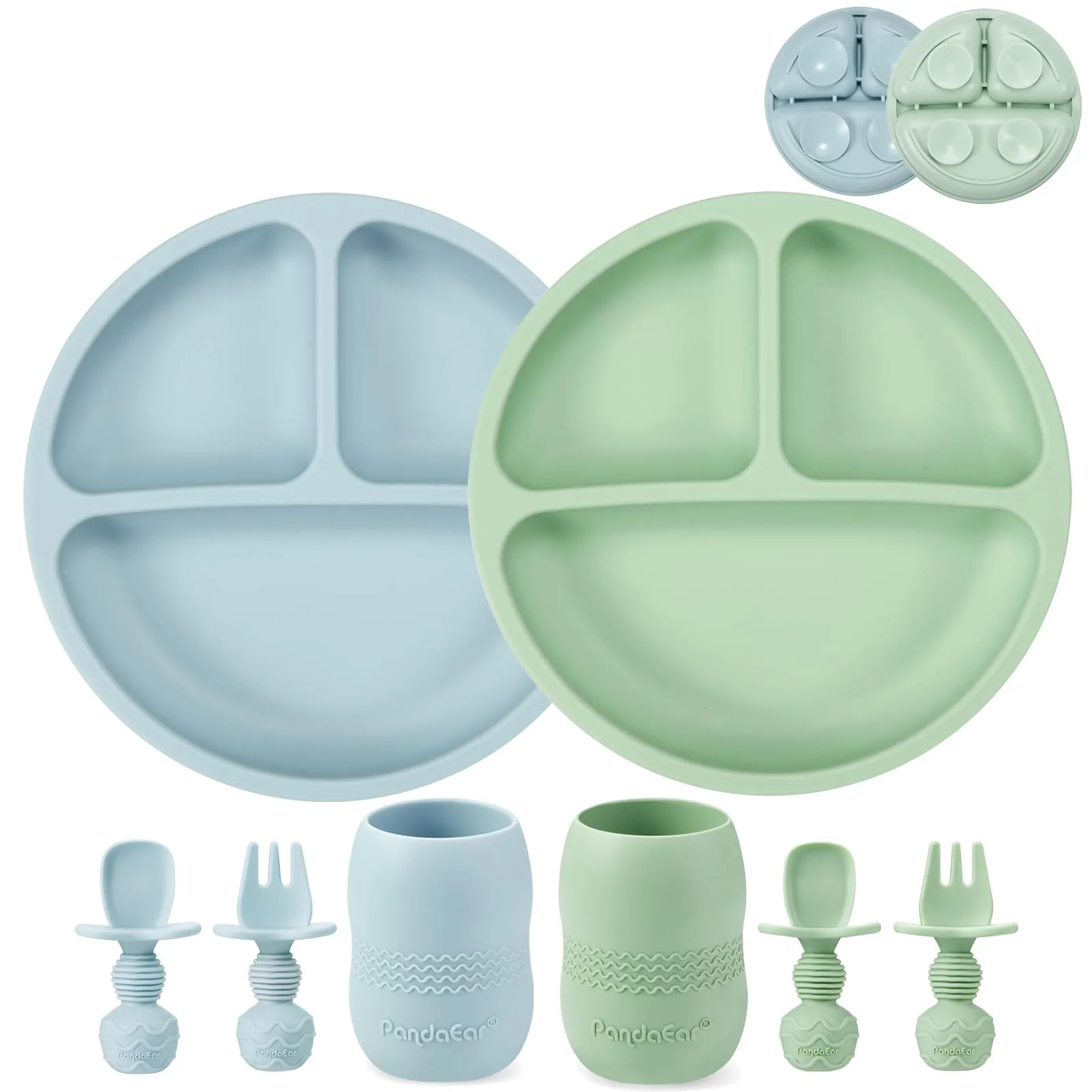
PandaEar offers a Feeding Set that includes a cup designed for little hands. The set is made from safe, durable silicone that is gentle on gums and easy to clean. The cup's shape and size are perfect for toddlers learning to drink independently. Pair it with the Suction Bowl (3 Pack) to create a complete mealtime solution that stays in place, reducing spills and frustration.
- Look for soft spouts or straws for beginners
- Choose cups with handles for easy gripping
- Consider spill-proof designs but avoid hard spouts
Step-by-Step Guide to Transitioning from Bottle to Cup
Start by offering the cup during one meal each day, preferably when your baby is calm and not overly hungry or tired. Fill it with a small amount of breast milk, formula, or water—just a few sips. Let your baby explore the cup: they may chew on the spout, play with it, or pour it out. That's okay. The goal is familiarity, not perfection.
Gradually increase the number of cup-feeding sessions as your baby becomes more comfortable. You can also try the 'sippy cup first' approach: offer the cup before the bottle at each meal. Over several weeks, replace bottle feedings with cup feedings one at a time. Be patient—some babies take to the cup quickly, while others need more time. Praise every attempt, even if it's messy.
- Start with one cup feeding per day
- Let your baby explore and play with the cup
- Replace bottle feedings gradually over weeks
Common Challenges and How to Overcome Them
It's normal for babies to resist the cup at first. They may refuse to drink from it, cry, or push it away. If this happens, try offering the cup with a different liquid (like water instead of milk) or at a different temperature. Some babies prefer a straw cup over a sippy cup, so experiment with different types. The PandaEar Feeding Set includes a cup that can be used with or without a straw, giving you flexibility.
Another common issue is spills. Use a cup with a spill-proof lid or practice with very small amounts of liquid. The Suction Bowl (3 Pack) can also help by keeping bowls in place, but for cups, consider using a cup with a weighted straw that stays in the liquid even when tilted. Remember, mess is part of learning—keep a bib handy and embrace the process.
- Try different cup types (sippy, straw, open) to find what works
- Use spill-proof lids to reduce mess
- Stay patient and positive—mess is normal
Tips for Successful Toddler Cup Training
Consistency is key. Use the cup at every meal and snack time, and keep the bottle out of sight during those times. Model drinking from a cup yourself—babies love to imitate. You can also make it fun by using colorful cups or letting your child choose their favorite. The PandaEar Feeding Set comes in cheerful colors that appeal to toddlers, making the cup feel like a special item.
If your baby is over 12 months and still struggling, consider a 'cold turkey' approach: remove all bottles and offer only cups. This works best over a long weekend when you can be home and offer extra comfort and cuddles. Stay calm and reassuring—your baby will pick up on your confidence. Celebrate small victories, like taking a sip without help.
- Use the cup consistently at every meal
- Model drinking from a cup yourself
- Try a cold turkey approach if needed after 12 months
Transitioning from bottle to cup is a journey that requires patience, the right tools, and a positive attitude. By choosing a baby cup that fits your child's needs and following a gradual, encouraging approach, you can make this milestone a success. PandaEar's Feeding Set is an excellent choice to start with—it's safe, easy to hold, and designed for little learners. Explore the Feeding Set today and give your baby the best start on their cup-drinking adventure.