Transitioning your child from a car seat to a booster seat is a major milestone in their growth—and one that comes with important safety considerations. Many parents wonder when the right time is to make the switch, especially as children outgrow their forward-facing car seats. Making the move too early can compromise safety, while waiting too long may cause discomfort on longer journeys.
In this guide, we’ll walk you through the key stages of car seat use, the official safety guidelines for booster seat readiness, and practical tips to ensure a smooth transition. Whether you’re preparing for a family road trip or simply planning ahead, knowing the signs that your child is ready will give you confidence and peace of mind.
Understanding the Car Seat Stages: A Quick Overview
Children progress through several car seat stages as they grow. The first stage is the rear-facing infant seat, which should be used from birth until the child reaches the maximum weight or height limit set by the manufacturer. Next comes the forward-facing car seat with a harness, typically used from around age 2 to 4 or 5, depending on the child’s size.
The third stage is the booster seat, which positions the vehicle’s seat belt correctly across the child’s chest and lap. Boosters are generally recommended for children who have outgrown their forward-facing seat but are not yet tall enough to use the adult seat belt alone—usually between ages 4 and 12. The final stage is the adult seat belt without any booster, which is safe once the child reaches about 4 feet 9 inches tall and can sit with their back against the seat and knees bent over the edge.
- Rear-facing: birth to maximum height/weight of seat (often 2+ years)
- Forward-facing with harness: up to 65-80 lbs (approx. age 4-7)
- Booster seat: until child is 4'9" tall (typically age 8-12)
- Adult seat belt alone: once the 5-step test is passed
When Exactly Is the Right Time to Move to a Booster?
The American Academy of Pediatrics (AAP) and the National Highway Traffic Safety Administration (NHTSA) recommend keeping children in a forward-facing car seat with a harness for as long as possible, until they reach the seat’s maximum weight or height limit. Only then should you consider transitioning to a booster seat. In general, most children are ready for a booster between ages 4 and 7, but size matters more than age.
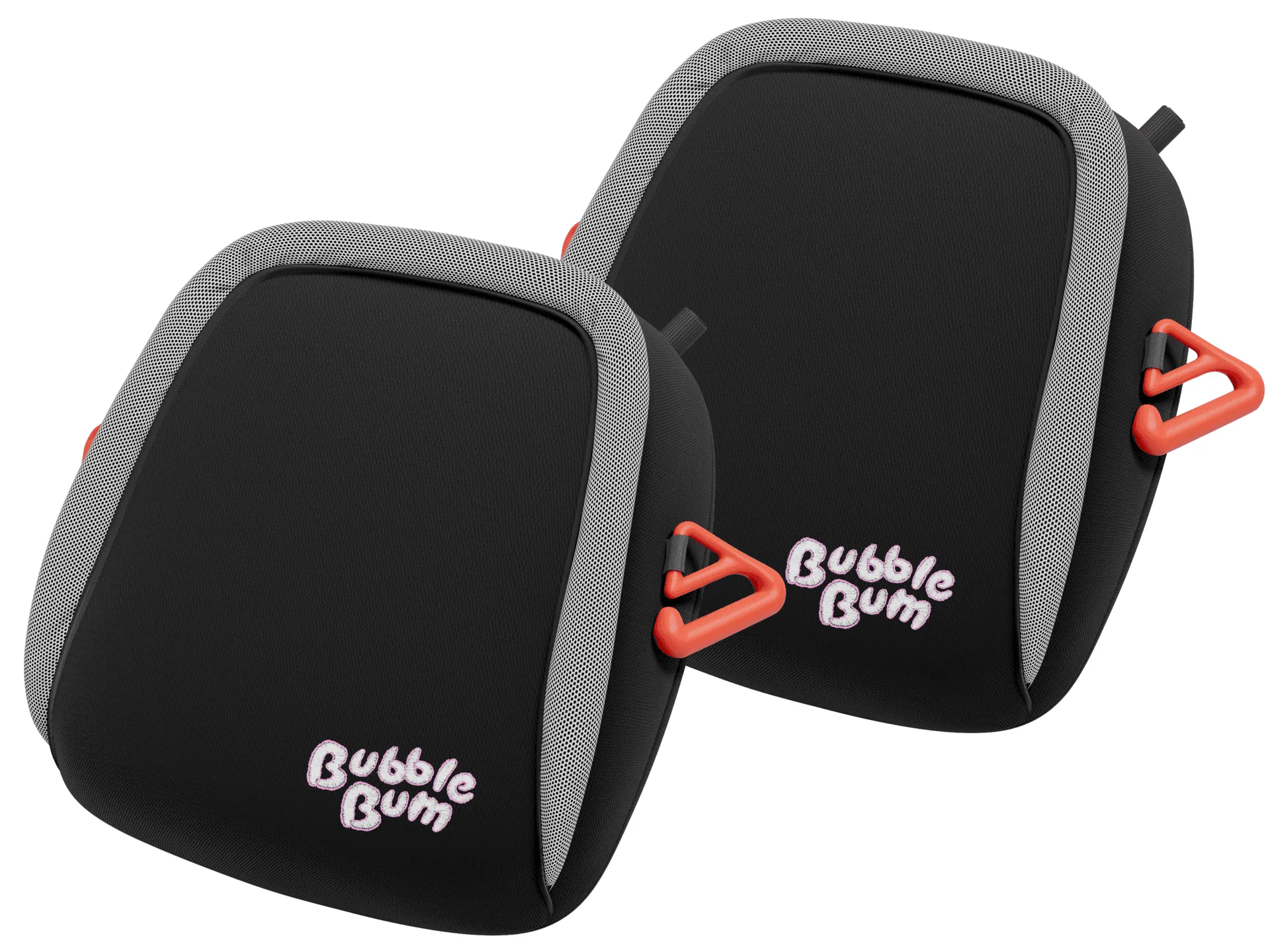
To determine readiness, check that your child meets all of the following criteria: they have outgrown the forward-facing seat (shoulders above the top harness slots or ears above the seat shell), they weigh at least 40 pounds, and they are mature enough to sit properly without slouching or playing with the seat belt. For families who travel frequently, a portable option like the BubbleBum Inflatable Car Booster Seat- Travel Car Seat- Black can be a convenient choice for taxis, rentals, and carpooling.
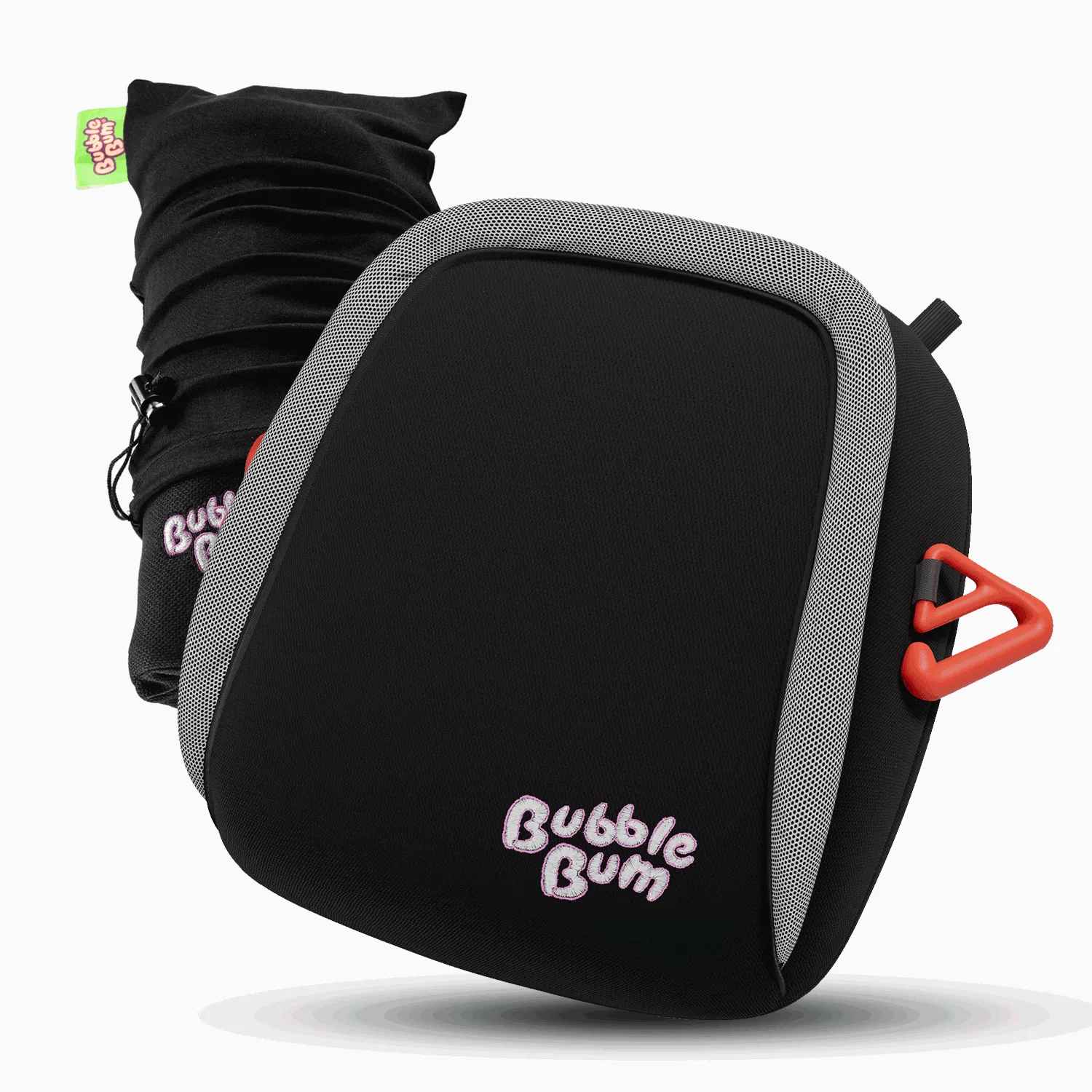
BubbleBum Inflatable Car Booster Seat- Travel Car Seat- Black
- Child weighs at least 40 lbs (18 kg)
- Shoulders are above the top harness slots of the forward-facing seat
- Child can sit still for the entire ride without leaning or unbuckling
- Vehicle has lap-and-shoulder belts in the seating position
How to Make the Transition Smooth and Safe
Once you’ve confirmed your child is ready, introduce the booster seat gradually. Let them practice sitting in it at home before using it on a trip. Explain that they are now a big kid and that the booster helps keep them safe. Make sure the vehicle’s seat belt fits correctly: the lap belt should lie low across the hips (not the stomach), and the shoulder belt should cross the middle of the chest and shoulder, not the neck or face.
If your child is still small or you often switch between vehicles, consider a travel-friendly booster that is easy to install and remove. The BubbleBum Teleport Backless Booster Car Seat, Kids Booster Seat for Car 40-100 lbs, Telescopic Portable Carseat, Ideal for Everyday Use and Foldable for Travel, - Black is a great option because it adapts to your child’s growth with its telescopic design, making it suitable for both daily commutes and holiday adventures.
- Practice at home before the first road trip
- Always use both lap and shoulder belts (never a lap-only belt with a booster)
- Check that the seat belt retractor locks properly
- Avoid bulky clothing that can prevent a snug belt fit
Common Mistakes Parents Make When Switching to a Booster
One of the most common mistakes is moving a child to a booster seat too early. Even if your child is 4 years old, they may not have the bone development or maturity to sit safely in a booster. Another error is using a booster seat with only a lap belt—this is extremely dangerous because it does not provide upper body restraint. Always use a lap-and-shoulder belt combination.
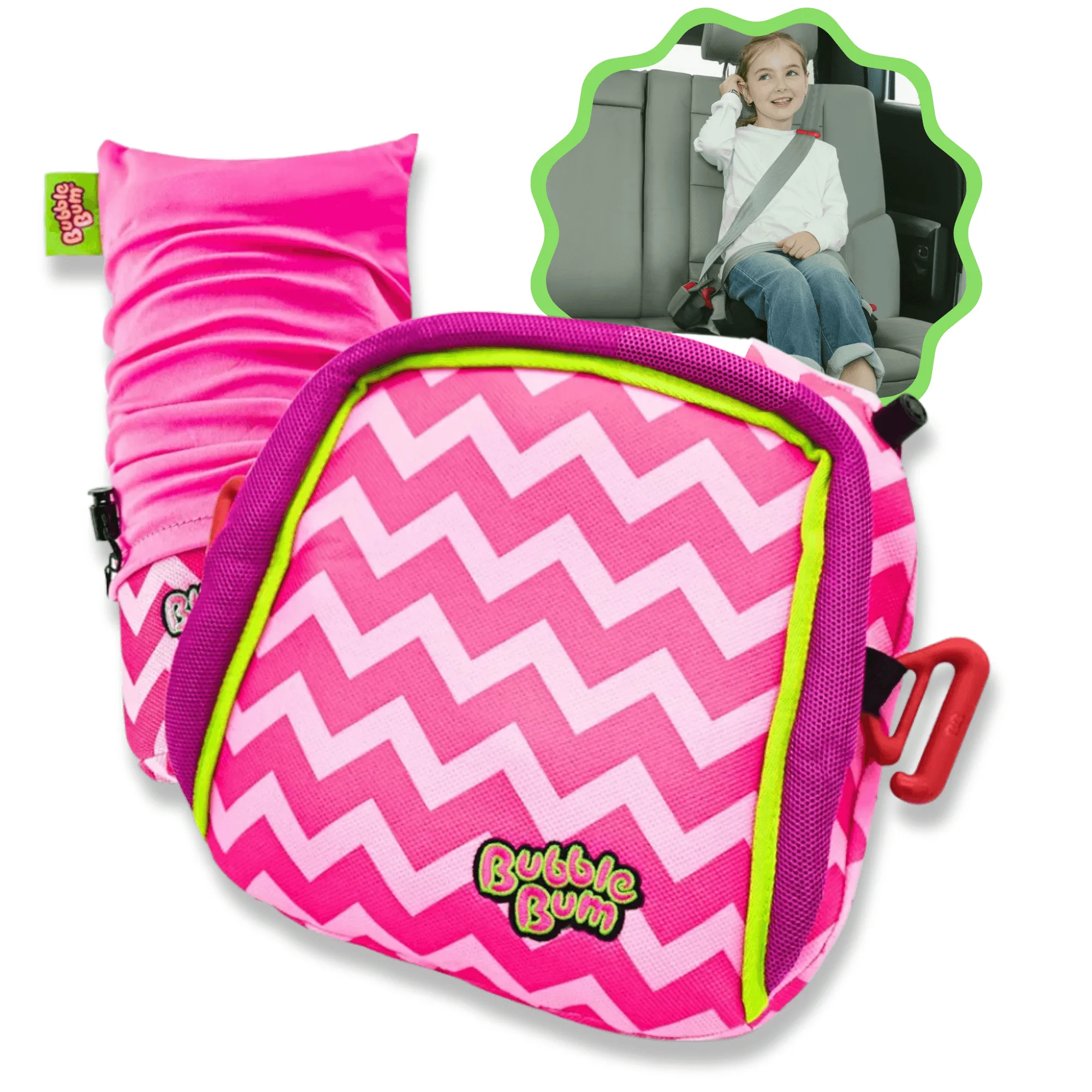
Parents also sometimes forget to adjust the vehicle’s headrest or seat position to ensure the booster fits snugly. Finally, avoid using a booster in a seat with a deployed airbag in front of it. For families who need a second seat for grandparents’ cars or carpools, a lightweight inflatable option like the BubbleBum Inflatable Travel Booster Seat for Kids (Ages 4–11) Portable Car Booster for Taxis, Rentals & Travel can be a lifesaver, but always verify proper installation.
- Don’t rush: keep the forward-facing harness as long as possible
- Never use a booster with a lap-only belt
- Ensure the booster is installed on a flat, stable seat cushion
- Check that the child’s ears do not rise above the vehicle seat back
The 5-Step Test: Is Your Child Ready to Ditch the Booster?
Once your child has been using a booster for several years, you’ll eventually wonder if they can safely use the adult seat belt alone. Use the 5-step test to decide: 1) Does the child sit all the way back against the vehicle seat? 2) Do the knees bend comfortably at the edge of the seat? 3) Does the lap belt rest low on the hips (not the stomach)? 4) Does the shoulder belt cross the center of the chest and shoulder? 5) Can the child stay in this position for the entire ride?
If you answer yes to all five questions, your child may be ready to stop using a booster. However, most children do not pass this test until they are between 10 and 12 years old. Until then, keep using a booster seat for every ride. Remember, safety first—even if your child complains, it’s better to err on the side of caution.
- Back against the seat, knees bent at the edge
- Lap belt on hips, not stomach
- Shoulder belt across chest and shoulder (not neck or face)
- Child stays seated properly for the whole trip
Transitioning your child from a car seat to a booster seat is an important step that should be guided by size, maturity, and safety guidelines rather than a strict age. By waiting until your child truly outgrows their forward-facing seat and choosing a booster that fits both your vehicle and your lifestyle, you’ll ensure every journey is safe and comfortable. Explore the BubbleBum Teleport Backless Booster Car Seat, Kids Booster Seat for Car 40-100 lbs, Telescopic Portable Carseat, Ideal for Everyday Use and Foldable for Travel, - Black for a versatile option that grows with your child.