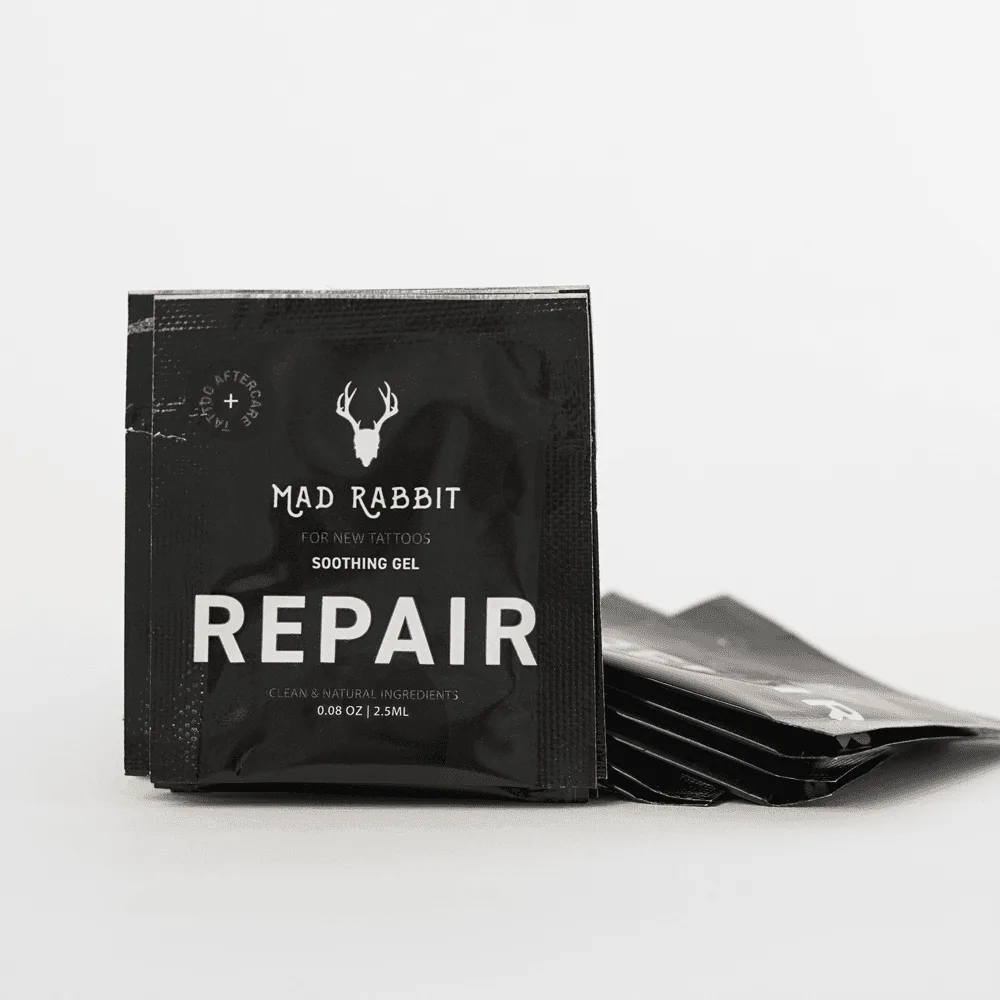
When you first get a tattoo, your artist will likely recommend a rich, heavy balm to protect the fresh wound and lock in moisture during the critical early healing phase. Products like a thick balm are designed to create a protective barrier, prevent scabbing, and soothe irritated skin. But as your tattoo heals—typically after the first week or two—that heavy balm can start to feel greasy, clog pores, and even slow down the skin’s natural recovery process.
That’s where the transition to a lighter, daily moisturizer comes in. Switching from a heavy tattoo balm to a lightweight daily lotion is a key step in your tattoo aftercare journey. It helps your skin breathe, reduces the risk of breakouts, and keeps your ink looking vibrant without the sticky residue. In this guide, we’ll walk you through exactly when and how to make that switch, what products to use, and how to build a sustainable daily tattoo care routine.
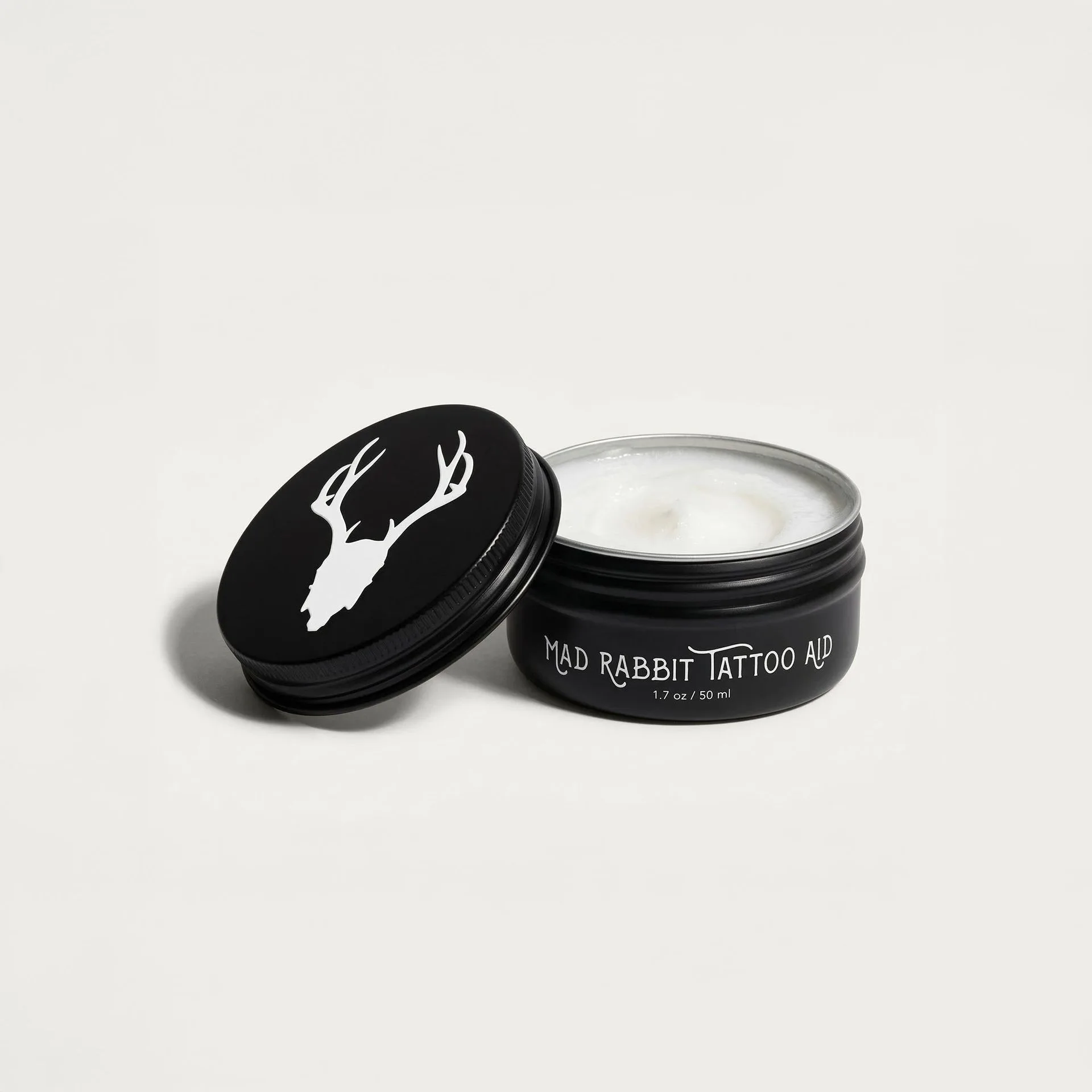
tattoo balm
Why You Need to Transition from Heavy Balm to Lightweight Lotion
Heavy tattoo balms are formulated with thick emollients like shea butter, coconut oil, or beeswax. These ingredients are excellent for the initial healing stage because they create an occlusive layer that seals in moisture and protects the tattoo from bacteria and friction. However, once the outer layer of skin has regenerated—usually by day 7 to 10—that heavy barrier can become counterproductive. It can trap dead skin cells, prevent the skin from breathing, and lead to clogged pores or milia (tiny white bumps).
Switching to a lightweight lotion, such as a daily tattoo lotion, provides just enough hydration without the weight. Lightweight formulas are typically water-based, non-comedogenic, and absorb quickly. They support the skin’s natural barrier function without interfering with the healing process. This transition also helps your tattoo settle into its final color and texture, making it look crisp and vibrant for years to come.
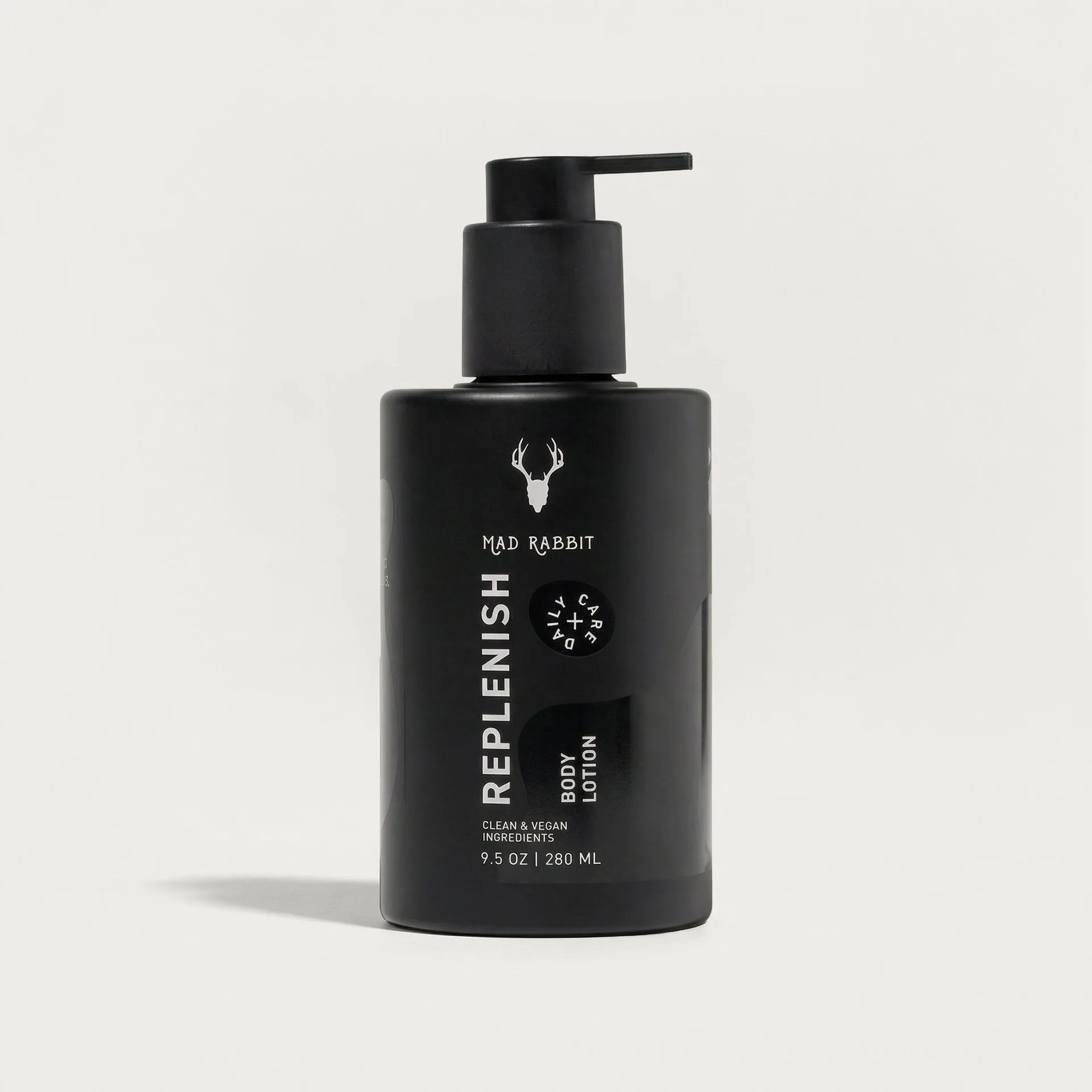
daily tattoo lotion
- Heavy balms are best for the first 7–10 days of healing.
- Lightweight lotions prevent clogged pores and greasy residue.
- A proper transition supports long-term ink vibrancy and skin health.
Signs It’s Time to Switch from Balm to Lotion
Not sure if your tattoo is ready for a lighter moisturizer? Look for these telltale signs. First, the initial peeling or flaking stage should be mostly complete. If your tattoo still feels tacky, sticky, or has any open areas, stick with the balm a little longer. Second, if you notice small white bumps (milia) forming around the tattoo, that’s a clear sign the heavy balm is clogging your pores. Third, if the balm feels greasy hours after application and doesn’t absorb, your skin is telling you it needs something lighter.
Another good indicator is comfort. If your skin feels suffocated or you find yourself wanting to wash the balm off, it’s time to make the switch. Many people also notice that their clothing or sheets get stained by a heavy balm—another sign that a lighter lotion would be more practical for daily wear. Listen to your skin: once the tattoo is no longer raw, scabbed, or painful, you’re ready to transition.
- Peeling and flaking are mostly finished.
- No open wounds, scabs, or tenderness remain.
- Balm feels greasy or doesn’t absorb after a few hours.
- You notice milia or clogged pores near the tattoo.
How to Make the Switch: A Step-by-Step Guide
Transitioning from balm to lotion doesn’t have to be complicated. Start by gradually reducing the use of heavy balm over 2–3 days. For example, apply balm in the morning and switch to a lightweight lotion at night, or vice versa. This gives your skin time to adjust without drying out. When you apply the lotion, use a pea-sized amount and gently massage it into the tattooed area in circular motions until fully absorbed.
If you’re using a product like a daily tattoo lotion, make sure it’s fragrance-free and formulated for sensitive skin. Avoid lotions with alcohol, dyes, or heavy fragrances, as these can irritate newly healed skin. After the first few days of mixing, you can fully switch to lotion for all applications. Continue to moisturize 2–3 times a day for the first month, then reduce to once or twice daily as part of your regular skincare routine.
- Gradually reduce balm use over 2–3 days.
- Apply a pea-sized amount of lightweight lotion.
- Use fragrance-free, alcohol-free formulas.
- Moisturize 2–3 times daily during the first month.
Building a Daily Tattoo Care Routine After the Transition
Once you’ve fully switched to a lightweight lotion, it’s time to establish a consistent daily tattoo care routine. Cleanse your tattooed skin with a gentle, pH-balanced soap or cleanser twice a day. Pat dry (don’t rub) and apply your daily lotion while the skin is still slightly damp to lock in maximum hydration. This routine not only keeps your ink vibrant but also helps prevent dryness, cracking, and fading over time.
For long-term care, consider layering your daily lotion with a targeted product like a tattoo balm stick for spot treatments on particularly dry areas, such as elbows or knees. You can also alternate with a soothing gel if your skin feels irritated from sun exposure or friction. The key is to keep your tattoo moisturized without overloading it. A simple, consistent routine will keep your art looking fresh for years.
- Cleanse twice daily with a gentle cleanser.
- Apply lotion to damp skin for better absorption.
- Use a balm stick for dry spots if needed.
- Protect your tattoo from sun exposure with SPF.
Common Mistakes to Avoid During the Transition
One of the biggest mistakes people make is switching too early. If your tattoo still has scabs or open areas, a lightweight lotion won’t provide enough protection and can lead to infection or scarring. Another common error is using a lotion that’s too thin or water-based—some lotions are designed for face or hands and may not have enough emollient for a healing tattoo. Always choose a product specifically formulated for tattoo aftercare.
Also, avoid over-moisturizing. Applying lotion more than 4–5 times a day can actually strip the skin of its natural oils and cause rebound dryness. Stick to 2–3 applications. Finally, don’t forget to wash your hands before touching your tattoo, even after it’s healed. Bacteria can still cause breakouts or irritation. By avoiding these pitfalls, you’ll ensure a smooth transition and healthy, beautiful ink.
- Don’t switch to lotion while scabs are still present.
- Use a tattoo-specific lotion, not a generic body lotion.
- Avoid over-moisturizing (max 3 times a day).
- Always clean hands before applying any product.
Making the switch from a heavy tattoo balm to a lightweight daily lotion is a simple but crucial step in your tattoo aftercare journey. By listening to your skin, transitioning gradually, and choosing the right products, you’ll keep your ink vibrant and your skin healthy. Ready to upgrade your daily routine? Explore the Daily Tattoo Lotion for a lightweight, fast-absorbing formula that’s perfect for everyday use.