As the leaves change and temperatures drop, your skin faces a whole new set of challenges. The same lightweight moisturiser and gel cleanser that kept your complexion balanced in July can leave it feeling tight, flaky, and irritated by December. Transitioning your skincare routine from summer to winter isn't just about swapping products—it's about understanding how your skin's needs shift with the seasons.
In this guide, we'll walk you through the key changes to make, from switching to richer moisturisers to incorporating barrier-strengthening serums. Whether you have oily, dry, or combination skin, these tips will help you maintain a healthy, glowing complexion all winter long.
Why Your Skin Needs a Seasonal Switch
During summer, high humidity and heat encourage your skin to produce more oil and sweat, which can actually help keep it hydrated. But when winter arrives, cold air indoors and out strips moisture from the skin's surface. Indoor heating further depletes humidity, leading to transepidermal water loss—meaning water evaporates from your skin faster than it can be replaced.
The result? A compromised skin barrier that feels dry, tight, and more sensitive. That's why a winter skincare routine should focus on replenishing lipids, locking in moisture, and using gentle, non-stripping cleansers. If you stick with your summer routine, you may notice increased redness, flaking, or even breakouts caused by overcompensating with heavy products.
- Switch from gel-based to cream-based cleansers to avoid stripping natural oils.
- Add a hydrating toner or essence before your serum to boost moisture levels.
- Consider a humidifier in your bedroom to combat dry indoor air.
Step 1: Switch to a Richer, More Emollient Moisturiser
Your lightweight summer moisturiser probably contains water-based humectants like glycerin or hyaluronic acid, which draw moisture from the air. In winter, low humidity means these ingredients can actually pull water from deeper layers of your skin, leading to more dryness. The solution is to layer a richer, occlusive moisturiser on top to seal everything in.
Look for formulas with shea butter, ceramides, or squalane. For very dry or sensitive skin, the HydraOat Soothing Daily Moisturiser is an excellent choice. It combines oat-derived beta-glucan with shea butter to calm irritation and provide long-lasting hydration. Apply it after your serum while skin is still slightly damp for maximum absorption.
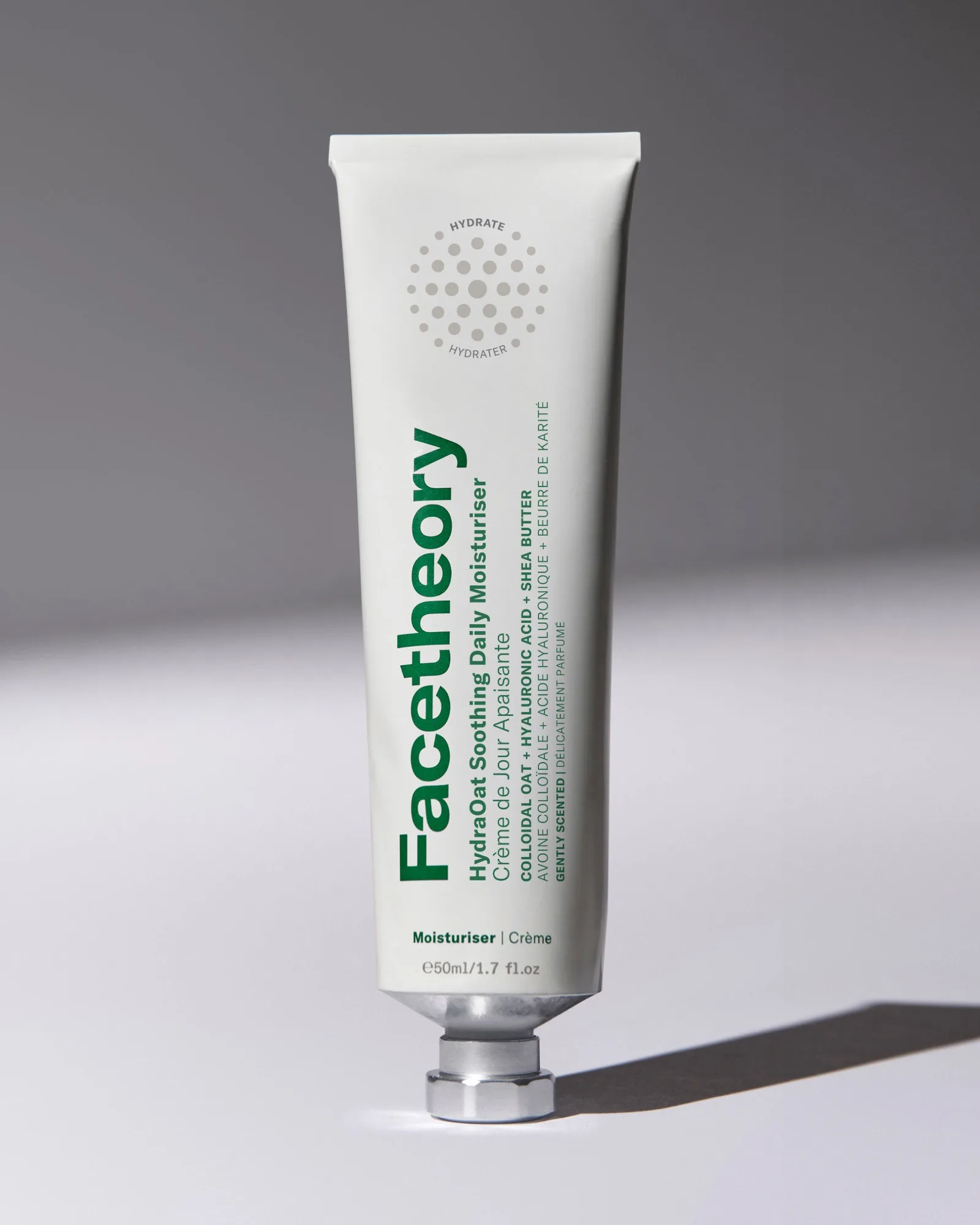
HydraOat Soothing Daily Moisturiser
- Apply moisturiser within 60 seconds of cleansing to lock in hydration.
- Use a facial oil or balm as the final step if your skin feels extra tight.
- Don't forget your neck and décolletage—they show signs of aging too.
Step 2: Introduce a Barrier-Strengthening Serum
Summer routines often focus on brightening and exfoliation, but winter calls for ingredients that reinforce the skin barrier. Niacinamide is a multitasking hero here: it boosts ceramide production, reduces redness, and helps regulate oil without drying. A 10% niacinamide serum can be used morning and night to strengthen your skin against cold winds.
Another key winter ingredient is vitamin C, which not only brightens but also protects against oxidative stress from indoor pollution and UV rays (yes, you still need SPF in winter). The Glow-C Vitamin C 20% Serum is a stable, effective option that works well under moisturiser. Apply it in the morning, then follow with a broad-spectrum SPF 30 or higher.
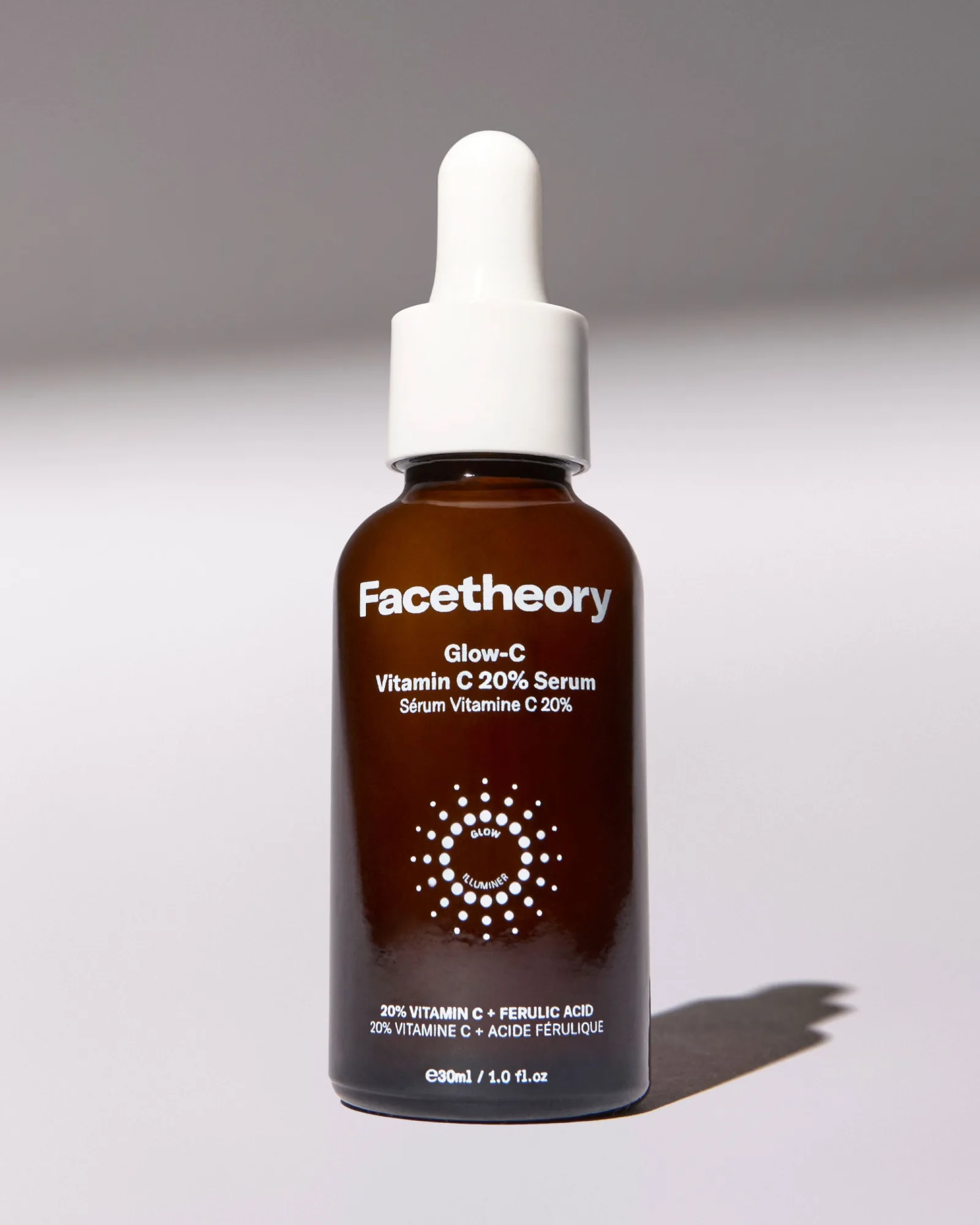
Glow-C Vitamin C 20% Serum
- Layer water-based serums before oil-based ones for better absorption.
- If you use retinol, reduce frequency to 2-3 times per week in winter.
- Patch test any new product on your jawline before full-face application.
Step 3: Adjust Your Exfoliation and Cleansing Routine
In summer, you might exfoliate 3-4 times a week to keep pores clear and skin smooth. But in winter, over-exfoliating can strip the barrier and worsen dryness. Scale back to 1-2 times per week with a gentle chemical exfoliant. Avoid harsh physical scrubs that can create micro-tears in already fragile skin.
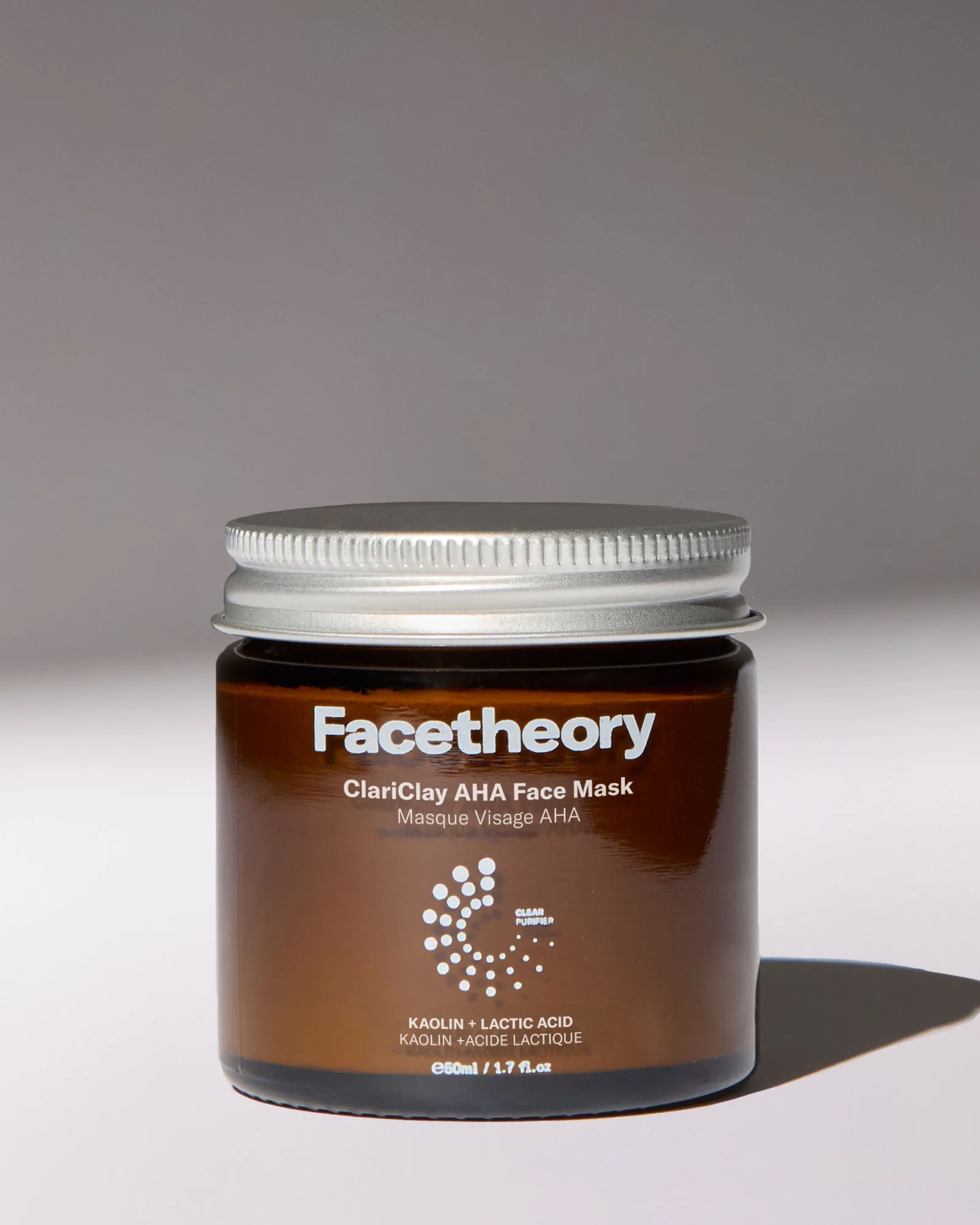
For a gentle yet effective exfoliation, the ClariCleanse AHA & BHA Exfoliating Cleanser is a great choice. It combines lactic acid (AHA) and salicylic acid (BHA) to dissolve dead skin cells and unclog pores without over-drying. Use it only at night, and follow with a hydrating toner and rich moisturiser. If you prefer a mask, the ClariClay AHA Face Mask offers a weekly deep clean that won't strip your skin.
- Always exfoliate on clean, damp skin to reduce irritation.
- Avoid exfoliating on the same night you use retinol or other actives.
- Listen to your skin—if it feels tight or stings, give it a break.
Step 4: Don't Forget Lip and Body Care
Winter dryness doesn't stop at your face. Your lips, hands, and body need extra care too. Lips lack oil glands, so they chap easily in cold weather. Use a nourishing lip balm with beeswax or lanolin, and avoid licking your lips (saliva evaporates and makes dryness worse).
For body skin, switch to a creamy, fragrance-free body wash and apply lotion immediately after showering. If you struggle with body breakouts or keratosis pilaris (those rough bumps on arms and thighs), the Blemicalm Body Skin Clearing Spray is a convenient option. It delivers salicylic acid and niacinamide directly to problem areas without sticky residue. Spray it on after your shower, then follow with a simple moisturiser.
- Exfoliate your body once a week with a gentle scrub like the Double Glow Exfoliating Face & Body Scrub.
- Wear gloves when going outside to protect hands from wind and cold.
- Keep a hand cream by your sink and apply after every hand wash.
Transitioning your skincare routine from summer to winter doesn't have to be complicated. Focus on hydration, barrier repair, and gentle exfoliation, and your skin will stay comfortable and radiant all season long. Ready to upgrade your winter routine? Explore the HydraOat Soothing Daily Moisturiser for a calming, deeply hydrating base that protects your skin through the coldest months.