Quick Answer
When choosing trauma shears, prioritize a sturdy, sharp pair that can cut through tough materials like denim and leather. Look for a comfortable grip, a blunt tip for safety, and a design that fits your hand. For most medical kits, a standard 7.25-inch stainless steel pair with a ring handle is a reliable choice, but consider specialized options if you need extra cutting power or work in specific environments.
Trauma shears, also known as EMT shears or paramedic scissors, are a staple in any medical kit. They are designed to quickly cut through clothing, bandages, and other materials to access wounds. But with so many options available, how do you choose the right pair? This buying guide will help you understand the key features to consider, from blade material to handle design, so you can make an informed decision.
Whether you are a professional first responder, a prepper, or someone who wants a well-stocked home first aid kit, the right trauma shears can make a difference in an emergency. We'll break down the factors that matter most and provide practical advice to help you select a pair that meets your needs.
Key Features to Consider
When selecting trauma shears, the first thing to look at is the blade material. Stainless steel is the most common and offers a good balance of durability and corrosion resistance. Some shears have a titanium coating, which can extend sharpness and reduce friction, making them easier to cut through tough materials. However, coated blades may be more expensive and require careful maintenance to avoid chipping.
Another important feature is the handle design. Traditional ring handles allow for a secure grip and are comfortable for most users. Some shears have angled handles that keep your hand in a more natural position, reducing strain during prolonged use. Look for a handle that fits your hand size and feels comfortable when you grip it. Additionally, consider the tip: a blunt tip is safer for cutting near the skin, while a pointed tip may be useful for precise cuts but increases the risk of accidental injury.
- Check the cutting edge: serrated edges grip fabric better, while smooth edges are easier to clean.
- Consider the overall length: longer blades can cut through thicker materials but may be less maneuverable.
- Look for a locking mechanism if you plan to carry the shears in a pocket or pouch.
Types of Trauma Shears
There are several types of trauma shears available, each designed for specific uses. Standard trauma shears are versatile and suitable for most situations. Heavy-duty shears feature thicker blades and stronger joints, making them ideal for cutting through tough materials like leather or multiple layers of clothing. Bandage scissors, while similar, often have a blunt tip and a specialized angle for cutting dressings without cutting the skin.
For specialized applications, you might consider shears with a carbide tip for breaking glass or a strap cutter for seat belts. Some models incorporate both features, making them a versatile addition to a rescue kit. When choosing, think about the scenarios you are most likely to encounter and select a pair that can handle those challenges.
- Standard shears are a good all-around choice for most medical kits.
- Heavy-duty shears are better for tactical or rescue environments.
- Specialty shears with extra tools can save space but may be bulkier.
Fit and Ergonomics
The fit of trauma shears is crucial for effective use. Shears that are too large or too small can be difficult to control, especially in high-stress situations. When trying on shears, ensure that your fingers fit comfortably in the rings and that you can open and close the blades smoothly. Some shears have adjustable or oversized handles for users with larger hands or for use with gloves.
Ergonomic designs can reduce hand fatigue, which is important during prolonged procedures. Look for shears with a non-slip grip or a textured handle to maintain control even when wet. If you have smaller hands, consider pediatric or compact versions that are easier to handle. Remember, the best shears are the ones that feel natural in your hand and allow you to work efficiently.
- Test the shears with the gloves you typically wear to ensure a good grip.
- Consider the weight: lighter shears are easier to carry but may not be as durable.
- If you have arthritis or hand weakness, look for shears with spring-loaded handles.
Comparing Budget and Premium Options
Trauma shears are available at various price points, from budget-friendly models to premium professional-grade tools. Budget shears are often sufficient for occasional use or for stocking multiple kits. However, they may dull faster and have less robust construction. Premium shears typically use higher-quality materials and offer better cutting performance, making them a worthwhile investment for professionals who rely on them daily.
When deciding how much to spend, consider your frequency of use and the criticality of the situations you face. For a home first aid kit, a mid-range pair may offer the best balance of cost and quality. For professional use, investing in a top-tier pair can provide peace of mind and longevity. Always check reviews and product specifications to ensure you are getting a reliable tool.
- Set a budget based on your needs, but don't compromise on safety and reliability.
- Read user reviews to gauge real-world performance and durability.
- Consider buying multiple pairs of budget shears for different kits rather than one premium pair.
Decision Rules for Choosing Trauma Shears
- Assess Your Primary Use: Determine if you need shears for professional medical response, outdoor adventures, or home use. This will guide the level of durability and features you require. Choose heavy-duty shears for professional or tactical use; standard shears are fine for general first aid.
- Check Blade Material and Coating: Stainless steel is reliable, but a titanium coating can enhance performance. Consider the trade-off between cost and cutting efficiency. If you cut through tough materials often, invest in coated blades; otherwise, standard stainless steel is sufficient.
- Evaluate Handle Comfort and Fit: Try shears with the gloves you wear. Ensure a secure grip and that the handle size suits your hand. Ergonomic handles reduce fatigue; choose a size that feels natural to prevent slipping.
- Decide on Additional Features: Look for extras like a carbide tip or strap cutter if you expect to encounter glass or seat belts. These can be lifesavers in rescue scenarios. Specialty features add versatility but may increase bulk and cost; pick only what you truly need.
- Set a Realistic Budget: Balance cost with quality. Budget shears may need frequent replacement, while premium shears last longer and perform better. For occasional use, mid-range shears offer good value; professionals should consider premium options for reliability.
Relevant Products from Our Store
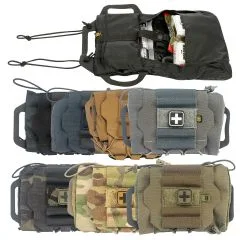
- Reflex IFAK System Kit: The Reflex IFAK System Kit is a health care product designed for those who prioritize preparedness. This kit is part of the Narescue brand, known for its focus on practical response solutions. Compact and organized system for essential medical supplies. Designed for quick access in emergency situations. Suitable for personal, home, or vehicle use. If you're looking to upgrade your medical kit, this IFAK system provides a compact and organized way to carry essential supplies, including trauma shears, ensuring you have what you need in an emergency.
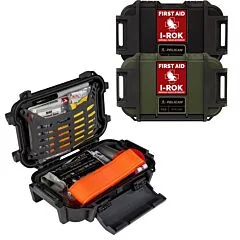
- I-ROK Kit: The I-ROK Kit from Narescue is a health care product designed for practical use. This kit is part of the North American Rescue product line, known for its mission-focused approach. Available in a standard configuration. For a straightforward, mission-focused medical kit, the I-ROK Kit offers a standardized setup that can be easily customized with your preferred trauma shears, making it a versatile option for various users.
Who Should Choose What
Best For
- EMTs and paramedics who need durable, high-performance shears for daily use.
- Preppers and outdoor enthusiasts who want a reliable cutting tool in their emergency kit.
Not For
- Those who only need to cut simple bandages at home might find standard bandage scissors more appropriate and cost-effective.
Choosing the right trauma shears is about matching the tool to your specific needs. Consider the materials, design, and features that align with your intended use. Whether you opt for a budget-friendly pair or invest in a professional-grade model, the most important thing is that you have a reliable cutting tool ready when you need it. Always test the shears for comfort and functionality before adding them to your medical kit.