When it comes to providing your dog with a safe and comfortable space, crates are indispensable. But not all crates are created equal. The crate that works perfectly for your living room might be a disaster for car travel, and vice versa. Understanding the differences between travel crates and home crates is essential for making the right choice for your furry friend.
In this comparison guide, we'll break down the key features, pros, and cons of each type, helping you decide which one—or both—belongs in your home and your travel gear. Whether you're a seasoned dog owner or a first-timer, this guide will ensure your dog has the perfect den wherever you go.
What Is a Travel Crate?
A travel crate is designed primarily for transporting your dog, whether by car, plane, or train. These crates prioritize portability, lightweight construction, and secure fastening. They come in various materials, including plastic, fabric, and aluminum, each offering different levels of durability and ventilation.
Travel crates often feature handles, wheels, or collapsible designs for easy carrying and storage. They are typically smaller than home crates, fitting snugly in a vehicle or under an airplane seat. Safety is a top priority, with features like reinforced doors and secure latches to prevent escape during transit.
- Lightweight and portable for easy handling
- Designed to fit in cars, planes, or trains
- Ventilation panels for airflow during travel
- Secure latches and doors for safety
What Is a Home Crate?
A home crate, also known as an indoor crate, serves as a permanent den for your dog in your house. These crates are often larger, more spacious, and built for comfort and durability. They are ideal for house training, providing a safe space when you're away, and giving your dog a sense of security.
Home crates come in wire, plastic, and wooden designs, with wire crates being the most popular for their visibility and ventilation. They often include a removable tray for easy cleaning and may come with a cover to create a cozy, den-like atmosphere. Unlike travel crates, home crates are not designed for frequent movement, so they tend to be heavier and more stable.
- Spacious for comfort and long-term use
- Sturdy construction for daily wear and tear
- Removable trays for easy cleaning
- Ideal for house training and safe confinement
Key Differences Between Travel and Home Crates
The primary difference lies in their intended use. Travel crates are built for mobility and safety during transit, while home crates focus on comfort and durability for daily life. This distinction influences every aspect, from size and weight to materials and features.
Travel crates are typically more compact and lightweight, making them easy to carry. They often have handles or wheels, and many are airline-approved. Home crates, on the other hand, are heavier and larger, providing ample room for your dog to stand, turn around, and lie down comfortably. They are not meant to be moved frequently, so they prioritize stability over portability.
- Portability: Travel crates are portable; home crates are stationary.
- Size: Travel crates are smaller; home crates are more spacious.
- Materials: Travel crates use lightweight plastic/fabric; home crates use heavy-duty wire/wood.
- Safety: Travel crates have extra secure latches; home crates focus on ventilation and visibility.
When to Choose a Travel Crate
If you frequently travel with your dog—whether on road trips, flights, or train rides—a travel crate is a worthwhile investment. It ensures your dog's safety and comfort during transit, and many models are crash-tested for added peace of mind. For example, a sturdy plastic crate with proper ventilation is ideal for air travel, while a collapsible fabric crate is convenient for car rides and overnight stays.
Travel crates are also useful for vet visits or trips to the groomer, providing a secure and familiar space for your dog. When choosing a travel crate, consider the size of your vehicle and the airline's requirements. Look for features like a secure latching system and a comfortable, washable interior.
- Frequent travel by car, plane, or train
- Vet visits and grooming appointments
- Outdoor adventures like camping or hiking
- Emergency evacuation preparedness
When to Choose a Home Crate
A home crate is essential for house training, providing a safe space when you're away, and giving your dog a sense of security. It should be large enough for your dog to stand, turn around, and lie down comfortably. Wire crates are popular because they offer visibility and airflow, while plastic crates can create a more den-like environment.
Home crates are also great for managing separation anxiety, as they provide a consistent, safe haven. They can be placed in a quiet corner of your living room or bedroom. If you have a puppy, a home crate with a divider is a smart choice, as it allows you to adjust the space as your puppy grows.
- House training and puppy management
- Providing a safe space when you're away
- Managing separation anxiety
- Creating a permanent den for your dog
Can You Use One Crate for Both Purposes?
While it's possible to use a single crate for both travel and home, it's not always ideal. A home crate is often too large and heavy for convenient travel, while a travel crate may be too small and cramped for daily use. However, some versatile crates, like the CaliberDog Custom ID Panel Patch, can be used in both settings if you choose a model that balances portability and space.
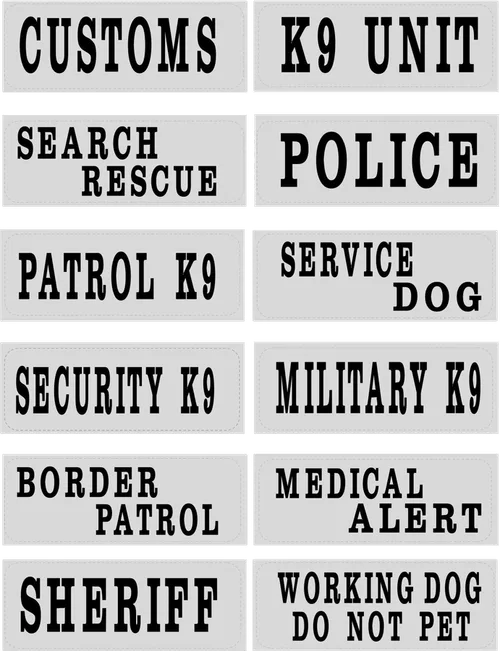
ID Panel
If you're on a budget, consider a wire crate that folds flat for transport. But for frequent travelers, investing in a dedicated travel crate is worth the extra cost. Many dog owners find that having both types of crates is the best solution, ensuring their dog is comfortable and safe in any situation.
- Consider a foldable wire crate for dual use
- Measure your dog to ensure proper size for both uses
- Prioritize safety features for travel
- Invest in both if your lifestyle demands it
Popular Crate Accessories to Enhance Your Dog's Experience
Regardless of which crate type you choose, there are accessories that can make your dog's crate more comfortable and functional. For travel, a crate pad or mat adds cushioning for long journeys. For home, a crate cover can create a cozy, den-like atmosphere, and a water bottle or bowl can ensure your dog stays hydrated.
In addition, identification is crucial, especially when traveling. A custom ID panel patch, like the CaliberDog Custom ID Panel Patch, can be attached to your crate to ensure your dog can be identified if you get separated. This is a simple yet effective way to enhance safety during travel.
- Crate pads and mats for comfort
- Crate covers for a den-like feel
- Water bottles and bowls for hydration
- ID panels and patches for identification
Making the Right Choice for Your Dog
Choosing between a travel crate and a home crate ultimately depends on your lifestyle and your dog's needs. If you travel often, a travel crate is a must-have. If you're house training a puppy or need a safe space at home, a home crate is essential. Many owners find that having both is the best approach.
When selecting any crate, always measure your dog to ensure the correct size. A crate that's too small is uncomfortable, while one that's too large can reduce the sense of security. Also, consider the material—wire for visibility, plastic for coziness, and aluminum for durability. By understanding the differences, you can make an informed decision that keeps your dog happy and safe.
- Measure your dog's height and length before purchasing
- Consider your travel frequency and home layout
- Choose materials that suit your climate and dog's temperament
- Invest in quality for long-term durability
Understanding the differences between travel crates and home crates is key to providing your dog with the right environment for every situation. Whether you're hitting the road or settling in at home, choosing the right crate ensures your dog's safety and comfort. For a versatile option that works well for both travel and home, consider the CaliberDog Custom ID Panel Patch to keep your dog identifiable wherever you go.