Dehydrated skin can feel tight, look dull, and show fine lines more prominently — but it’s not the same as dry skin. While dry skin lacks oil, dehydrated skin lacks water. This means slathering on a thick moisturiser may not solve the problem and can actually lead to congestion, breakouts, or a greasy feel. The real solution lies in using lightweight, water-binding ingredients that restore hydration without overwhelming your skin’s natural balance.
In this guide, we’ll explore how to treat dehydrated skin effectively — focusing on humectants like hyaluronic acid, gentle exfoliation to improve absorption, and the right moisturisers that lock in water without feeling heavy. We’ll also show you how to build a routine that hydrates deeply without over-moisturizing, so your skin feels plump, smooth, and comfortable all day.
What Is Dehydrated Skin and How Is It Different from Dry Skin?
Dehydrated skin is a condition, not a skin type. It occurs when the skin’s water content is low, often due to environmental factors, harsh cleansers, or insufficient hydration in your routine. Signs include a tight sensation after washing, dullness, increased sensitivity, and the appearance of fine lines that disappear when you hydrate. Unlike dry skin (which lacks oil and may feel rough or flaky), dehydrated skin can affect oily, combination, or normal skin types too.
The key to treating dehydration is to focus on water-binding ingredients — humectants — that draw moisture into the skin. Hyaluronic acid is the gold standard here because it can hold up to 1,000 times its weight in water. However, using it correctly matters: applying it on damp skin and sealing it with a lightweight moisturiser prevents water from evaporating. Over-moisturizing with heavy occlusives can trap heat and cause congestion, so choosing the right texture is essential.
- Dehydrated skin lacks water; dry skin lacks oil.
- Hyaluronic acid serums are ideal for boosting water content without greasiness.
- Avoid thick creams if your skin feels tight but also gets shiny during the day.
The Best Lightweight Hydrators for Dehydrated Skin
When your skin is dehydrated, reach for a hydrating toner or serum before your moisturiser. A toner like the Porebright Niacinamide Refining Toner can help balance the skin’s moisture levels while refining pores — a great option if dehydration is paired with congestion. Niacinamide also supports the skin barrier, reducing water loss over time. For a more concentrated hydration boost, a hyaluronic acid serum applied to damp skin works wonders.
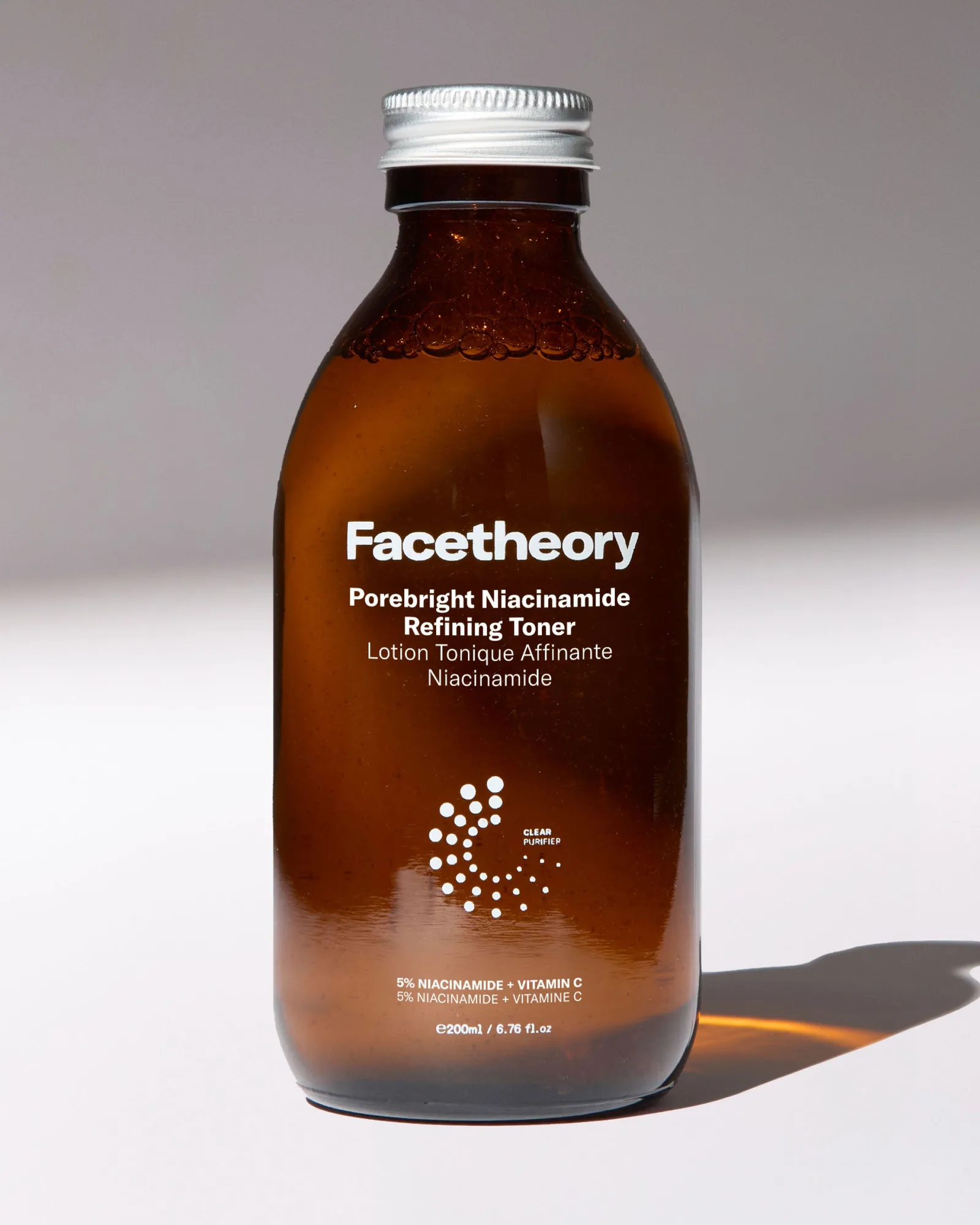
Porebright Niacinamide Refining Toner
Another excellent lightweight option is the HydraOat Soothing Daily Moisturiser. It uses oat-derived ingredients to calm and hydrate without heaviness, making it perfect for sensitive or dehydrated skin. The key is to layer thin, water-based products first, then seal with a moisturiser that contains both humectants and emollients — not just heavy oils. This approach plumps the skin without leaving a film.
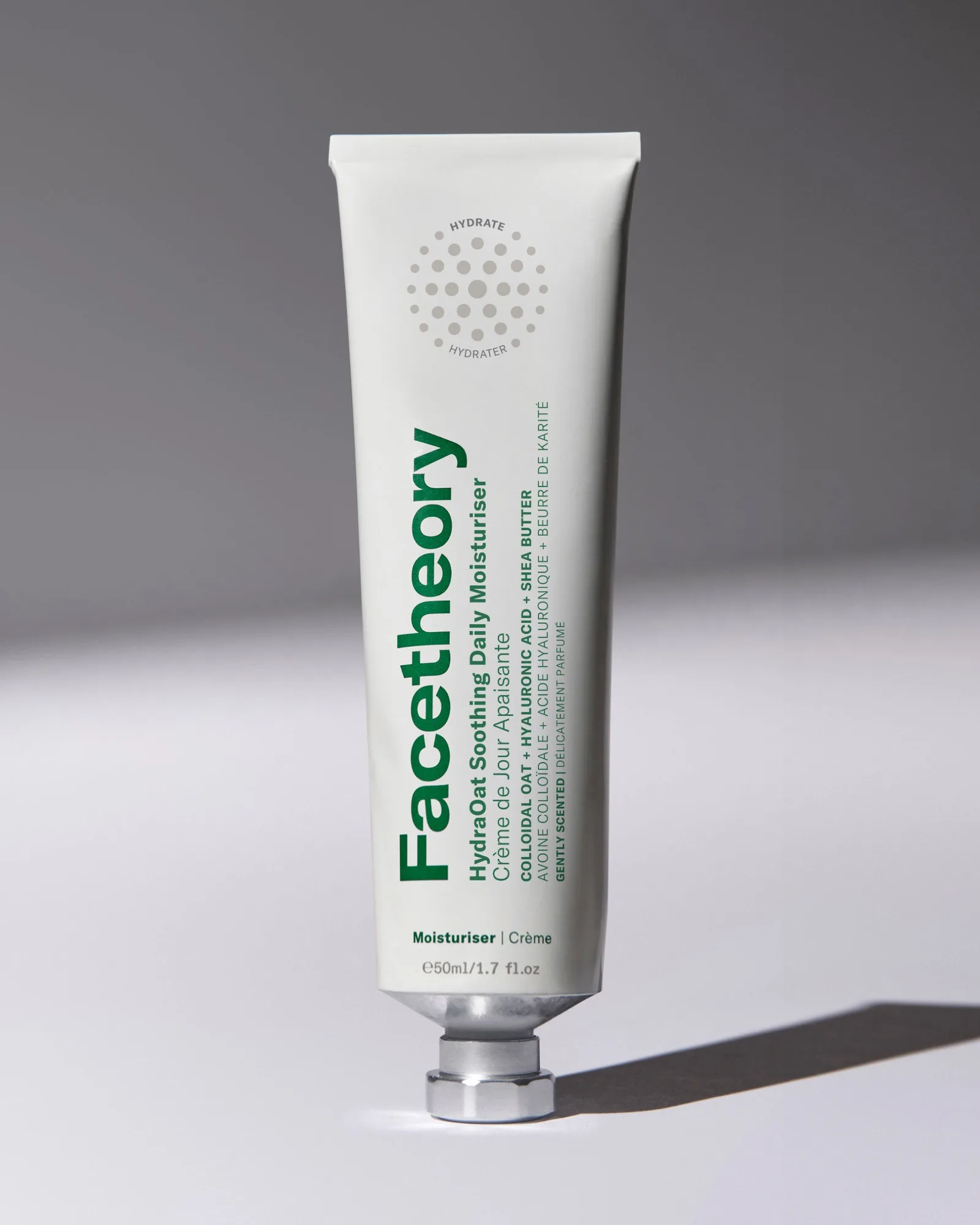
HydraOat Soothing Daily Moisturiser
- Use a hydrating toner like Porebright Niacinamide Refining Toner to prep skin.
- Apply a hyaluronic acid serum on damp skin for maximum absorption.
- Choose a lightweight moisturiser such as HydraOat Soothing Daily Moisturiser to lock in hydration.
Gentle Exfoliation to Boost Hydration Absorption
Dehydrated skin often has a buildup of dead cells on the surface, which can block hydrating ingredients from penetrating. Gentle exfoliation — using either a physical scrub or a chemical exfoliant — can help. The Double Glow Exfoliating Face & Body Scrub uses fine jojoba beads to slough off dead skin without stripping moisture. Use it once or twice a week to reveal fresher, more receptive skin underneath.
For a deeper yet still gentle option, a clay mask with AHA can refine texture while drawing out impurities. The ClariClay AHA Face Mask combines kaolin clay with lactic acid to exfoliate and clarify without overdrying. Just be careful not to over-exfoliate, as that can worsen dehydration. Stick to 1–2 times per week and always follow with a hydrating toner and moisturiser to replenish water.
- Exfoliate gently once or twice a week to remove dead skin cells.
- Double Glow Exfoliating Face & Body Scrub is a mild physical option.
- ClariClay AHA Face Mask offers chemical exfoliation with clay to absorb excess oil.
How to Layer Products Without Over-Moisturizing
The secret to treating dehydrated skin without over-moisturizing lies in the order and texture of your products. Start with a water-based toner or essence, then apply a hyaluronic acid serum while skin is still damp. Follow with a lightweight moisturiser that contains humectants (like glycerin or hyaluronic acid) and emollients (like squalane or ceramides). Avoid thick balms or petrolatum-based products unless your skin is also very dry.
If you need extra hydration, consider a hydrating mask once a week instead of adding another heavy cream. The goal is to increase water content, not oil. Pay attention to how your skin feels: if it feels tight after cleansing but becomes oily by midday, you’re likely over-moisturizing and need to switch to lighter textures. A toner like HydraOat Calming Toner can provide a gentle, hydrating first step without adding weight.
- Layer from thinnest to thickest: toner → serum → lightweight moisturiser.
- Use a hydrating toner like HydraOat Calming Toner to start.
- Monitor your skin’s response — adjust if you feel greasy or congested.
Treating dehydrated skin doesn’t mean piling on heavy creams. By focusing on humectants like hyaluronic acid, incorporating gentle exfoliation, and choosing lightweight moisturisers, you can restore your skin’s water balance without clogging pores or feeling greasy. Start with a hydrating toner and a serum that plumps and refines — your skin will thank you with a healthy, dewy glow.