Quick answer
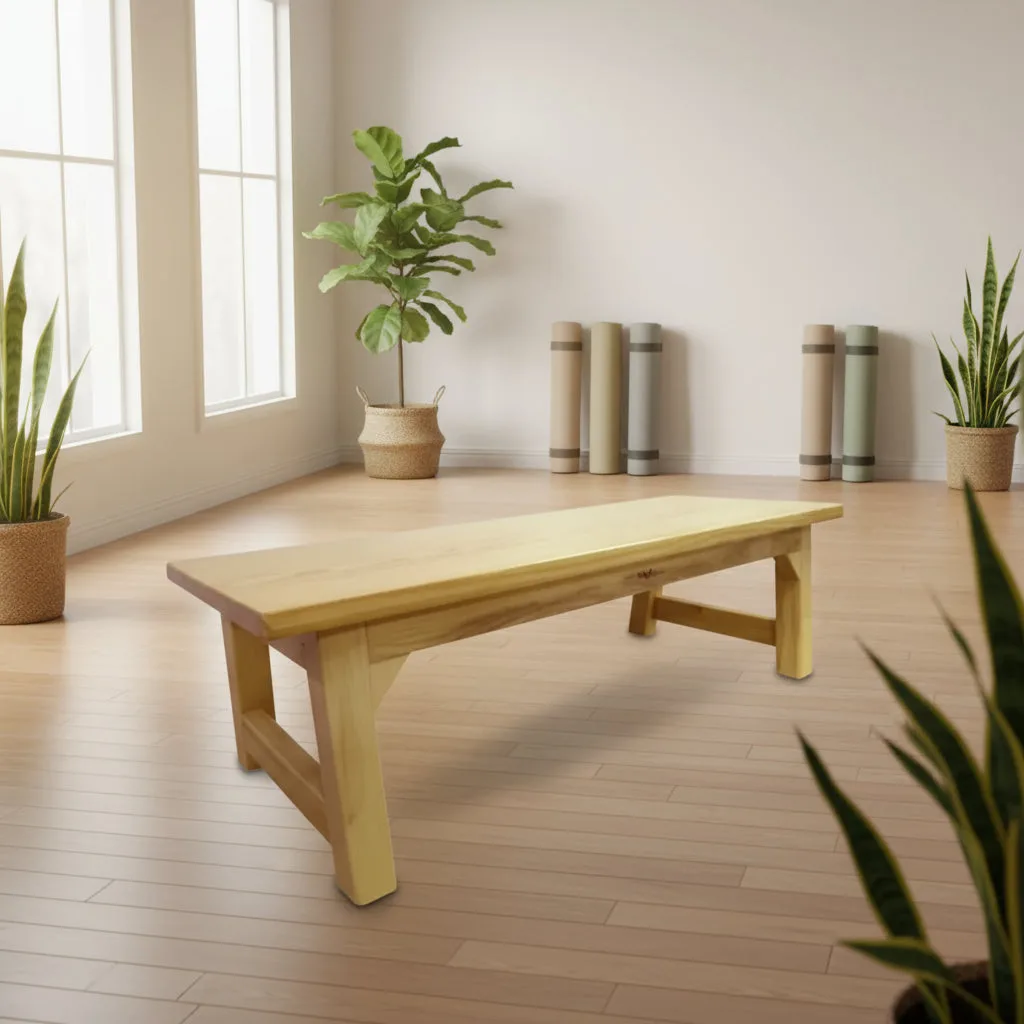
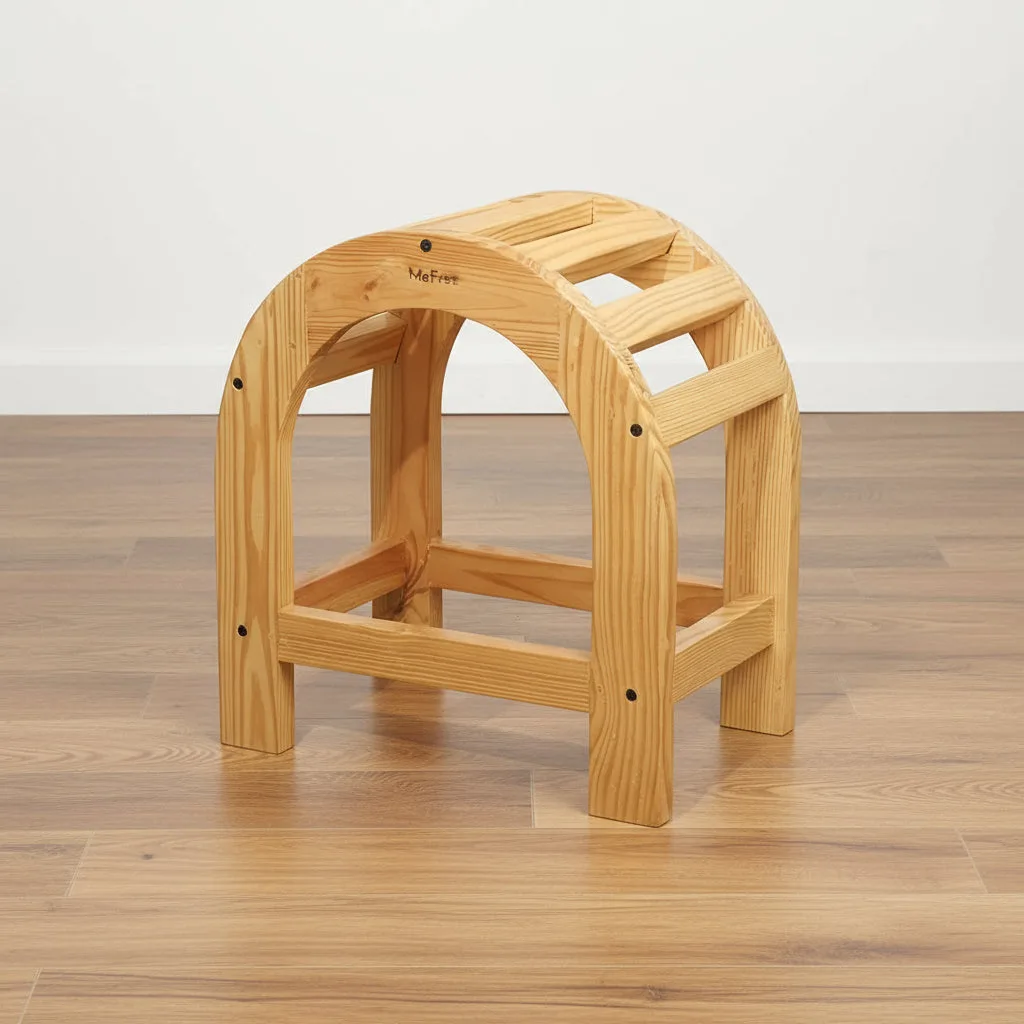
Choose the Trestle/Horse - Small when you want a compact, height-adjustable anchor for backbends, side bends, and precise placement in tight spaces. Choose the Setubandh Bench when you need a dedicated, heavy-use bridge support that prioritizes back alignment and long-term stability. If you are deepening an established Iyengar backbend practice, the Tall Backbender is the more specialized third option.
How the trestle horse and Setubandh bench differ in practice
The Trestle/Horse - Small is built as a compact anchor: its smaller footprint gives you height and stability for backbends, side bends, and difficult positions where precise placement matters. The Setubandh Bench is designed as a dedicated backbend bench, with a form intended to withstand heavy use while supporting alignment and flexibility work. In daily practice, the trestle horse asks you to position it deliberately for each shape, while the Setubandh bench offers a fixed, repeatable surface for bridge and backbend support.
Yoga trestle horse uses beyond backbends
Because the small trestle horse is compact, it works as a versatile anchor for side bends and supported positions where you need height without a large platform. Its size makes it easier to move around a mat and to store between sessions. The trade-off is that its smaller surface gives you less continuous support along the spine than a bench-style prop, so you will adjust placement more often.
Where the Setubandh bench earns its footprint
The Setubandh bench is the better fit when your priority is a stable, dedicated surface for supported backbends and bridge work. Its design targets alignment and flexibility, and it is built to handle heavy use while keeping its form. That makes it a sensible choice for a home studio or a practice that returns to the same backbend shapes regularly. The trade-off is that it occupies more floor space and is less portable than a small trestle horse.
When to add the Tall Backbender instead
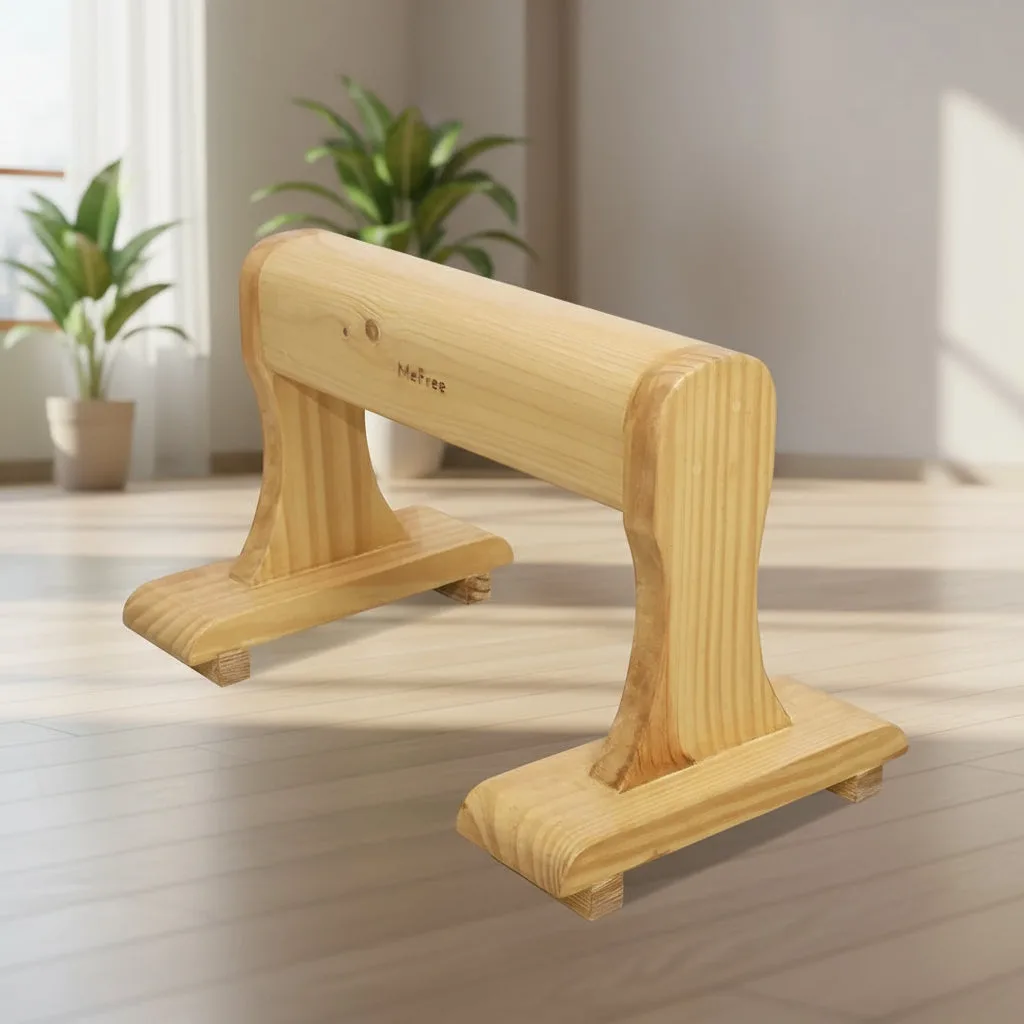
If your backbend practice is already established and you want to deepen spinal extension, the Tall Backbender is purpose-built for experienced practitioners. It is handcrafted from solid, sustainable pinewood and designed specifically for safely deepening backbends. It does not replace the general-purpose anchoring of a trestle horse or the bridge support of a Setubandh bench; it adds a more specialized tool for advanced extension work.
The trade-offs that decide it
- Footprint vs. continuity of support: The small trestle horse fits tight spaces and moves easily, but its compact surface gives less continuous support along the spine than a bench. Choose the trestle horse if floor space and portability come first.
- Dedicated bench vs. versatile anchor: The Setubandh bench is built for heavy use and repeatable backbend support; the trestle horse is a more flexible anchor for varied positions. Choose the bench if your practice returns to the same bridge and backbend shapes.
- General support vs. advanced extension: The Tall Backbender targets experienced practitioners deepening backbends, while the other two props serve broader support roles. Add the Tall Backbender only after your backbend practice is established.
Product facts at a glance
- Trestle/ Horse - Small: The Small Yoga Trestler is compact and created to assist with safe and precise placement for difficult positions, giving height and stability for backbends and side bends. Its small footprint suits tighter spaces and practitioners who reposition support frequently.
- Setubandh Bench: The Setubandh Bench is designed to withstand heavy use while maintaining its form, supporting alignment and flexibility in Iyengar practice. A stable, dedicated bench reduces setup time for repeated bridge and backbend sessions.
- Tall Backbender: The Tall Backbender is handcrafted from solid, sustainable pinewood and designed specifically for experienced practitioners deepening backbends. It is a specialized extension tool rather than a general-purpose support prop.
Which support prop fits your practice?
Best for
- Practitioners working in a small space who need a compact, stable anchor for backbends and side bends
- Students who reposition props often and want a versatile support for difficult positions
Not for
- Practitioners who want a fixed, bench-style surface for repeated bridge work
- Experienced backbenders seeking a specialized tool for deep spinal extension