Start with the seal, not the soap
The perimeter seal is the part that does the quiet work on a low-profile hard folding cover. On the ARMORDILLO® CoveRex TFX for the 2016-2022 GMC Canyon 6-foot bed and the matching Chevrolet Colorado 6-foot bed, integrated perimeter seals are designed to keep out most rain, snow, dirt, and debris. Before you wash anything, open the tailgate and look along the bed rails and the tailgate edge. A seal that is pinched, folded under, or packed with grit will not sit the way it should, and no amount of cleaning will fix that.
Run a hand along the seal. If you feel a hard ridge of dirt or a section that has lifted away from the rail, note it. That is the spot to address first. The cover is not fully submersible, so the goal is a clean, even seal that sheds most weather rather than a waterproof vault.
A simple care routine for the CoveRex TFX
These steps follow the supplied product evidence for the CoveRex TFX. They are care and inspection steps, not a substitute for the manufacturer’s installation instructions.
- 1. Park on level ground and open the cover fully: Fold all three panels so you can reach the rails, seals, and clamps. The tri-fold design lets you fold one, two, or all three panels without removing the cover, which makes this inspection easier.
- 2. Wipe the perimeter seal with a damp cloth: Work along the full perimeter, including the tailgate edge. Remove visible dirt, leaves, and road grit so the seal can sit flat. Do not pull or stretch the seal while cleaning.
- 3. Check the clamp-on bolt system: The no-drill clamp-on system is designed for straightforward DIY installation without permanent modifications. Look at each clamp for looseness or debris. If a clamp has shifted, re-seat it according to the installation instructions rather than overtightening it.
- 4. Clean the hard panels: Wash the low-profile panels with mild soap and water, then rinse. The rigid hard-fold panels are the structural surface, so avoid abrasive pads or harsh solvents that could dull the finish. A soft wash mitt is enough.
- 5. Dry the seal and panel edges: Dry the perimeter seal and the edges where panels meet. Standing water at the seal is what you want to avoid, especially before cold weather.
- 6. Test the buckle and strap system: The built-in buckle and strap system is designed to keep panels stable when driving with the cover partially open. Check that the straps are intact and that the buckles engage. If you drive with the cover folded, secure the panels as intended before moving.
Weather seal care through rain, snow, and dust
The CoveRex TFX is built to protect cargo against most rain, snow, UV exposure, dust, and road debris. That wording matters: the seal is a perimeter seal, not a submersible gasket. After a heavy rain or a snow melt, open the cover and check for moisture along the rails. A little dampness at the edges is normal; standing water inside the bed is a sign to recheck the seal seating and the tailgate closure.
In dusty conditions, rinse the seal before you fold the cover. Grit trapped between the seal and the rail can wear the seal each time you open and close the panels. A quick rinse and dry is faster than replacing a seal.
CoveRex TFX fitment and care facts
-
ARMORDILLO® CoveRex TFX 2016-2022 GMC Canyon 6' Bed Low Profile Tri-Fold Hard Folding Tonneau Cover: For 2016-2022 GMC Canyon 6-foot truck bed; clamp-on, no-drill installation. The cover is vehicle-specific, so care starts with confirming you have the 6-foot bed version before checking seal alignment.
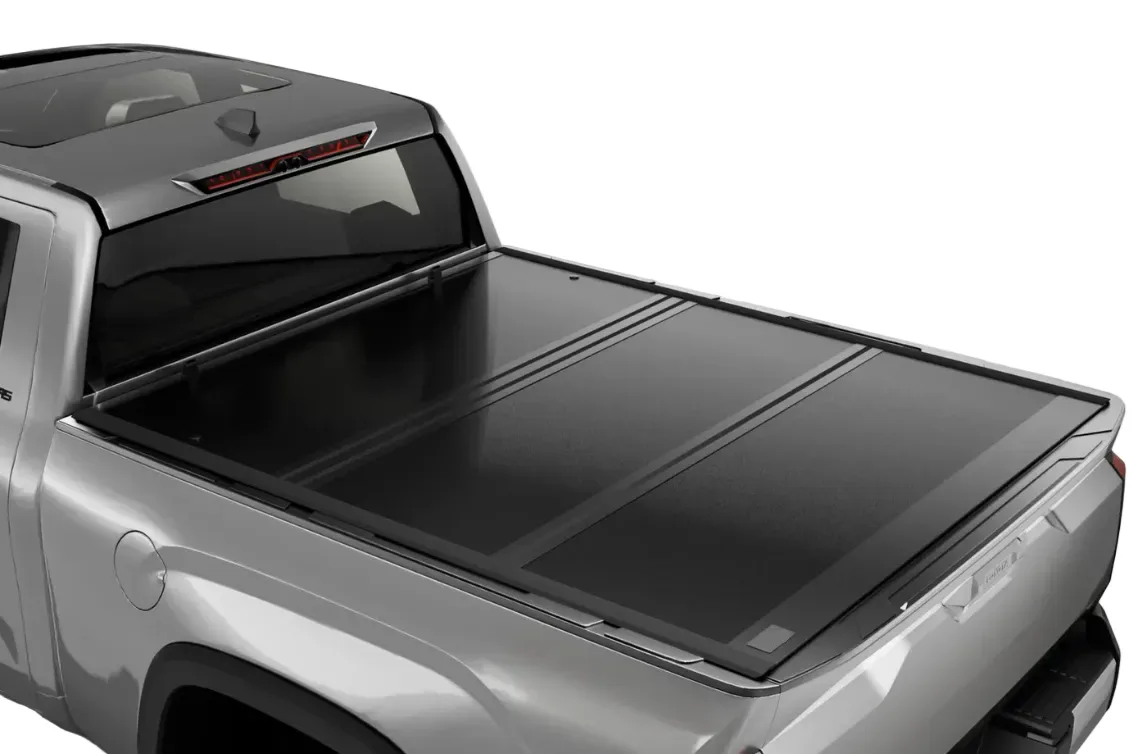
ARMORDILLO® CoveRex TFX 2016-2022 GMC Canyon 6' Bed Low Profile Tri-Fold Hard Folding Tonneau Cover
-
ARMORDILLO® CoveRex TFX 2016-2022 GMC Canyon 6' Bed Low Profile Tri-Fold Hard Folding Tonneau Cover: Integrated perimeter seals help keep out most rain, snow, dirt, and debris. This is the part to inspect and clean first; the seal does most of the weather protection work.
-
ARMORDILLO® CoveRex TFX 2016-2022 GMC Canyon 6' Bed Low Profile Tri-Fold Hard Folding Tonneau Cover: Built-in buckle and strap system keeps panels stable when driving with the cover partially open. Check straps and buckles during every care routine, especially if you drive folded.
The Colorado version follows the same routine
The ARMORDILLO® CoveRex TFX for the 2016-2022 Chevrolet Colorado 6-foot bed shares the same low-profile tri-fold hard panel construction, perimeter seal, and clamp-on no-drill system. The care steps above apply the same way. The main difference is fitment: confirm you have the Colorado 6-foot bed cover, not the Canyon version, before you adjust clamps or seals.
Colorado 6-foot bed cover evidence
-
ARMORDILLO® CoveRex TFX 2016-2022 Chevrolet Colorado 6' Bed Low Profile Tri-Fold Hard Folding Tonneau Cover: For 2016-2022 Chevrolet Colorado 6-foot truck bed; clamp-on, no-drill installation. Use the Colorado-specific cover so the perimeter seal and clamps align with the bed rails as designed.
ARMORDILLO® CoveRex TFX 2016-2022 Chevrolet Colorado 6' Bed Low Profile Tri-Fold Hard Folding Tonneau Cover
-
ARMORDILLO® CoveRex TFX 2016-2022 Chevrolet Colorado 6' Bed Low Profile Tri-Fold Hard Folding Tonneau Cover: Low-profile tri-fold hard panel construction with a buckle and strap secure system. The same panel and strap checks from the Canyon routine apply here.
What the supplied information does not cover
The product records do not include a cleaning product list, a seal lubricant recommendation, or a torque specification for the clamps. Do not guess at those. If a clamp feels loose, follow the installation instructions that came with the cover. If the seal is damaged, contact the seller or manufacturer for the correct replacement part rather than trimming or gluing it.
- No seal lubricant is specified: The records mention perimeter seals but not a conditioner or lubricant. A damp cloth and mild soap are supported; specialty seal treatments are not.
- No clamp torque value is given: The clamp-on system is described as no-drill and DIY-friendly, but the records do not list a torque setting. Tighten according to the installation instructions, not by feel alone.
- No winter chemical de-icer guidance is supplied: Rinse road salt and de-icer residue from the seal and panels with water. The records do not name specific chemicals to avoid beyond general care.