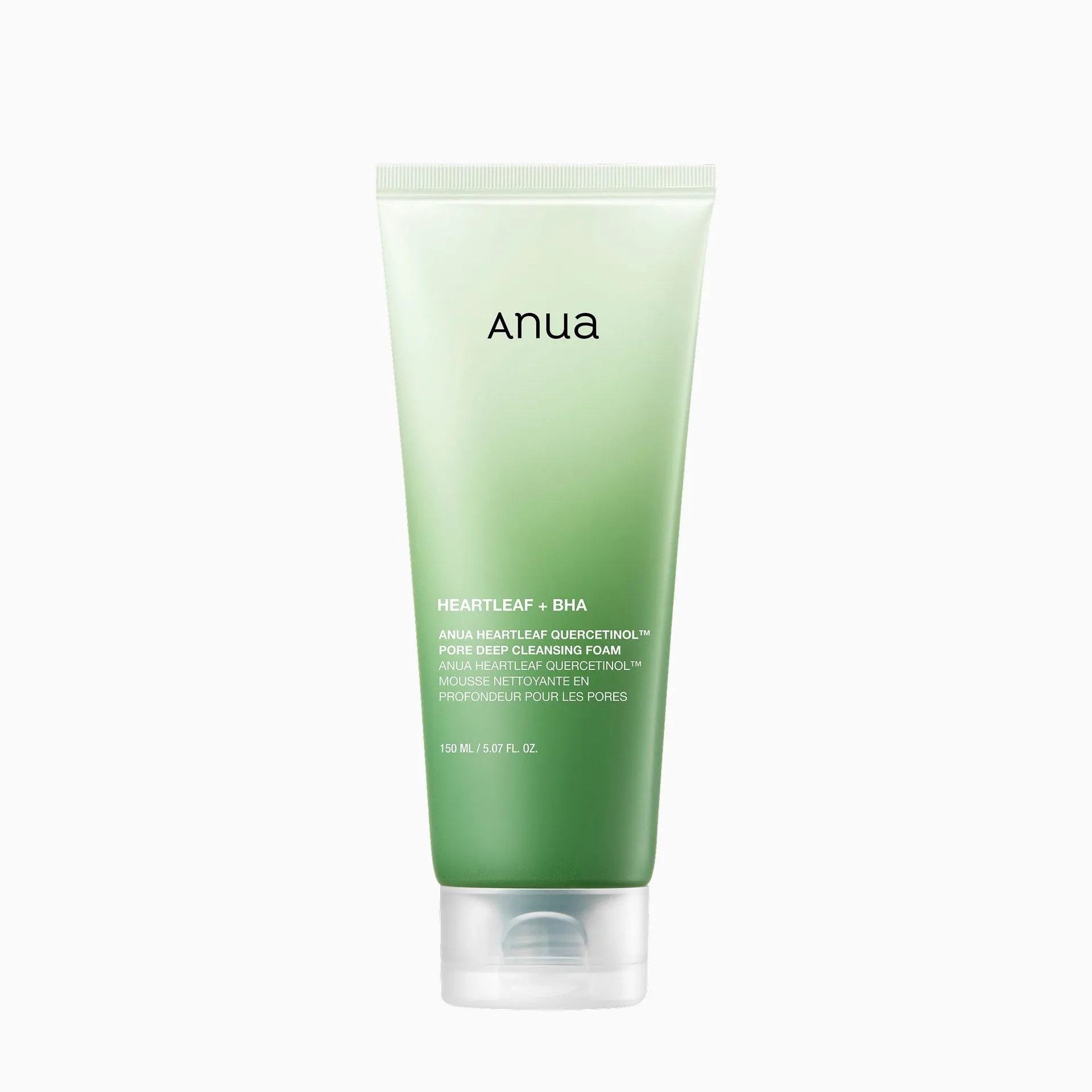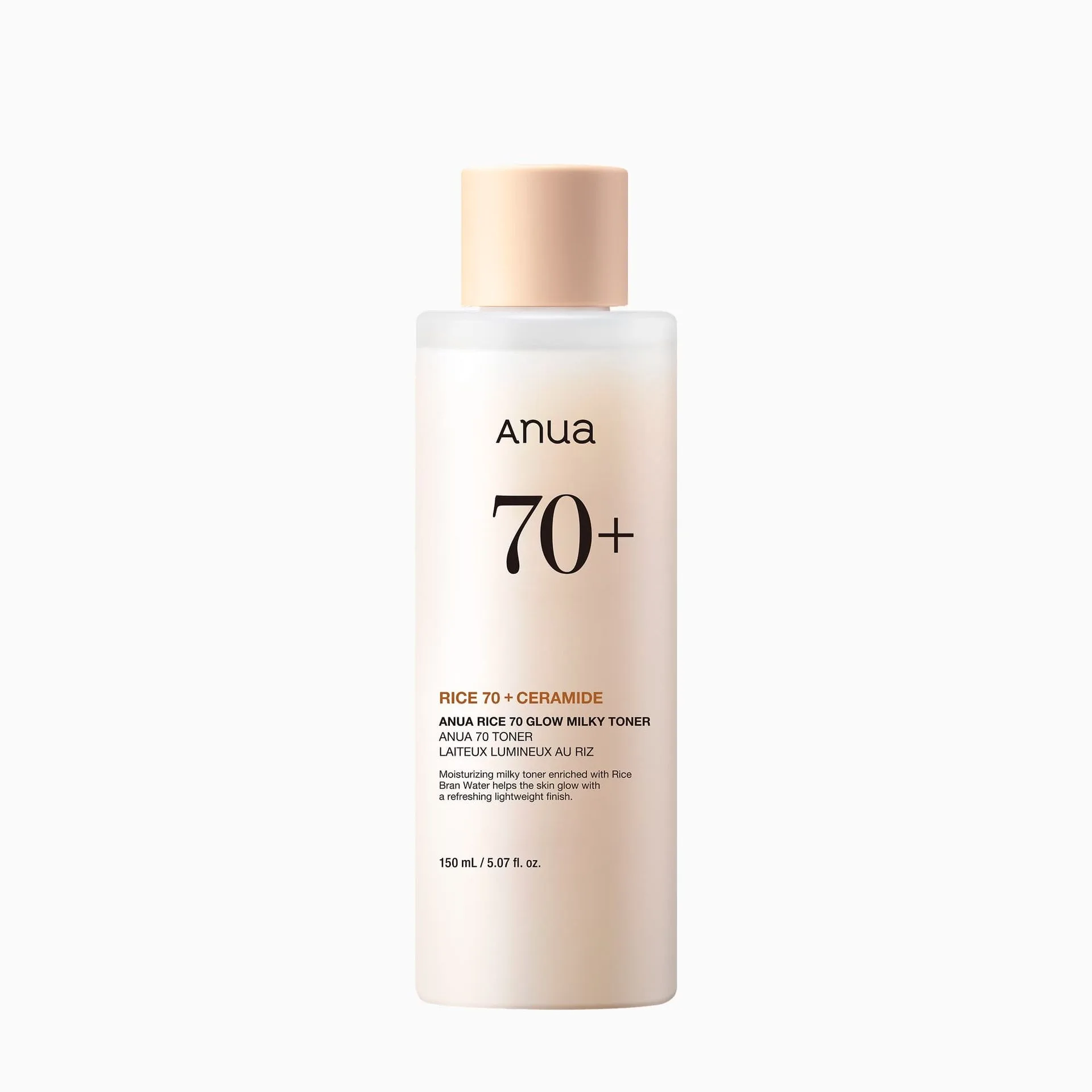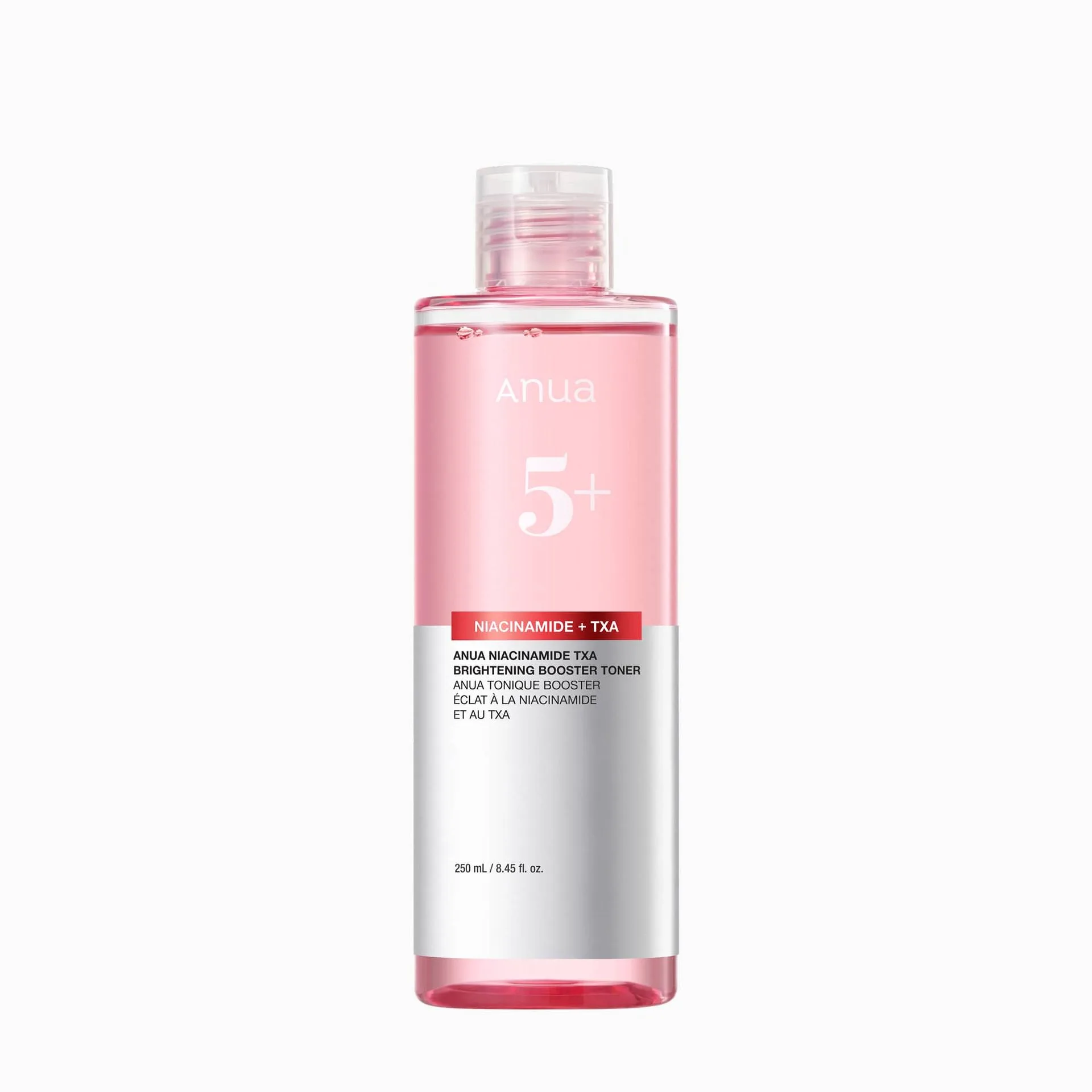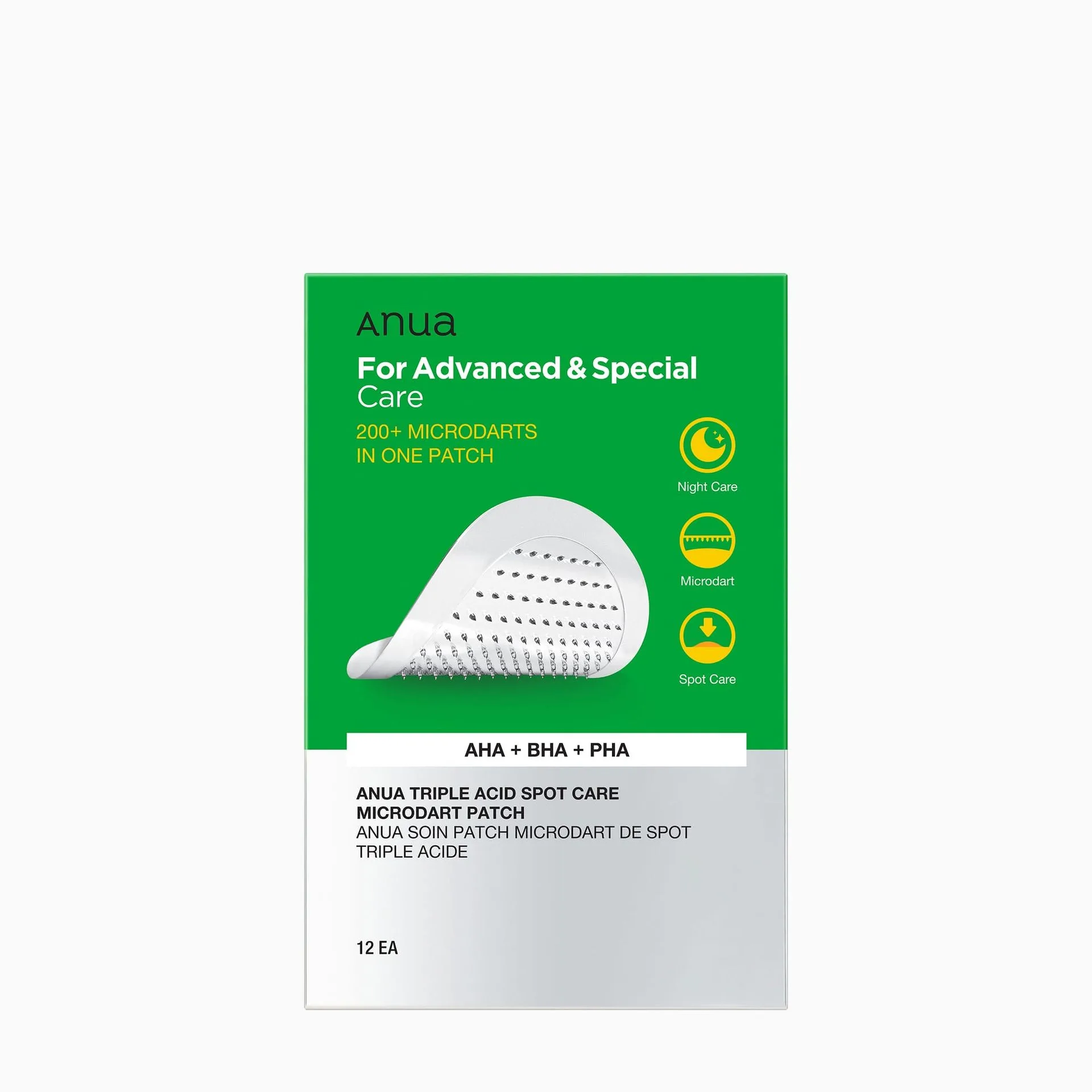
If you've ever woken up to a deep, painful pimple that refuses to come to a head, you know that standard spot patches often fall short. Traditional hydrocolloid patches work wonders on open, oozing blemishes, but they struggle to reach the inflammation trapped beneath the skin. That's where triple acid microdart patches enter the conversation—a newer Korean skincare innovation designed to deliver active ingredients directly into the pore.
In this comparison, we'll break down how microdart patches differ from classic spot patches, which type works best for cystic acne, and how to choose the right option for your breakout. Whether you're dealing with the occasional surface pimple or stubborn underground bumps, understanding the mechanism behind each patch will help you treat acne more effectively.
How Traditional Hydrocolloid Spot Patches Work
Traditional spot patches are made from hydrocolloid, a gel-forming material that absorbs fluid from open pimples. When you place one over a whitehead or a popped blemish, it draws out pus and oil, creating a moist environment that speeds healing. These patches also provide a physical barrier against bacteria and picking, which reduces the risk of scarring.
However, hydrocolloid patches have a clear limitation: they only work on pimples that have already come to a head. For deep, cystic acne or blind pimples with no visible opening, a hydrocolloid patch sits on the surface without reaching the source of inflammation. This is why many people with hormonal or nodular acne find them ineffective.
- Best for: whiteheads, pustules, and popped blemishes
- Not effective for: cystic, blind, or deep inflammatory pimples
What Makes Triple Acid Microdart Patches Different
Triple acid microdart patches use tiny, dissolvable needles—called microdarts—that are loaded with active ingredients. When pressed onto the skin, these needles penetrate the upper layers of the epidermis, delivering salicylic acid, azelaic acid, and other exfoliants directly into the pimple. This targeted delivery can reduce inflammation deep within the pore, even for pimples that haven't surfaced yet.
A product like the https://purebeautytools.store/products/pdrn-collagen-melting-patch-for-glass-skin-4ea-51521PDRN Collagen Melting Patch For Glass Skin 4ea is designed for a different purpose (hydrating and plumping), but the microdart principle is similar. For acne treatment, look for patches that combine exfoliating acids with soothing ingredients. The key advantage is that microdarts bypass the skin's outer barrier, allowing actives to work where they're needed most.
- Best for: cystic acne, blind pimples, and stubborn bumps under the skin
- Contains dissolving needles that deliver acids (salicylic, azelaic, etc.) into the pore
Triple Acid vs Hydrocolloid: Which Should You Choose?
The choice depends on the type of pimple you're treating. If you have a whitehead or a pustule that's already come to a head, a traditional hydrocolloid patch will absorb fluid quickly and flatten the blemish within hours. These patches are also more affordable and widely available. For surface-level acne, they remain a reliable first line of defense.
For deep, painful pimples that feel hard under the skin—common with hormonal or cystic breakouts—a triple acid microdart patch is the better option. The microdarts physically breach the skin's surface, allowing acids to penetrate and reduce swelling from within. While they may cost more per patch, they offer a targeted treatment that hydrocolloid simply cannot provide. Many Korean skincare enthusiasts keep both types on hand: hydrocolloid for everyday whiteheads and microdart patches for the stubborn, underground bumps.
- Use hydrocolloid for open, draining pimples
- Use triple acid microdart patches for cystic, blind, or inflamed pimples
- Consider combining both in your routine for comprehensive acne care
How to Use Microdart Patches for Best Results
To get the most out of a triple acid microdart patch, start with clean, dry skin. Do not apply any serums or moisturizer underneath, as the microdarts need direct contact with the skin to dissolve properly. Press the patch firmly onto the pimple and hold for about 10–15 seconds to ensure the needles penetrate. Leave it on for at least 4–6 hours, or overnight, while the active ingredients absorb.
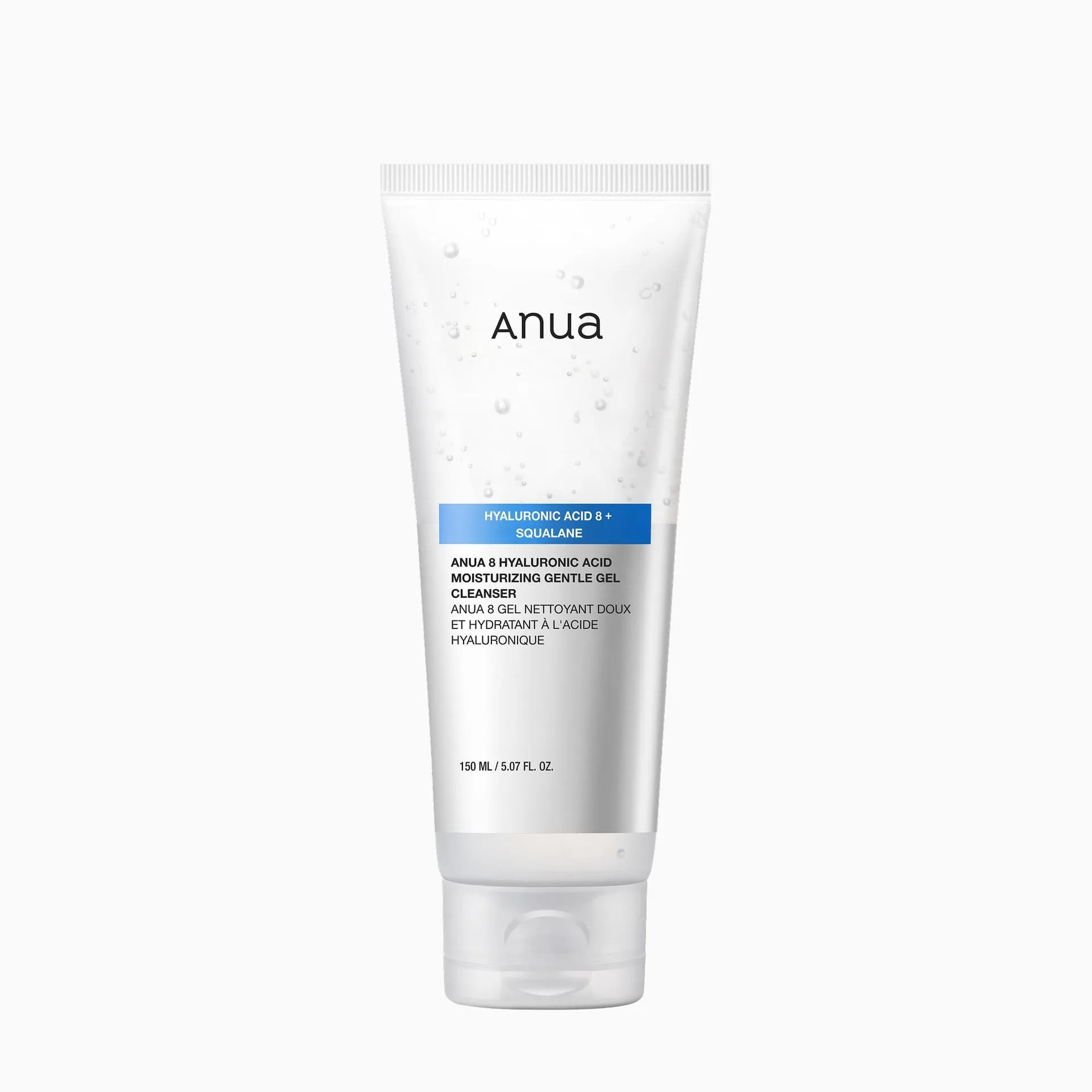
After removing the patch, you may notice the pimple is less swollen or has come to a head. Follow up with a gentle cleanser like the https://purebeautytools.store/products/8-hyaluronic-acid-moisturizing-gentle-gel-cleanser-514858 Hyaluronic Acid Moisturizing Gentle Gel Cleanser to soothe the area without stripping. Then apply a calming moisturizer, such as the Heartleaf 70% Intense Calming Cream, to reduce any residual redness. Avoid using additional exfoliating acids on the same spot to prevent irritation.
- Apply on clean, bare skin for direct penetration
- Hold patch in place for 10–15 seconds to set microdarts
- Leave on for 4–6 hours or overnight for best efficacy
Limitations and Tradeoffs of Microdart Patches
While triple acid microdart patches are powerful, they aren't perfect for every situation. Because they contain active acids, they can cause stinging or redness on sensitive skin—especially if left on for too long or used on broken skin. They also require more precision during application than a standard patch, and the cost per treatment is higher.
Additionally, microdart patches are designed for individual pimples, not large areas. If you have clusters of acne, a targeted serum like the Niacinamide 10 TXA 4 Serum for Brightening and Dark Spots might be a better daily option. For maintenance, consider a holistic routine with a toner like the Azelaic 3 Cica Skin Clarifying Toner to prevent future breakouts while treating current ones.
- May cause stinging on sensitive or broken skin
- Higher cost per patch compared to hydrocolloid
- Best for spot treatment, not widespread acne
Both triple acid microdart patches and traditional hydrocolloid spot patches have their place in a well-rounded acne care routine. For surface whiteheads, stick with hydrocolloid. For deep, stubborn pimples that resist standard treatment, microdart patches offer a more direct and effective solution. By matching the patch type to your specific breakout, you can treat acne faster and with less irritation.