Quick Answer
When a needle decompression device fails, the issue is often a kinked catheter, incorrect insertion angle, or blockage. Start by reassessing your landmarks and technique, but never leave a failed attempt untreated—seek advanced medical support if the patient's condition doesn't improve.
Needle decompression is a critical intervention for tension pneumothorax, but devices can malfunction or be misapplied. Recognizing and fixing common needle decompression problems quickly can make a life-saving difference.
This guide walks through typical decompression device issues, their likely causes, and corrective actions. It also highlights when to stop troubleshooting and escalate care.
Catheter Kinking or Occlusion
A common issue is the catheter kinking after insertion, which blocks airflow and prevents lung re-expansion. This can happen if the catheter is too short or if the patient moves. Signs include lack of air release or no improvement in breathing.
To fix, gently reposition the catheter or secure it with tape to prevent movement. If kinking persists, consider using a longer catheter or a different decompression device. Always reassess the patient's respiratory status after any adjustment.
- Use an occlusive dressing to secure the catheter and minimize movement.
Incorrect Placement or Angle
Inserting the needle at the wrong angle or location can miss the pleural space, leading to failed decompression. The correct site is the second intercostal space at the midclavicular line, with the needle inserted perpendicular to the chest wall.
If you suspect malposition, remove the device and re-evaluate your landmarks. In obese patients, a longer needle may be necessary—a common challenge in field settings. Practice with training aids to improve accuracy.
- Reconfirm anatomical landmarks before re-attempting.
Blockage by Blood or Tissue
The catheter lumen can become blocked by blood clots or tissue, preventing air evacuation. This is more likely in trauma cases with significant bleeding. Symptoms include no air escape and deteriorating vital signs.
Flush the catheter with sterile saline if available, or gently aspirate to clear the blockage. If the device remains non-functional, remove it and consider alternative decompression methods. Document the issue for further medical review.
- Always have a backup decompression device available.
Diagnosis and Action Guide
- Symptom: No air release after insertion: Likely cause: catheter kink, blockage, or incorrect placement. Action: Check for kinks, flush if possible, and reassess landmarks. If still no air, remove and re-attempt or escalate.
- Symptom: Patient condition worsens: Likely cause: incomplete decompression or underlying injury. Action: Reassess ABCs, consider alternative decompression sites, and prepare for advanced airway support. Stop troubleshooting and transport immediately if unstable.
- Symptom: Device malfunctions (e.g., broken hub): Likely cause: manufacturing defect or damage. Action: Switch to a backup device if available; otherwise, use a different decompression method. Always carry a redundant device in your kit.
Relevant Products for Training and Preparedness
- Celox Z-Fold Hemostatic Bandage - Trainer: The Celox Z-Fold Hemostatic Bandage - Trainer is a training tool designed to help users practice the application of hemostatic bandages. While not a decompression device, practicing with trainer products like this helps build confidence in applying emergency interventions correctly, reducing the risk of device issues in real situations.
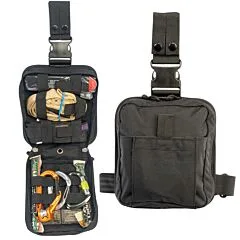
- High Threat Extraction Kit: The High Threat Extraction Kit is a purpose-built solution from Narescue, designed to support rapid response in high-risk situations. Having a comprehensive kit ensures you have backup supplies and tools to address complications during decompression, such as bleeding or additional injuries.
Troubleshooting needle decompression device issues requires a systematic approach and a calm mindset. Regular training with realistic simulators and having reliable equipment can prevent many problems. Always prioritize patient safety and seek higher-level care when needed.