Quick Answer
Low water pressure in your irrigation system usually comes from clogged nozzles, a dirty filter, a partially closed valve, or a faulty pressure regulator. Start by checking the easiest fixes—cleaning filters and nozzles—before moving to more complex checks like valve adjustments or regulator settings.
Is your sprinkler system sputtering instead of spraying? Weak water pressure can leave dry patches in your lawn and waste water. But before you dig up your yard, know that many low-pressure problems have simple fixes you can do in an afternoon.
This guide walks you through the most common causes of low water pressure, from clogged parts to pressure regulator issues, and gives you clear steps to diagnose and fix each one. We'll also point out when it's time to call a professional.
Start with the Obvious: Check the Main Valve and Hose
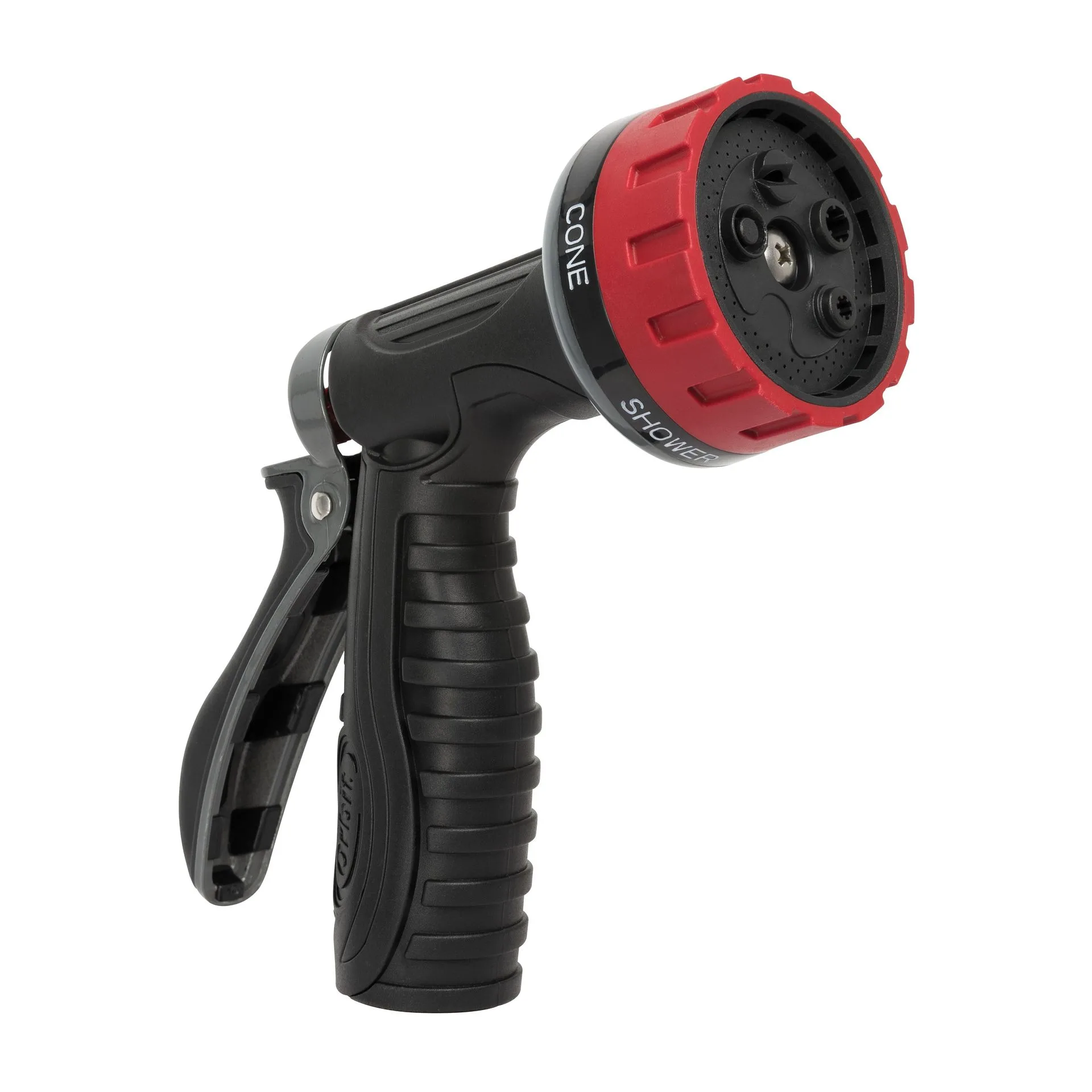
Before inspecting your sprinkler heads, make sure the water supply is fully open. The main shut-off valve near your water meter or house may be partially closed, especially after recent maintenance. Turn it counterclockwise until it stops. Also, if you're using a hose-end sprinkler, check for kinks in the hose or a faulty hose connection that could restrict flow.
A simple test: attach a pressure gauge to an outdoor faucet and turn it on full. If the pressure is low even without the sprinkler system, the problem is in your home's supply, not the irrigation. If the pressure is fine, move on to the system components.
- Check the main valve is fully open.
- Inspect hoses for kinks or leaks.
- Test water pressure at a faucet to isolate the issue.
Clogged Nozzles and Filters: The Most Common Culprit
Over time, dirt, debris, and mineral buildup can clog sprinkler nozzles and filters, reducing water flow and pressure. This is especially common if you have dirty water or an older system. Pop-up spray heads often have a filter screen inside the body that can trap particles.
To fix: unscrew the nozzle and rinse it under water, using a small brush or needle to clear any debris. Also remove and clean the filter screen. If the nozzle is damaged or worn, replace it with a new one. For example, the Orbit 4-inch Professional Hard Top Pressure-Regulating Pop-Up Spray Head features a gravity-activated silt trap that handles dirty water, reducing clogs—a smart upgrade if your water source has sediment.
- Clean nozzles and filters regularly.
- Consider pressure-regulating heads to prevent misting and improve efficiency.
Pressure Regulator Issues: Too High or Too Low
Pressure regulators control the water pressure to your sprinkler system. If the regulator is set too low or is failing, you'll see weak spray patterns. Some regulators are adjustable, like the one on the Orbit 4-inch Professional Hard Top, which lets you fine-tune pressure between 30-40 PSI for even coverage.
To diagnose: check the regulator's adjustment ring or screw. If it's set below the recommended range, increase it. If the regulator is corroded or broken, replace it. For drip systems, a pressure regulator is crucial—too much pressure can damage emitters, while too little causes poor watering.
- Locate the pressure regulator on your main line or valve.
- Adjust to the recommended PSI for your system type.
- Replace if it's not holding pressure.
Valve Problems: Partial Opening or Leaks
Irrigation valves control water flow to different zones. If a valve is partially closed or malfunctioning, it can reduce pressure to that zone. Check each valve to ensure it's fully open. Also, listen for hissing sounds or look for wet spots near the valve box, which indicate leaks that waste pressure.
If the valve diaphragm is worn or dirty, clean or replace it. For systems with a manifold, ensure all connections are tight and not leaking. The Orbit 4-Port Full Flow Manifold is designed for easy maintenance with a removable filter that prevents clogged nozzles—a useful feature to keep pressure consistent.
- Open all valves fully.
- Inspect for leaks around valves and fittings.
- Clean or replace valve diaphragms if needed.
System Design and Pipe Size: When It's Not a Simple Fix
Sometimes low pressure is due to design flaws: pipes too small for the number of sprinklers, too many heads on one zone, or excessive elevation changes. These issues require reworking the system—not just a quick fix.
If you've checked all components and pressure is still low, you may need to reduce the number of heads per zone, increase pipe size, or install a booster pump. These are bigger projects that often require professional help. But before that, make sure each sprinkler head is operating as intended; sometimes replacing an old nozzle with a more efficient model can help.
- Check if too many heads run at once.
- Consider upgrading to pressure-regulating heads for better efficiency.
- Consult a professional for major redesigns.
Diagnosis: From Symptom to Solution
- Symptom: Weak spray from all heads: Check the main valve, pressure regulator, and supply line for restrictions. If the main valve is open and the regulator is set correctly, move to the next step.
- Symptom: Weak spray from a single zone: Inspect the zone valve, manifold filter, and individual heads for clogs or partial closure. Clean or replace clogged parts; if the issue persists, the valve may need replacement.
- Symptom: Low pressure only at certain heads: Check for clogged nozzles, dirty filters, or damaged heads in that area. Clean or replace the nozzle; consider upgrading to pressure-regulating heads if the issue recurs.
- Symptom: Pressure fine at faucet but low in system: Look for leaks in underground pipes, valve boxes, or fittings that waste pressure. Repair leaks; if none found, consult a professional for a system audit.
Products That Help Improve Water Pressure
- 4-inch Professional Hard Top Pressure-Regulating Pop-Up Spray Head Sprinkler with 15-foot Adjustable Nozzle | 80308: Adjustable pressure regulator (30-40 PSI) fine-tunes water delivery for spray efficiency and even coverage across different soil types If your pressure is too high or low, this head lets you adjust to the ideal range, preventing misting and ensuring even watering.
- 4-Port Full Flow Manifold 67025: Easy to remove filter - Prevents clogged nozzles A clogged filter can reduce pressure; this manifold's easy-access filter makes maintenance simple, keeping flow strong.
- Hose Water Flow Meter 56854: WATER CONSERVATION: Measure water consumption to prevent over watering. KNOW THE FLOW: Calculates both single-use and total water consumption. Monitoring flow helps you detect pressure drops early and avoid wasting water on underperforming zones.
Low water pressure doesn't always mean a major overhaul. By systematically checking the main valve, cleaning filters and nozzles, adjusting or replacing the pressure regulator, and inspecting valves, you can often restore strong, even watering. If these steps don't solve the problem, it may be time to call an irrigation professional to evaluate your system's design.