Quick answer
Choose a custom-fit rubber truck bed mat when you want anti-slip cargo protection and easy removal; choose a spray-in or drop-in bed liner when you need full wall and floor coverage. Match the mat to your exact bed length and surface pattern before ordering.
Rubber mat versus bed liner: protection trade-offs
A rubber bed mat sits on the floor and uses a textured surface to reduce cargo movement, while a bed liner covers the floor, walls, and tailgate. The mat is removable for cleaning or access to tie-downs, but it does not protect the side walls. A liner offers broader coverage but is typically permanent or semi-permanent and can be more expensive.
If your main problem is sliding tools, mulch bags, or coolers, a rubber mat with an anti-slip pattern solves it directly. If you regularly load sharp-edged equipment against the bed walls, a liner may be the better primary protection.
Why truck bed mat sizing must match your bed length
Bed mats are cut for specific bed lengths and model years. A mat listed for a 5-foot bed will not fit a 6-foot-5 bed, and a mat for a 2005–2021 Nissan Frontier will not match a Ford F-150. Measure your bed from the bulkhead to the tailgate and confirm your cab and bed configuration before ordering.
Custom-fit mats also account for wheel-well humps and tailgate gaps. A universal trim-to-fit mat can work, but it may leave gaps that let debris reach the bed floor.
Surface pattern and material: diamondback versus horizontal line
Rubber bed mats use different top patterns. A diamondback rubber bed mat has a raised diamond-plate texture that grips cargo and channels small spills. A horizontal-line pattern provides anti-slip traction with a flatter look. Both are heavy-duty rubber, but the pattern affects how easily you slide heavy items and how much debris traps in the grooves.
For work trucks that carry boxes and tools, the diamond pattern adds grip. For daily drivers that frequently slide plywood or furniture, a flatter horizontal-line mat may be easier to load over.
Decision rules for choosing a truck bed mat
- Start with bed length and model year: Measure your bed from bulkhead to tailgate and confirm the model-year range. Order a mat listed for that exact bed length; do not assume a 5-foot mat fits a 6-foot-5 bed. Write down your bed length and model year before browsing.
- Choose a rubber mat if anti-slip floor protection is the priority: Pick a heavy-duty rubber mat with an anti-slip pattern when you want removable floor protection and reduced cargo movement. Accept that the bed walls remain exposed.
- Choose a bed liner if you need full wall coverage: Select a spray-in or drop-in liner when you regularly load sharp or dirty items against the bed walls. Expect a more permanent installation and higher cost than a rubber mat.
- Match the surface pattern to your loading style: Use a diamondback rubber bed mat for maximum grip on tools and boxes. Choose a horizontal-line pattern if you often slide long, heavy items and want less resistance.
Product facts
-
ARMORDILLO® 2005-2021 Nissan Frontier 5' Bed Diamondback Premium Rubber Truck Bed Mat: Diamondback premium rubber mat with a diamond-plate anti-slip surface, sized for the 2005–2021 Nissan Frontier 5-foot bed. The textured surface helps hold cargo in place, and the custom sizing avoids trimming for that specific truck and bed length.
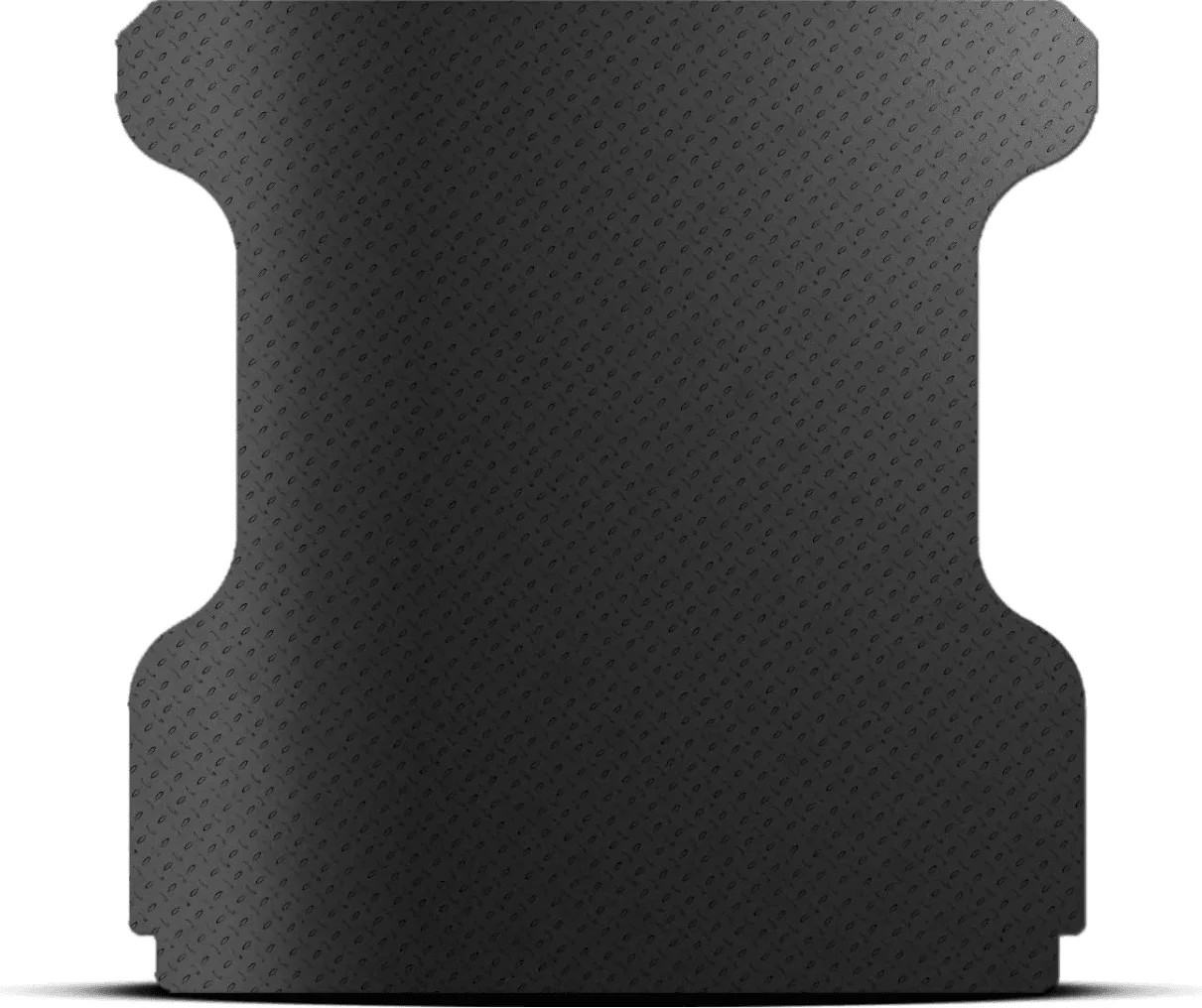
ARMORDILLO® 2005-2021 Nissan Frontier 5' Bed Diamondback Premium Rubber Truck Bed Mat
-
ARMORDILLO® 1997-2003 Ford F-150 6'5" Bed Classic Rubber Truck Bed Mat: Classic rubber mat with a horizontal-line anti-slip surface, sized for the 1997–2003 Ford F-150 6-foot-5 bed. The flatter line pattern offers traction while making it easier to slide long items across the bed floor.
ARMORDILLO® 1997-2003 Ford F-150 6'5" Bed Classic Rubber Truck Bed Mat
ARMORDILLO® 1997-2003 Ford F-150 6'5" Bed Classic Rubber Truck Bed Mat
Who should buy which
Best for
- Owners of a 2005–2021 Nissan Frontier 5-foot bed who want a custom-fit diamondback rubber mat
- Owners of a 1997–2003 Ford F-150 6-foot-5 bed who want a horizontal-line anti-slip mat
- Drivers who want removable floor protection and easier cleaning
Not for
- Owners who need full side-wall and tailgate protection, who should choose a bed liner
- Trucks whose bed length or model year is not covered by the mat listing