Quick answer
Installing truck roof rails is straightforward, but getting the alignment and seal right is critical. Follow these steps to mount the rails securely, attach accessories safely, and avoid damage to your truck or cargo.
What you need before starting
Before you begin, make sure your truck roof is clean and dry. The silicone gasket on the rails creates a weather-tight seal, but dirt or moisture can prevent it from bonding properly. You'll also need a helper to hold the rails in place while you align them — especially if you're working alone on a tall truck.
Check that your roof rails are compatible with the accessories you plan to use. The Truck Top Roof Rails work with Yakima Track accessories, so if you already have a cargo carrier or tent top, confirm the mounting system matches. If you're lifting heavy items, consider pairing the rails with Lifting Straps designed for use with a lifting frame.
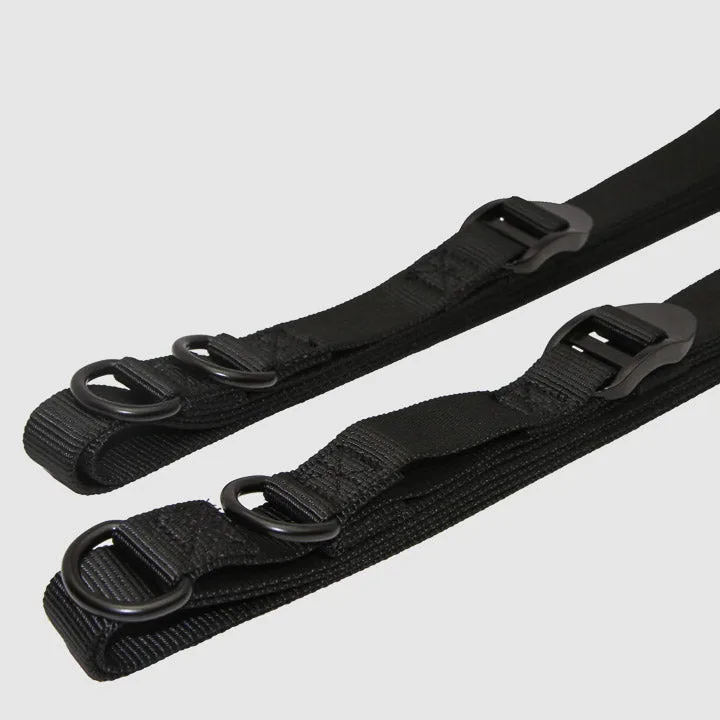
Lifting Straps
Installation steps
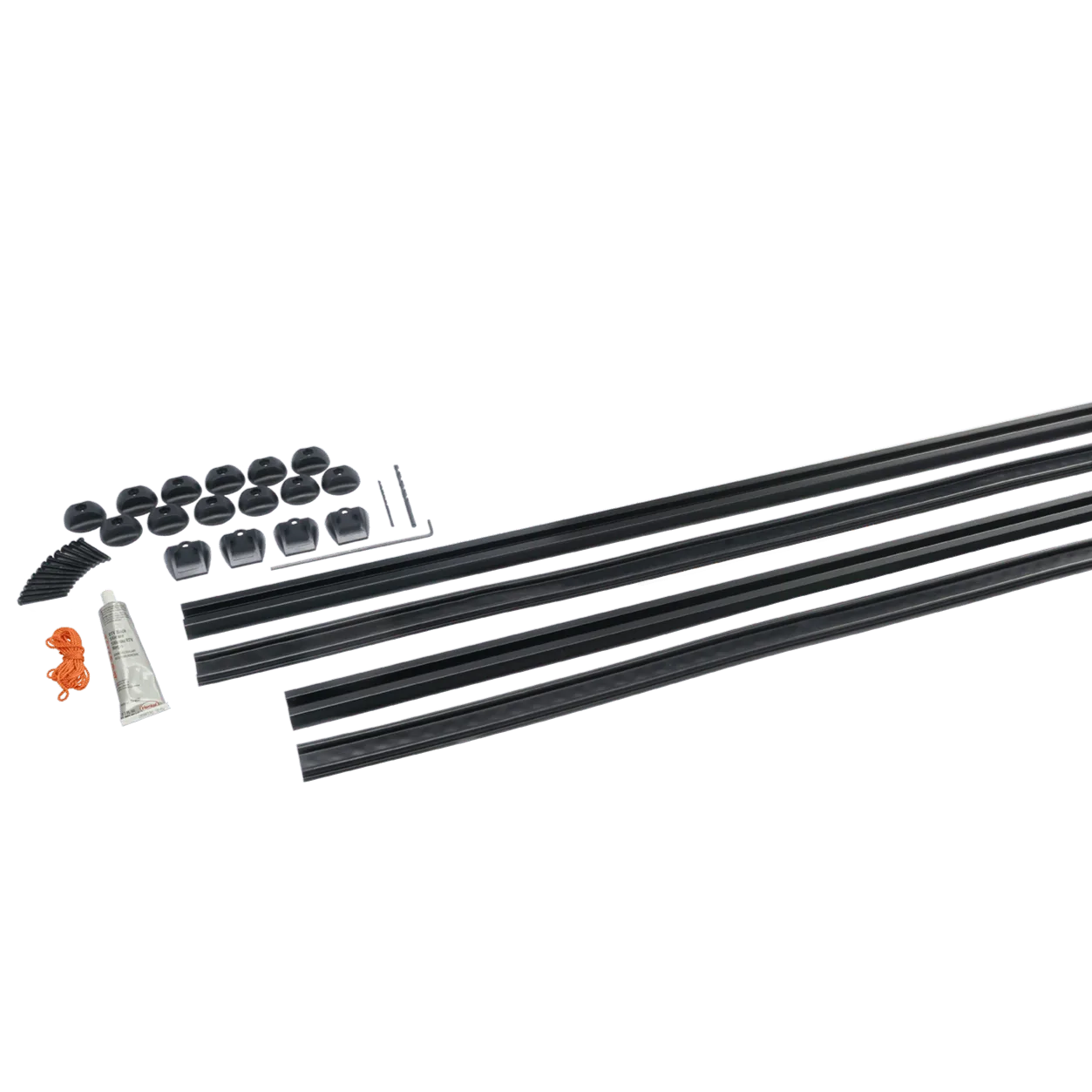
- Position the rails: Place the roof rails on your truck roof, aligning them so the end caps face the front and rear. The included end caps make it easy to slide in roof accessories later. Use a helper to hold both rails steady while you check the alignment. Common mistake: Placing the rails too far forward or backward, which can interfere with accessory mounting. Check that the rails are parallel and centered.
- Secure the rails: Tighten the mounting hardware according to the manufacturer's instructions. Do not overtighten — the silicone gasket needs to compress evenly to prevent leaks. A torque wrench set to the recommended value helps avoid damage. Checkpoint: After tightening, gently tug on each rail to confirm it's firmly attached. If it shifts, loosen and re-tighten.
- Attach accessories: Slide your cargo carrier, tent top, or other Yakima Track-compatible accessory into the end caps. Make sure the accessory locks into place. If you're lifting heavy items like kayaks or paddle boards, use Lifting Straps with a lifting frame to raise the load safely. Safety tip: Never exceed the weight limit of your roof rails or accessories. Overloading can cause the rails to detach or damage your truck roof.
- Test the seal: After installing accessories, check the silicone gasket around each rail. It should be flush against the truck roof with no gaps. If you see a gap, loosen the hardware, reposition the rail, and re-tighten. Final check: Run your hand along the gasket. A consistent seal prevents water from seeping into your truck cab.
Product facts
- Truck Top Roof Rails: Roof rails give your truck a mounting point for accessories like cargo carriers and tent tops. Included end caps allow for easy insertion of roof accessories and a silicone weather-tight gasket prevents scratching and leaking. The weather-tight gasket protects your truck roof from scratches and leaks, so you don't have to worry about rust or water damage when the rails are installed.