Quick answer
Choose the NiSi Cinema True Color VND when you need continuous exposure control from 1 to 5 stops. Choose the Rotating PL when your priority is eliminating reflections and glare with True Color accuracy.
Exposure control vs reflection removal
The two C5 rotating filters serve different primary jobs. The True Color VND is built for variable neutral density, letting you dial in exposure from 1 to 5 stops without swapping glass. The Rotating PL is a polarizer that cuts reflections and glare, adding +1 to 1.5 stops of light loss. If you frequently shoot in changing light, the VND saves time. If you battle window reflections or wet surfaces, the polarizer is your tool.
True Color technology in both
Both filters use NiSi's True Color technology. The VND maintains accurate color across the 1-5 stop range, so you avoid the warm or green casts common on older variable NDs. The Rotating PL removes the warm tone typical of other polarizing filters, giving you neutral color while cleaning up reflections. If color accuracy matters, either filter delivers.
Gear compatibility and control
Both filters feature an M0.8 focus control gear, meaning you can adjust them with a follow focus motor or by hand. This makes them equally suited for cinema rigs where you need remote or repeatable adjustments. The trade-off is that you can only use one at a time unless you stack them, and stacking adds bulk and potential vignetting.
Trade-offs to consider
- Variable ND range: The VND covers 1-5 stops, giving you flexibility for daytime or overcast shoots. The PL adds only +1 to 1.5 stops of light loss and does not reduce exposure further. If you need more than 1.5 stops of exposure reduction, the VND is the only option.
- Reflection and glare control: The Rotating PL eliminates reflections and haze from water, glass, and foliage. The VND has no polarizing effect, so it cannot remove glare. For scenes with reflective surfaces, the polarizer is essential.
- Color accuracy trade-off: Both filters use True Color technology, so neither introduces a strong color cast. However, stacking a VND with a separate polarizer can shift color slightly; the single-filter approach avoids that. Use one filter at a time for the cleanest color.
Product facts at a glance
-
NiSi Cinema True Color VND 1-5 Stops for C5 Matte Box: Variable neutral density from 1 to 5 stops with True Color technology. You can adapt to changing light quickly without swapping filters, and the color stays neutral across the range.
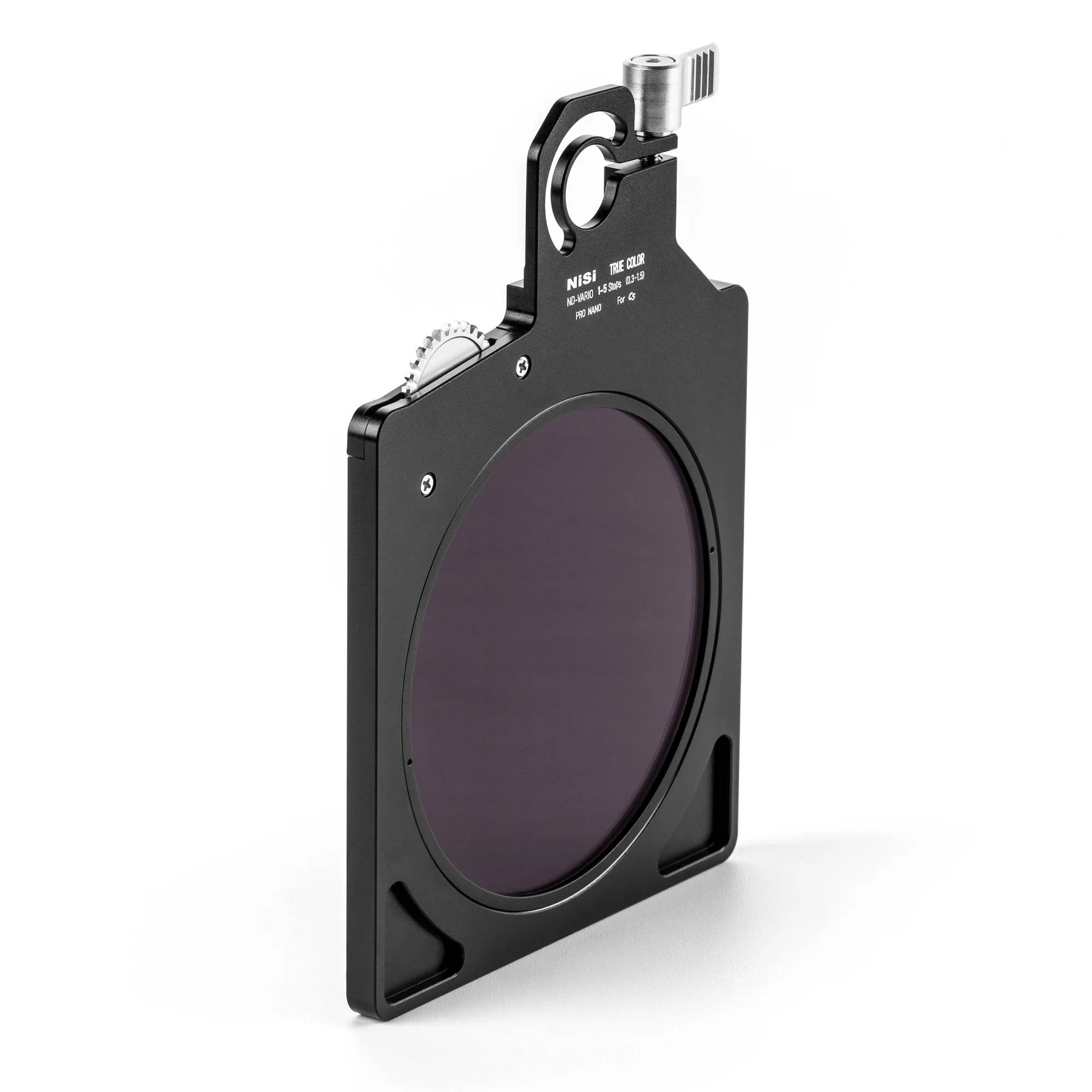
NiSi Cinema True Color VND 1-5 Stops for C5 Matte Box
-
NiSi Cinema True Color Rotating PL for C5 Matte Box: Polarizing filter with True Color technology, removes warm tone and cuts reflections. It eliminates glare from non-metallic surfaces while keeping skin tones and skies natural, unlike older polarizers.
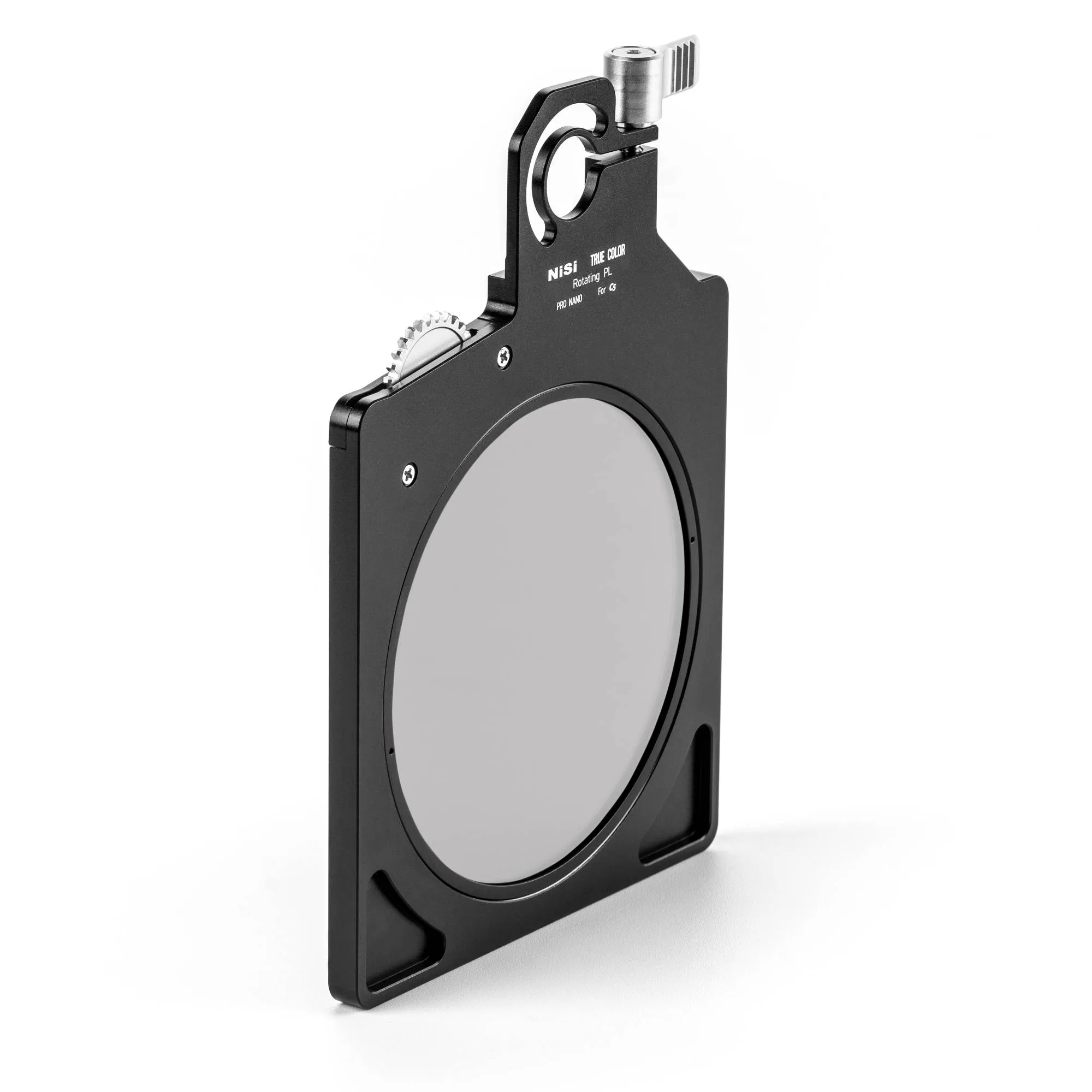
NiSi Cinema True Color Rotating PL for C5 Matte Box
Which filter fits your workflow?
Best for
- Filmmakers who need quick exposure adjustments in changing light (choose the True Color VND)
- Cinematographers shooting reflective surfaces like water, glass, or wet streets (choose the Rotating PL)
Not ideal for
- Scenes where you need both exposure reduction and polarization simultaneously (consider stacking, but be aware of vignetting and color shift)