Quick answer
A TRUFF combo pack works best when you assign each bottle a different job instead of treating them as duplicates: habanero for heat, truffle oil for finishing, and the pair together for one or two deliberate meals. Map the bottles to a week of meals before you open them, and you will use every one.
What is actually in a combo pack
A TRUFF two-pack bundles a bottle of hot sauce with a bottle of truffle oil, so you are buying two different tools rather than two versions of the same thing. That distinction matters for planning: the hot sauce carries the flavor, while the oil carries aroma and richness.
Because the two bottles do different jobs, a week is a realistic window to work through them. You are not trying to use the same condiment seven days in a row; you are rotating one bottle into cooking and the other into finishing.
Before you start: pick your heat and your finish
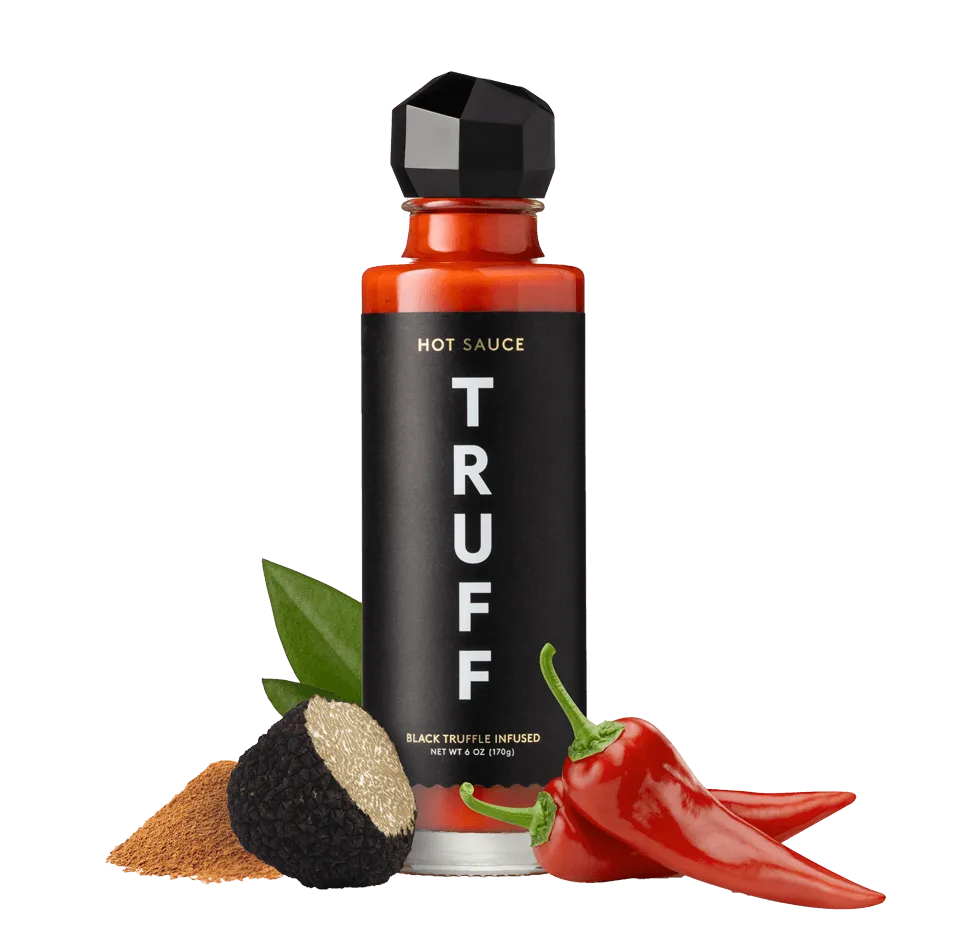
Choose which bottle plays which role. If your pack includes TRUFF Habanero Hot Sauce, that is your heat source: it is a jalapeño-rich blend of red chili peppers, black truffle, agave nectar, and red habanero powder, and it is the less sweet, more heat rendition of the flagship. If your pack includes White Truffle Oil, that is your finisher: it is less dark and earthy than black truffle oil, so it suits lighter, more delicate food.
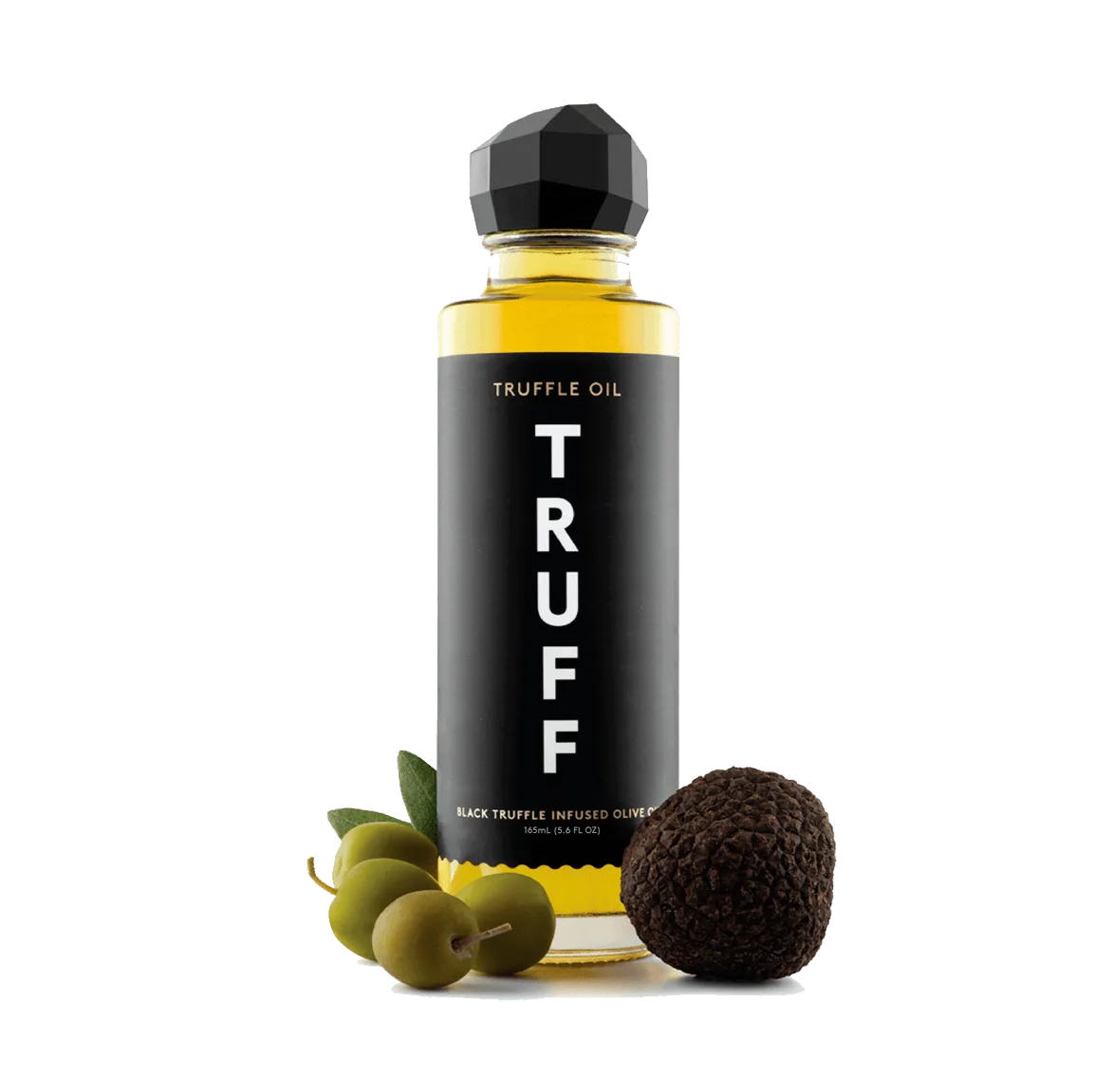
black truffle oil
If you are not sure which bottle you have, check the label before you cook. Guessing wrong is the most common way a combo pack starts badly.
The one-week rotation at a glance
Assign the hot sauce to days where you want a savory, spicy backbone, and the oil to days where the dish is already cooked and needs a lift. Keep one or two meals where both appear, because that is where the pairing earns its keep.
Write the plan on a note on the fridge. The bottles are small, and the biggest risk is not spoilage; it is forgetting they are there.
- Early week: hot sauce into eggs, sandwiches, or grain bowls.
- Midweek: truffle oil over pasta, potatoes, or roasted vegetables.
- Late week: one meal that uses both, plus a fridge-cleanout dish.
How to tell it is working
A good sign is that the two bottles empty at roughly the same rate. If the hot sauce is nearly gone and the oil is untouched, you are treating the oil as a garnish for special occasions only. If the oil is moving fast and the hot sauce is full, you are finishing everything and seasoning nothing.
Adjust the second half of the week accordingly rather than buying more.
Your seven-day TRUFF combo pack plan
- Day 1: Open both bottles and taste them plain: Put a drop of each on a spoon or a plain cracker before you cook anything. Note how much heat the habanero carries and how much aroma the oil adds on its own. Common mistake: skipping this and over-pouring later because you assumed the sauce was mild. Checkpoint: you should be able to describe each bottle in one word.
- Day 2: Use the hot sauce in a cooked dish, not as a topping: Stir it into scrambled eggs, a grain bowl, or a sandwich spread while the food is still in the pan, so the flavor distributes instead of pooling. Common mistake: adding it only at the table, which makes the first bite hot and the rest plain. Checkpoint: the dish should taste seasoned throughout, not just on top.
- Day 3: Finish a starchy dish with the truffle oil: Drizzle the oil over pasta, roasted potatoes, or warm bread after the heat is off. Common mistake: adding truffle oil to a hot pan, which wastes the aroma you paid for. Checkpoint: you should smell it before you taste it.
- Day 4: Pair both bottles on one dish: Use the hot sauce as the seasoning during cooking and the truffle oil as the finisher. A simple bowl of pasta or roasted vegetables is enough. Common mistake: using both at full strength, so the two flavors compete instead of layering. Checkpoint: taste after each addition, not after both.
- Day 5: Take the hot sauce somewhere it usually does not go: Try it in a drink, a dressing, or a dip. The habanero blend is a jalapeño-rich mix of red chili peppers, black truffle, agave nectar, and red habanero powder, so it works in a savory cocktail or a vinaigrette. Common mistake: adding it to something already salty or sweet without tasting first. Checkpoint: the truffle note should still be detectable.
- Day 6: Use the oil on something light and delicate: White truffle oil is less dark and earthy than black truffle oil, so it suits eggs, white fish, or a simple salad better than a heavy braise. Common mistake: treating it as a substitute for black truffle oil in a dish that needs that deeper flavor. Checkpoint: the dish should taste lifted, not heavy.
- Day 7: Cook a fridge-cleanout meal and use both bottles up: Build a dish around whatever is left in the fridge, season with the hot sauce, and finish with the oil. This is the step that guarantees the pack does not become two half-empty bottles. Common mistake: saving the last of each bottle for a special occasion that never comes. Checkpoint: both bottles should be visibly lower than when you started.
What is in the pack
- Hot Sauce Black Truffle Oil Combo Pack - Sendoso: A two-pack that pairs two TRUFF staples, sold as a stocked-kitchen or gifting option. It is the format this plan is built around: two bottles, one week, two different jobs.
- TRUFF Habanero Hot Sauce: TRUFF Habanero Hot Sauce is a jalapeño-rich blend of red chili peppers, black truffle, agave nectar, and red habanero powder, described as less sweet and more heat than the flagship Original. Use it where you want spice to lead; the agave means it still carries sweetness, so it does not need added sugar or honey in a recipe.
- White Truffle Oil: White Truffle Oil is less dark and earthy than black truffle oil. That makes it the better finisher for eggs, potatoes, pasta, and vegetables, where a heavy earthy oil would dominate.
If you finish the week with one bottle nearly full, that bottle is telling you something about how you cook. Buy the next pack around that habit instead of repeating the same split.