When your child’s bedroom is short on square footage but big on needs—sleep, play, study, and storage—choosing the right bed becomes a pivotal decision. Two popular space-saving contenders are the trundle bed and the daybed. Both promise to maximize floor space, but they serve different purposes and suit different lifestyles. In this guide, we’ll break down the key differences between trundle beds and daybeds, helping you decide which option is best for your child’s room based on age, room size, and daily use.
Whether you’re outfitting a small nursery, a shared kids’ room, or a guest-friendly playroom, understanding the pros and cons of each bed type will ensure you invest in furniture that grows with your family. We’ll also highlight how Oeuf NYC’s thoughtfully designed pieces—like the versatile https://homekids.shop/products/perch-full-loft-bed-hardware-112323Perch Full Loft Bed Hardware and the playful Little Helper Crown—can complement your space-saving strategy.
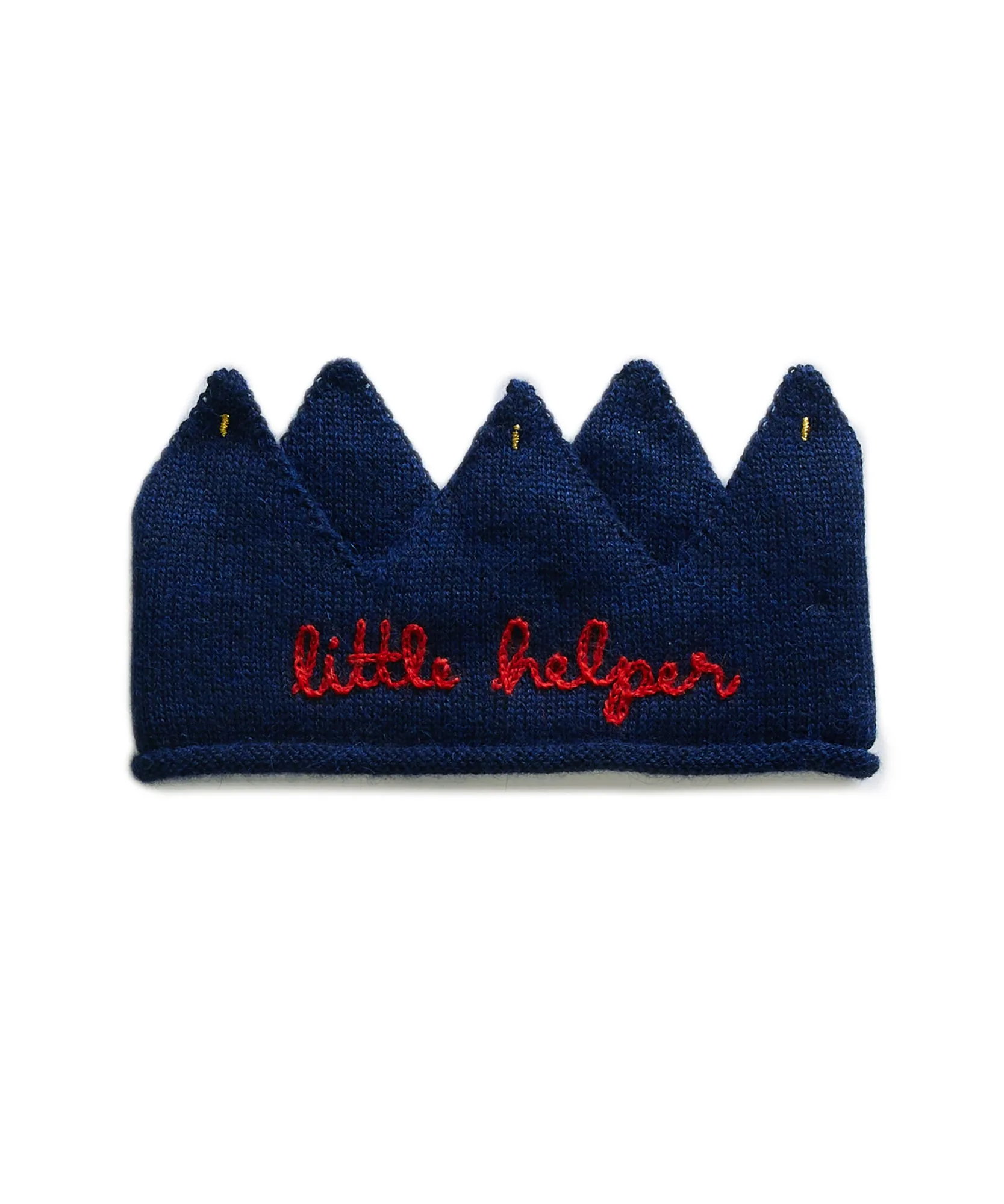
Little Helper Crown
What Is a Trundle Bed?
A trundle bed consists of a main bed frame with a second, lower bed (the trundle) that slides out from underneath. The trundle is typically on casters or wheels, making it easy to pull out for sleepovers or push back in during the day to reclaim floor space. Trundle beds are ideal for siblings sharing a room, frequent guests, or children who love hosting friends. They come in various configurations: standard (same height as the main bed), pop-up (raises to mattress height), or twin-over-twin designs. The main advantage is the hidden second bed that doesn’t take up extra room when not in use.
For parents who value flexibility, a trundle bed is a smart choice. It allows you to accommodate an extra sleeper without sacrificing valuable play or study area. Many trundle beds also include built-in storage drawers, adding even more utility. However, the lower mattress is often thinner than a standard mattress, so it may not be suitable for long-term daily use by an older child. The trundle mechanism can also be tricky for very young children to operate independently.
- Best for: Shared rooms, frequent sleepovers, guests.
- Space-saving: Frees up floor space during the day.
- Considerations: Lower mattress thickness, ease of use for young children.
What Is a Daybed?
A daybed looks like a sofa by day and a bed by night. It typically features a back and two side arms, resembling a twin-size bed with a frame that doubles as seating. Daybeds are excellent for multipurpose rooms—playrooms, home offices, or guest rooms—where you need both seating and sleeping options. They often come with a trundle underneath, blurring the line between the two categories. A standard daybed without a trundle offers a single sleep surface, making it ideal for a child who doesn’t need a second bed but wants a cozy reading nook.
Daybeds are generally lower to the ground than standard beds, which can be safer for toddlers and young children. They also provide a built-in backrest, making them comfortable for sitting up while reading or playing. However, daybeds usually lack the storage options of trundle beds, and the side arms can limit the ability to push the bed against a wall. For a child who values lounging and sleeping in one piece of furniture, a daybed is a stylish and functional choice.
- Best for: Multipurpose rooms, reading nooks, single children.
- Space-saving: Combines seating and sleeping in one footprint.
- Considerations: Limited storage, side arms may restrict placement.
Trundle Bed vs. Daybed: Key Differences at a Glance
To help you compare quickly, here’s a side-by-side breakdown of the most important features:
- Sleep capacity: Trundle beds sleep two (main + trundle); daybeds sleep one (or two with optional trundle).
- Daytime use: Trundle beds are primarily for sleeping; daybeds double as seating.
- Storage: Many trundle beds include drawers; daybeds usually do not.
- Age suitability: Daybeds are safer for toddlers due to lower height; trundle beds suit school-age kids and up.
- Room size: Both work in small rooms, but daybeds offer a more open feel if no trundle is used.
- Style: Daybeds have a more furniture-like, sofa appearance; trundle beds look like standard beds.
Which Bed Is Best for Your Child’s Room?
The decision ultimately depends on your child’s age, the room’s primary function, and how often you need extra sleeping space. For a small nursery or a toddler’s first big-kid bed, a daybed is often the safer and more versatile choice. Its low profile reduces fall risks, and the backrest encourages independent play. If you have two children sharing a room or frequently host overnight guests, a trundle bed is the more practical investment. It provides two separate sleep surfaces without taking up double the floor space.
Consider the future, too. A trundle bed can accommodate a growing child who may want to move the trundle to a different room later. Daybeds, on the other hand, can transition into a guest bed or a reading nook as your child grows. Both options work beautifully with Oeuf NYC’s modular furniture system, which allows you to customize your setup over time. For example, the Perch Full Loft Bed Hardware can be paired with a trundle or daybed frame, giving you maximum flexibility.
- Toddlers & preschoolers: Daybed (lower height, safer).
- School-age siblings: Trundle bed (two sleep surfaces).
- Frequent guests: Trundle bed (hidden extra bed).
- Multipurpose playroom: Daybed (seating + sleep).
Space-Saving Tips for Small Kids’ Rooms
Whichever bed you choose, maximizing every inch of the room is key. Here are a few additional strategies to make a small space feel larger and more functional:
Use vertical storage: Install shelves above the bed or desk to keep floors clear. Consider a loft bed with a desk or play area underneath for older children. The https://homekids.shop/products/perch-twin-loft-bed-hardware-112336Perch Twin Loft Bed Hardware is a great option for creating a study zone beneath the sleep space.
Choose multi-functional furniture: Look for pieces that serve more than one purpose. A daybed with a trundle or a bed with built-in drawers can eliminate the need for a separate dresser. Oeuf NYC’s Play Chair (Set of 2) doubles as seating and a toy storage solution, perfect for a compact room.
Keep the floor plan open: Avoid placing furniture in the middle of the room. Push beds against walls and use corner desks or shelves. A trundle bed pulled out only when needed keeps the floor clear for play. A daybed against a wall creates a cozy nook without blocking pathways.
Safety Considerations for Both Bed Types
Safety should always come first, especially with young children. For trundle beds, ensure the trundle mechanism is smooth and has a locking feature to prevent accidental rolling. The main bed should have guardrails if it’s elevated. Daybeds are generally lower, but side arms can pose a tripping hazard if not securely attached. Always use a mattress that fits snugly to avoid gaps where a child could become trapped.
For both types, check for rounded edges and non-toxic finishes. Oeuf NYC’s furniture is made from sustainably sourced wood and finished with water-based, non-toxic paints and stains, giving you peace of mind. If you’re assembling a trundle bed yourself, consider using the Changing Tray Hardware for a stable and secure build. Regular maintenance—tightening screws and inspecting wheels—keeps the bed safe for years.
- Use guardrails for elevated beds.
- Check for sharp edges and secure hardware.
- Ensure mattress fits without gaps.
- Choose non-toxic, durable materials.
Both trundle beds and daybeds offer excellent space-saving solutions for kids’ rooms, but the right choice depends on your family’s needs. If you prioritize extra sleeping capacity for guests or siblings, a trundle bed is your best bet. If you want a versatile piece that doubles as seating and sleep space for a single child, a daybed is ideal. Whichever you choose, Oeuf NYC’s sustainable, design-forward furniture can help you create a room that grows with your child. Explore our collection of space-saving beds and accessories to find the perfect fit for your home.