When you hear the word "sugar," your mind might jump to candy, soda, or guilt. But not all sugar is created equal. Baobab fruit powder, derived from the African superfruit, contains natural sugars — but they come wrapped in a package of fiber, vitamins, and antioxidants that change how your body processes them. If you're watching your sugar intake but still want a burst of energy and gut health support, understanding baobab's sugar profile is key.
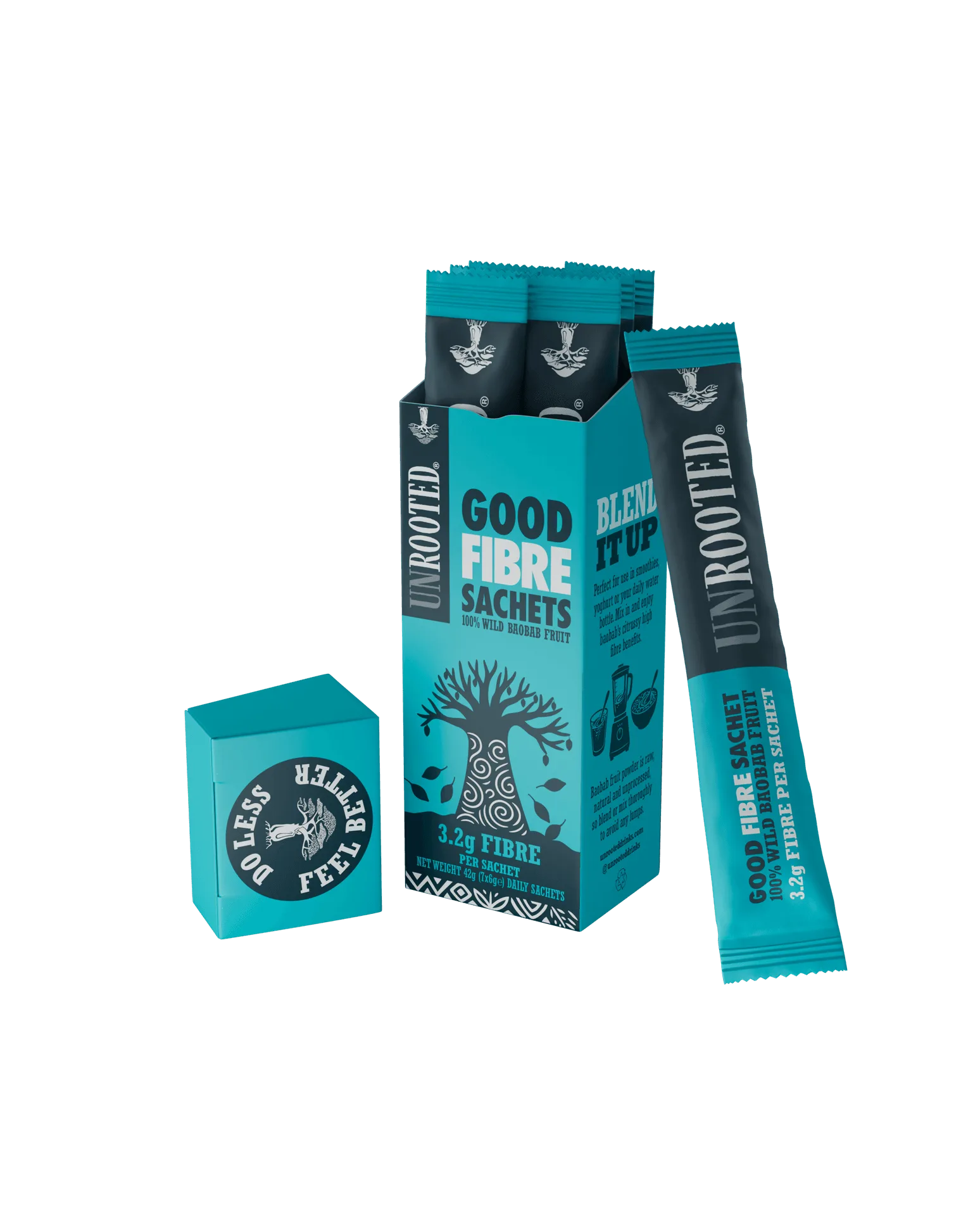
In this article, we'll break down the nutrition facts of baobab, compare its natural sugar to refined sugar, and explore why this superfruit is a smart choice for your daily routine. We'll also look at how products like the Good Fibre Baobab Fruit Powder Sachets and the Variety pack of daily shots fit into a balanced diet.
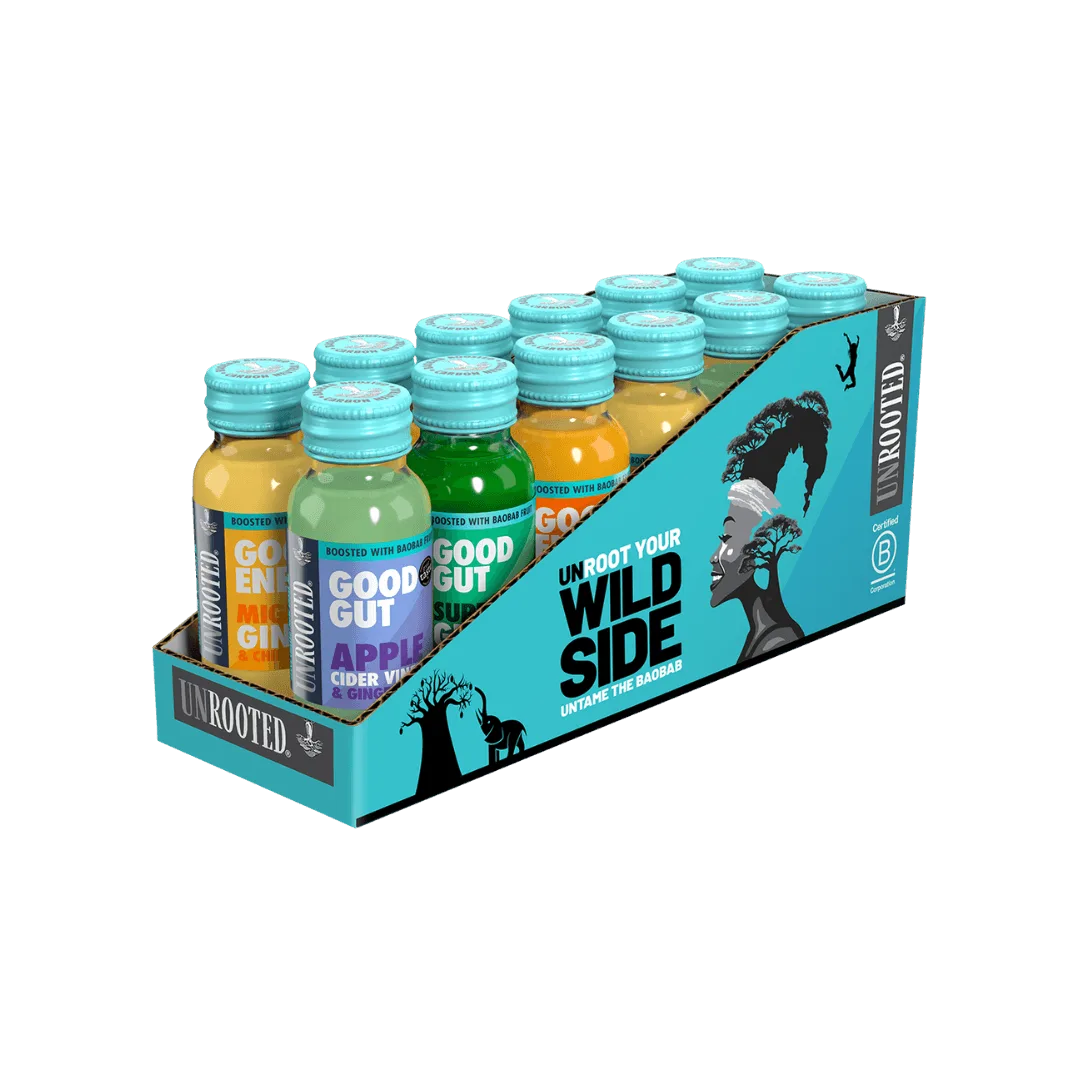
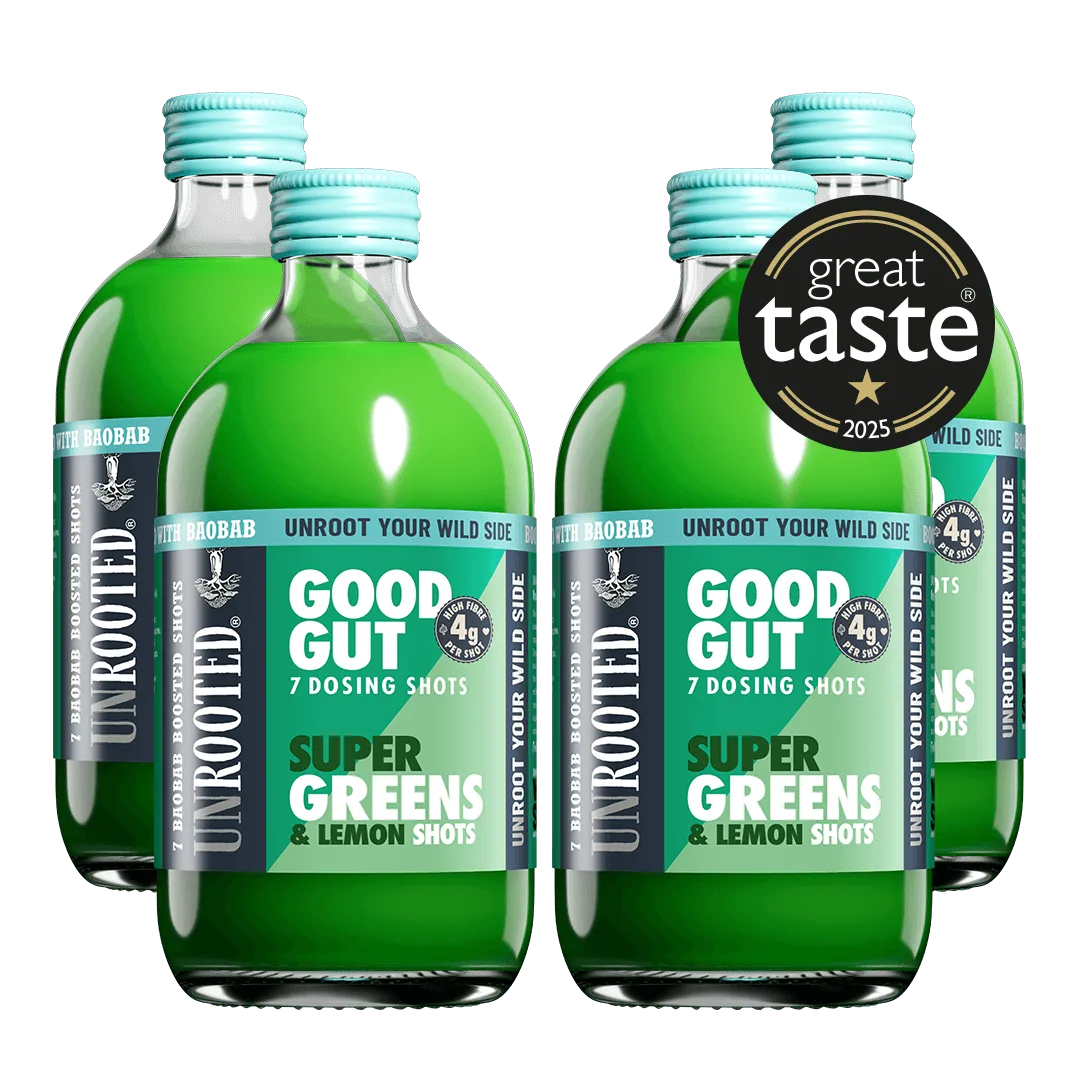
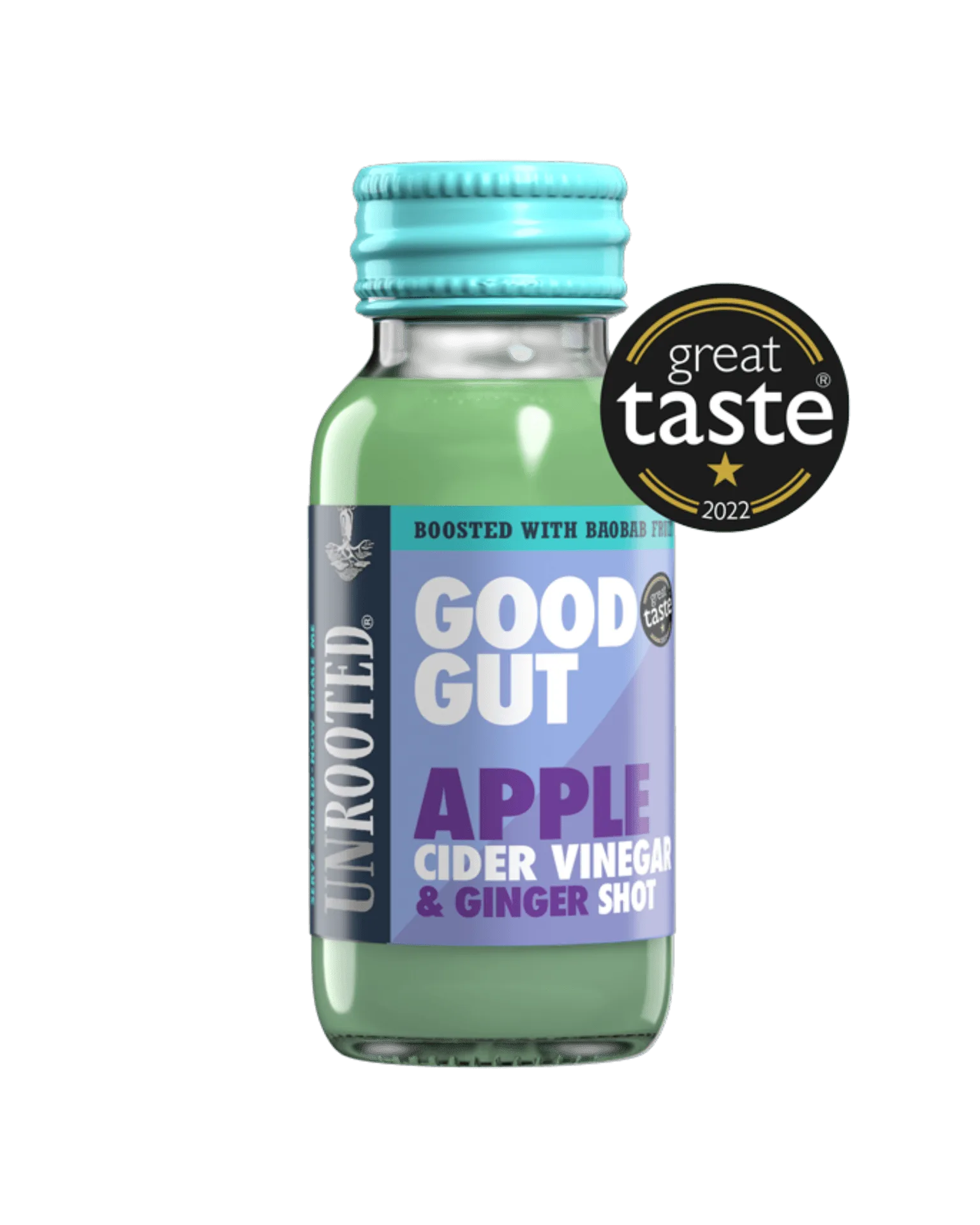
Variety pack of daily shots
What Is Baobab's Natural Sugar Profile?
Baobab fruit contains about 30-40% sugar by weight — but that's not the whole story. The sugar in baobab is primarily fructose and glucose, naturally occurring in the fruit's pulp. Unlike table sugar (sucrose) or high-fructose corn syrup, baobab's sugars are bound to a remarkable amount of soluble and insoluble fiber. In fact, baobab pulp can contain up to 50% fiber by weight. This fiber slows down the absorption of sugar into your bloodstream, preventing the sharp spikes and crashes associated with refined sugars.
For context, a typical serving of baobab powder (about 10 grams) contains roughly 3-4 grams of natural sugar and 5-6 grams of fiber. That's a sugar-to-fiber ratio that's far better than most fruits. Compare that to an apple, which has about 19 grams of sugar and 4 grams of fiber per medium fruit — baobab delivers a much gentler impact on your blood sugar levels.
- Baobab's natural sugars are paired with high fiber, slowing absorption and reducing blood sugar spikes.
- A 10-gram serving of baobab powder has about 3-4 grams of sugar and 5-6 grams of fiber.
- This sugar-to-fiber ratio is superior to many common fruits like apples and bananas.
How Does Baobab Affect Blood Sugar?
The fiber in baobab acts as a natural buffer. When you consume baobab, the soluble fiber forms a gel-like substance in your digestive tract, which slows the release of sugars into your bloodstream. This leads to a more gradual rise in blood glucose, followed by a steady decline — not a crash. For people managing conditions like insulin resistance or type 2 diabetes, baobab can be a smart addition to a balanced diet, but always consult your healthcare provider first.
Additionally, baobab contains polyphenols and antioxidants that may improve insulin sensitivity. A 2013 study published in the journal Nutrition Research found that adding baobab extract to a meal reduced the glycemic response in participants. This means baobab doesn't just avoid spiking blood sugar — it actively helps your body handle sugar better.
- Soluble fiber in baobab slows sugar absorption, preventing blood sugar spikes.
- Polyphenols in baobab may improve insulin sensitivity and reduce glycemic response.
- A 2013 study showed baobab extract lowered blood sugar spikes after meals.
Comparing Baobab's Sugar to Other Superfoods and Sweeteners
When you look at popular superfoods, baobab stands out for its low sugar content relative to its fiber. For example, a serving of acai puree (100 grams) has about 18 grams of sugar and 3 grams of fiber. Goji berries contain about 13 grams of sugar and 2 grams of fiber per 28-gram serving. Baobab powder, by contrast, delivers a fraction of the sugar with much more fiber, making it a superior choice for gut health and sustained energy.
What about sweeteners like honey or maple syrup? A tablespoon of honey has about 17 grams of sugar and zero fiber. Baobab's natural sweetness comes without the empty calories. That's why many health-conscious consumers turn to products like the Good Fibre Baobab Fruit Powder Sachets to add a touch of natural sweetness to smoothies, oatmeal, or yogurt without the downside of refined sugar.
- Baobab has less sugar and more fiber than acai, goji berries, or honey.
- A serving of baobab powder contains 3-4g sugar vs. 17g in a tablespoon of honey.
- Use baobab powder to naturally sweeten foods without spiking blood sugar.
How to Incorporate Baobab Into a Low-Sugar Diet
If you're following a low-sugar or ketogenic diet, you might wonder if baobab fits. The answer is yes — in moderation. Baobab's sugar content is low enough that a serving or two per day is unlikely to disrupt ketosis, especially since the fiber offsets net carbs. A 10-gram serving of baobab powder contains about 4 grams of net carbs (total carbs minus fiber), which is manageable for most low-carb plans.
For an easy way to add baobab to your routine, consider the Variety pack of daily shots. Each shot delivers a precise dose of baobab blended with other functional ingredients like ginger, turmeric, or apple cider vinegar. These shots are designed to support digestion and energy without overloading on sugar. You can also mix baobab powder into water, tea, or smoothies for a quick fiber boost.
- Baobab fits into low-sugar and ketogenic diets when consumed in moderation.
- A 10g serving has about 4g net carbs, making it keto-friendly.
- Try the Variety pack of daily shots for a convenient, portion-controlled option.
Baobab's natural sugar content is nothing to fear. Thanks to its high fiber and antioxidant content, baobab offers a gentle, sustained energy lift without the blood sugar rollercoaster of refined sugars. Whether you choose the Good Fibre Baobab Fruit Powder Sachets for your morning smoothie or grab a Variety pack of daily shots for on-the-go gut health, you're making a smart choice for your body. Explore our baobab products today and discover how this African superfruit can transform your daily nutrition.