As a parent, you read ingredient labels, compare brands, and try to make the safest choices for your baby. Two terms you’ve likely encountered are parabens and phthalates. Often grouped together as chemicals to avoid, they appear in many personal care products — including baby lotions, shampoos, and wipes. But what exactly are they, and how concerned should you be?
This article separates fact from fear. We’ll explain what parabens and phthalates are, why they are used, the potential risks, and — most importantly — how to choose truly safe baby products. By the end, you’ll feel confident reading labels and selecting gentle, effective skincare for your little one.
What Are Parabens and Why Are They Used?
Parabens are a group of synthetic preservatives used in cosmetics and personal care products to prevent the growth of bacteria, mold, and yeast. Common parabens include methylparaben, ethylparaben, propylparaben, and butylparaben. They have been used for decades because they are effective, inexpensive, and have a long shelf life.
In baby products, parabens help keep formulas stable and safe from contamination. However, concerns have emerged because parabens can mimic estrogen in the body, potentially disrupting the endocrine system. While the FDA generally recognizes them as safe in low concentrations, many parents prefer to avoid them altogether — especially for babies with sensitive or developing systems.
- Look for products labeled 'paraben-free' on the front of the package.
- Check the ingredient list for any word ending in '-paraben'.
Phthalates: The Hidden Additive
Phthalates (pronounced THAL-ates) are a group of chemicals used to make plastics more flexible and to help fragrances last longer. In baby products, they are most commonly found in scented lotions, shampoos, and wipes. The problem? Phthalates are known endocrine disruptors and have been linked to reproductive and developmental issues in animal studies.
Because phthalates are often hidden under the generic term 'fragrance' on ingredient labels, they can be difficult to spot. Many countries, including the European Union, have banned certain phthalates in cosmetics. In the United States, they are not fully banned, but many reputable brands have voluntarily removed them. When choosing baby products, opt for fragrance-free or naturally scented options to minimize exposure.
- Choose products labeled 'phthalate-free' and 'fragrance-free' for the safest choice.
- Avoid any product that lists 'parfum' or 'fragrance' without specifying the ingredients.
How to Identify Safe Baby Products
Navigating the world of baby skincare can feel overwhelming, but a few simple habits can make it easier. Start by reading the full ingredient list — not just the marketing claims on the front. Look for products that are free from parabens, phthalates, sulfates, and synthetic fragrances. Third-party certifications like USDA Organic, EWG Verified, or Leaping Bunny can also provide peace of mind.
Brands like Mustela prioritize safety and transparency. For example, their Stelatopia+ lipid-replenishing cream pump is formulated without parabens or phthalates, making it a gentle choice for babies with very dry or eczema-prone skin. Similarly, their No rinse cleansing water offers a safe, convenient way to clean your baby without harsh chemicals. These products are designed to support your baby's delicate skin barrier while giving you confidence in every application.
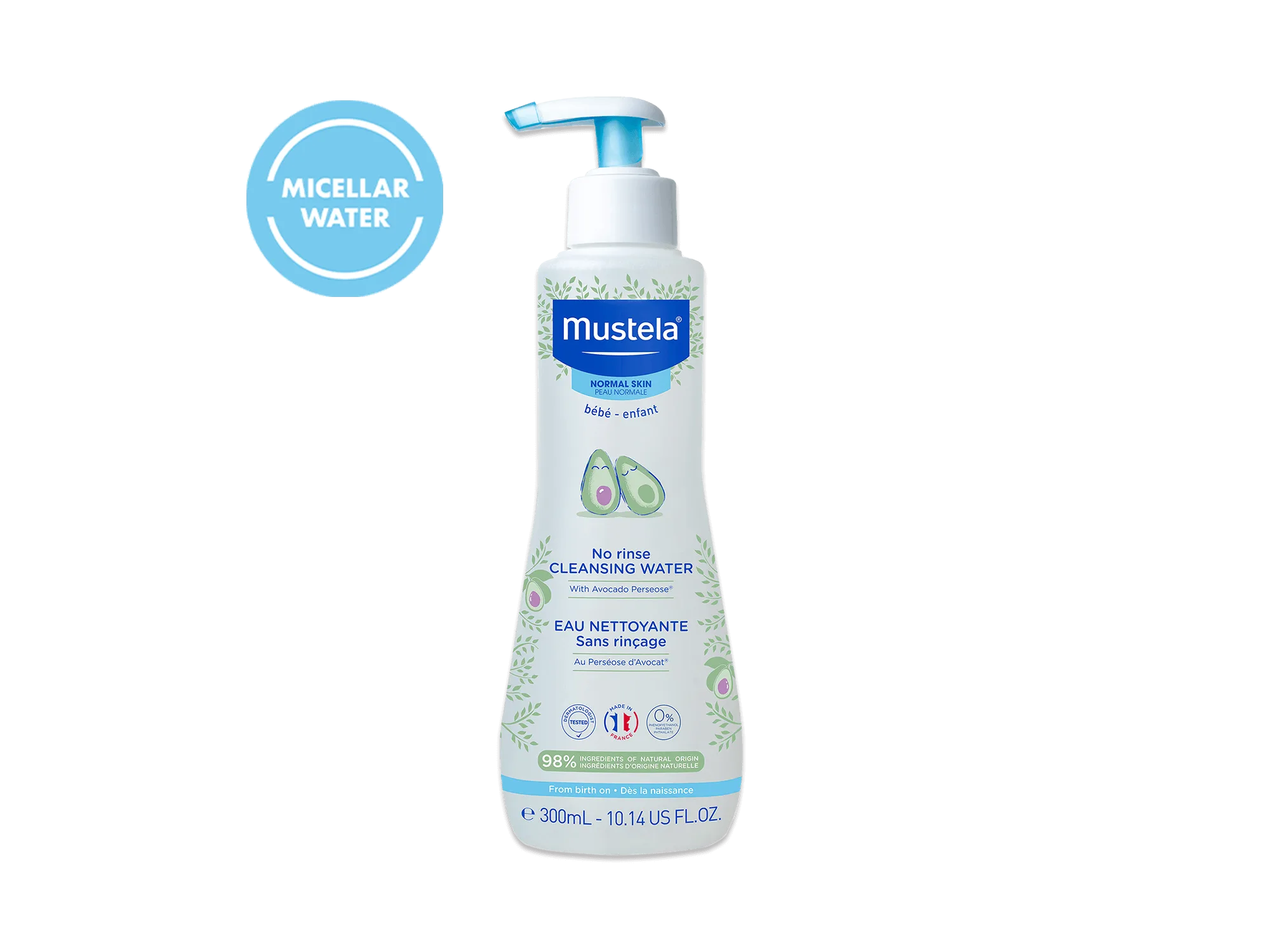
No rinse cleansing water
- Always check the ingredient list for hidden parabens and phthalates.
- Look for products from brands that commit to clean, safe formulations.
The Bottom Line: Are Parabens and Phthalates Dangerous?
The scientific community continues to study the long-term effects of parabens and phthalates, especially on infants. While low-level exposure may not cause immediate harm, the precautionary principle suggests it’s wise to minimize unnecessary chemical exposure during early development. Many parents choose to avoid these ingredients simply because safer alternatives are widely available.
By selecting products that are explicitly paraben-free and phthalate-free, you reduce your baby’s exposure to potential endocrine disruptors. This is especially important for babies with sensitive skin, eczema, or allergies. Remember, your baby’s skin is thinner and more absorbent than adult skin, so what you put on it matters. A thoughtful approach to ingredient selection is one of the best gifts you can give your child.
- When in doubt, choose products with short, recognizable ingredient lists.
- Patch test any new product on a small area of your baby's skin before full use.
Choosing safe baby products doesn’t have to be complicated. By understanding what parabens and phthalates are and how to avoid them, you can make informed decisions that protect your baby’s delicate skin. Explore Mustela’s gentle, paraben-free and phthalate-free range, starting with the Stelatopia+ lipid-replenishing cream pump, designed to nourish and comfort even the most sensitive skin.