When we think about protein, we usually picture muscle repair, post-workout recovery, and sustained energy. But there is a growing conversation in the nutrition world about how protein interacts with your gut microbiome. The truth is that not all protein is created equal when it comes to digestive health. Some sources can leave you feeling bloated and sluggish, while others support a healthy gut environment and help you absorb nutrients more effectively.
Your gut is home to trillions of bacteria that play a critical role in everything from immune function to mood regulation. The type and amount of protein you consume can either nourish those beneficial bacteria or feed the less friendly ones. In this article, we will explore the relationship between protein and gut health, identify which protein sources are most gut-friendly, and share practical tips for keeping your digestive system happy while meeting your protein needs.
How Protein Affects Your Gut Microbiome
Protein digestion begins in your stomach, where hydrochloric acid and enzymes break down large protein molecules into smaller peptides and amino acids. However, not all protein is fully digested in the small intestine. Undigested protein can travel to the colon, where gut bacteria ferment it. This fermentation produces beneficial short-chain fatty acids (SCFAs) like butyrate, which supports a healthy gut lining. But it can also produce potentially harmful compounds like ammonia and hydrogen sulfide if the balance of gut bacteria is off.
Research suggests that a moderate protein intake (around 1.2–1.6 grams per kilogram of body weight) is generally well tolerated and may even support gut health by promoting microbial diversity. On the other hand, very high protein diets, especially those heavy in animal protein and low in fiber, have been linked to reduced levels of beneficial bacteria like Bifidobacteria and increased inflammation. The key is choosing high-quality, minimally processed protein sources and pairing them with fiber-rich plant foods.
- Include a variety of protein sources to promote a diverse microbiome.
- Pair protein with fiber (vegetables, whole grains) to slow digestion and feed good bacteria.
- Avoid excessive protein intake (above 2.0 g/kg body weight) without medical supervision.
Gut-Friendly Protein Sources
Not all protein powders and bars are gentle on the digestive system. Many commercial products contain artificial sweeteners, gums, and emulsifiers that can disrupt gut motility and cause bloating. Fortunately, there are whole-food-based options that are naturally easier to digest. For example, protein from oats, nuts, seeds, and legumes provides fiber alongside protein, which supports regular bowel movements and feeds beneficial bacteria.
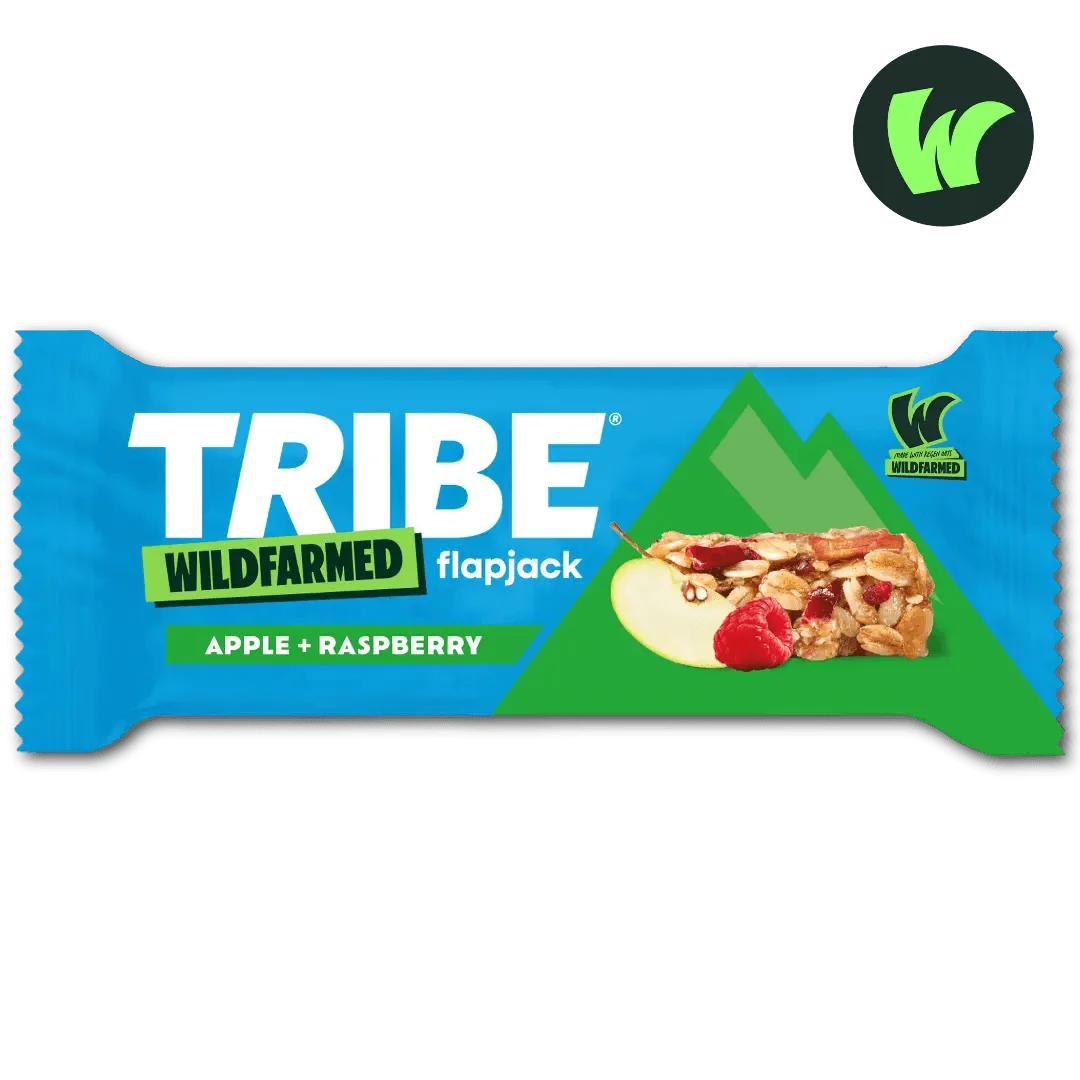
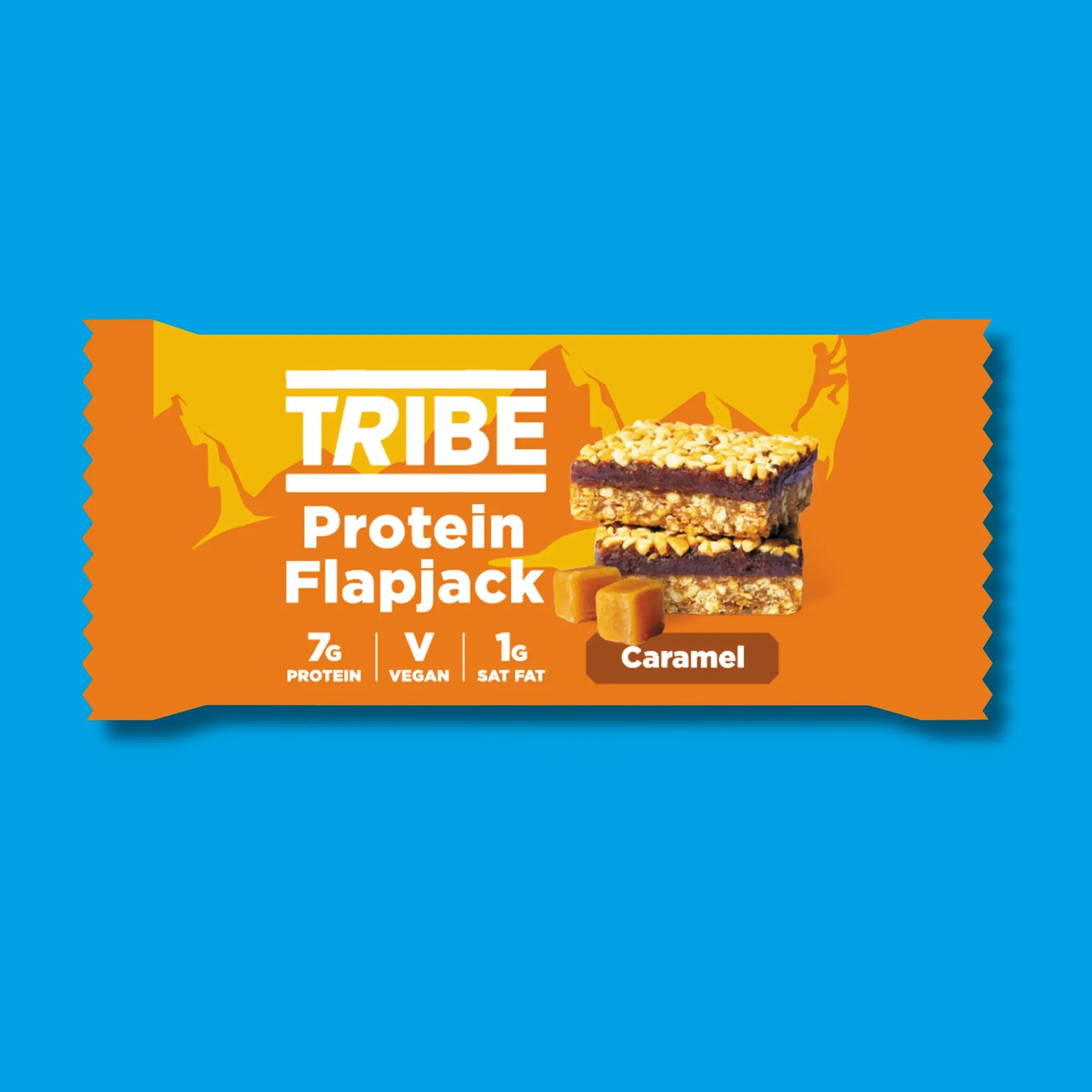
One excellent option for a gut-friendly protein boost is the Wildfarmed Flapjack (Single). Made with regeneratively farmed oats and natural ingredients, it delivers a steady release of energy without the digestive distress often caused by highly processed bars. Another smart choice is the Caramel Protein Flapjack (Single), which combines slow-release carbohydrates with clean protein to keep you satisfied and your gut happy. These flapjacks avoid the artificial additives that can trigger bloating, making them ideal for sensitive stomachs.
- Look for protein sources with short, recognizable ingredient lists.
- Avoid products containing sugar alcohols (like sorbitol or maltitol) if you are prone to gas.
- Consider plant-based protein options like pea, hemp, or oat protein for easier digestion.
Probiotics and Protein: A Powerful Pair for Digestive Health
Probiotics are live beneficial bacteria that help maintain a healthy gut environment. While protein itself does not contain probiotics, you can combine protein-rich foods with probiotic sources to enhance digestion and nutrient absorption. For instance, pairing a protein flapjack with a serving of yogurt or kefir introduces friendly bacteria that can help break down protein more efficiently and reduce the risk of fermentation problems in the colon.
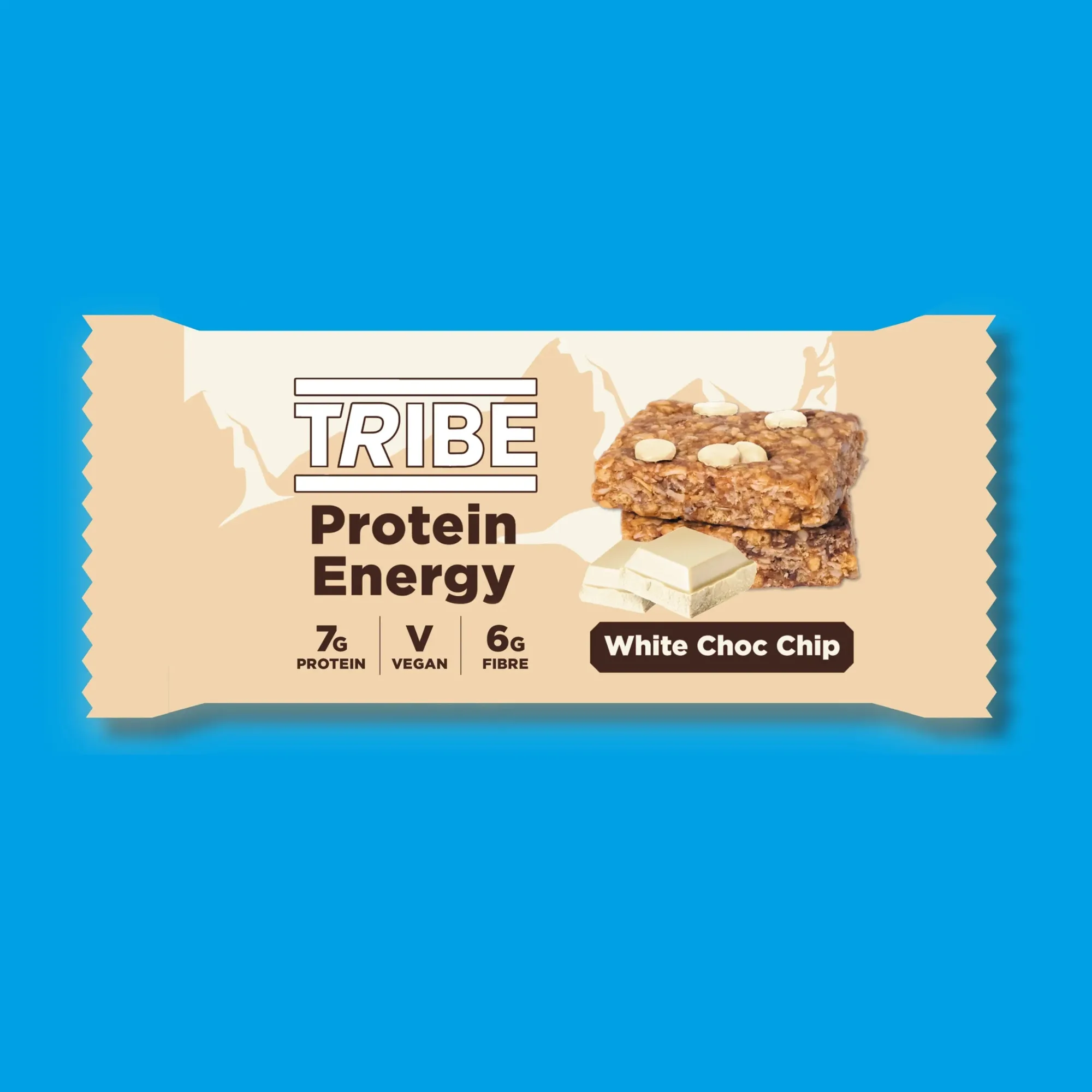
Another way to support gut health is by choosing protein products that include prebiotic fibers, such as chicory root or oats. Prebiotics act as food for probiotics, helping them thrive. Some protein bars and shakes now incorporate these ingredients intentionally. If you are looking for a convenient, gut-friendly snack, the White Choc Chip Protein Energy (Single) offers a balanced blend of protein and natural carbohydrates without the additives that can upset your stomach. It is a great option to keep in your bag for a quick, digestible energy boost.
- Pair your protein snack with a probiotic food like yogurt, kefir, or sauerkraut.
- Choose protein products that contain prebiotic fibers (e.g., oats, chicory root, banana).
- Stay hydrated – water helps protein move through the digestive tract smoothly.
Common Protein Digestion Issues and How to Avoid Them
Bloating, gas, and stomach discomfort are common complaints among people who increase their protein intake. These symptoms often arise from three main culprits: rapid introduction of high-protein foods, lack of digestive enzymes, or poor ingredient quality. If you are new to protein supplements, start with a smaller serving and gradually increase to allow your gut to adapt. Chewing your food thoroughly and eating slowly also supports better digestion.
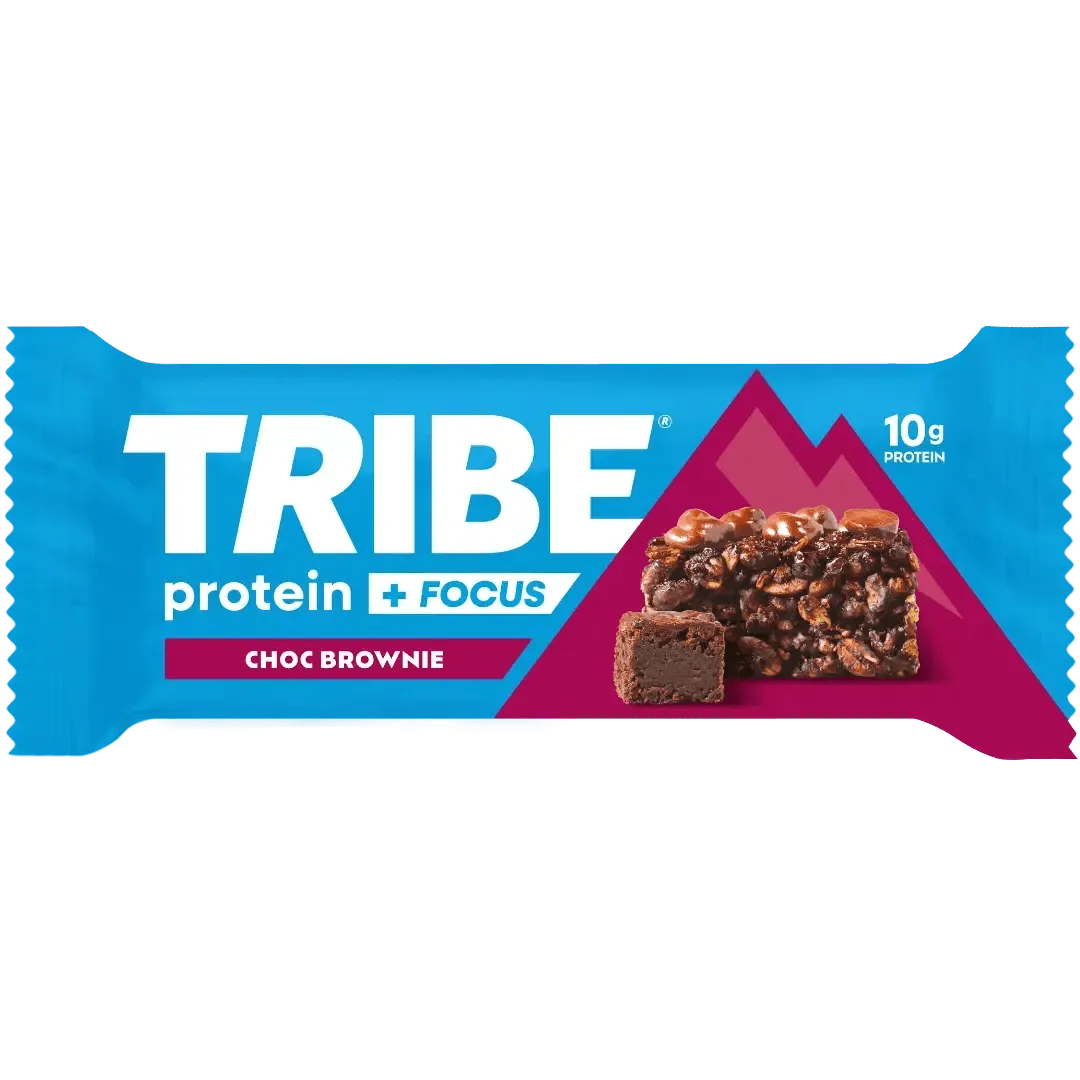
Another factor is the processing method of protein powders. Whey protein concentrate can be harder to digest than whey isolate because it contains more lactose and fat. Similarly, many plant-based protein powders use pea protein, which is generally well tolerated but can cause gas in some individuals due to its high fiber content. Opting for whole-food protein sources like flapjacks or bars with clean ingredients can bypass many of these issues. The Protein + Focus Flapjack (Single) is a great example of a product designed with digestion in mind, using natural ingredients and no artificial fillers.
- Start with half a serving of a new protein product to test tolerance.
- Consider taking a digestive enzyme supplement if you consistently experience bloating.
- Rotate your protein sources to avoid overloading your system with one type.
The relationship between protein and gut health is complex but manageable. By choosing high-quality, minimally processed protein sources and pairing them with fiber and probiotics, you can enjoy the benefits of protein without the digestive downsides. If you are ready to try a gut-friendly protein snack, explore the Caramel Protein Flapjack (Single) – it is made with natural ingredients and designed to support your energy and digestion.