Quick Answer
To style a tulip flower lamp, choose a spot where its soft glow can shine without glare—like a nightstand, shelf, or corner table. Match the lamp's color to your room's palette, and use it as an accent light, not the main source, to create a cozy, aesthetic atmosphere.
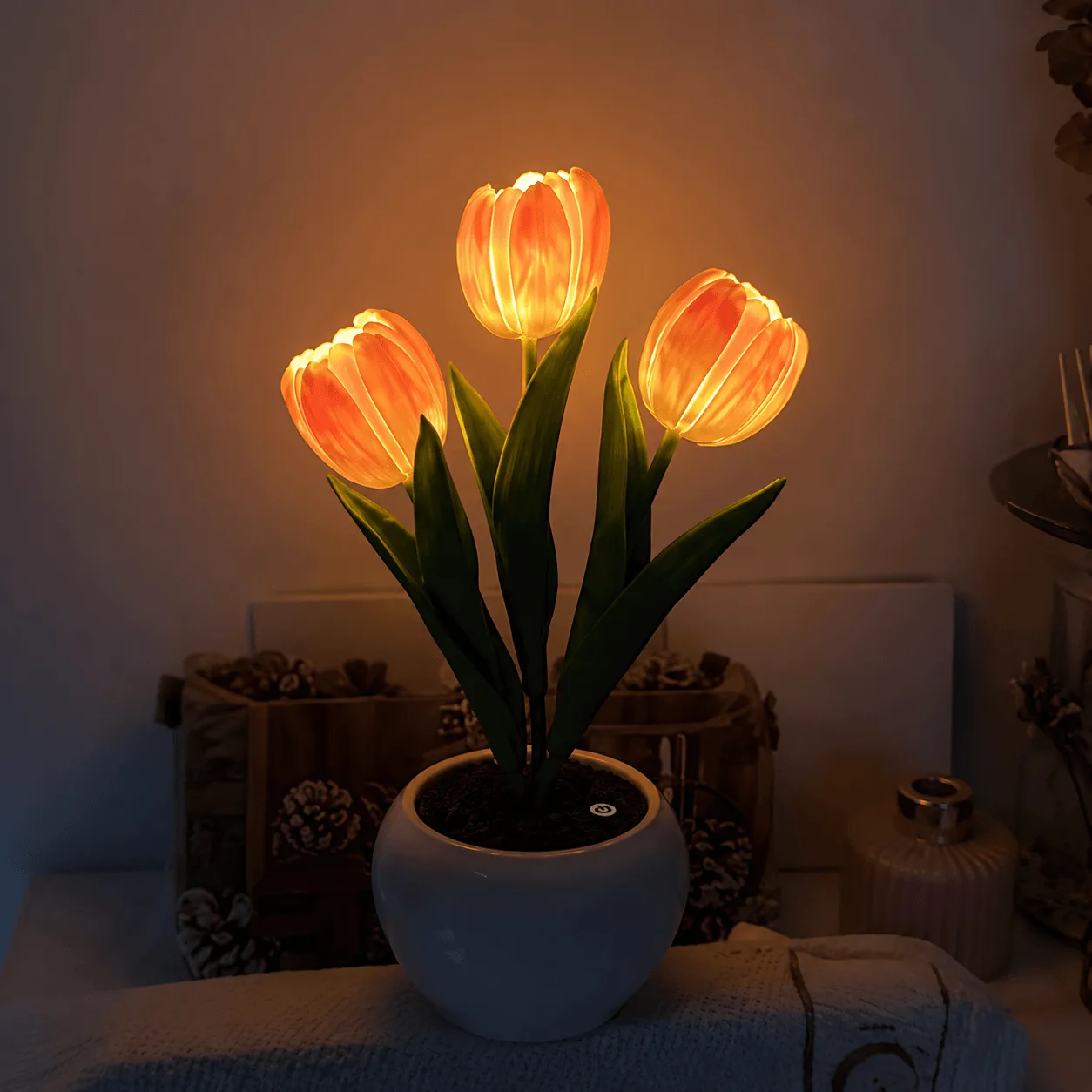
tulip flower lamp
Tulip flower lamps are more than just a light source—they're a design statement that brings a whimsical, nature-inspired touch to any room. Whether you're aiming for a dreamy bedroom vibe or a chic living room corner, the right placement and styling can transform the ambiance entirely.
In this guide, we'll walk you through practical steps to style your tulip lamp effectively, from choosing the perfect spot to pairing it with your existing decor. You'll also learn common mistakes to avoid, so your lamp enhances your space rather than clashing with it.
Understanding Your Tulip Lamp's Role in a Room
Before placing your tulip flower lamp, consider its primary function. Is it meant to be a focal point, a soft accent light, or a functional reading lamp? Tulip lamps typically emit a warm, diffused glow, making them ideal for creating a relaxing atmosphere rather than bright task lighting. This distinction helps you decide where it will have the most impact.
Think about the scale of the lamp in relation to your furniture. A large tulip lamp can anchor a spacious living room, while a smaller one fits perfectly on a bedside table or shelf. Also, consider the color and material of the lampshade—opaque shades direct light downward, while translucent ones cast a wider, softer glow. Knowing these characteristics helps you anticipate the effect before you plug it in.
- Measure the height of your lamp and compare it to nearby furniture to ensure it doesn't overwhelm or get lost.
- If the lamp is dimmable, test different brightness levels to see how it changes the room's mood.
Choosing the Perfect Spot for Your Tulip Lamp
The placement of your tulip lamp can make or break its aesthetic. For a bedroom, place it on a nightstand or a dresser where its soft glow can create a calming pre-sleep environment. Avoid positioning it directly in front of a mirror, as this can create glare and reduce the cozy effect. Instead, let it cast gentle shadows to add depth.
In a living room, consider a corner table or a sideboard where the lamp can draw the eye without obstructing traffic flow. If you have a reading nook, a tulip lamp on a small side table provides just enough light for a book without the harshness of overhead lighting. Always ensure the lamp is at eye level or slightly below to avoid direct glare when you're seated.
- For a hallway or entryway, place the lamp on a console table to welcome guests with a warm glow.
- Avoid placing the lamp in a high-traffic area where it might get knocked over; choose a stable surface.
Pairing Your Tulip Lamp with Decor and Color
Your tulip lamp should complement, not compete with, your existing decor. If your room features neutral tones, a lamp with a vibrant shade can serve as a pop of color. Conversely, if your space is already bold, opt for a lamp in a soft, muted hue to balance the palette. The key is to create harmony—match the lamp's color to one accent in the room, like a throw pillow or an area rug.
Consider the material of the lamp base and shade. A ceramic base adds a classic touch, while a metal base feels more modern. Pairing a tulip lamp with natural elements like wooden furniture or green plants can enhance its organic, flower-inspired design. Avoid placing it near competing patterns that might visually clash—let the lamp be a subtle standout.
- Use the lamp to highlight a piece of art or a decorative object by placing it nearby, creating a focal point.
- If your room has cool tones, choose a lamp with a warm bulb to balance the temperature.
Step-by-Step Styling Guide
- Assess the room's purpose: Decide if the lamp will serve as ambient lighting, a reading light, or a decorative accent. This determines placement and bulb choice. Checkpoint: Ensure the lamp's brightness matches the room's primary function—avoid using it as task lighting if it's too dim.
- Select a stable, eye-level surface: Place the lamp on a nightstand, side table, or shelf where it won't be bumped. The shade should be at or slightly below eye level when you're seated. Checkpoint: Test the lamp from different seating positions to ensure no glare.
- Coordinate with decor colors: Match the lamp's shade color to an existing accent in the room, or choose a neutral that blends seamlessly. Consider the material to complement your furniture style. Checkpoint: Step back and see if the lamp feels like part of the room, not an afterthought.
- Use it as a layered light source: Combine the tulip lamp with overhead lights or floor lamps to create depth. Use a dimmer or low-wattage bulb for a softer glow. Checkpoint: Turn on other lights and adjust to ensure the lamp adds warmth without being overpowering.
- Add complementary accessories: Place books, plants, or small decor items around the lamp to create a styled vignette. Avoid clutter that distracts from the lamp's shape. Checkpoint: Snap a photo to see if the arrangement looks balanced and intentional.
Lamp Alternatives and Accessories from Our Store
- Heatless Hair Curler: Heatless Curler Set – Effortless Curls Without the Damage. 100% Silk Tube: Gentle on all hair types. While not a lamp, this silk curler can be part of a relaxing bedtime routine, complementing the cozy ambiance your tulip lamp creates in the bedroom.
- Istahly Beach Towel: Istahly Towel – Fast-Dry, Sand-Proof & Travel-Ready. Oversized Design (180x90 cm): Full-body coverage. If you're styling a coastal or beach-themed room, this towel's colors and texture can tie in with the natural vibe of a tulip lamp.
Styling a tulip flower lamp is all about balancing light, placement, and decor. By following these steps, you'll create a warm, inviting space that highlights the lamp's unique charm. Remember, the best setup is one that feels natural and reflects your personal taste—so experiment and enjoy the glow.