Two sconces, two shade stories
The Tulle Wall Lamp and the Jenny Glass Wall Sconce sit at the same price tier in the Blueprint Lighting catalog, but they read very differently on a wall. The Tulle draws on Mathieu Matégot's Rigitulle material — a perforated, fabric-like metal that gives the fixture its name and its visual texture. The Jenny Glass, by contrast, is defined by a matte blown-glass globe that replaces the enameled shade of the original Jenny Wall, letting light come forward rather than glow inward.
That difference in shade material is the real decision point. Below, we break down what each record confirms, where the evidence is thin, and how to choose based on the light effect you want.
What the Tulle record confirms
-
Tulle Wall Lamp: Inspired by Mathieu Matégot's innovative "Rigitulle" material, this collection pays homage to his visionary concepts while infusing them with a modern touch, bridging the gap between the past and the present. The Rigitulle reference tells you the shade is a perforated metal mesh, not actual fabric — a distinction that affects both the look and how light passes through.
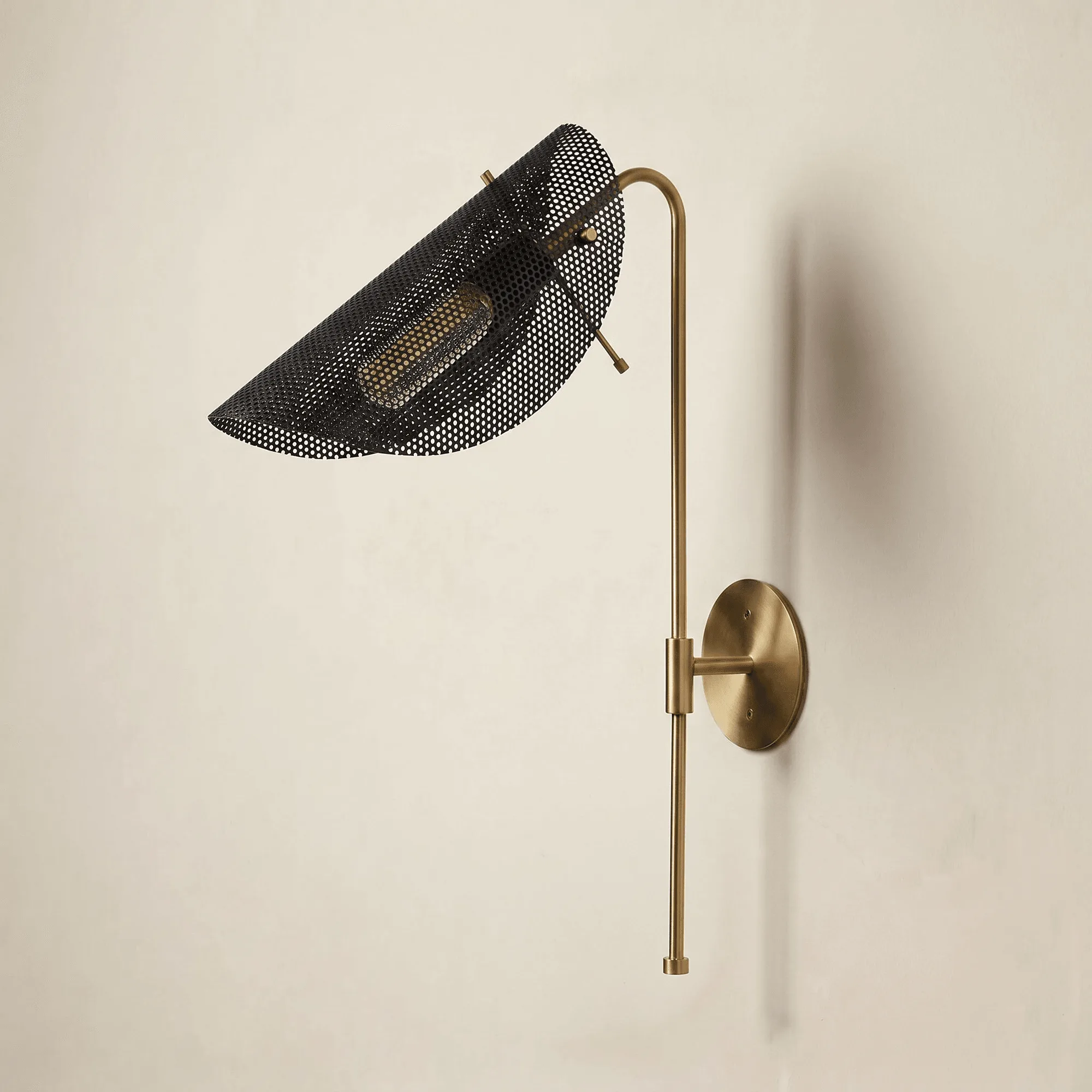
Tulle Wall Lamp
-
Tulle Wall Lamp: Handcrafted to perfection, this captivating wall lamp elevates your space with its graceful presence. Handcrafted construction suggests a furniture-grade piece, but the record does not specify the exact metal, finish, or dimensions, so confirm those before ordering.
What the Jenny Glass record confirms
-
Jenny Glass Wall Sconce: A matte blown-glass globe replaces the enameled shade, so the room gets a fuller, more direct warmth - still gentle, never harsh, just less shy about it. This is the clearest statement of the Jenny Glass's lighting effect: light projects forward from a glass globe rather than being diffused through metal mesh.
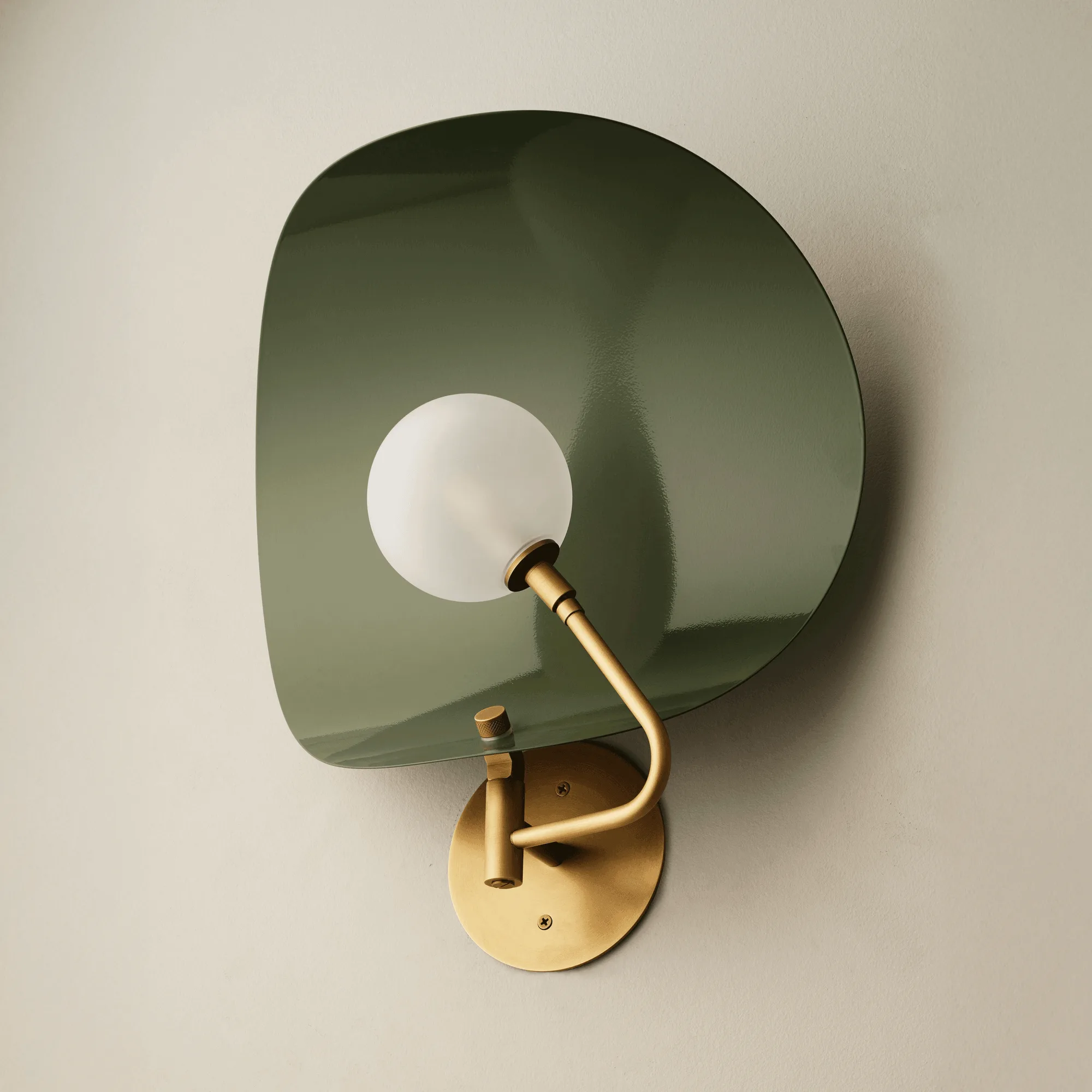
Jenny Glass Wall Sconce
-
Jenny Glass Wall Sconce: Jenny is named for Jenny Mollen - NYT best-selling author, actress, and design enthusiast. The backstory explains the fixture's origin as a custom request for a vintage French sconce, which may matter if you're matching a specific period look.
Fabric-inspired mesh vs matte glass: the practical differences
The catalog records support a few clear contrasts. Beyond those, treat the rest as questions to ask before you buy.
- Shade material: Tulle: perforated metal inspired by Rigitulle. Jenny Glass: matte blown glass. Neither record confirms the exact alloy or glass source.
- Light direction: The Jenny Glass record explicitly says light comes forward for a fuller, more direct warmth. The Tulle record does not describe its light output, so expect a more filtered, textured effect but confirm with the store.
- Visual weight: The Tulle's mesh reads as graphic and architectural; the Jenny Glass's globe reads as soft and sculptural. Both are handcrafted, per the records.
- What's not confirmed: Neither record lists bulb type, wattage, dimming compatibility, dimensions, or mounting instructions. Those are decision-critical gaps to close with Blueprint Lighting before ordering.
Which shade material suits your room
Choose the Tulle if you want a wall fixture that reads as a designed object first and a light source second — the Rigitulle-inspired mesh gives it a mid-century, graphic presence that works well in living rooms, hallways, or anywhere you want texture without glare. The trade-off is that the record doesn't describe its light output, so if task lighting matters, ask for specifics.
Choose the Jenny Glass if you want the sconce to actually light the room. The matte glass globe is described as casting a fuller, more direct warmth — still gentle, but less inward-facing than the original Jenny Wall. That makes it a stronger candidate for reading nooks, bedside walls, or powder rooms where you want visible glow rather than shadow play.
What to confirm before you order either sconce
- Bulb and wattage: Neither record specifies bulb type or maximum wattage. Ask Blueprint Lighting directly so you don't order a fixture that won't take your preferred bulb.
- Dimensions and projection: The records don't list width, height, or how far the fixture projects from the wall. Measure your space and request a spec sheet.
- Mounting and electrical requirements: No installation instructions are included in the supplied records. Confirm hardwiring vs plug-in and whether a junction box is required.
- Care instructions: The records include no cleaning or care guidance for either shade material. Ask before using any cleaner on the mesh or glass.
The honest trade-off
Both fixtures are handcrafted, both sit in the same price range, and both carry a strong design pedigree — one through Matégot's Rigitulle legacy, the other through a custom commission that became a named collection. The difference is in what the shade does with light. The Tulle's mesh filters and textures it; the Jenny Glass's globe projects it forward. If you need the sconce to perform as a light source, the Jenny Glass record gives you more to go on. If you're buying for presence and texture, the Tulle is the more distinctive object — provided you confirm the technical details the catalog leaves open.