Quick answer
To choose a quality tulsi supplement, prioritize organic sourcing, clearly labeled extraction methods, and third-party testing. Look for whole-herb capsules or standardized extracts depending on your preference for traditional or targeted support.
Why sourcing matters for holy basil capsules
Tulsi, also known as holy basil (Ocimum sanctum), has been used in Ayurvedic medicine for centuries. The quality of the herb begins with how it is grown. Organic farming reduces exposure to pesticides and other contaminants, which is especially important for a supplement you may take daily.
Check the label for the country of origin and whether the manufacturer provides details about their sourcing. Transparent brands often share this information to build trust. If the source is undisclosed, that's a red flag.
Whole-herb vs. standardized extract: what's the difference?
Whole-herb tulsi capsules contain the dried leaf powder, preserving the plant's natural array of compounds. This is the traditional Ayurvedic approach and is often preferred for general wellness and stress support.
Standardized extracts are concentrated to contain a specific level of active compounds, such as ursolic acid or eugenol. They offer a more predictable dose, which can be useful if you are targeting a specific benefit. However, they may lack the synergistic complexity of the whole herb.
Your choice depends on your goal: whole-herb for a traditional, holistic approach; extract for a more targeted, standardized effect.
Third-party testing: a non-negotiable quality marker
Quality supplements are often tested by independent labs to verify purity, potency, and the absence of heavy metals or contaminants. Look for a certificate of analysis (COA) or a statement about third-party testing on the brand's website.
If you cannot find any evidence of third-party testing, consider that a significant limitation. It means the product's quality claims are unverified.
Decision rules for choosing tulsi capsules
- Check the source: Choose a tulsi supplement that specifies organic farming and provides sourcing details. If the source is unknown, look for another product. Look for a country of origin on the label.
- Decide on form: Select whole-herb capsules for traditional Ayurvedic wellness support. Choose a standardized extract if you want a consistent dose of a specific active compound. Match the form to your primary reason for taking tulsi.
- Verify third-party testing: Look for a certificate of analysis or a statement about independent lab testing. If none is available, treat the quality claims as unverified. Contact the brand if the COA is not publicly posted.
- Review the ingredient list: Avoid capsules with unnecessary fillers, artificial colors, or preservatives. The ingredient list should be short and recognizable. If you see many additives, question the quality.
Product spotlight
-
Tulsi/Holy Basil - S&S: This tulsi supplement is described as a premium Ayurvedic remedy that supports a healthy response to stress and promotes mental balance. If you want a traditional whole-herb approach to everyday stress support, this product aligns with that goal and is available in a convenient capsule form.
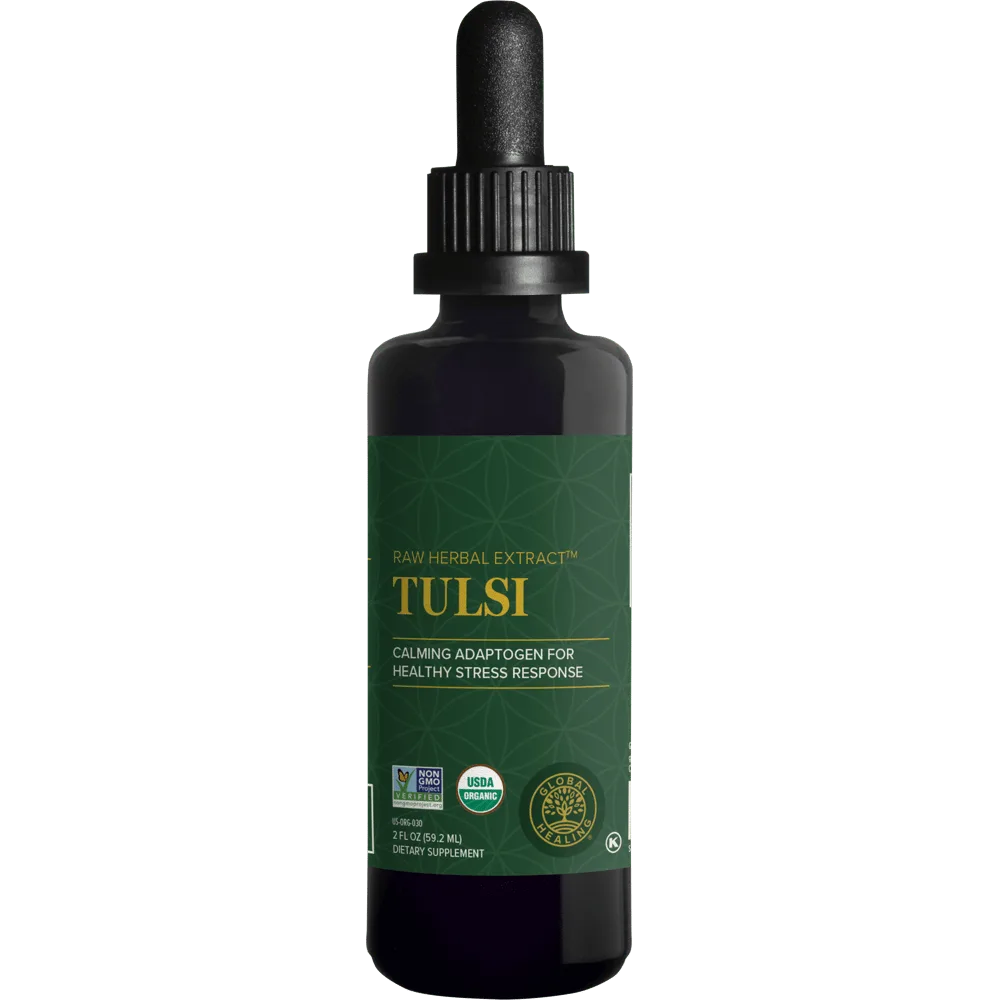
Tulsi/Holy Basil - S&S
Who should choose what
Best for
- People seeking traditional Ayurvedic stress support with a whole-herb tulsi supplement
- Those who prioritize organic sourcing and transparent manufacturing
Not for
- Individuals who need a standardized extract with a guaranteed level of a specific active compound
- Anyone who prefers capsules over other forms like tea or tincture