Quick Answer
Tulsi honey and Manuka honey both offer distinct benefits for tea drinkers, but they shine in different scenarios. Tulsi honey, made from the flowers of holy basil, brings a mild herbal sweetness that pairs beautifully with caffeine-free herbal teas. Manuka honey, known for its potent antibacterial properties, is better suited for immune support but has a stronger, medicinal flavor that can overpower delicate teas. For everyday tea sweetening, especially with herbal blends, Tulsi honey is the more versatile choice.
Flavor Profile and Tea Pairing
Tulsi honey has a light, floral sweetness with subtle herbal notes from the Vana Tulsi (holy basil) flowers. It complements caffeine-free teas like chamomile, peppermint, or turmeric tisane without masking their delicate flavors. Manuka honey, by contrast, is darker and more robust, often carrying earthy, medicinal undertones that can clash with lighter teas but stand up well to strong black teas or chai.
If you enjoy a honey that enhances rather than overpowers your tea, Tulsi honey is the safer bet for most herbal and green teas. Manuka honey is better reserved for bold brews or when you want its specific active compounds to take center stage.
Health Benefits: What Each Honey Brings to Your Cup
Tulsi honey is a raw, unpasteurized honey that retains naturally occurring pollens, propolis, and enzymes. Because it comes from the medicinal holy basil flower, it offers a gentle wellness boost that aligns with stress relief and immune support — a natural fit for a calming tea ritual. Manuka honey is widely studied for its antibacterial activity due to methylglyoxal (MGO), making it a go-to for sore throats and digestive health.
The trade-off is that Manuka honey’s health claims are more specific and dosage-dependent, while Tulsi honey provides a broader, everyday nutritional benefit without the premium price tag. For regular tea drinkers looking for a functional sweetener, Tulsi honey delivers a practical balance of flavor and wellness.
Trade-Offs at a Glance
- Flavor versatility: Tulsi honey is mild and floral, pairing with most teas. Manuka honey is strong and medicinal, limiting its tea pairings. Choose Tulsi honey if you drink a variety of teas and want a sweetener that adapts.
- Health focus: Manuka honey has targeted antibacterial benefits; Tulsi honey offers broader nutritional support from raw enzymes and pollens. Use Manuka honey for specific immune needs; use Tulsi honey for daily wellness.
- Cost vs. everyday use: Manuka honey is typically more expensive per ounce. Tulsi honey provides a premium raw experience at a more accessible price point. Tulsi honey is the better value for regular tea sweetening.
Product Facts at a Glance
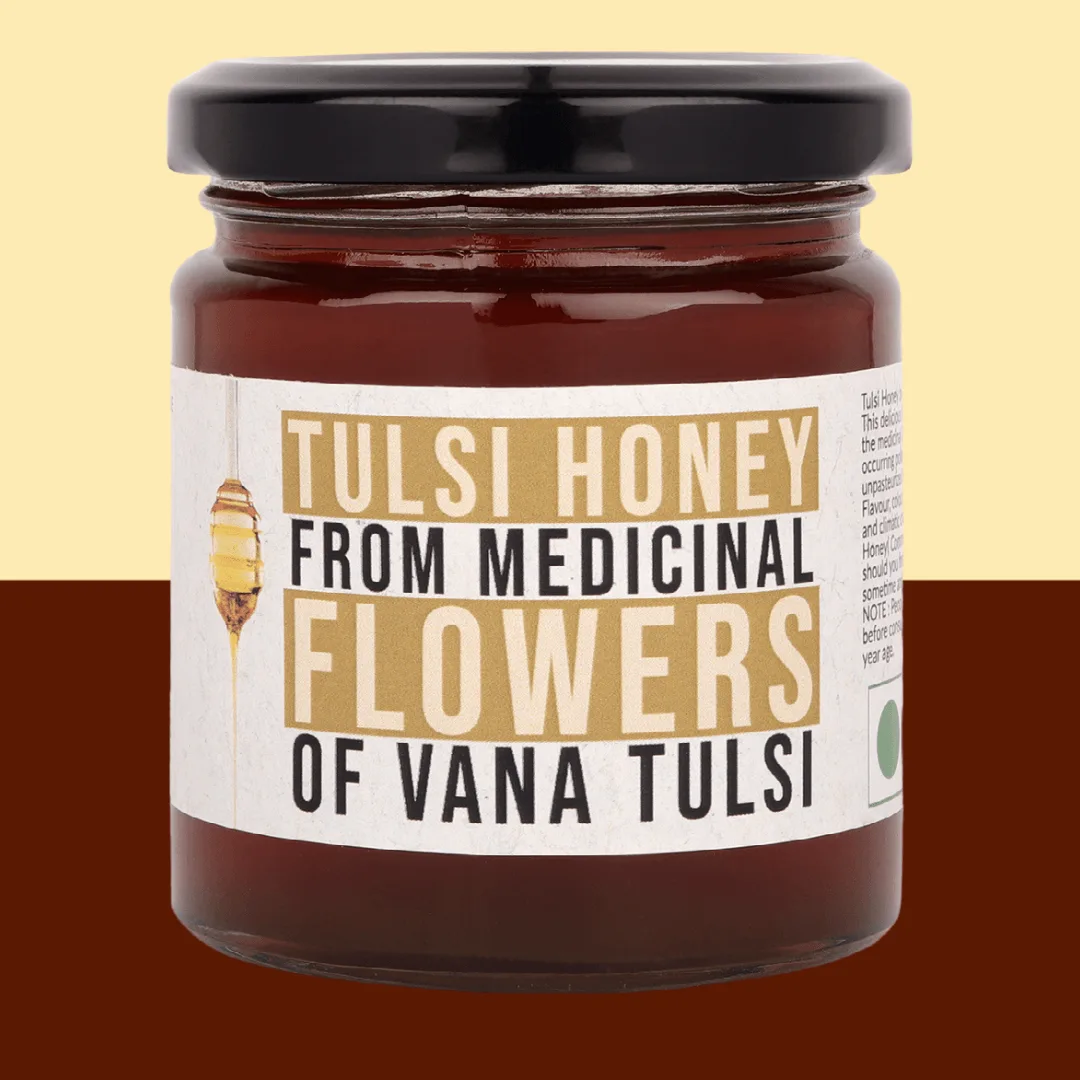
- Tulsi Honey 250g: Tulsi Honey by Tea And India is a raw honey produced from the medicinal flower of Vana Tulsi (holy basil). It contains naturally occurring pollens, propolis, enzymes, and unique flavors found in raw unpasteurized honey. Because it's raw and unpasteurized, Tulsi Honey retains natural enzymes and pollen that support immune health and add a subtle herbal complexity to your tea — ideal for those who want a minimally processed sweetener.
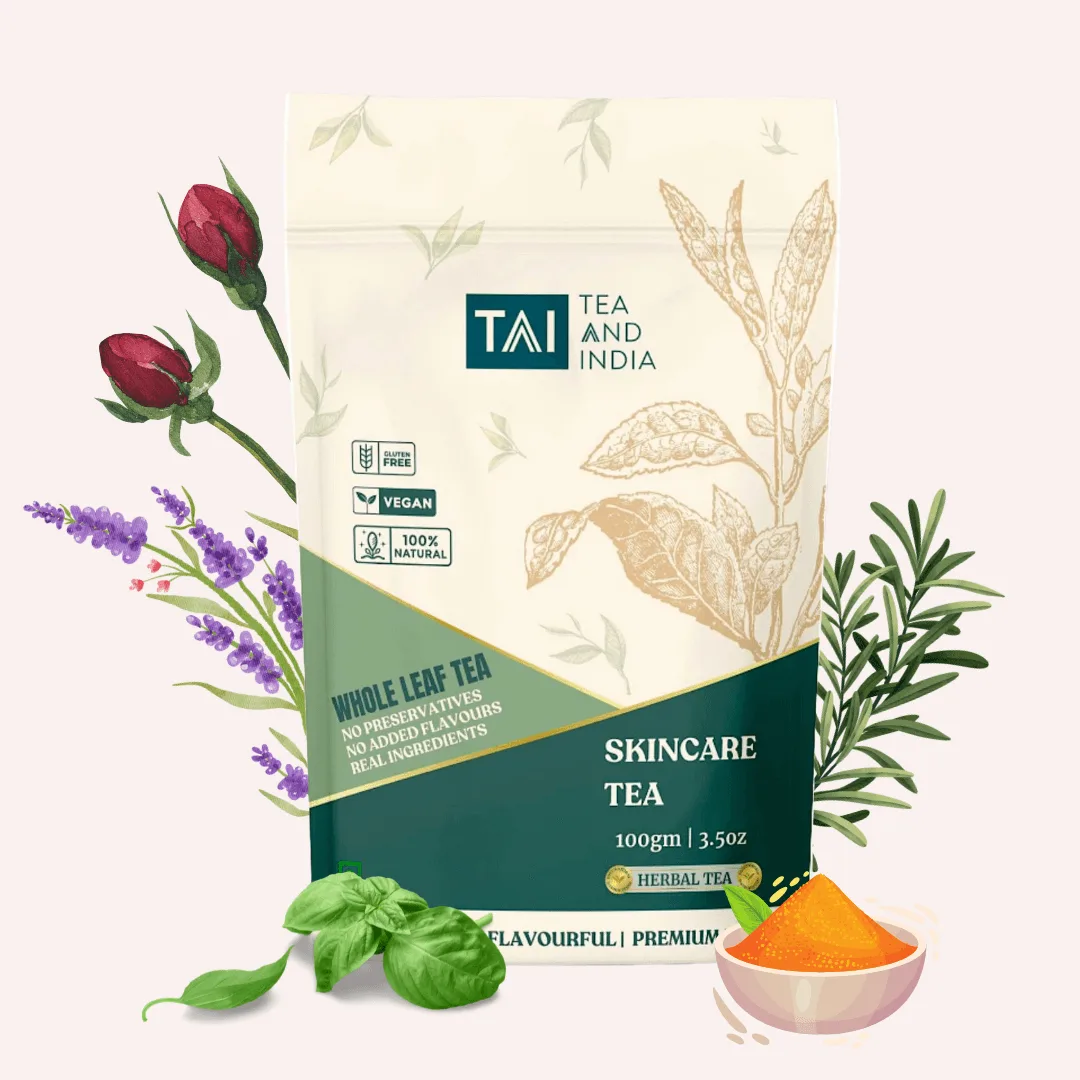
- SKIN CARE TEA: SKIN CARE TEA from TEA AND INDIA is a herbal tea blend designed for those who value a gentle, natural addition to their daily routine. It is a caffeine-free herbal tea option. This herbal tea pairs naturally with Tulsi Honey because both are caffeine-free and botanically sourced. The honey’s light sweetness enhances the tea’s gentle profile without adding caffeine or artificial flavors.
Which Honey Fits Your Tea Routine?
Best For
- Tea drinkers who want a versatile, mild sweetener that complements herbal and caffeine-free teas
- Those seeking a raw, unpasteurized honey with natural enzymes and pollens for everyday wellness
Not Ideal For
- Anyone who needs the specific high-MGO antibacterial action of Manuka honey for therapeutic use
- Drinkers of very bold black teas or chai who prefer a honey that can stand up to strong flavors