Two Tulsi Options, One Clear Difference
The main choice is between plain Tulsi Leaves and a Tulsi Ginger blend. The product record confirms Tulsi Leaves from TEA AND INDIA: a single-ingredient herbal tea with a distinctive aroma and character. It does not confirm a Tulsi Ginger product, so any comparison of the blend relies on general expectations rather than catalog evidence.
If you want the pure tulsi experience and full control over what goes in your cup, plain leaves are the safer pick. If you already know you enjoy ginger and want a warm, spicy note without extra prep, a tulsi ginger blend may suit you—but check the ingredient list first.
Plain Tulsi vs Tulsi Ginger at a Glance
- Ingredients: Tulsi Leaves: one ingredient, tulsi leaves. Tulsi Ginger: typically tulsi plus ginger; the exact ratio and any additional ingredients are not confirmed in the supplied catalog.
- Taste profile: Plain tulsi has a distinctive herbal, slightly peppery aroma. Ginger adds warmth and spice, which can mask some of tulsi's subtler notes.
- Brewing flexibility: Loose tulsi leaves let you adjust strength and add your own ginger, lemon, or honey. A blend is pre-mixed, so you cannot separate the components.
- Caffeine: Both are herbal infusions and naturally caffeine-free, assuming no other caffeine-containing ingredients are added.
- Best for: Plain tulsi for purists and those who want to customize. Tulsi ginger for drinkers who prefer a ready-made spicy cup.
What Plain Tulsi Tea Tastes Like
Plain tulsi is not a mild, grassy green tea. It has an assertive, aromatic character often described as peppery, clove-like, or slightly minty. The catalog calls it 'distinctive aroma and character,' which is a fair warning: first-time drinkers may find it stronger than expected.
Because it is unblended, you can brew it lighter or stronger to taste. If you are new to tulsi, start with a shorter steep and add more leaves if you want more intensity. The product record does not supply a specific steeping time or water temperature, so follow your own preferred method for herbal infusions.
What to Expect from Tulsi Ginger Tea
A tulsi ginger blend combines tulsi's herbal base with ginger's familiar warmth. Many people find ginger soothing for the throat and digestion, but those are general associations, not guaranteed effects of this specific product. The supplied catalog does not include a Tulsi Ginger product, so we cannot confirm its ingredients, taste balance, or brewing instructions.
If you are considering a tulsi ginger tea, read the label to see whether it is pure tulsi and ginger or includes other herbs, flavorings, or sweeteners. That will tell you more than any general description.
Catalog Details for Tulsi Leaves
-
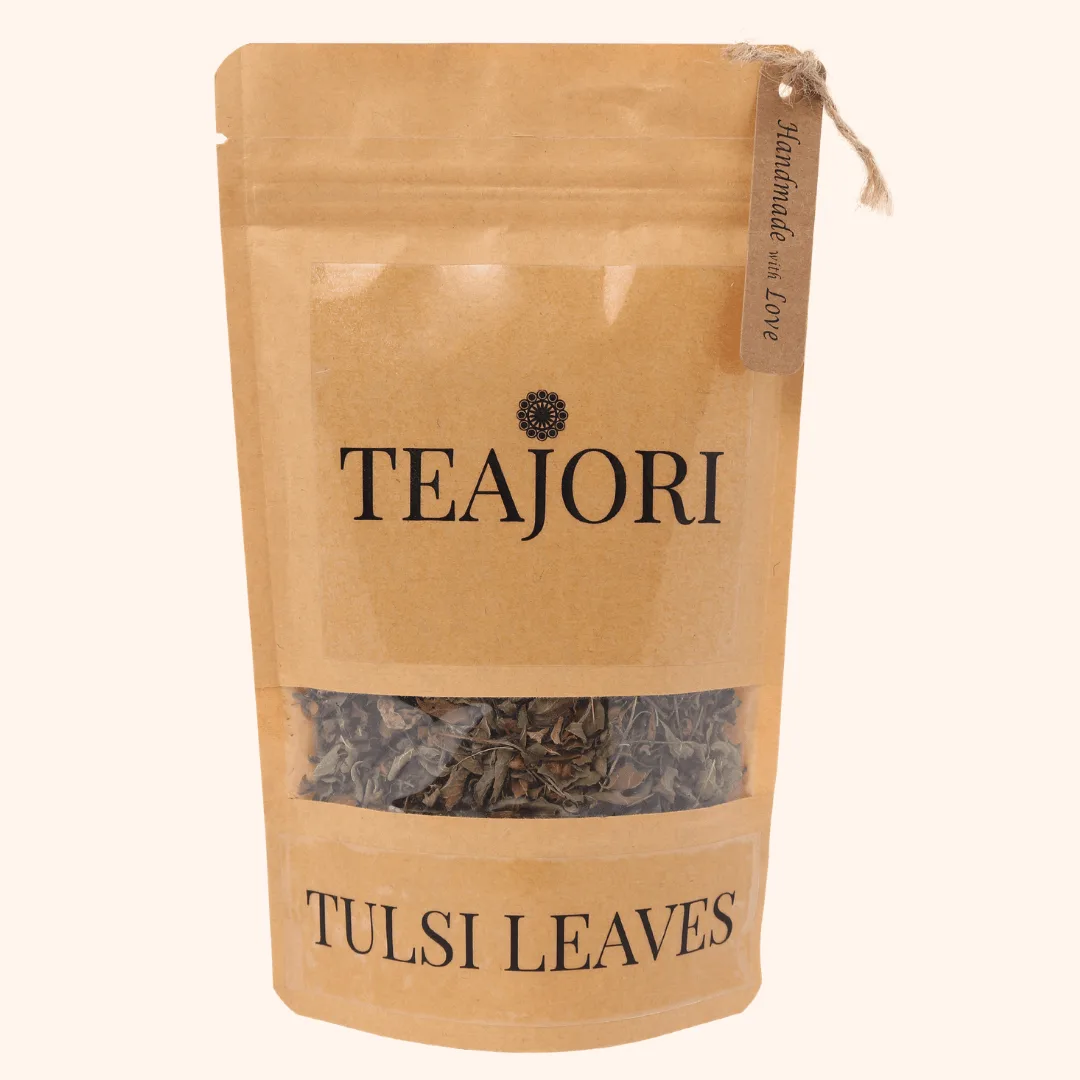
Tulsi Leaves: Tulsi Leaves from TEA AND INDIA, product code HNB 7003. Identifies the exact plain tulsi product this comparison is based on.
Tulsi Leaves
-
Tulsi Leaves: Known for a distinctive aroma and character; ideal for brewing a warm, comforting cup of herbal tea. Confirms the plain-leaf taste profile and intended use as a hot herbal infusion.
-
Tulsi Leaves: Comes in a convenient standard size for regular use. Suggests it is practical for daily drinking rather than occasional use.
Brewing Loose Tulsi Leaves: What the Record Does and Doesn't Say
The catalog confirms that Tulsi Leaves are meant for brewing a warm, comforting cup, but it does not provide specific water temperature, leaf quantity, or steeping time. That is not a flaw—many loose herbal teas are brewed to personal taste. Use the same approach you would for any loose-leaf herbal infusion: start with a small amount of leaves, add hot water, and adjust from there.
If you prefer a more structured guide, our article on brewing loose tulsi leaves covers a general method. For a tulsi ginger blend, follow the package directions, since the ginger content may affect the ideal steeping time.
Which Tulsi Tea Should You Buy?
Choose plain Tulsi Leaves if you want a single-ingredient herbal tea, enjoy a distinctive peppery flavor, and like to control strength and add your own extras. It is also the more versatile option for experimenting with honey, lemon, or other herbs.
Choose a tulsi ginger blend if you already like ginger tea and want a convenient, warming cup without measuring two ingredients. Be aware that the blend's exact composition is not confirmed in the supplied information, so check the label for added ingredients or sweeteners.
Either way, both are caffeine-free herbal options. If you are sensitive to flavors, start with plain tulsi to learn the base note before trying a blend.