Why a Tungsten Carbide Scriber Belongs in Your Tool Kit
When you need a clean, permanent line on metal, plastic, or glass, a pencil or marker often falls short. A tungsten carbide scriber gives you a precise hairline mark that won't smear or wear off during cutting, drilling, or assembly. Made from one of the hardest materials next to diamond, this tool handles a wide range of materials including wood, metal, plastic, ceramics, and glass.
Whether you're laying out cut lines on sheet metal, scoring acrylic for snap cutting, or marking reference points on a model, the needle-sharp point delivers the accuracy you need. It's a simple, durable tool that earns its place on any workbench.
Tungsten Carbide Scriber at a Glance
-
Tungsten Carbide Scriber: Made of tungsten carbide, the hardest material next to diamond The extreme hardness keeps the point sharp through repeated use on tough materials like metal and glass, so you don't have to stop and resharpen.
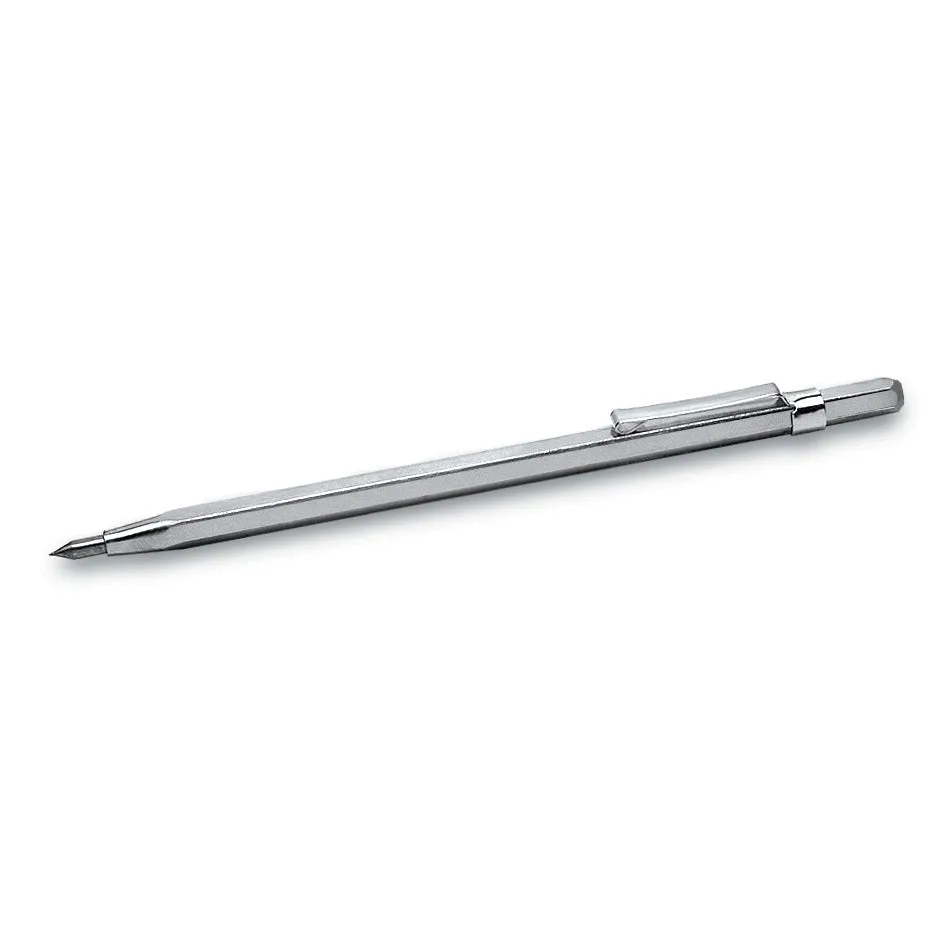
Tungsten Carbide Scriber
-
Tungsten Carbide Scriber: Finely-honed needle-sharp point A needle-sharp tip creates thin, accurate lines essential for precision layout work and fine model detailing.
-
Tungsten Carbide Scriber: Easily scribes plastics for snap cutting Scoring plastic with a carbide scriber lets you snap cleanly along the line, reducing the need for sawing and sanding.
-
Tungsten Carbide Scriber: Ideal for use on wood, metal, plastic, ceramics, and glass One tool replaces multiple marking solutions across different materials, simplifying your workflow.
How to Use a Tungsten Carbide Scriber for Marking
Using a carbide scriber is straightforward, but a few techniques help you get the best results. Always work on a stable surface and secure your workpiece before starting.
- Prepare the surface: Clean the area you plan to mark. Dirt, oil, or coatings can interfere with the scribe line. For metal, a light wipe with a degreaser works well.
- Use a straightedge or template: For straight lines, hold a metal ruler or square firmly against the workpiece. Position the scriber point at the edge of the guide and draw it along with steady, even pressure.
- Apply consistent pressure: Let the carbide point do the work. Too much force can cause the tip to skip or dig in unevenly. A single pass is usually enough for a visible hairline.
- Score plastic for snap cutting: For acrylic or styrene, run the scriber along your cut line several times to deepen the score. Then align the score with a table edge and apply quick downward pressure to snap the piece cleanly.
- Check your line before cutting: The scribed mark is permanent, so verify your measurements and alignment before committing. Use a magnifier or bright light to inspect fine details.
Tips for Best Results with Your Carbide Scriber
Store the scriber with a protective cap or in a dedicated slot in your tool roll to prevent the tip from chipping. Avoid using the scriber as a pry tool or for scraping — it's designed for marking, not prying. If the tip becomes dull over time, tungsten carbide is too hard to sharpen with standard stones; replacement is the practical solution.
For layout work on metal, consider applying a thin coat of layout fluid or a permanent marker first. The scribe line will contrast clearly against the colored surface, making it easier to see during cutting or drilling.