When it comes to choosing turkey sausage for your breakfast, the shape matters just as much as the flavor. Turkey sausage patties and links both offer lean, protein-packed alternatives to pork sausage, but they differ in texture, cooking performance, and how they fit into your meal. Whether you're meal-prepping for the week or grabbing a quick bite before work, understanding these differences can help you make the best choice for your taste buds and schedule.
In this guide, we'll break down the key factors between turkey sausage patties vs links: texture, cooking methods, nutritional profiles, and recipe versatility. By the end, you'll know exactly which style to reach for at the grocery store.
Texture and Flavor: Patties vs Links
Turkey sausage patties are typically flatter and wider, which gives them a larger surface area for browning. This means you get more crispy edges and a satisfying crunch with every bite. The patty shape also allows for even cooking throughout, so you won't end up with a raw center. Many people prefer patties for their consistent texture and the way they hold up on a breakfast sandwich or biscuit.
Turkey sausage links, on the other hand, are cylindrical and often have a slightly denser, juicier interior. Because the meat is encased, links retain moisture better during cooking, resulting in a tender bite. The casing adds a subtle snap when you cut into them, which some find more satisfying. If you enjoy a sausage that feels more like a traditional breakfast link but with leaner turkey meat, links are your go-to.
- Patties: crispy exterior, even cook, great for sandwiches and bowls
- Links: juicy interior, snappy casing, classic breakfast plate feel
Cooking Methods: Which Shape Wins for Convenience?
Both patties and links can be cooked in a skillet, oven, or air fryer, but their shapes affect cooking time and ease. Turkey sausage patties cook faster because they are thinner and have more surface area exposed to heat. In a skillet, they take about 4–5 minutes per side, while links may need 8–10 minutes of rolling to ensure even browning. For busy mornings, patties are often the quicker option.
Links require a bit more attention to avoid burning on one side. You'll need to turn them frequently to cook all sides evenly. However, links are less likely to stick to the pan because they have less direct contact. If you're using an air fryer, both shapes work well, but patties may crisp up faster. For meal prep, patties are easier to stack and store, while links can be placed neatly in a container without breaking.
- Patties: 4–5 min per side; crisp evenly; great for quick skillet meals
- Links: 8–10 min total; need turning; stay juicy in oven or air fryer
Nutritional Comparison: Turkey Sausage Patties vs Links
When comparing turkey sausage patties vs links, the nutritional differences are minimal but worth noting. Both are made from ground turkey and seasonings, so the calorie and protein counts are similar. A typical turkey sausage patty (about 1 ounce) contains roughly 40–50 calories, 5–6 grams of protein, and 2–3 grams of fat. A link of the same weight usually has slightly more fat because of the casing and moisture retention, but the difference is small.
The bigger factor is portion size. Patties are often sold in larger sizes (2–3 ounces each) compared to links (1–1.5 ounces each). If you're watching your calorie intake, links allow for easier portion control. But if you want a heartier serving of protein per piece, patties deliver more. Both are excellent choices for a high-protein, low-saturated-fat breakfast compared to traditional pork sausage.
- Patties: ~45 cal, 5g protein, 2g fat per ounce (typical)
- Links: ~50 cal, 5g protein, 3g fat per ounce (including casing)
Recipe Versatility: Which Shape Fits Your Meal?
Turkey sausage patties shine in breakfast sandwiches, biscuits, and bowls. Their flat shape makes them ideal for layering between an English muffin or on top of a bed of scrambled eggs. You can also crumble them into a breakfast burrito or hash. For a quick protein boost, patties are easy to cut into strips or chunks for a breakfast bowl with veggies and cheese.
Turkey sausage links are better suited for traditional breakfast plates alongside eggs and toast. They also work well in casseroles, pasta dishes, or as a side for pancakes. Because they hold their shape, links are a popular choice for skewers or appetizers at brunch gatherings. If you're looking for a product that's already pre-cooked and ready to heat, Jimmy Dean's Sausage Breakfast Burritos combine the convenience of links in a handheld format.
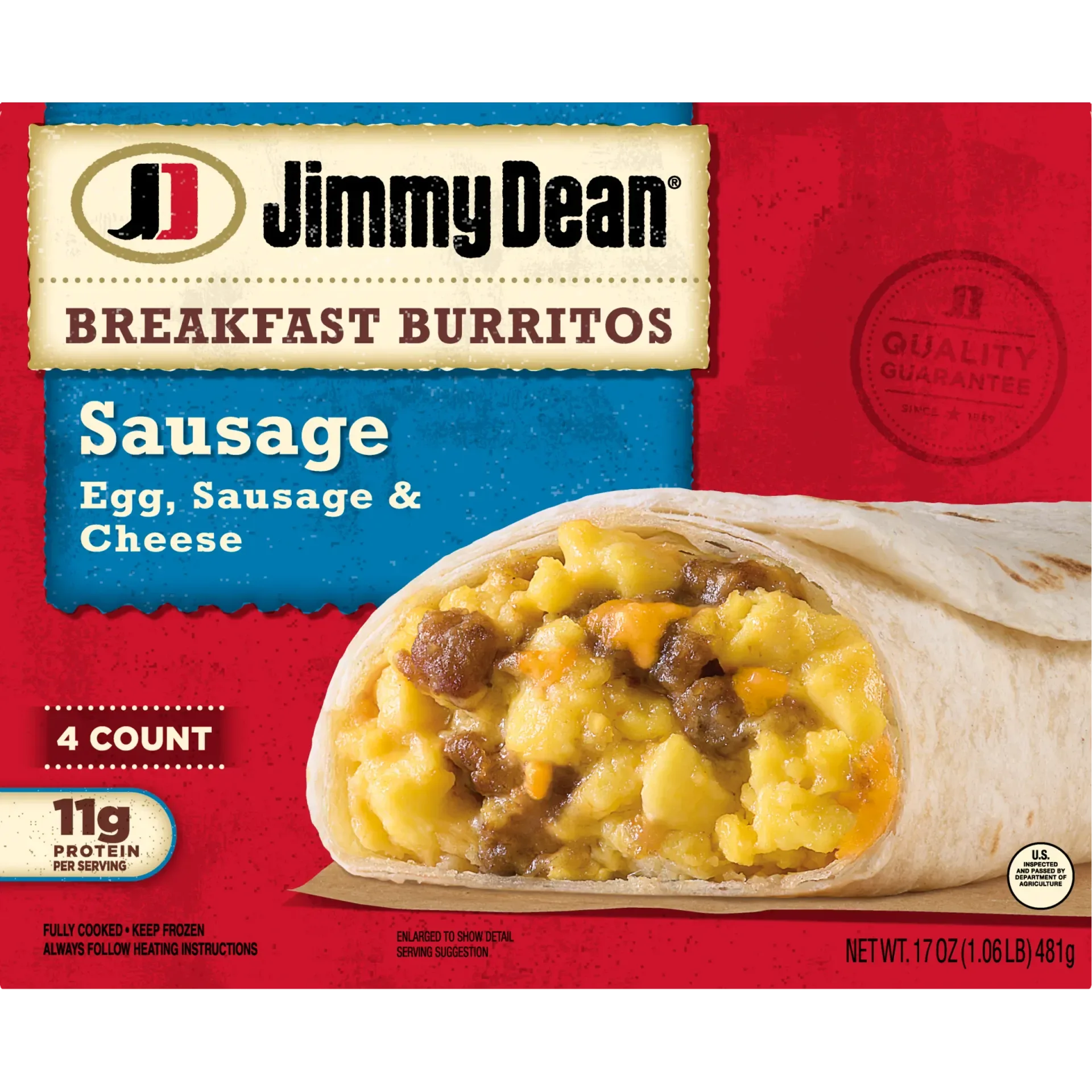
Sausage Breakfast Burritos
- Patties: best for sandwiches, bowls, and crumbling
- Links: perfect for classic plates, casseroles, and skewers
How to Choose the Best Turkey Sausage for You
Your choice between turkey sausage patties and links ultimately depends on your morning routine and taste preferences. If you value speed and a crispy exterior, go with patties. If you prefer a juicier, more traditional sausage texture and don't mind a few extra minutes of cooking, links are a great option. Both are leaner than pork sausage and can fit into a balanced diet.
For those who want versatility, consider keeping both shapes in your freezer. Patties for quick sandwiches and links for weekend breakfast plates. Jimmy Dean's Premium Turkey Sausage Roll is another option if you want to shape your own patties or crumbles, giving you full control over portion size and cooking method.
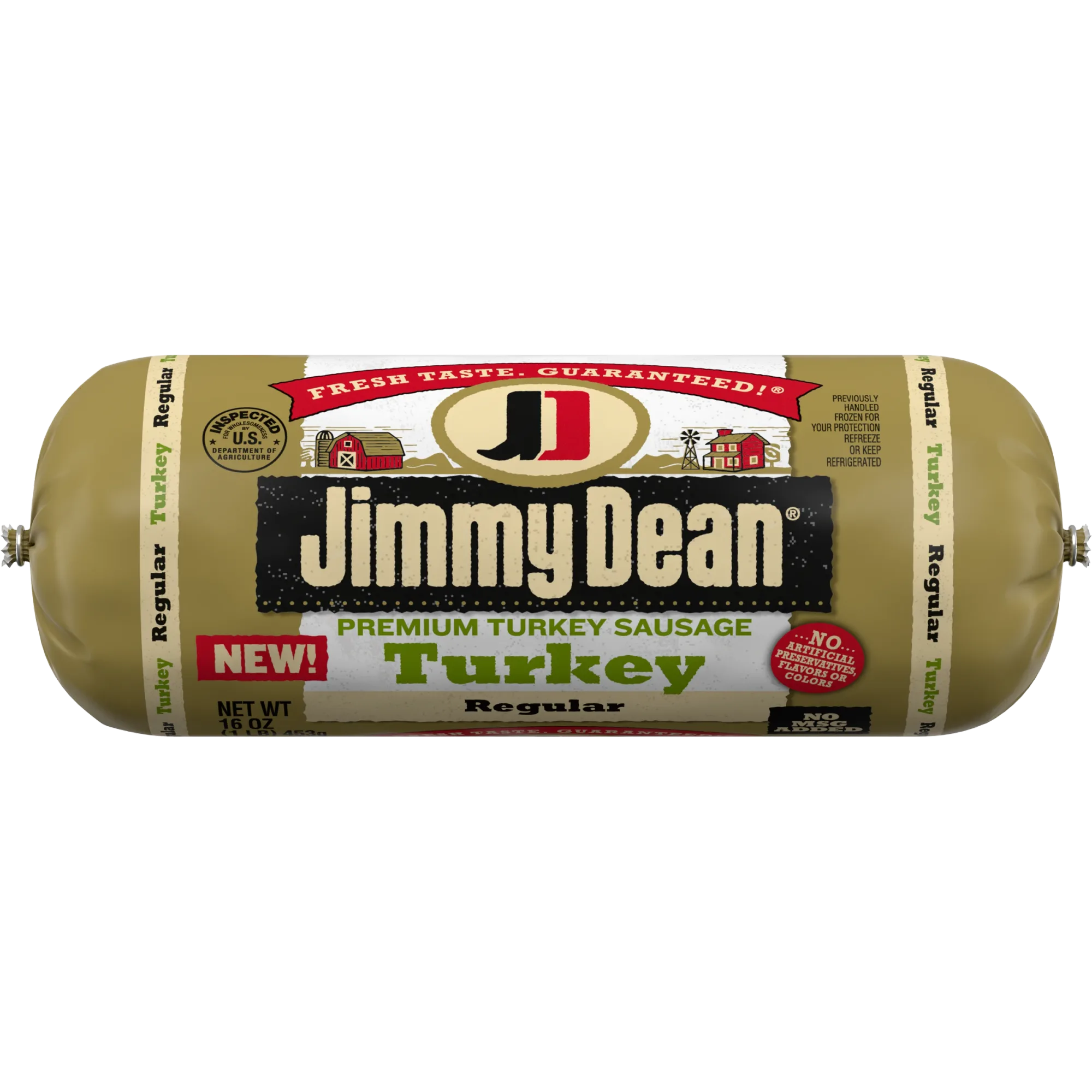
Premium Turkey Sausage Roll
- Patties: faster cooking, crispier, sandwich-friendly
- Links: juicier, classic shape, great for plated meals
- Roll: shape your own for maximum flexibility
Whether you choose turkey sausage patties or links, both deliver lean protein and delicious flavor to start your day. For a quick, satisfying breakfast that's ready in minutes, try Jimmy Dean's Premium Turkey Sausage Roll and shape it into perfect patties or crumbles. Explore the full range of turkey sausage options to find your favorite.