Quick Answer
Turmeric and ginger are both natural anti-inflammatories, but they work through different pathways. Combining them can offer more comprehensive joint support than either alone. For a convenient option, look for a turmeric supplement that includes ginger and black pepper extract for enhanced absorption.
Joint pain can disrupt your daily life, and many people turn to natural supplements for relief. Turmeric and ginger are two of the most popular botanicals for this purpose, often used together. But how exactly do they work, and what should you look for in a supplement?
This comparison breaks down the science, the practical differences, and the trade-offs of using turmeric and ginger for joint pain, so you can make an informed choice.
How Turmeric and Ginger Work
Turmeric contains curcumin, a compound known for its powerful antioxidant and anti-inflammatory properties. Studies suggest curcumin can help reduce joint discomfort and improve mobility. Ginger contains gingerol, which also has anti-inflammatory effects but works through different biochemical pathways. Together, they may offer a broader approach to managing inflammation.
Both spices have been used in traditional medicine for centuries. Modern research supports their role in supporting joint health, but the quality and form of the supplement matter. Look for standardized extracts with guaranteed levels of active compounds.
Turmeric vs. Ginger: Key Differences
Turmeric is often highlighted for its strong antioxidant capacity, while ginger is known for its digestive benefits and potential to reduce muscle soreness. For joint pain, turmeric tends to have more clinical evidence, but ginger can complement it by addressing different aspects of the inflammatory response.
If you're choosing between the two, consider your primary goal. For targeted joint support, turmeric with a high curcuminoid content is a solid choice. If you also want digestive comfort, ginger is a valuable addition. Many people find a combination works best.
Choosing the Right Supplement Form
Supplements come in capsules, powders, and tinctures. Capsules are convenient and provide a consistent dose. Powders can be mixed into drinks but may have a strong taste. Tinctures offer flexibility but may not be as precise.
When choosing a turmeric supplement, check the label for curcuminoid percentage and the presence of black pepper extract (like BioPerine) to enhance absorption. Ginger supplements often specify gingerol content. Both forms can be effective, but capsules are often the easiest to incorporate into a daily routine.
Practical Tips for Using Turmeric and Ginger
Start with a lower dose and gradually increase as your body adjusts. Take supplements with meals to improve absorption and reduce any stomach discomfort. Consistency is key—natural supplements typically take several weeks to show noticeable effects.
If you're taking blood thinners or have gallbladder issues, consult your healthcare provider before starting turmeric or ginger supplements. They can interact with certain medications.
- Look for turmeric supplements with at least 95% curcuminoids and added black pepper extract.
- Consider a combination product that includes ginger for a more holistic approach.
- Give it at least 4-6 weeks to assess effectiveness.
Trade-Offs to Consider
- Potency vs. Absorption: High curcuminoid content (like 95%) is potent, but without black pepper extract, absorption is poor. Look for BioPerine or similar to get the most from your supplement. Choose a product that balances both for best results.
- Single Ingredient vs. Blend: A single-ingredient turmeric supplement is straightforward and allows for precise dosing. A blend with ginger, cinnamon, or other spices may offer broader benefits but can be harder to tailor. Decide based on your specific needs and preferences.
- Capsule Size and Tolerance: Some turmeric capsules are large and hard to swallow. If that's a concern, look for smaller capsules or mini-capsules, which are easier to take. Check the capsule size before buying to ensure it's comfortable for you.
Product Facts: What to Look For
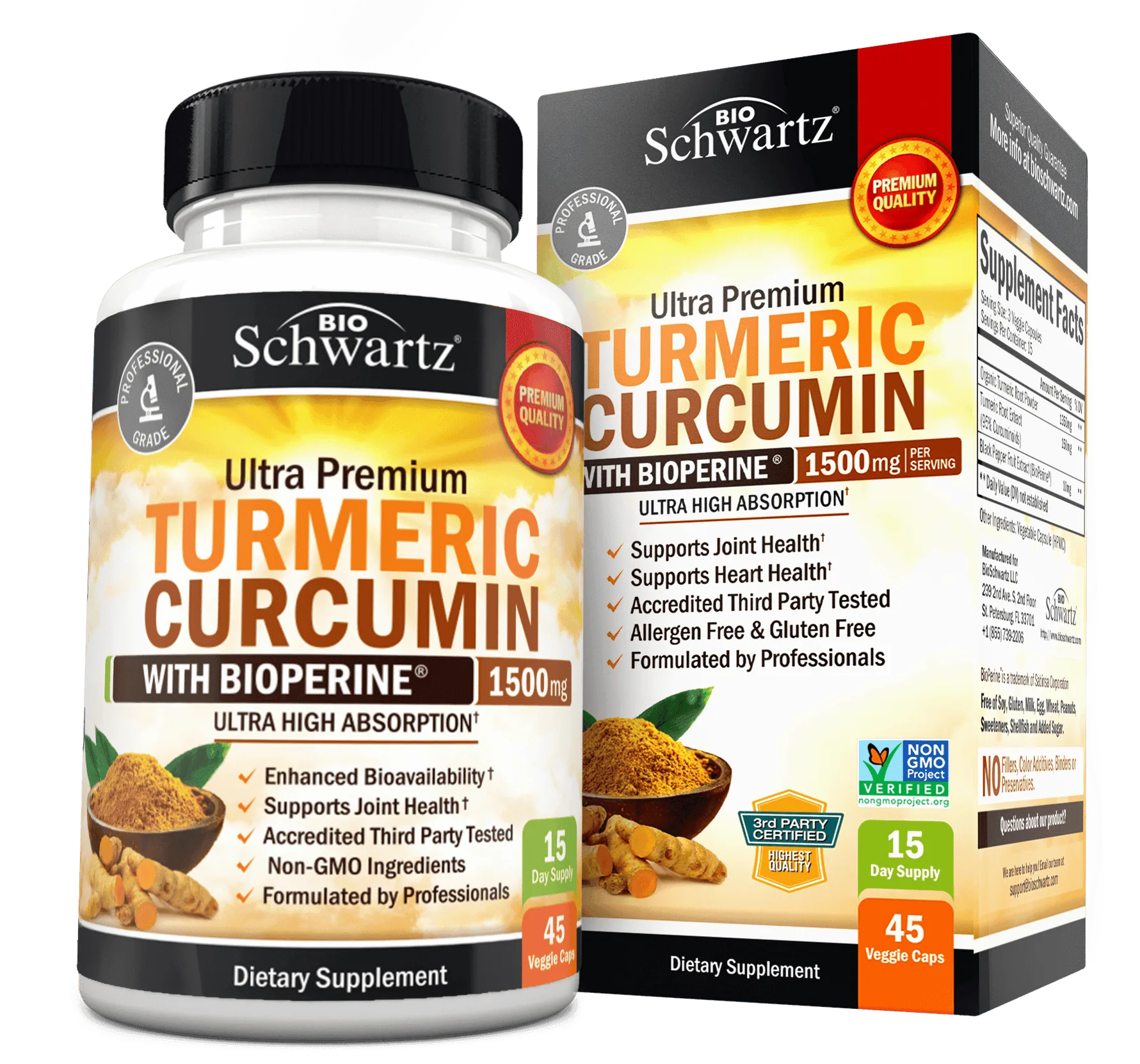
- Turmeric Curcumin 1500mg Capsules: Made with organic turmeric curcumin, featuring ultra pure turmeric extract with 95% curcuminoids and patented BioPerine for increased absorption. This high curcuminoid content ensures you're getting a potent dose of the active compound, while BioPerine helps your body absorb it effectively.
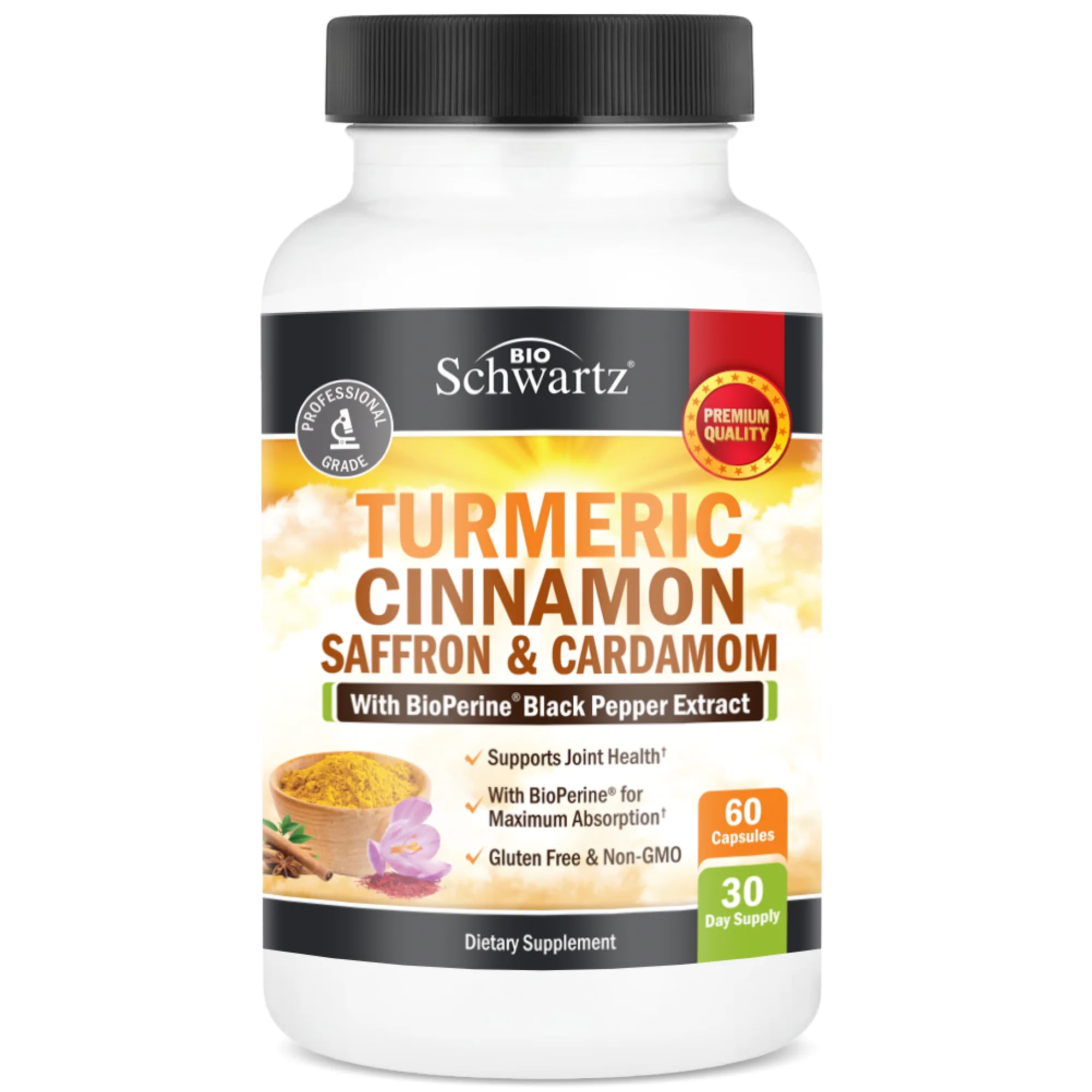
- Turmeric Cinnamon Capsules: Extra Strength formula combines turmeric curcumin with cinnamon, saffron, and cardamom, plus BioPerine for max absorption, offering natural immune, heart, and joint support. If you're looking for a multi-ingredient approach, this blend adds antioxidant-rich spices that may complement turmeric's joint benefits.
Which Should You Choose?
Best For
- People who want a high-potency turmeric supplement with proven absorption.
- Those looking for a combination formula to support joint and overall wellness.
Not For
- If you have a known allergy to ginger or turmeric, avoid these supplements.
- If you are on blood-thinning medication, consult your doctor first.
Turmeric and ginger can be a powerful duo for joint pain, offering complementary anti-inflammatory benefits. When choosing a supplement, prioritize quality, potency, and absorption. Whether you opt for a high-curcuminoid turmeric or a blend with ginger, consistency and patience are key to seeing results.